
Most advice in this area is somebody’s taste presented as a rule. What follows is not that. Every item below is a question of fit mechanics, garment construction or maintenance, with the reason attached, so you can decide for yourself whether it applies. Bodies change shape through your forties and fifties, and clothes that were correct once do not stay correct. Here are ten things that are measurably off rather than merely unfashionable.
Buying to the Label Rather Than the Shoulder

The shoulder seam should meet the point where your shoulder bone ends and your arm begins. Tailors treat this as the one measurement to buy on, because the shoulder is effectively unalterable. Restructuring it means rebuilding the jacket, so a wrong shoulder is wrong permanently regardless of what the size tag claims.
Keeping a Jacket Fitted to a Previous Body
Weight distribution shifts with age even when the number on the scale does not, typically thickening through the middle and flattening across the chest. A jacket cut for the earlier shape pulls at the button and gapes at the lapel. The garment has not changed, so the reference point has to.
Leaving Trousers at the Wrong Break

Trousers should reach far enough to cover the ankle and rest on the shoe with at most one slight crease at the point of contact. Too short exposes the ankle when seated and too long collapses in folds. It is among the cheapest alterations available and one of the most visible.
Sleeves That Cover the Shirt Cuff

A jacket sleeve should end at the wrist bone and let roughly a quarter to half an inch of shirt cuff show. When the sleeve runs past that, the arm reads as longer than it is and the shirt disappears entirely. Sleeve length is a simple and inexpensive adjustment.
Not Using the Alterations That Are Easy
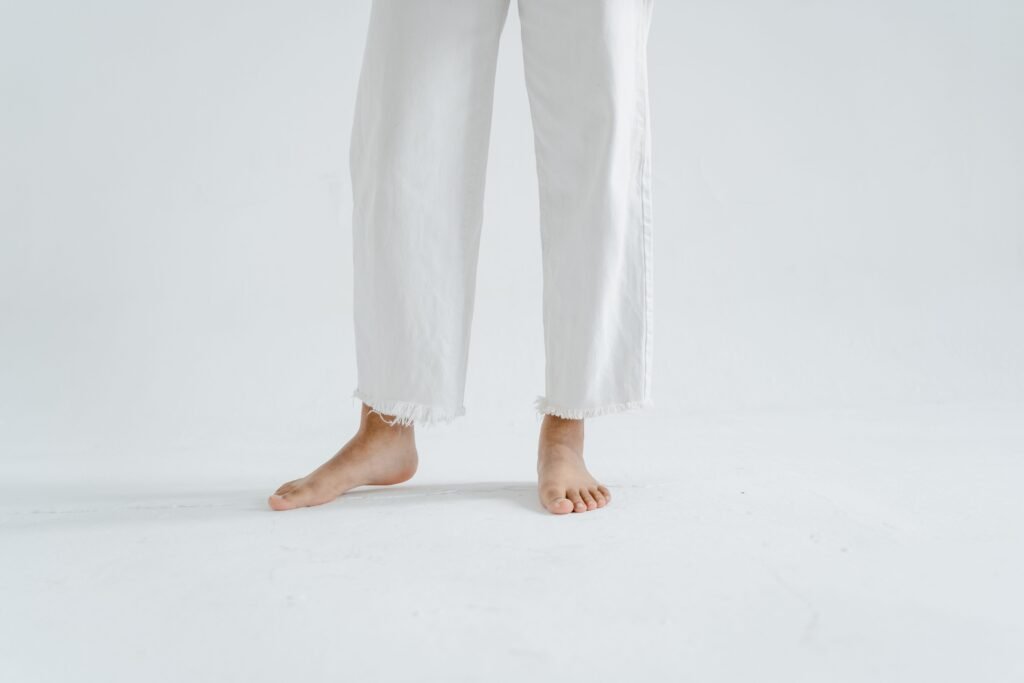
Sleeve length, trouser hem, taking a waist in or out by around two inches and tapering a trouser leg are all quick and cheap. Shoulders, major length changes and resizing more than one size are not. Knowing which is which turns a mediocre off-the-peg fit into a good one.
Wearing a Rise That No Longer Matches
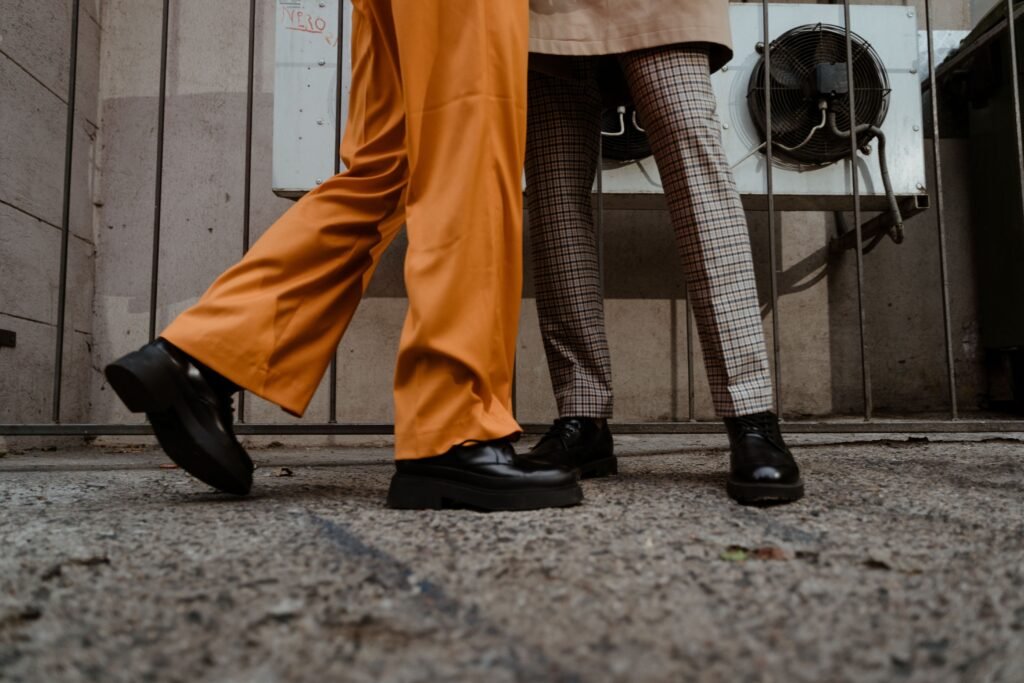
The rise is the distance from crotch to waistband, and it determines where trousers sit. A low rise designed to sit on the hips will slide under a fuller midsection, which drags the waistband down and shortens the leg line. A higher rise sits at the natural waist and stays there.
Ignoring That Contrast Changes as Hair Greys

This is optical rather than aesthetic. As hair lightens, the contrast between hair, skin and clothing shifts, so colours that once framed the face can start to overwhelm or wash it out. It is not that any colour becomes off limits, only that the reference point moved and nobody mentioned it.
Treating Glasses as a Medical Purchase

Frames sit on your face for most of your waking hours, which makes them the single most worn thing you own. Proportion is the measurable part: frame width relative to face width, and the eye sitting near the centre of the lens. Opticians will check both if asked.
Letting Knitwear Pill and Stretch

Pilling comes from friction and is removable with a fabric shaver in a couple of minutes. Stretched cuffs and hems usually come from hanging knitwear rather than folding it, which lets the garment pull under its own weight. Both are maintenance failures rather than signs a jumper is finished.
Wearing Shoes Past the Point of Repair
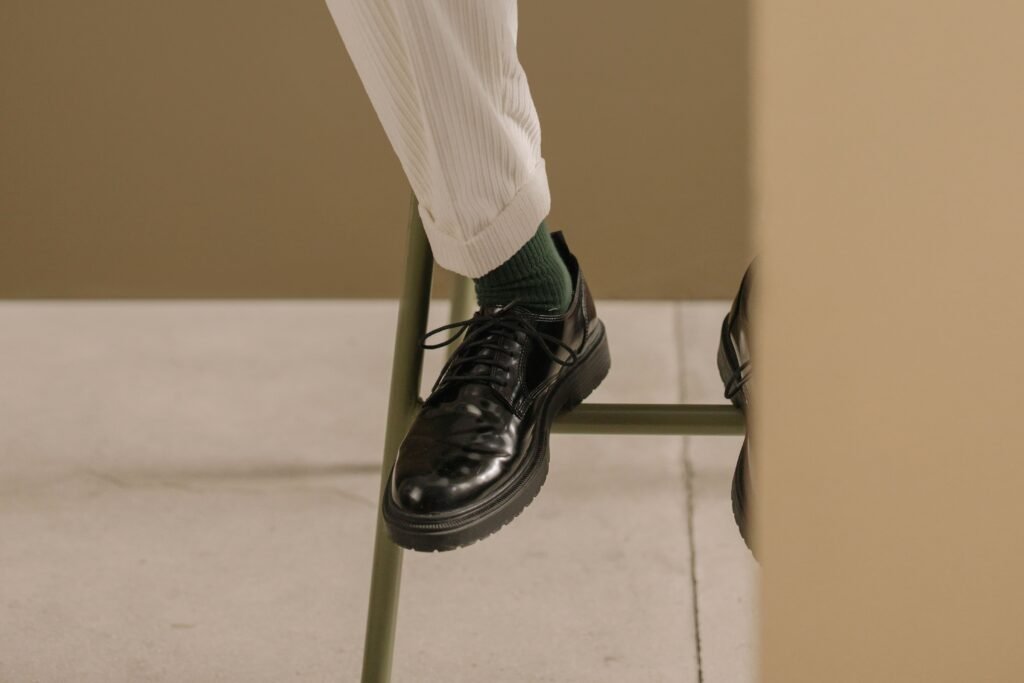
Worn heel blocks and thinning soles change how you walk before they become obviously visible, and leather uppers crease permanently once the structure goes. Welted shoes can be resoled repeatedly for a fraction of replacement cost. Cemented construction cannot, which is worth knowing before you buy.
About the Author


