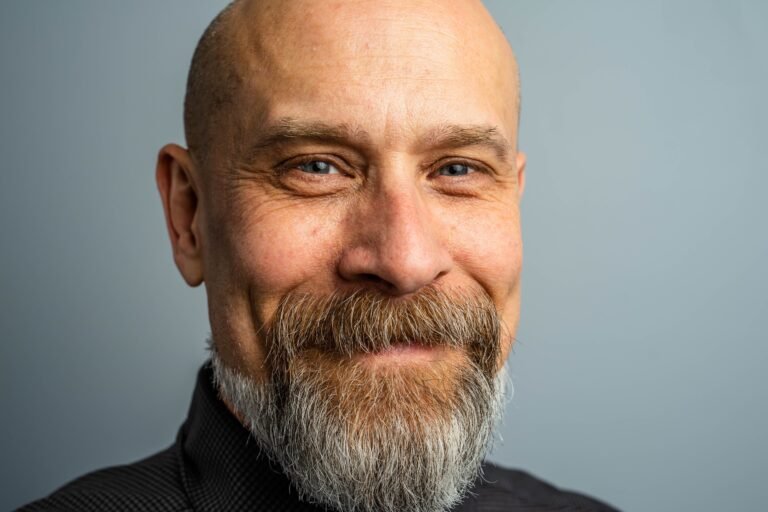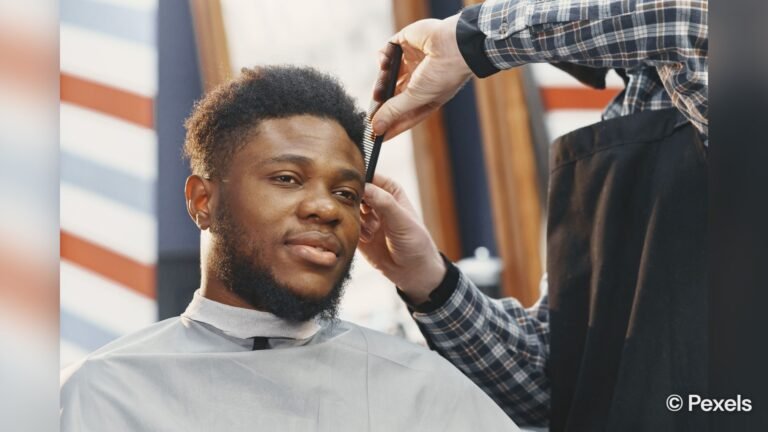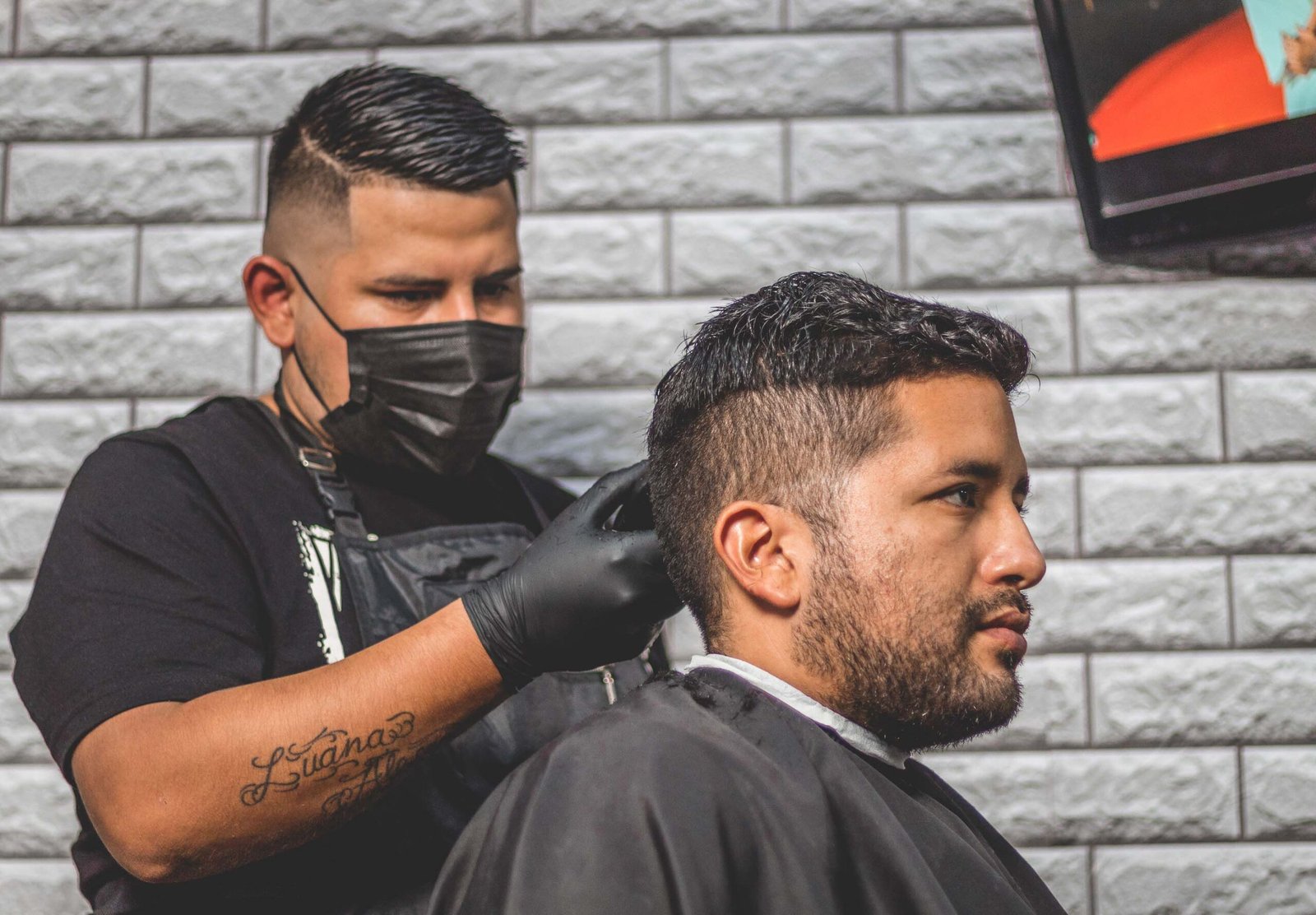
Nearly all haircuts named have an origin and some of them are not as people think. One is named after a girl whose hair wasn’t like that. Another one was named almost 20 years after the style reached its peak, after a rap song. Here are 10 of the most familiar male hairstyles, the first people to wear them and the reason behind their nicknames.
The Pompadour
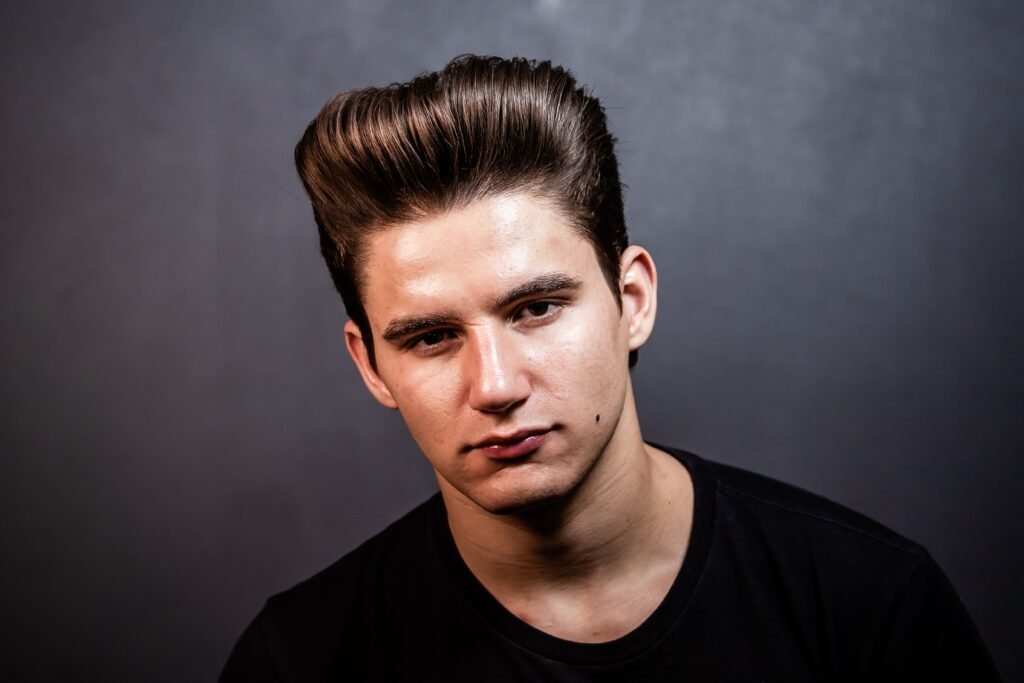
The style was named for Madame de Pompadour, favorite mistress of Louis XV, but she wore her hair swept back, not piled up, and it bears little resemblance to hers. The name was given in the twentieth century. It was changed from a women’s style to men’s and became iconic in the 1950s when it was performed by Elvis Presley.
The Crew Cut
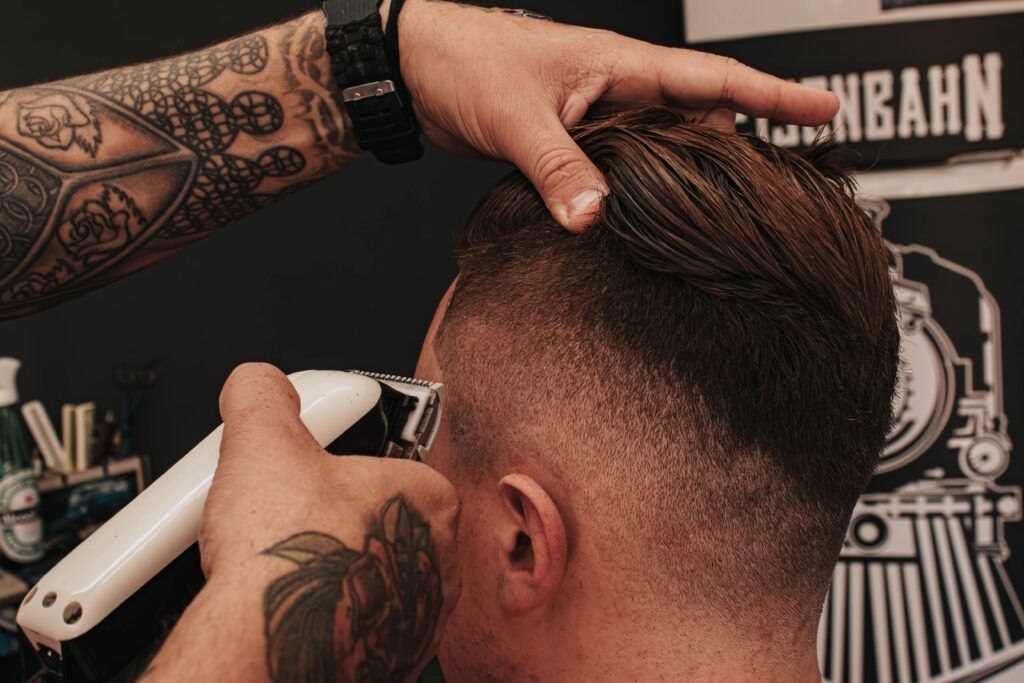
It began with practicality. The crew named the cut for the rowers who were at Ivy League universities in the 1910s and 1920s who cut their hair short so it wouldn’t get in the way during races. The neat uniform appearance was copied by classmates and got beyond the confines of the boathouse.
The Buzz Cut
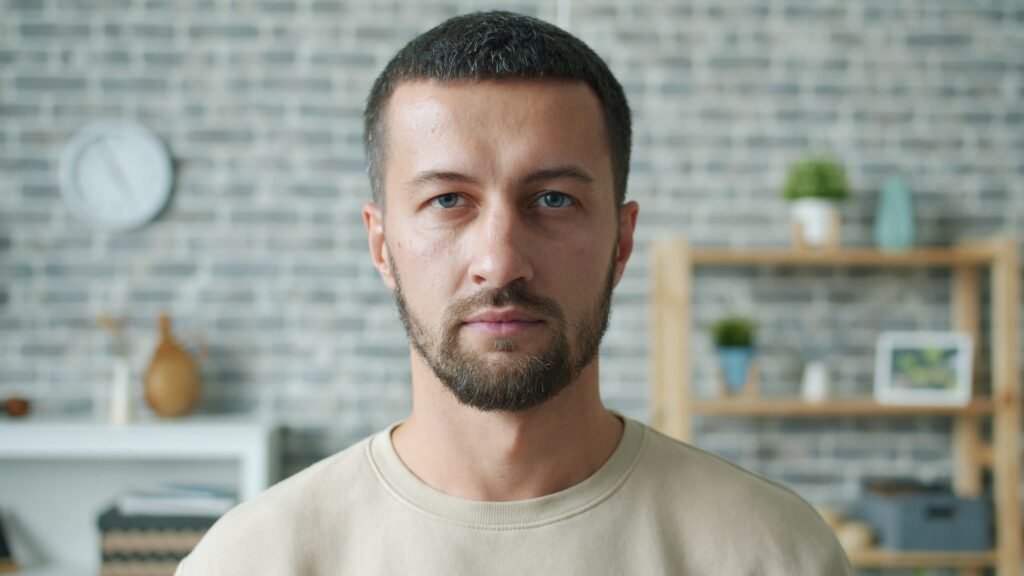
Military grooming standards produced it, and the induction cut given to new recruits is its strictest form. There is no shaping and everything is removed at the same clipper length. It’s a long-lasting hairstyle because it grows out evenly, doesn’t need any product or style and does not require the barber’s skill.
The Mullet
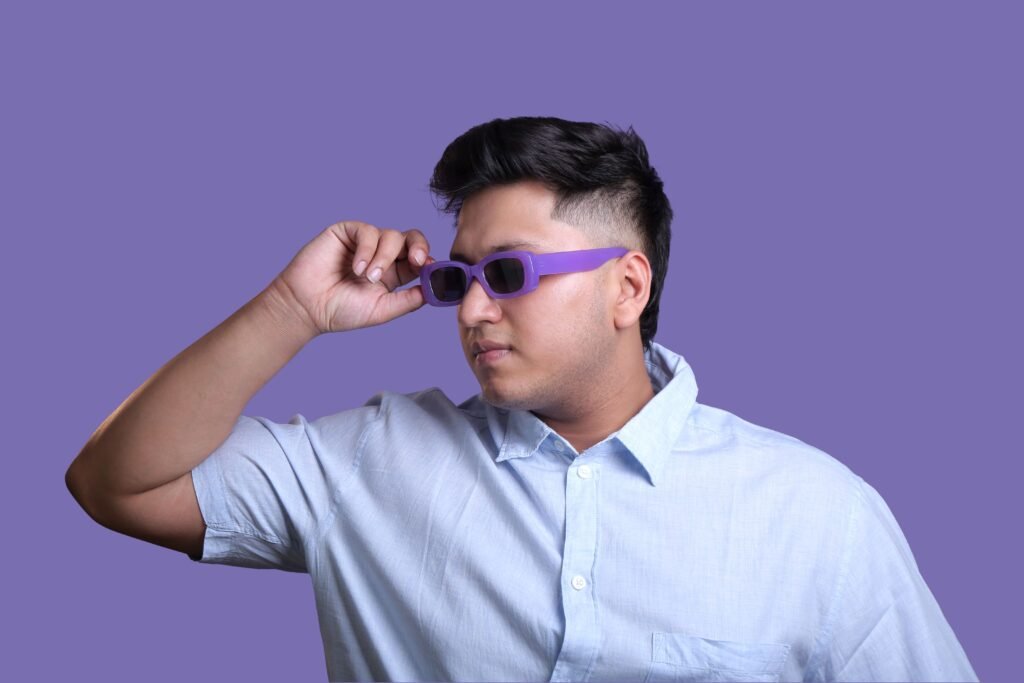
The style long predates the word. It was worn by David Bowie and Rod Stewart during the glam rock 70s, but no one used the word mullet. The Beastie Boys are the creators and popularizers of the term in their 1994 song Mullet Head in the Oxford English Dictionary.
The Hi-Top Fade
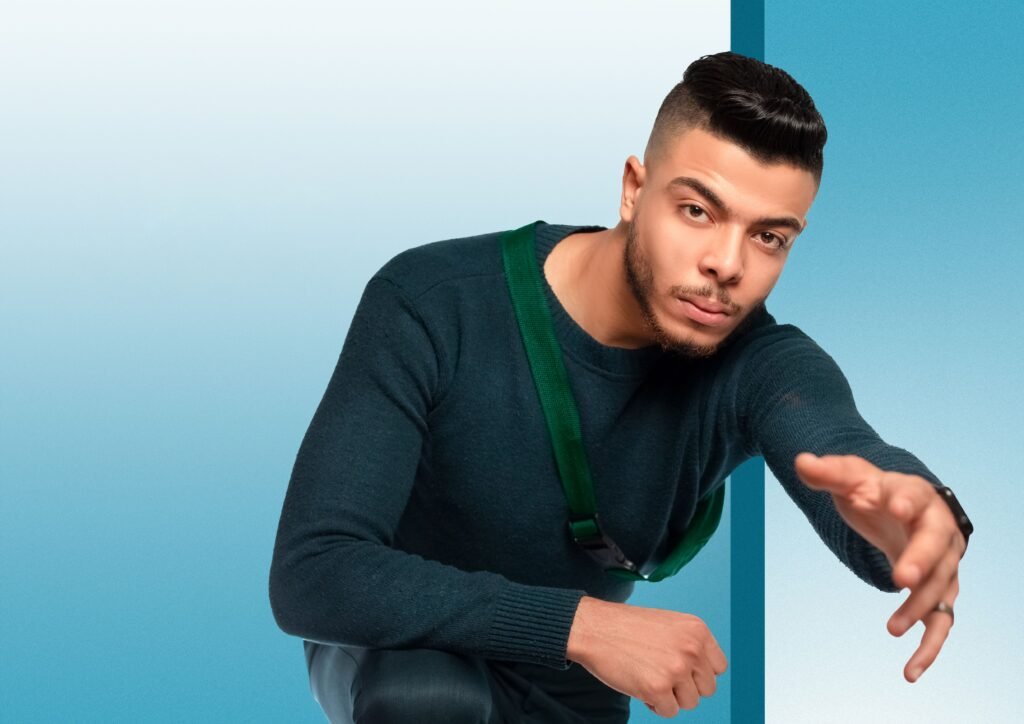
The fade grew out of mid-century military grooming and was reshaped into something architectural in Black barbershops in the 1980s. The hi-top took it vertical. Among its pioneers is Grace Jones, and during the hip hop golden era, it was a mark of hip hop’s very hip hoppers, Big Daddy Kane, Rakim and Kid ‘n Play.
The Afro
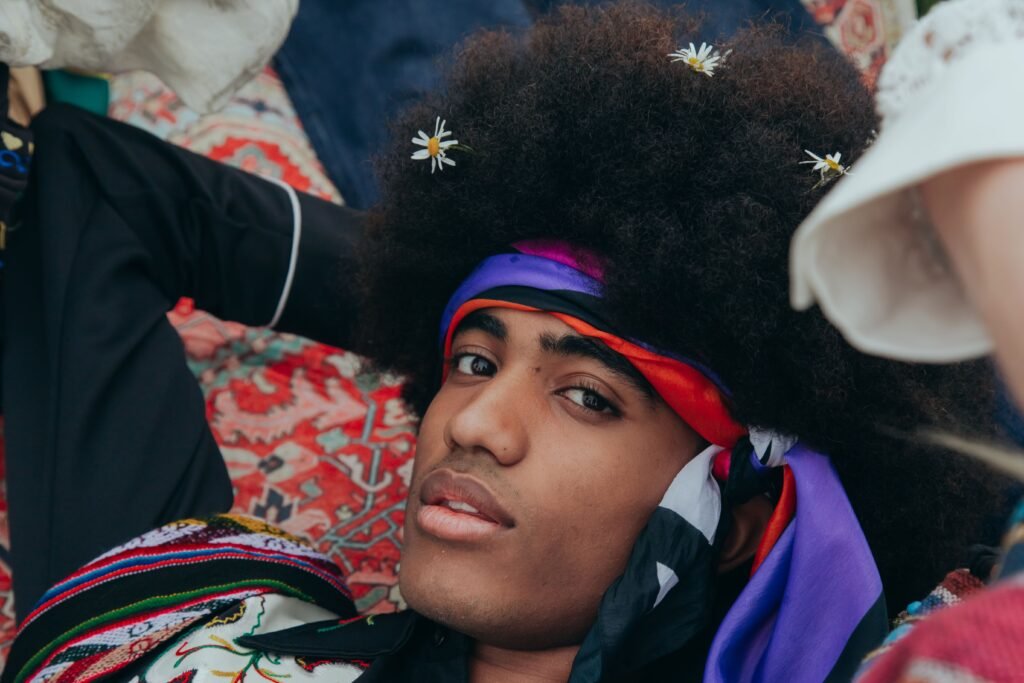
The afro was a conscious choice, not a fad, and was later connected with the black pride movement of the 1960s and 1970s. At the time, having hair of its natural texture as opposed to chemically straightened had clear political connotations, and since then, the trend has returned many times over.
The Caesar
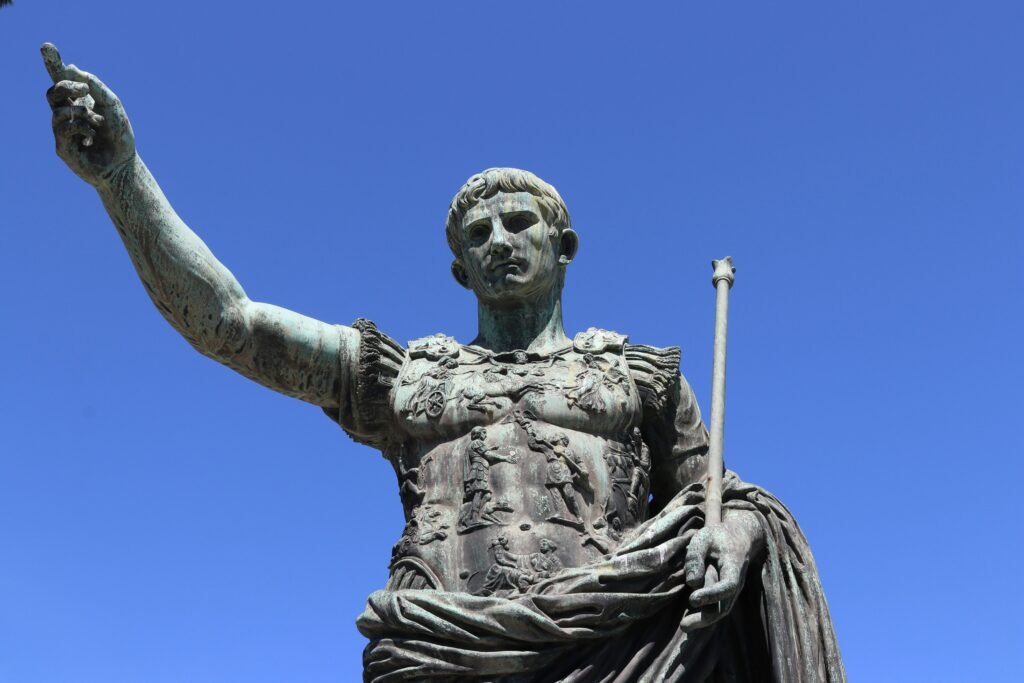
Named for the short forward-brushed fringe seen on Roman portrait busts of Julius Caesar, who is reported to have worn his hair that way partly to disguise a receding hairline. It returned in the 1990s largely through George Clooney’s run on the television drama ER.
The Undercut
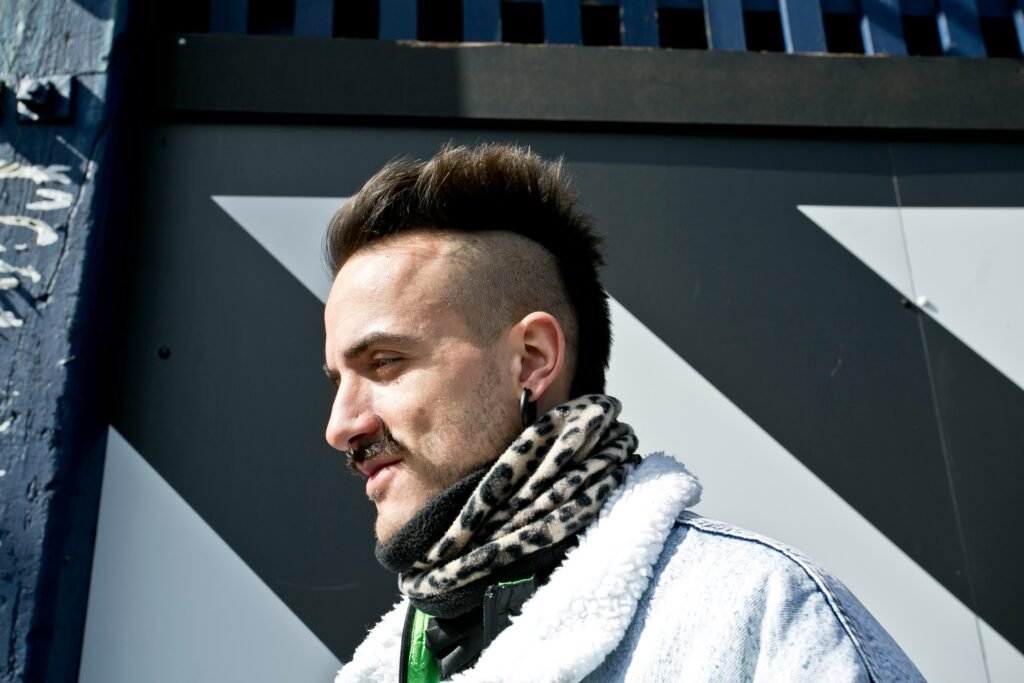
Short or shaved at the back and sides with disconnected length on top, it was common in the early twentieth century before falling out of favour. It returned forcefully in the 2010s, helped along by period television dramas, and became one of the defining men’s cuts of that decade.
The Mohawk
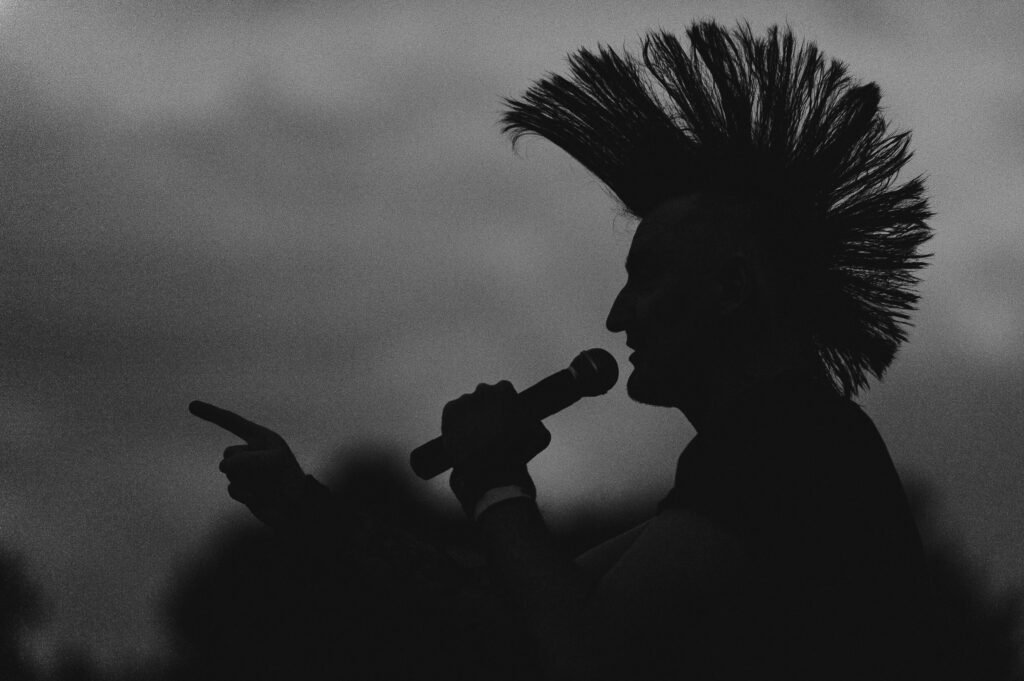
A narrow strip of upright hair with shaved sides, named after the Mohawk people, though historians note the style is more accurately associated with the Pawnee. It was adopted by the punk movement in the 1970s specifically because it was confrontational and difficult to wear in ordinary employment.
Curtains

A centre parting with the length falling either side of the face, defining boyband and teen film aesthetics through the 1990s. Leonardo DiCaprio and the era’s pop groups carried it into every bedroom wall poster of the decade. It has returned periodically ever since, usually with a shorter and messier finish.
About the Author