
Every closet holds a quiet truth: the best pieces aren’t the ones that arrived trending. They’re the ones that fit right and last. Fast fashion has convinced us that clothing is disposable, that this season’s bargain replaces next season’s budget. But when you own a well-tailored shirt, you understand something different. It performs, it lasts, and it actually costs less over time. This article explores why craftsmanship and fit matter more than chasing trends, and how a single quality garment can reshape your relationship with your wardrobe.
The True Cost of Fast Fashion
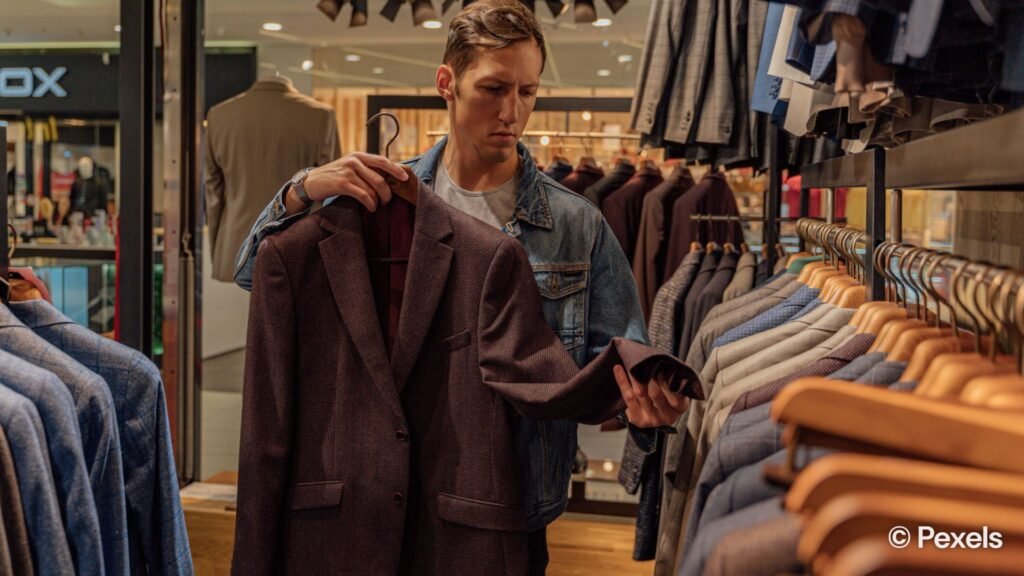
Fast fashion is defined by a simple principle: cheap, fast, and disposable clothing. Rationalizing the cost on the face of it is a fairly modest, typically under half a hundred dollars, but it doesn’t include the actual costs. If a $20 shirt is worn 5 times, its cost is $4/worn. Now that’s compared to a custom-made shirt that cost one hundred eighty dollars and is worn twice a week for five years.
How Tailoring Transforms an Ordinary Garment
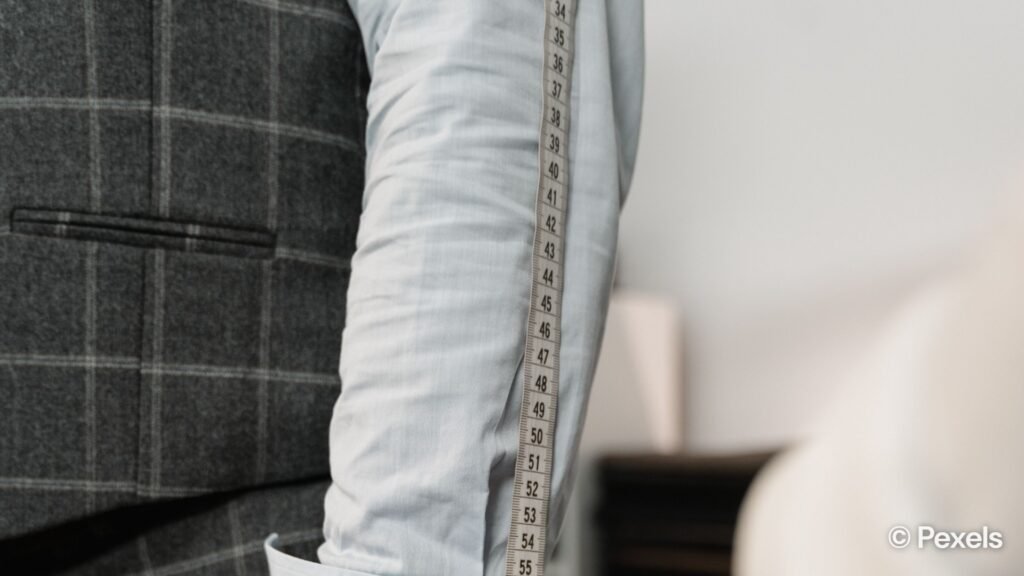
The difference between wearing a shirt and wearing a shirt that has been made for you is called tailoring. When people purchase clothes from the rack, they take what they get but with a tailor you can have the shoulder seams adjusted, the length of the sleeves, your collar and even the width of the body to suit your actual measurements. A well-fitting shirt should not show gaps or tend to pull, don’t go over the wrist bone, the collar should be flat and the hem should be at an even length.
Fabric Quality and Durability Matter
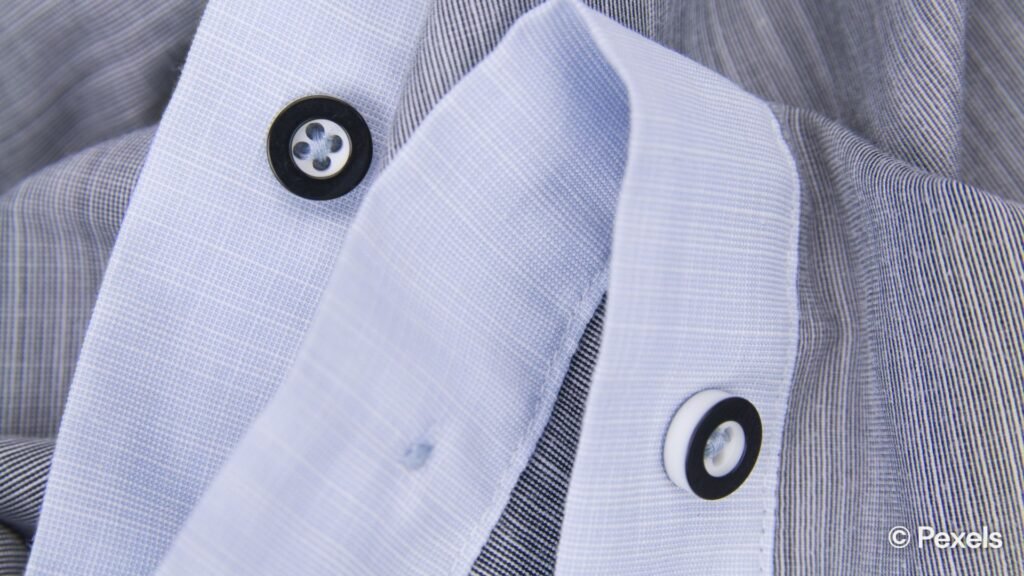
A garment’s longevity depends on its fiber content. Fast fashion uses thin cotton, synthetic fabrics and polyester blends that pill, fade and wear out rapidly. A good shirt is made of higher thread count cotton, linen or a quality blend that will soften over time but does not fall apart. High-quality fabrics stay coloured with several wash cycles, don’t require wrinkling and take on character over time.
Versatility and Wardrobe Efficiency

A well-fitting, neutral-colored shirt is an essential part of the closet, not just for one season. On casual days, wear it with jeans, on sweater days wear it under sweaters or on trousers days wear it for professional work, on weekend days roll up sleeves for casual look. This versatility extends to the work it can do one high quality garment can do the job of three or four fast fashion garments for each trend or occasion. By styling a wardrobe around these versatile pieces, you’ll end up with less stuff and will save money and avoid the feeling of decision fatigue. Your closet gets smaller, but it’s more functional, and it’s not a bunch of impulse buy trends that can’t go together!
Environmental Impact and Personal Responsibility
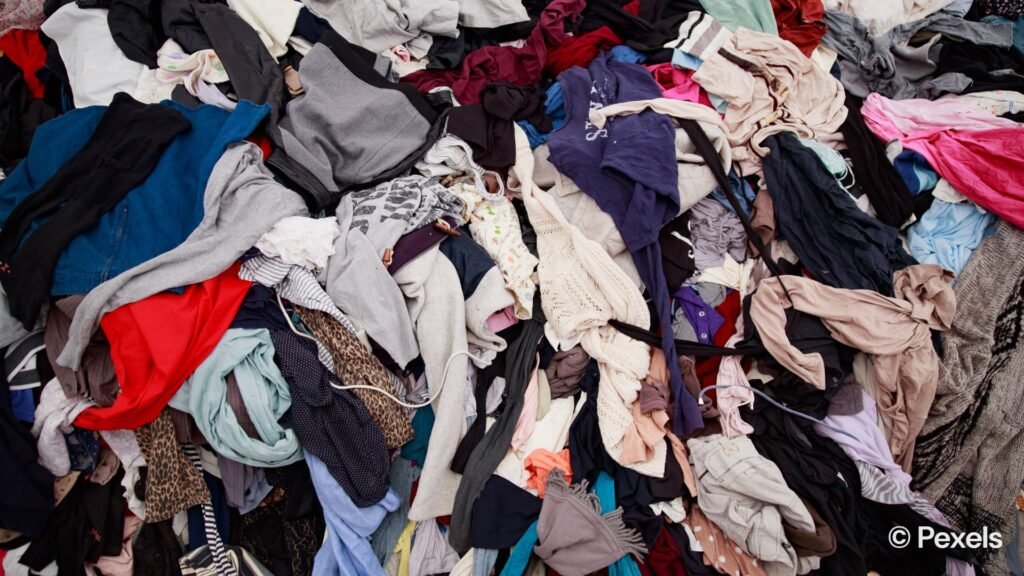
About ninety-two million tons of textile waste is produced each year by the clothing industry, where large quantities originate in fast fashion. Wasted resources, water consumed during manufacturing, and emissions from transportation represent each piece thrown away of cheap clothing. One of the results of investing in a tailored shirt that will last for many years is that you don’t need to go on buying replacement shirts because of that which directly reduces the contribution you make to that waste stream.
Building a Signature Style

While the belief that constant reinvention via chasing trends is the key to fashion success, it actually comes at a cost of a lack of style. Once you wear clothing that flatter your body type, your coloring, and your lifestyle then you start to develop a signature style. You know which looks make you look good, which colors you prefer before you, and/or which items you really grab onto. This is the awareness of oneself, and the basis for an intentional, not chaotic wardrobe.
How to Transition From Fast Fashion
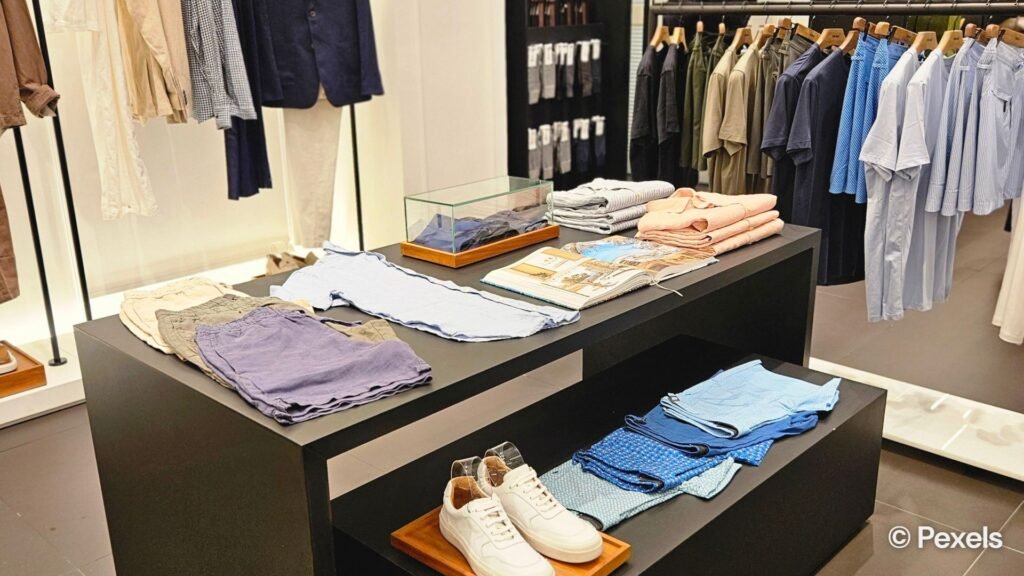
It’s not a huge amount of money that you need to invest in getting a quality wardrobe going. Choose one or two neutral shades that complement the colors of your skin and the clothes you are wearing, and buy a good-fitting, good-quality shirt in that colour. Wear it enough to see if it becomes a staple, add a second quality piece. This slowly phased in process means you won’t suffer from buyer’s remorse and will have the time to see what works and doesn’t work for your body and lifestyle.
The Psychology of Ownership
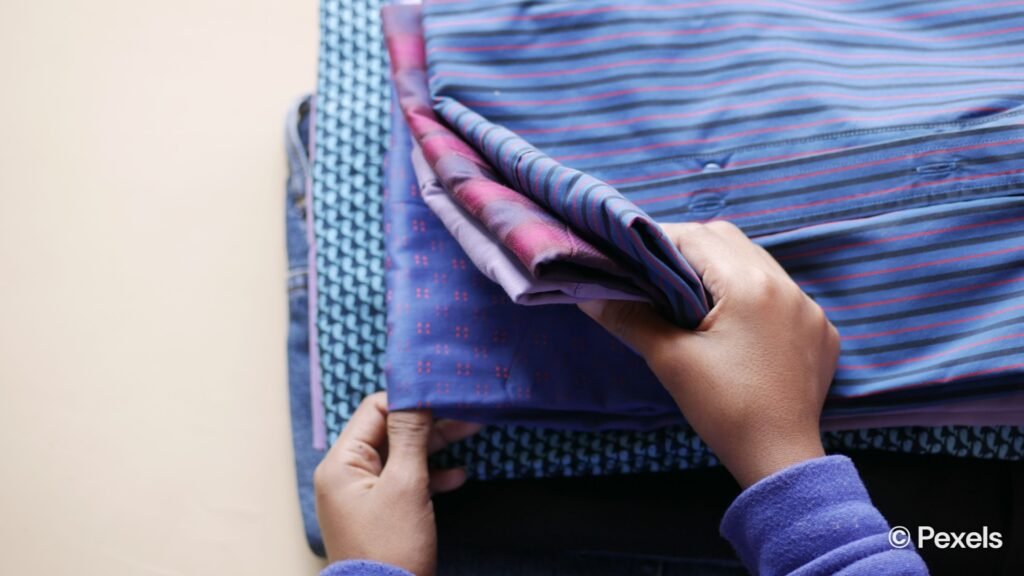
When you have decent clothes, it’s a change in your mindset that comes with it. A shirt that fits well, is not cheaper than $0.99, and costs $80 is treated differently, more thoughtfully, and is never “used up. This respect of the garment sometimes goes so far as to take care of it well, to wash it gently, to store it well, and to keep it longer. On the other hand, fast fashion is about disposability from the first day, thus T-shirt is never taken care of the way that would have lengthened its life.
Making the Investment Today
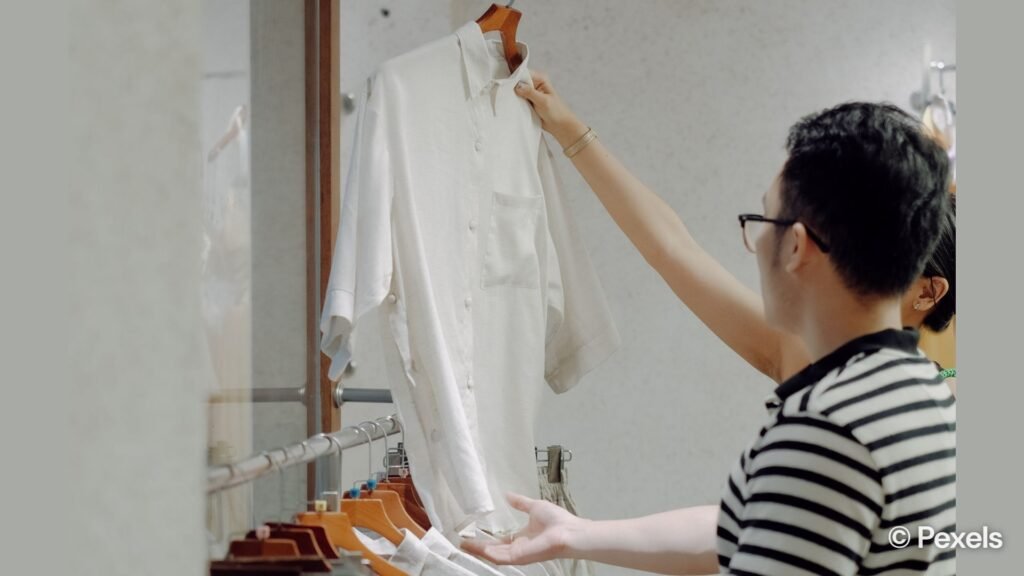
Actually, the options of fast fashion and high-quality, made-to-order garments are not complicated when you take a closer look at the numbers and the effect. A single good-fit, good-quality shirt will save you money over five years in comparison to having a number of replacement shirts as it will look better on your body, will provide better manufacturing practices, and provide you more outfit options with less outfits. It means that investment in the tailoring is necessary and a bit of an upfront costs but they both benefit you instantly.
About the Author


