Price tells you very little about durability. A cheap jacket can outlive an expensive one, and the difference is usually visible on the rail if you know what to look at. Every check below takes a few seconds in a changing room and none of them involve taste or trends. Here are ten things to inspect before you hand over any money, and what each one tells you about how the garment was actually built.
Read the Composition Before the Price Tag
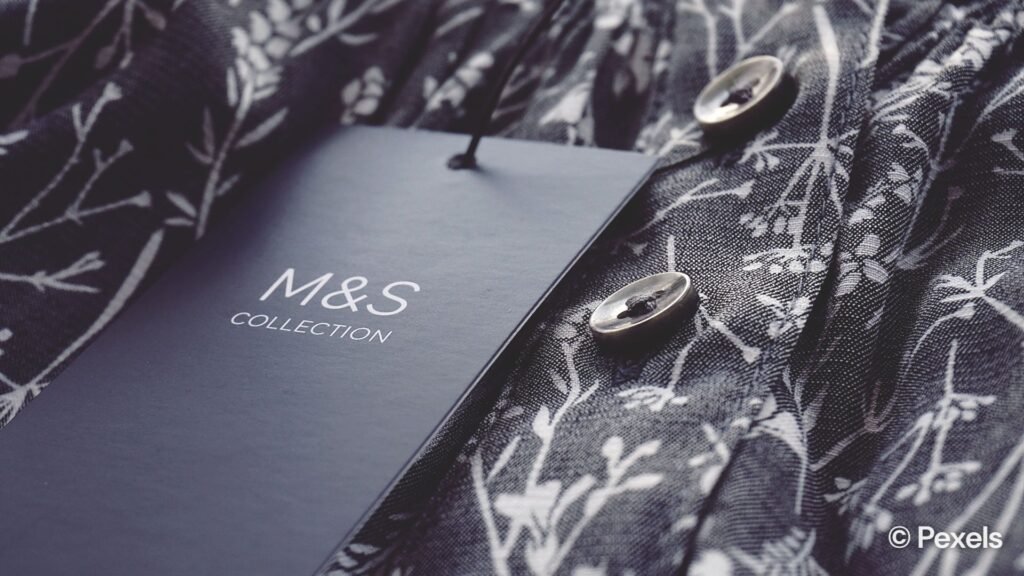
The label lists every fibre by percentage and it is the single most informative thing on the garment. Elastane gives stretch and degrades fastest, so a high percentage in trousers means they will bag out. Small amounts are fine. Blends are not automatically worse, but you should know what you are buying.
Hold It Up to the Light
Thin fabric shows immediately when backlit. If you can see your hand outline through a non-sheer shirt, the fabric is too light and will wear out quickly at elbows and seat.
Count the Stitches
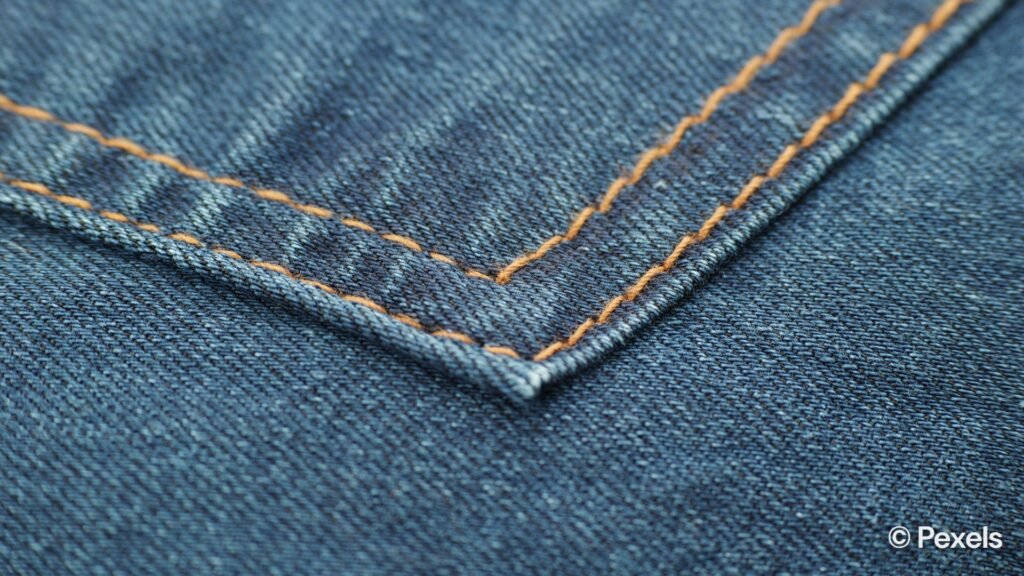
Look along a straight seam and estimate stitches per inch. Eight to twelve stitches per inch indicate quality construction; fewer stitches lead to faster sewing, but weaker seams under tension.
Turn It Inside Out
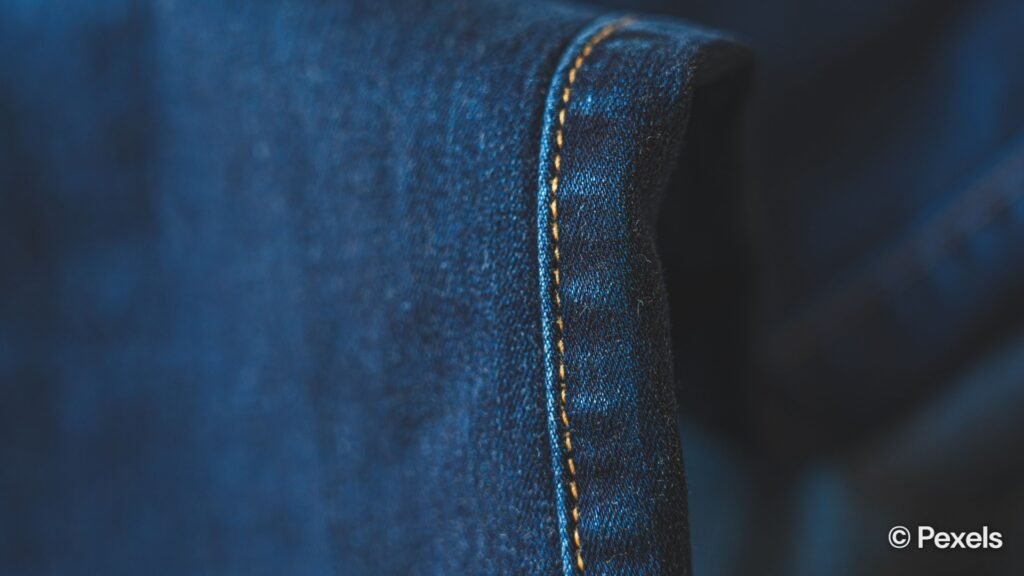
Look at how the raw edges are handled. Overlocked edges are standard and acceptable. Enclosed seams, where the raw edge is folded inside so nothing frays, indicate a much higher standard and appear mostly on shirts and better tailoring. Loose threads everywhere indicate rushed finishing.
Check Whether the Pattern Matches
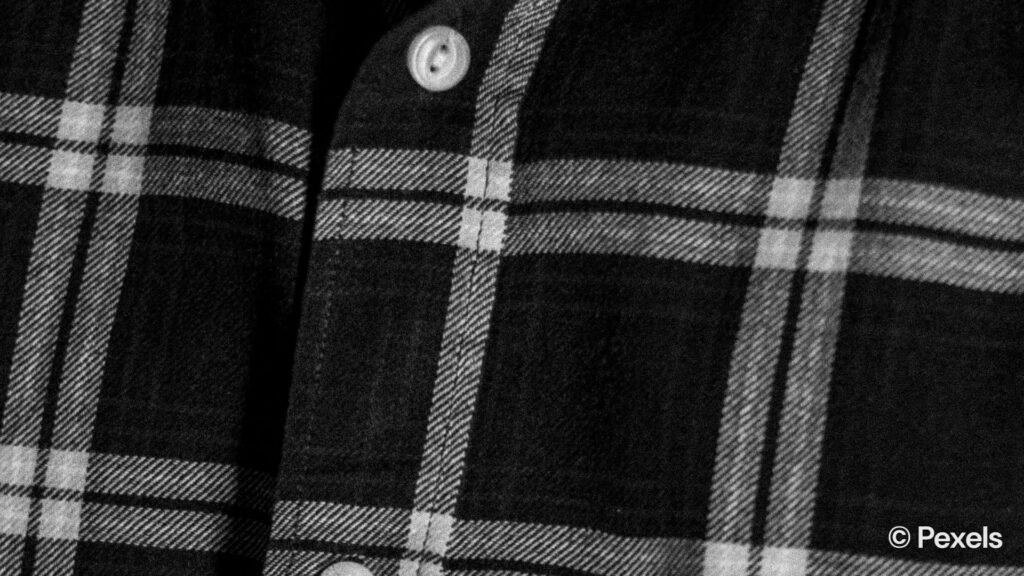
On a striped or checked garment, look at where two panels meet at a seam, especially at the front pockets and the shoulder. Aligned patterns require cutting more fabric and more careful work. Manufacturers who take that trouble are usually taking trouble elsewhere too.
Look at How the Buttons Are Attached
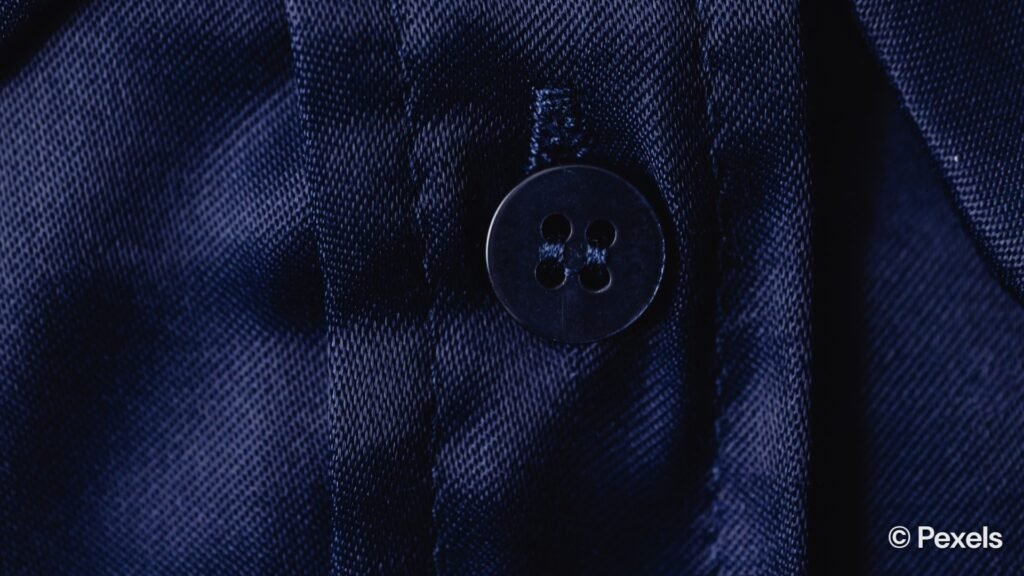
Buttons sewn with a shank, meaning a small stem of thread underneath, sit properly and survive. Buttons stitched flat and tight to the fabric strain and pull off. A spare button supplied on the inside seam is a small sign the maker expects the garment to last long enough to need it.
Test the Zip
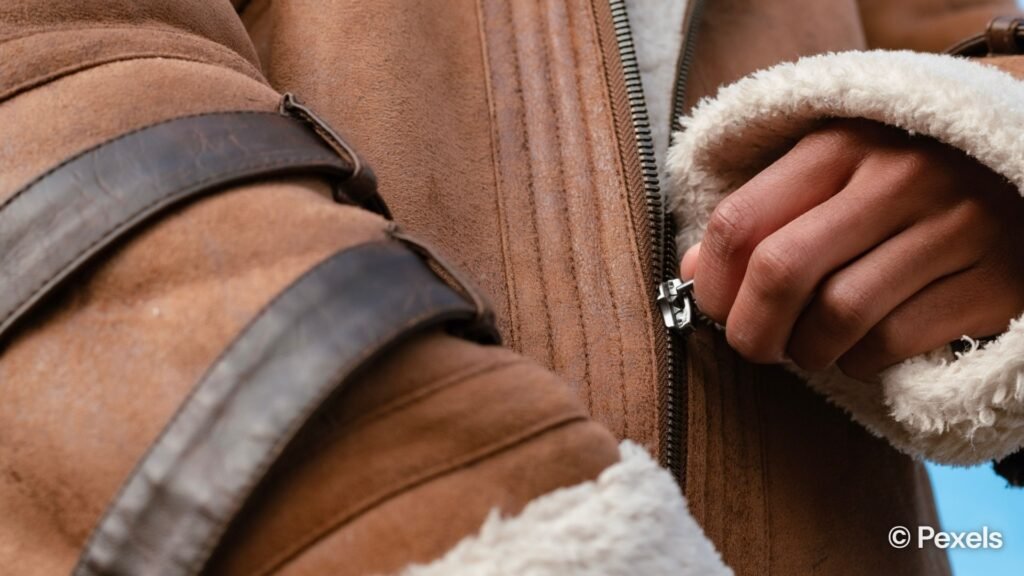
Run it up and down a few times. It should move smoothly without catching and the teeth should sit evenly. Branded zips generally last, and the name is stamped on the pull. A stiff or misaligned zip on the rail will not improve once you own it.
Squeeze the Fabric in Your Fist
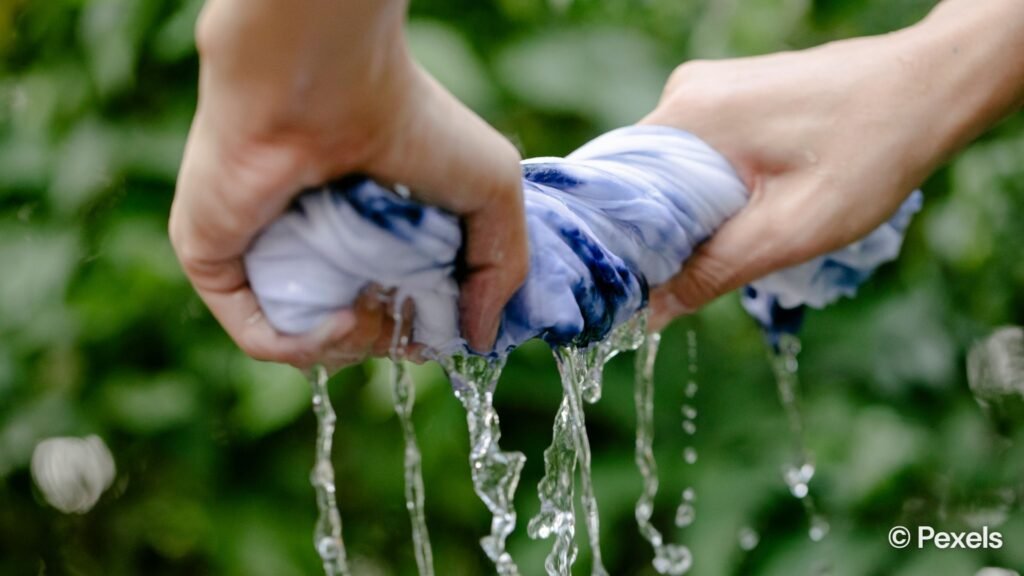
Fabric that stays deeply creased will crease all day on your body. This tells you nothing about durability but a great deal about whether you will actually wear the thing, which matters just as much.
Check How the Knitwear Was Made
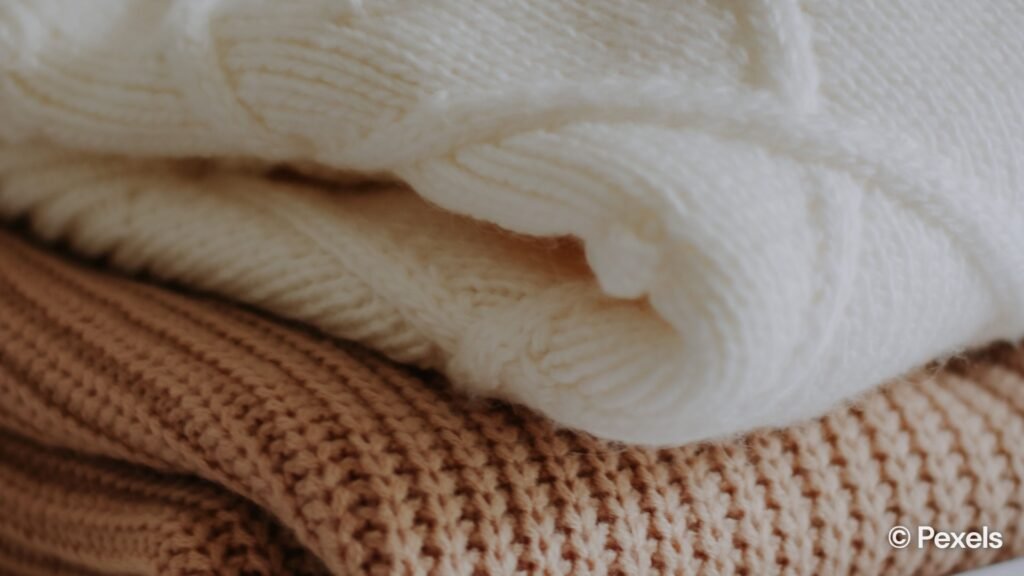
Fully fashioned knitwear is machine-shaped with seams marked; cut-and-sew is cut from fabric, resulting in raw, easily unraveling edges.
On Shoes, Look at the Sole Join
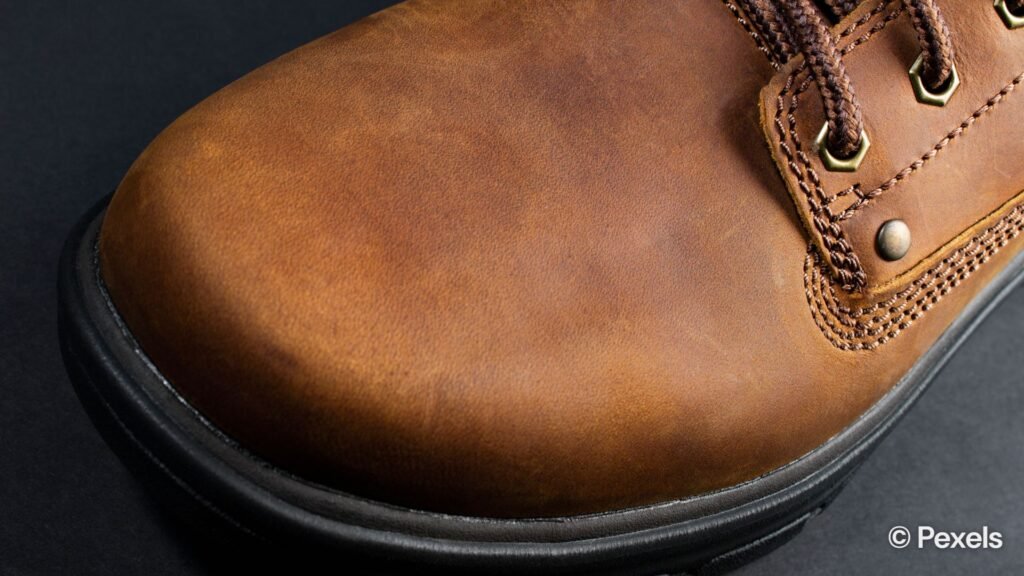
A welted shoe has visible stitching running around the edge of the sole, and it can be resoled repeatedly for a fraction of replacement cost. A glued sole cannot. That single detail determines whether a pair of shoes is a five year purchase or a one year one.
About the Author


