The development of men’s fashion during the past hundred years demonstrates a transition from strict formal clothing to individual fashion expression. The cultural atmosphere during each decade established different “uniforms” which evolved from heavy wool suits into modern tech-based materials and the classic male fashion styles demonstrate how men have gradually moved away from conventional fashion rules toward dressing for comfort and personal style.
The 1920s Great Gatsby Suit
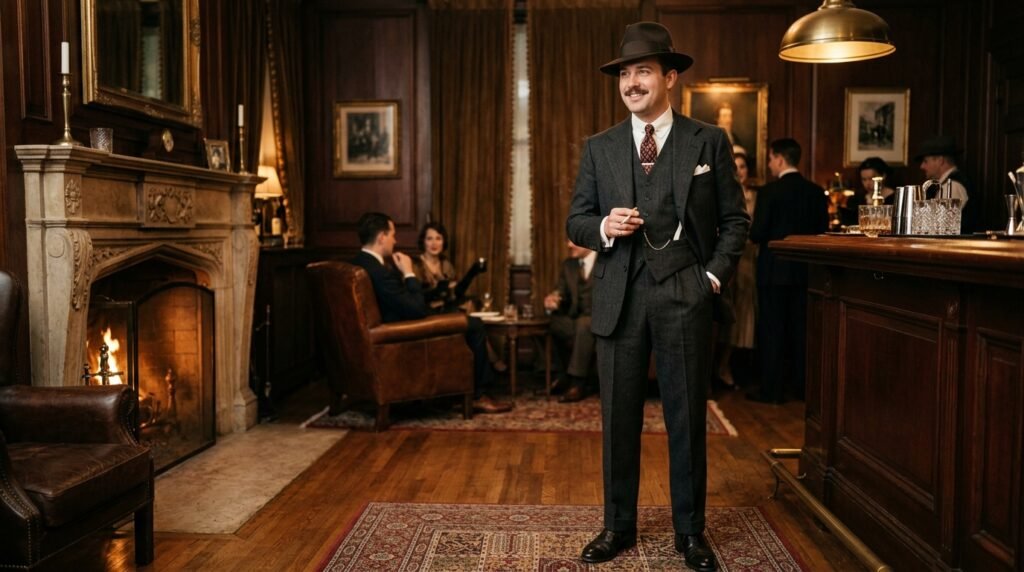
The men of the Roaring Twenties preferred three-piece suits which featured broad lapels and trousers that reached above the waist and the real-life figure F. Scott Fitzgerald brought this formal style to the public, which he wore with a proper fedora and a flat newsboy cap during his time at the racetrack.
The 1930s “Superman” Silhouette
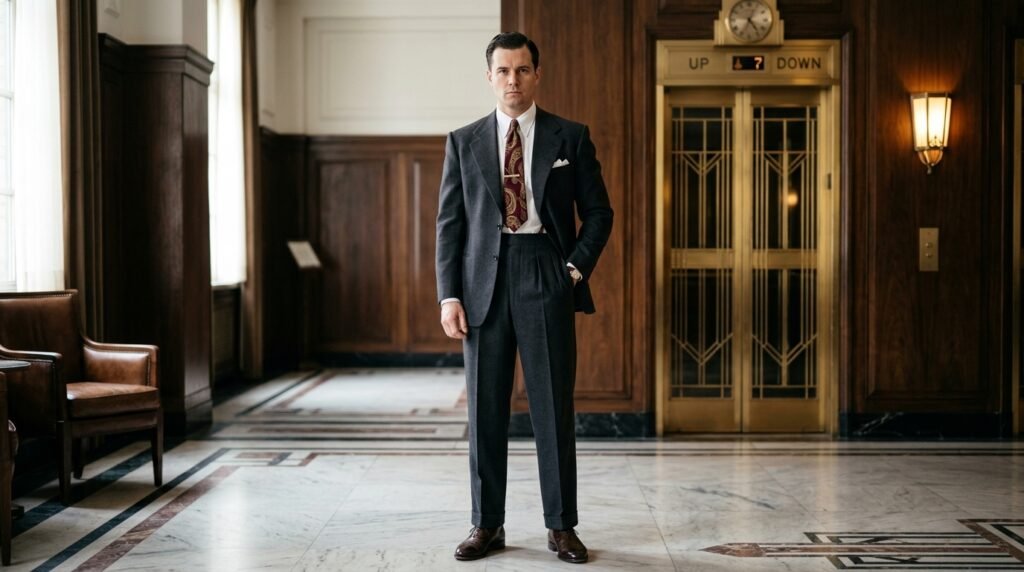
The film industry expansion required Cary Grant to wear jackets that had shoulder padding limits that created an athletic look. The Hollywood Golden Age established this “London Cut” as the worldwide standard of masculine fashion style.
The 1940s Zoot Suit
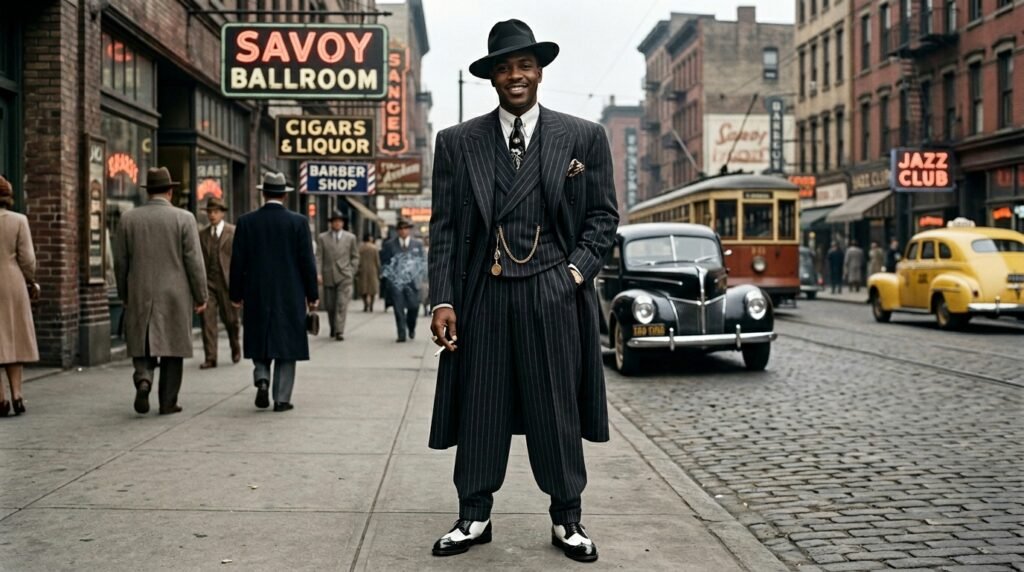
The Zoot Suit emerged as a bold cultural statement despite the existing fabric restrictions that applied during wartime. The design included large jackets and “peg-top” trousers which became narrow at the ankle after starting as wide legwear at the knee, which jazz musicians like Cab Calloway popularized.
The 1950s Rebel Leather Jacket
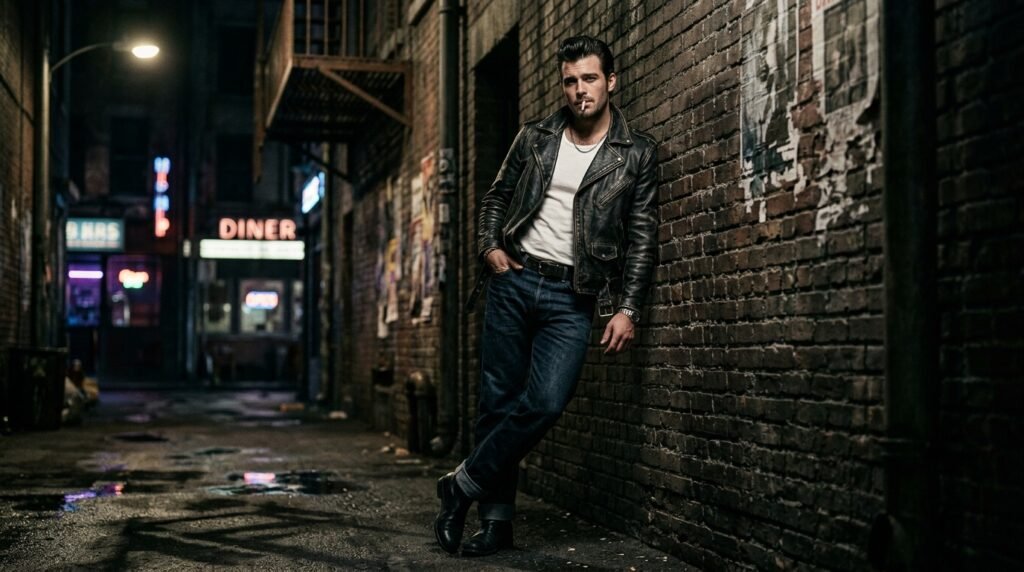
Fashion evolved to casual styles which became popular after the war. Marlon Brando and James Dean created the black leather motorcycle jacket and white T-shirt look as a style of youth rebellion, which still serves as an essential “tough guy” outfit today.
The 1960s Mod Slim-Fit
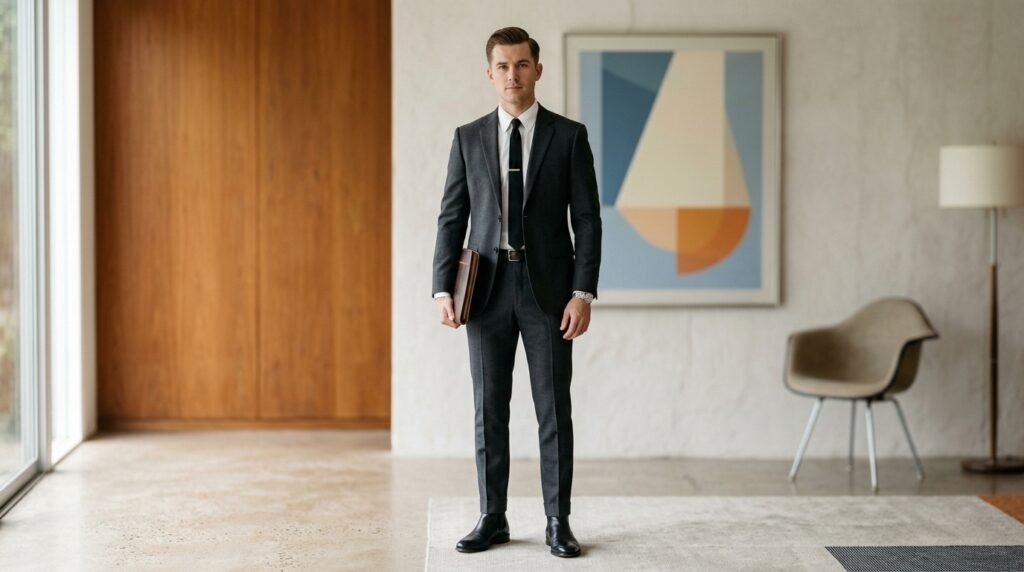
The British Invasion introduced the “Mod” fashion, which combined slim Italian suits with narrow ties and the Beatles represented the real-life example which showed people shifting from their fathers’ bulky fashions to modern thin fashion.
The 1970s Disco Flare
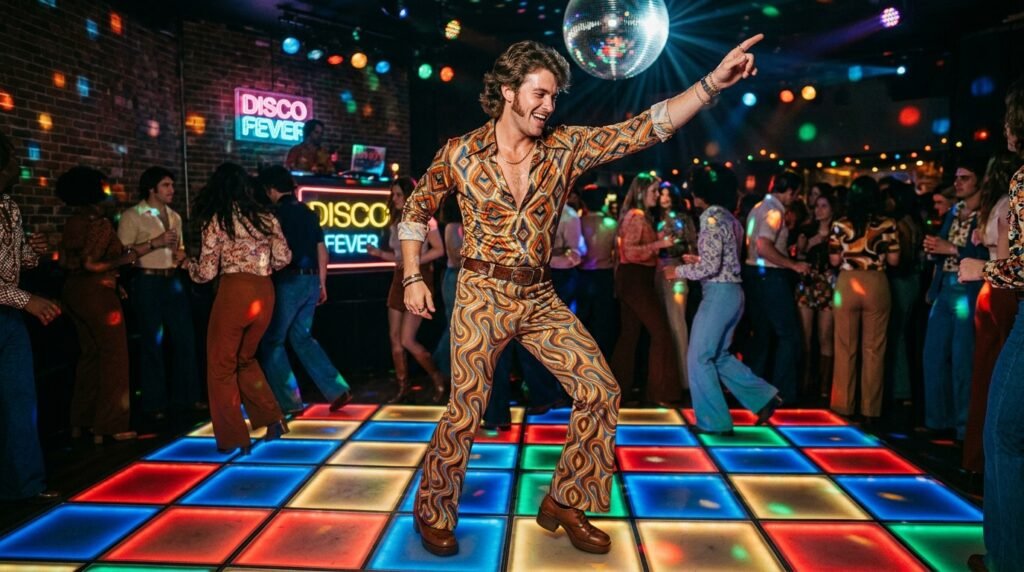
Fashion introduced eye-catching designs through its introduction of broad-collared shirts which combined with bell-bottom trousers and the period of John Travolta’s Saturday Night Fever white suit showcased the fashion trend which included high-waisted designs and vibrant patterns that filled the dance floor.
The 1980s Power Suit
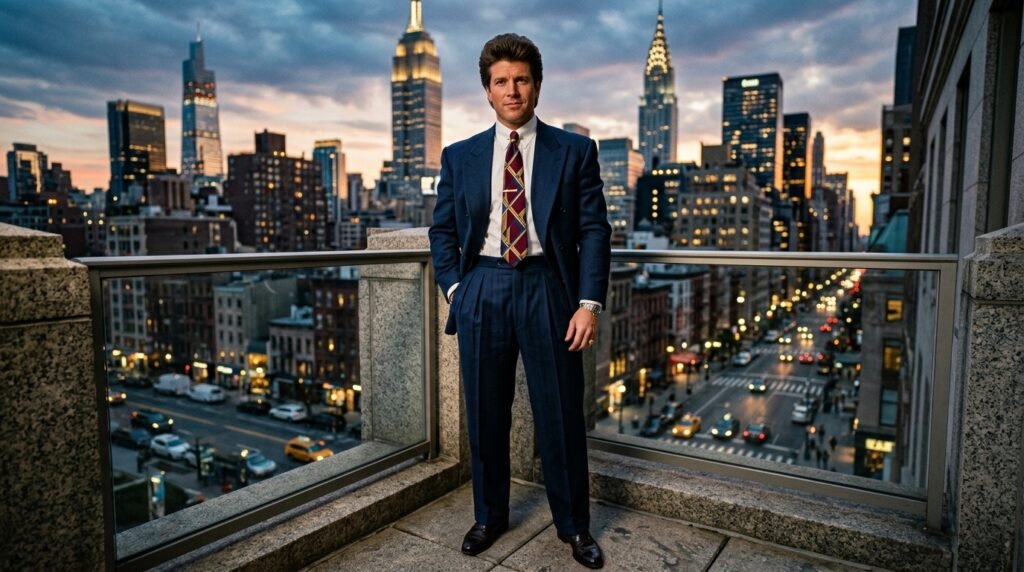
The Power Suit displayed enormous shoulder pads and free-flowing pleated pants, which represented the stock market boom of that time. Richard Gere’s American Gigolo outfits from Giorgio Armani created the standard of elite fashion that mixed sophisticated style with relaxed comfort.
The 1990s Grunge Flannel
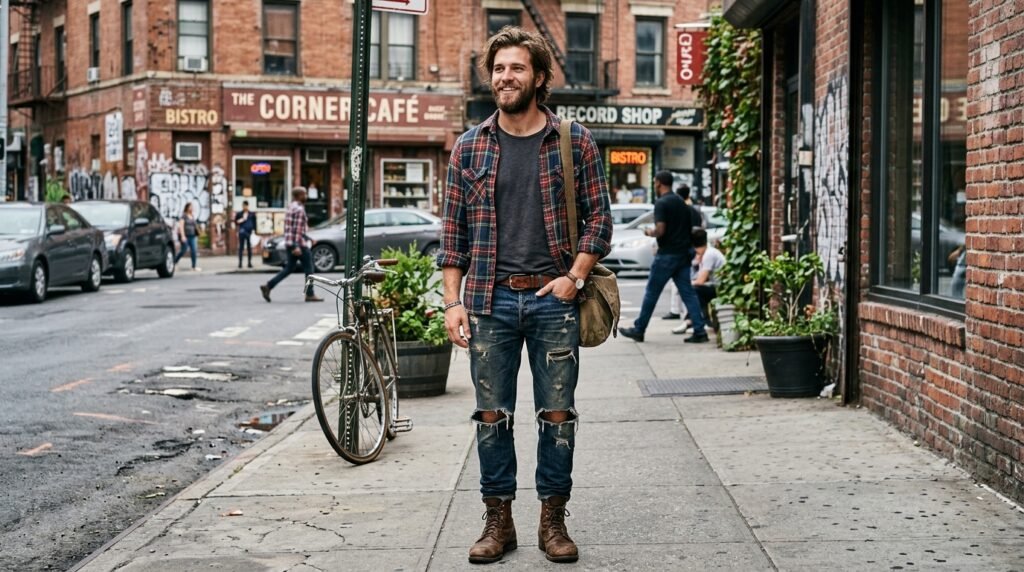
The 90s eliminated the extravagant fashions from the 80s, Kurt Cobain led men to adopt baggy flannel shirts with shredded jeans and military footwear and the anti-fashion movement aimed to achieve a natural state of authenticity through unrefined appearance.
The 2000s Tracksuit Era
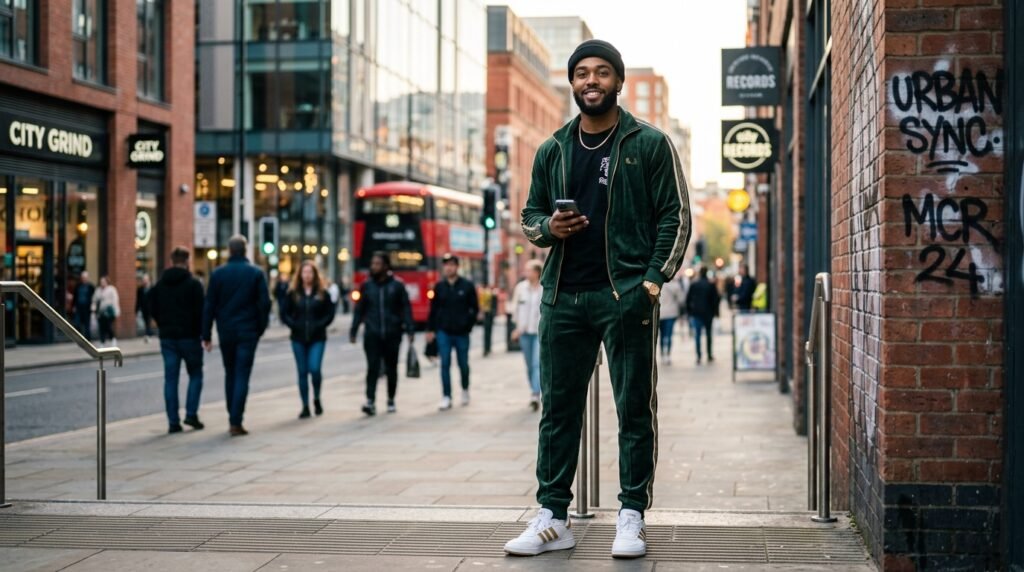
Hip-hop culture led to the mainstream acceptance of the velour tracksuit, Jay-Z and other business leaders established the fashion trend of wearing luxury sports clothing as regular outfits that combined comfortable design with street-style luxury.
The 2010s “Hipster” Heritage
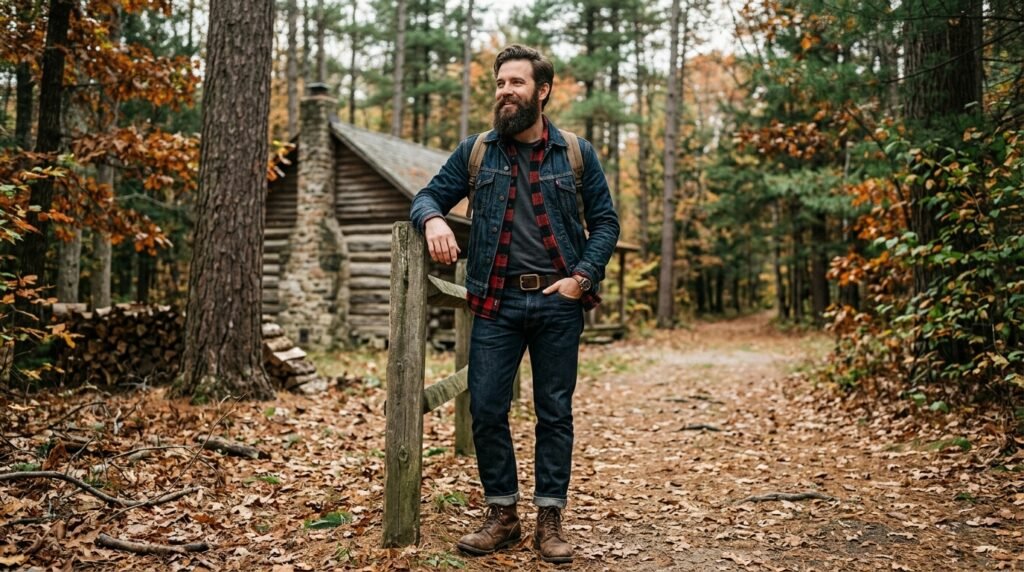
Men chose to wear vintage fashion, which included stylish beards and denim jackets and flannel shirts. The time period focused on heritage brands, which people wore with Red Wing boots to create a tough outdoor appearance.
The 2020s Oversized Comfort
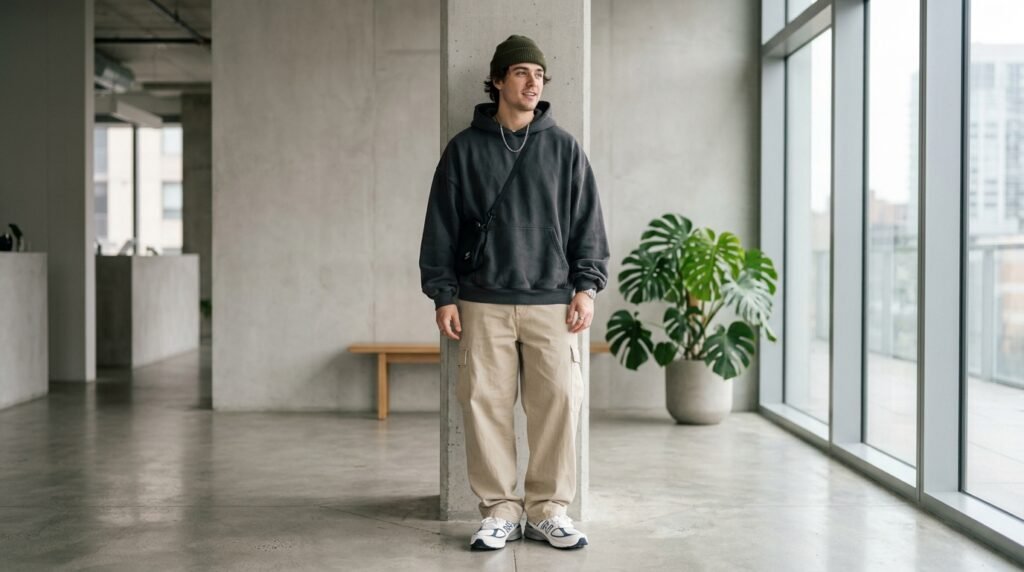
The contemporary fashion style features baggy clothing items which people wear with fabrics that feel soft and A$AP Rocky’s streetwear style leads men to select wide-leg pants and drop-shoulder hoodies, which they wear to create a relaxed style that avoids body-hugging clothing.
The 2026 “Tech-Luxe” Movement

The current fashion trend showcases upscale fashion which incorporates functional design elements. Men select performance blazers that resist wrinkles and waterproof sneakers that imitate formal footwear to achieve a combination of traditional elegance and contemporary design elements.
About the Author


