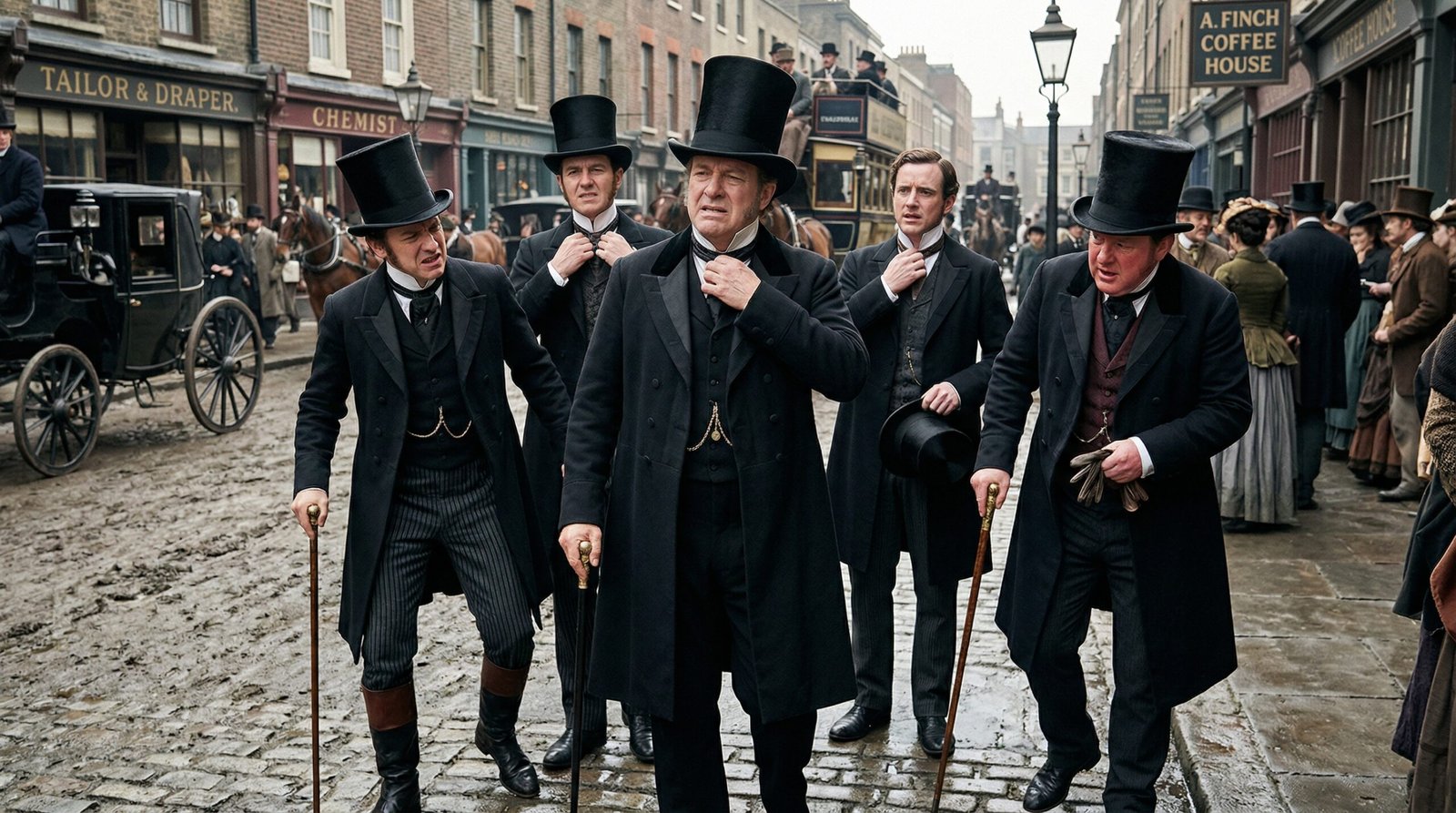
The social rules of Victorian men’s fashion required strict adherence from men who wore their clothing based on their social rank which took precedence over their personal comfort. The period appeared to be dull and solemn because all the daily duties required of a “proper gentleman” turned out to be difficult to execute while causing physical strain and presenting risks of bodily harm.
The Stovepipe Top Hat
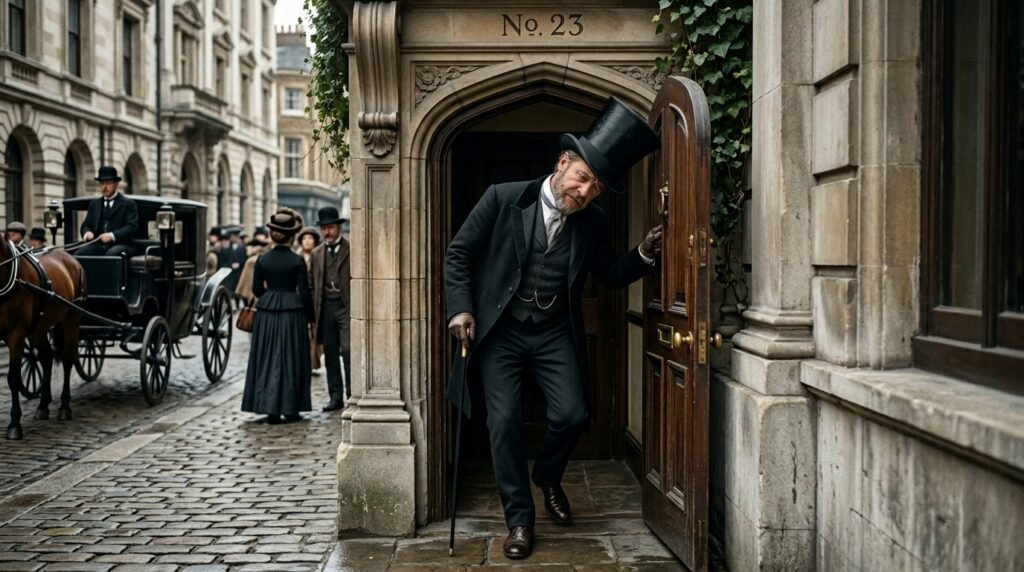
The height of a hat directly correlates with the wearer’s social rank. The tall silk cylinders required men to handle their height when passing through doorways or entering carriages because they obstructed safe entry yet they served as mandatory headwear for all outdoor formal events.
Detachable High Collars
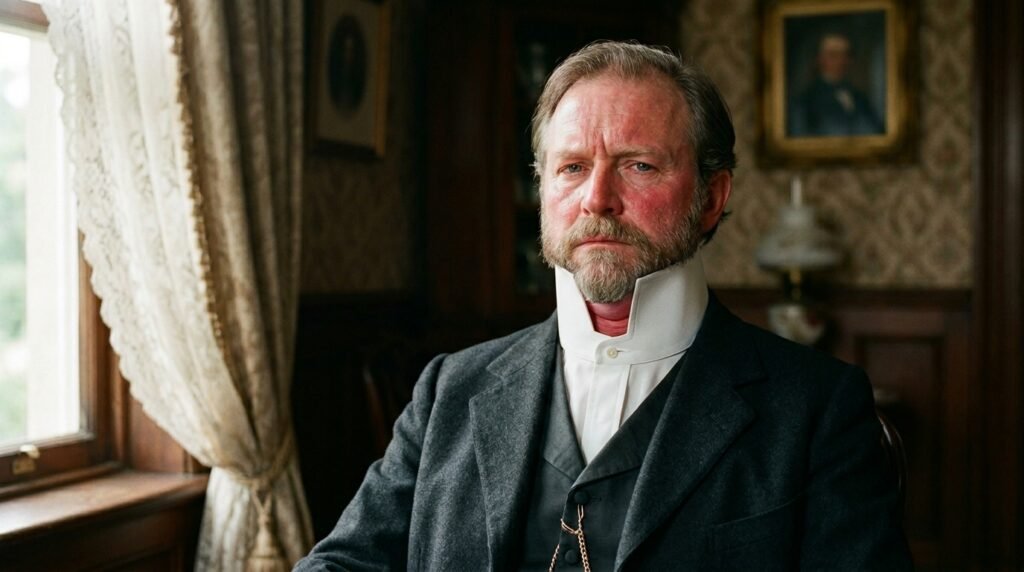
Men used detachable collars which featured a stiff design to reduce their laundry requirements. The starchy collars reached such heights that they blocked blood from reaching the face. People called them “father killers” because their design created extreme discomfort together with breathing restrictions.
The Frock Coat Cinch
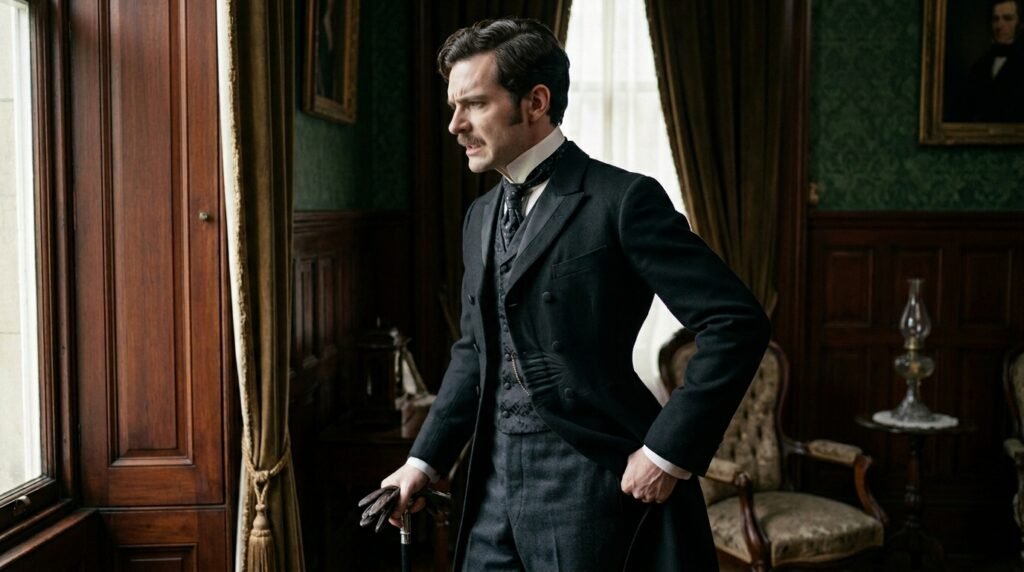
A gentleman was expected to have a slim, athletic waist. The men who wanted to create a “wasp-waist” appearance used tightly tailored frock coats and hidden corsets which they wore underneath their vests to reduce their midsection size at the expense of their ability to breathe.
Macassar Oil Gloss
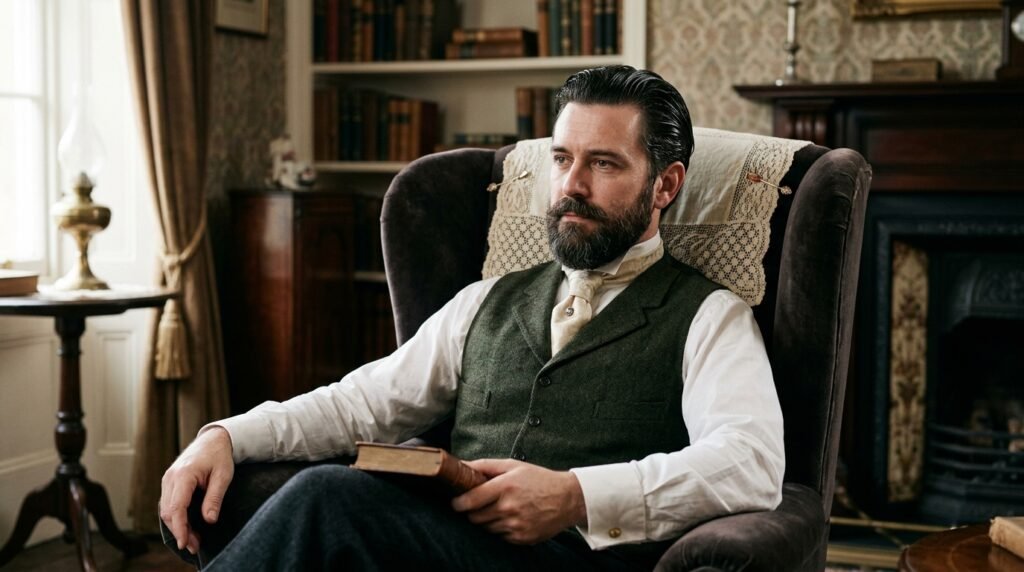
Men who sought sparkling hair results turned to thick oils which contained coconut and palm oil. The housewives experienced a messy situation because they had to secure “antimacassars” by pinning them to chair backs to stop oil from damaging their home furniture.
The Four-in-Hand Necktie
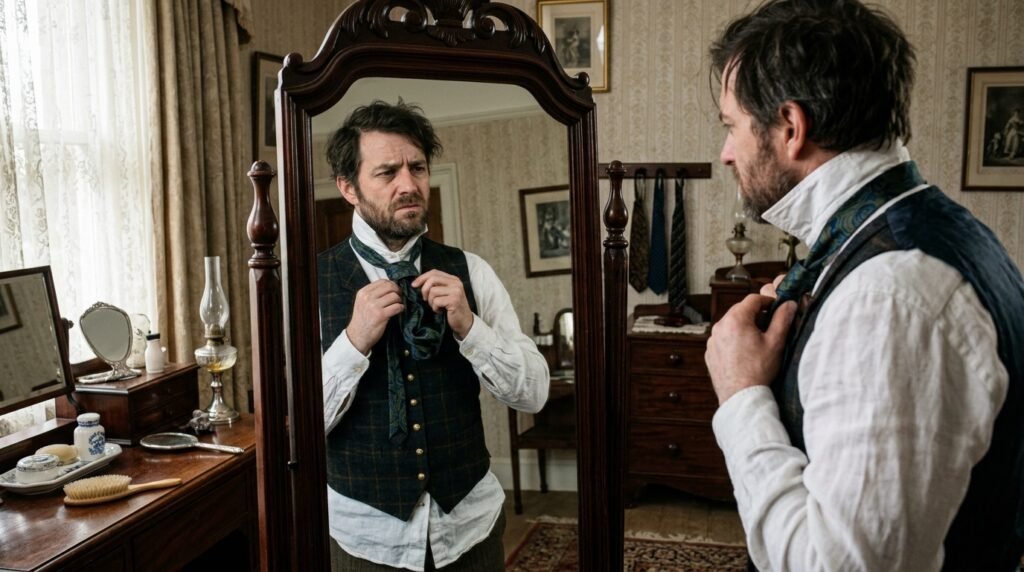
The first neckties required users to spend great time learning to tie silk wraps because they involved multiple complicated tying methods. A man’s crooked knot showed their poor character because they needed to spend hours practicing in front of mirrors to achieve correct knotting.
Mandatory Walking Sticks
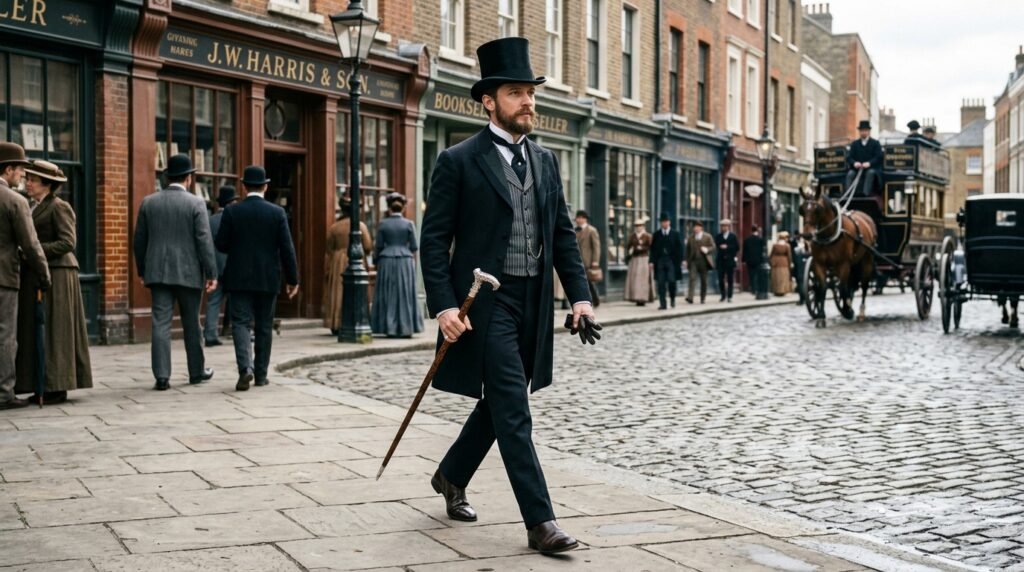
A man needed to have a decorative cane as an essential item because they could walk without any assistance. The handles which were made of silver and attached to exotic wood constructions functioned as decorative elements without any practical use.
High-Waisted Trousers
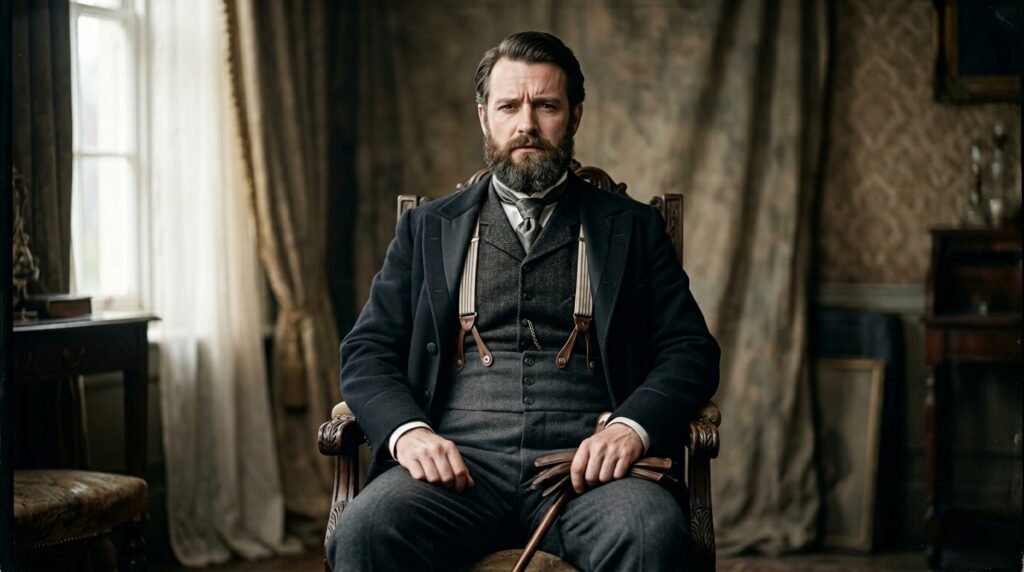
Victorian pants extended from the waist to the lower ribcage while modern ones rested at the waist and they used “braces” (suspenders) to hold their pants up because they thought that belts appeared too casual for a gentleman in high society.
The Albert Watch Chain
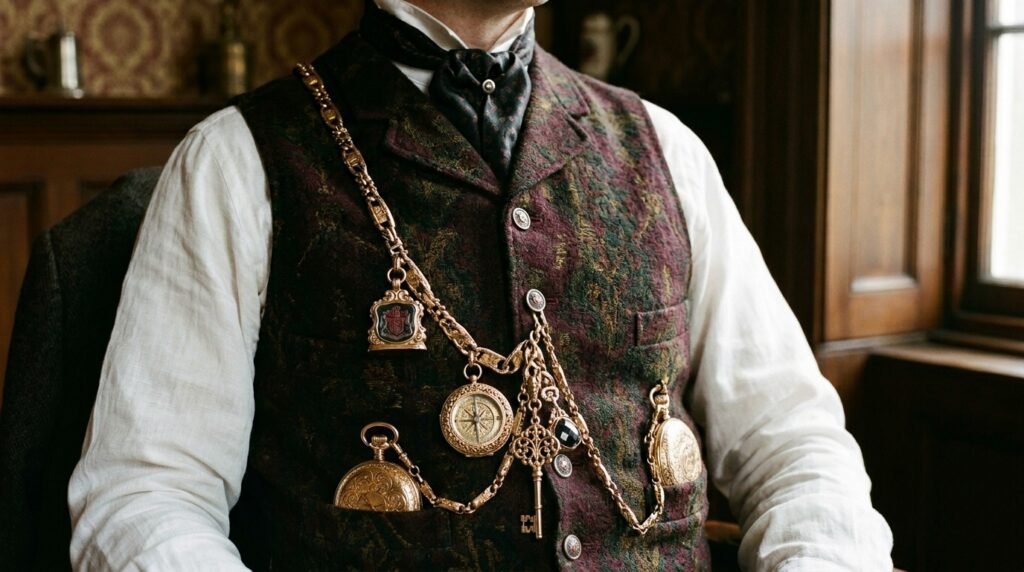
Prince Albert received the naming honor for these gold or silver chains which men wore across their vest to attach their pocket watch. The designs evolved into heavier and more decorative pieces which included multiple nonfunctional decorative fobs.
Spats and Gaiters
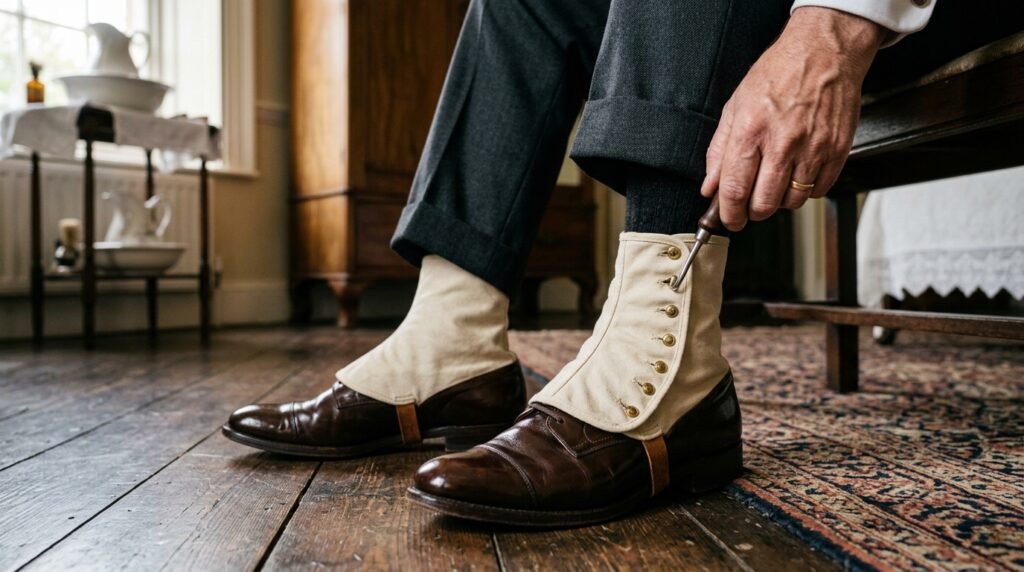
Men used button-up felt covers known as spats to keep their costly shoes safe from dirt found on city roads. A morning routine that involved fastening twelve small buttons became an unpleasant experience which demanded users to obtain a “button hook” tool along with exceptional patience.
The Smoking Jacket
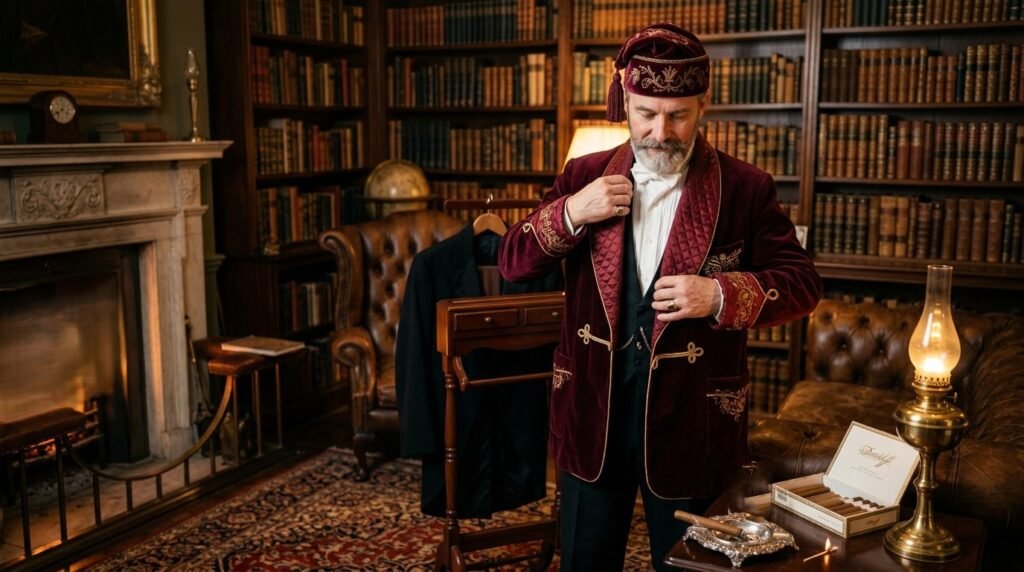
Men used special velvet jackets together with caps for smoking tobacco because these garments prevented the tobacco odor from sticking to their actual clothing. The library required an entire costume change to enter for thirty minutes of reading time.
Pointed Sideburns
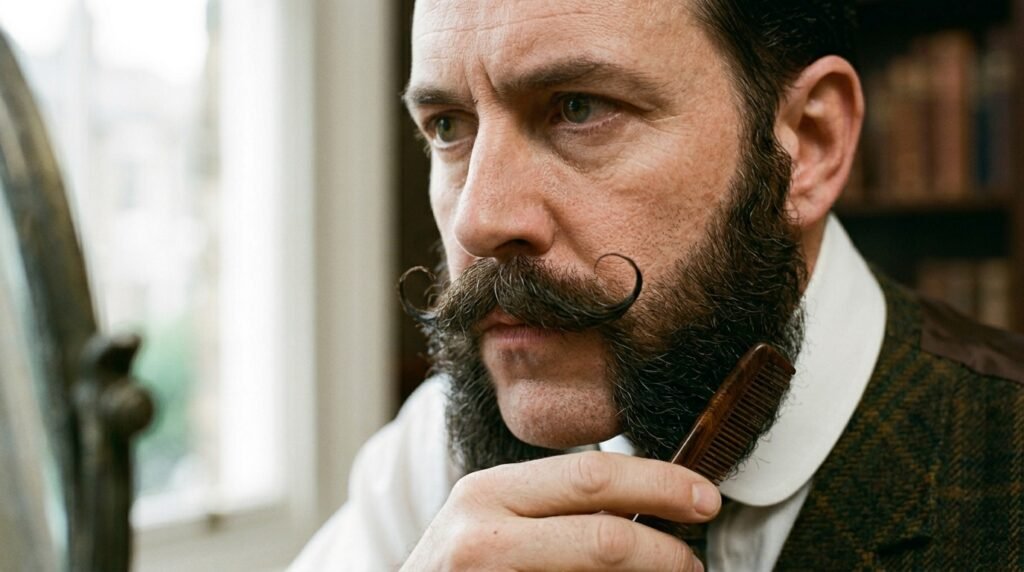
Facial hair was taken seriously during this period because men typically wore “mutton chops” and oversized mustaches. Men used wax and stiffeners to create pointed sideburns which they maintained at home by spending the same time as women needed for their hair styling.
Weighted Capes
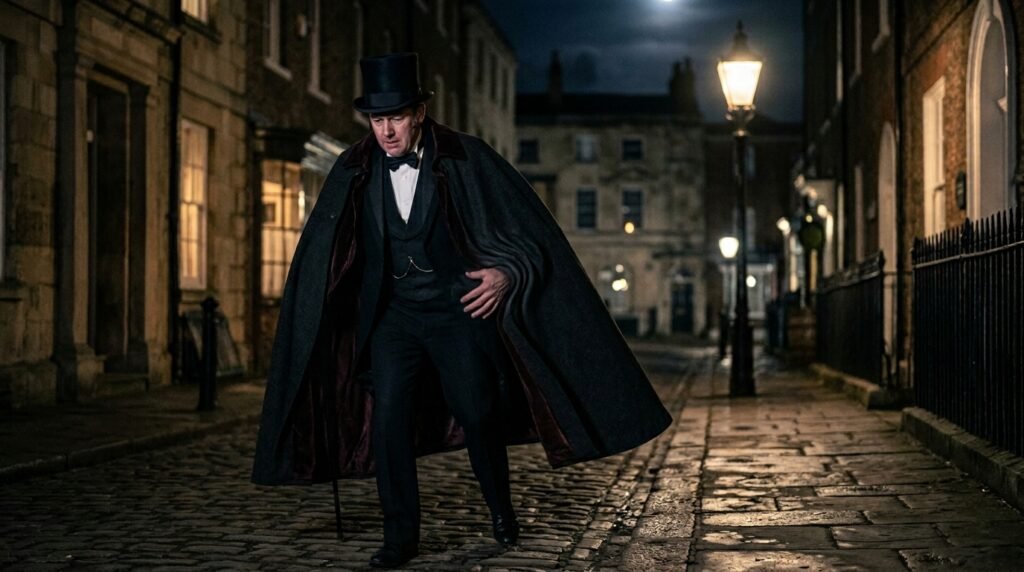
Heavy wool cloaks with velvet linings became the preferred evening outfit for women during that period. The capes which lacked armholes and carried excessive weight prevented men from transporting items or moving their arms while they walked.
About the Author