
Wearing your hair is not just a mere style-in-choice, but rather an imaginative method of self-identifying personality, as well as caring and treating your hair. Anyone can learn this ancient art at home, with a little patience and the proper point of view. In the mood to keep it simple with a three strand plait or want it more elaborate, a few simple steps can help you gain confidence and start experimenting with the possibilities of styling your hair.
Begin With Clean, Detangled Hair
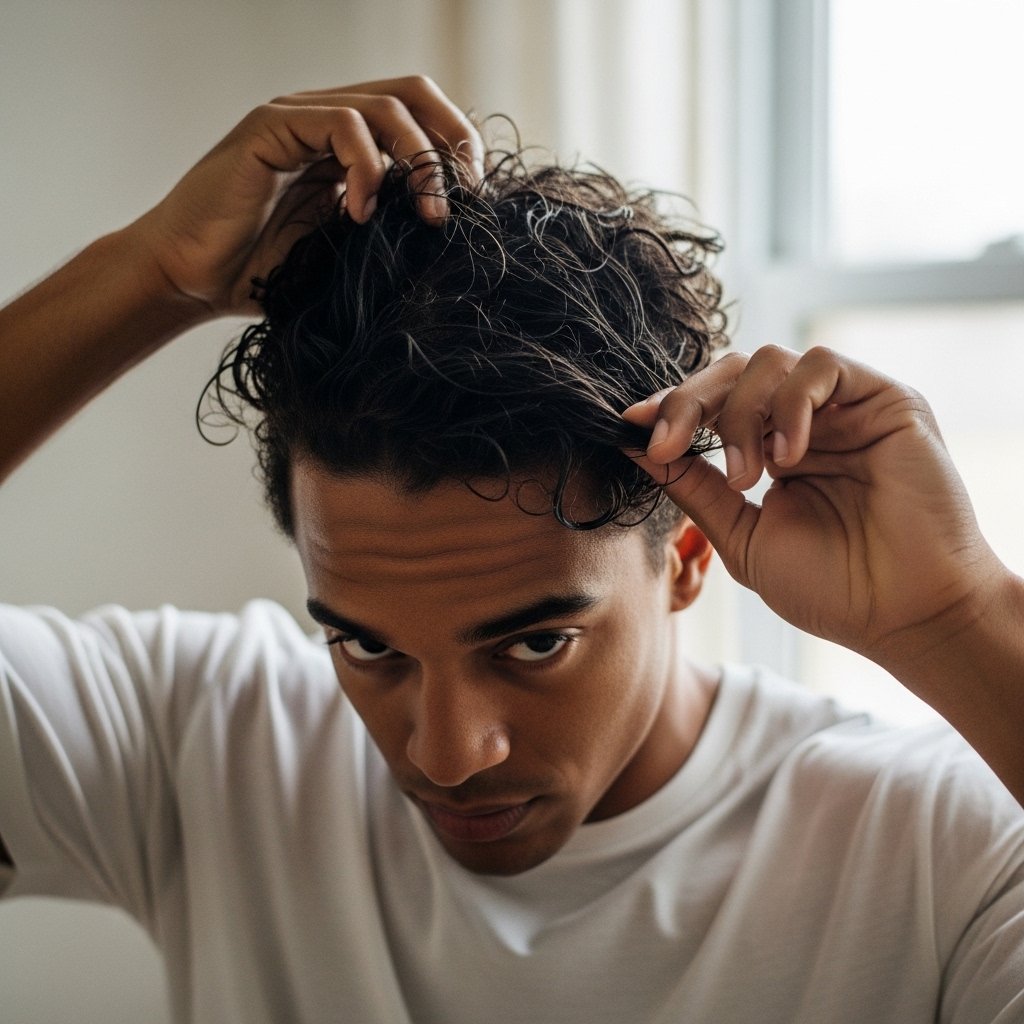
Healthy braids start with well-done hair, meaning, it must be washed and conditioned to form a smooth base upon which it does not accumulate and dry up. By carefully untangling on the ends upwards using a wide tooth comb, you will break less hair and the sections will part evenly as you begin to braid.
Wear the Right Styling Products

Lightweight leave in conditioner or a smoothing cream is used to manage frizz and make the hair pliable and easy to handle even during the braiding process. It is not necessary to use heavy stuff that causes stiffness since soft, feelable strands are simpler to weave and end up giving a more professional look.
Section Hair Evenly
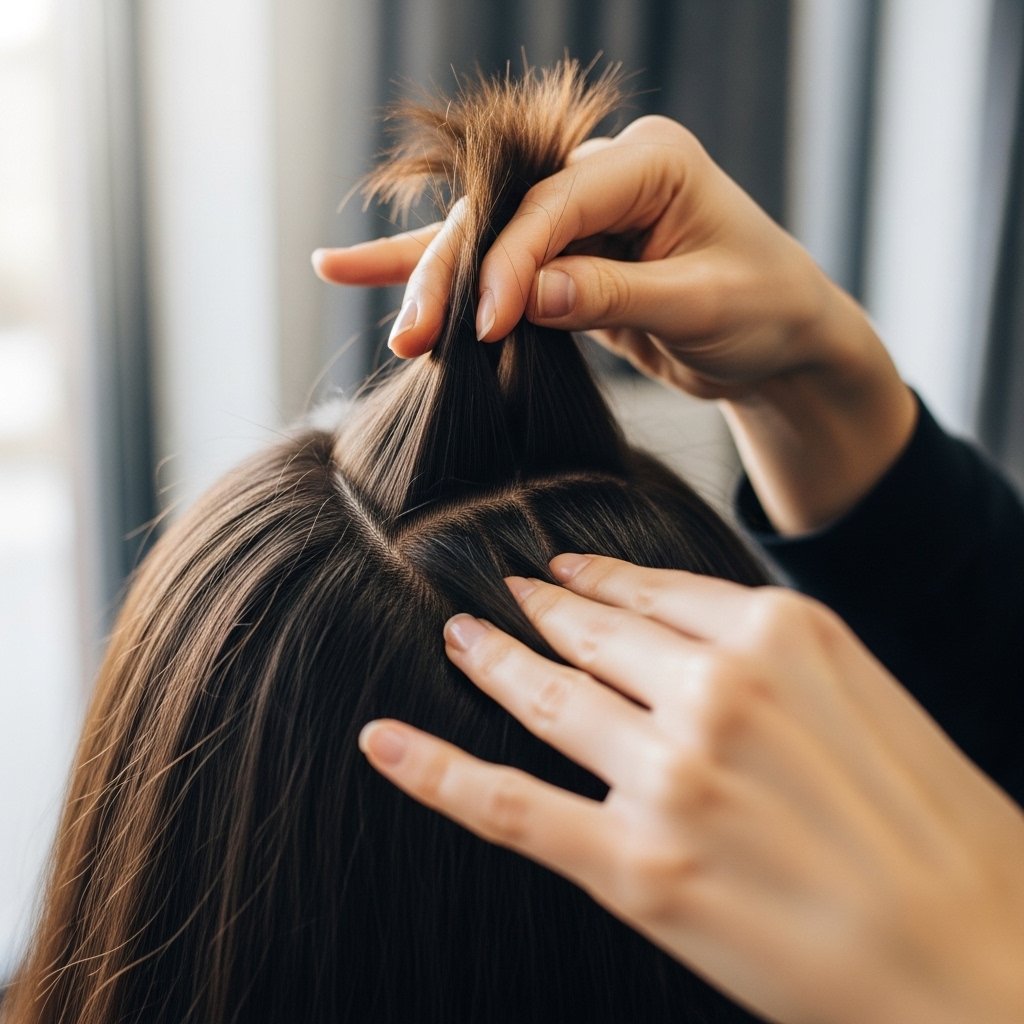
To make a nice braid, it is important to cut your hair in equal parts with the help of a mirror and stationary hands and only then start weaving to make balanced parts. You need to take some extra time to work on every section, which will help avoid the uneven tension, as well as provide your final style with a clean, professional appearance.
Basic Strand Technique
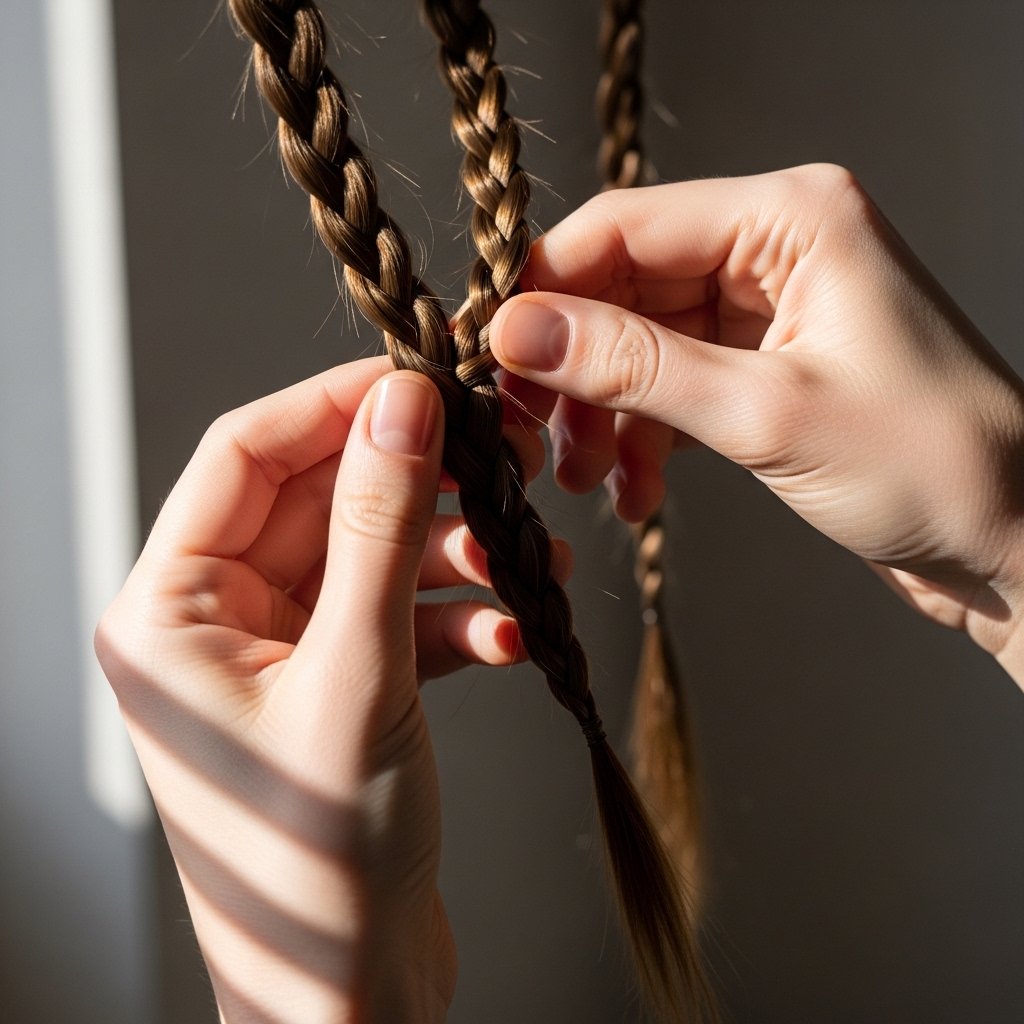
Most styles of the braid are based on a three-strand configuration (classic), where one of the outer portions is crossed over the center and the same is repeated on the other side. To ensure the braid is held tightly, it is best to maintain the through of holding on to it constantly as you move the side so you will not strain your scalp too much.
Maintain Steady Tension
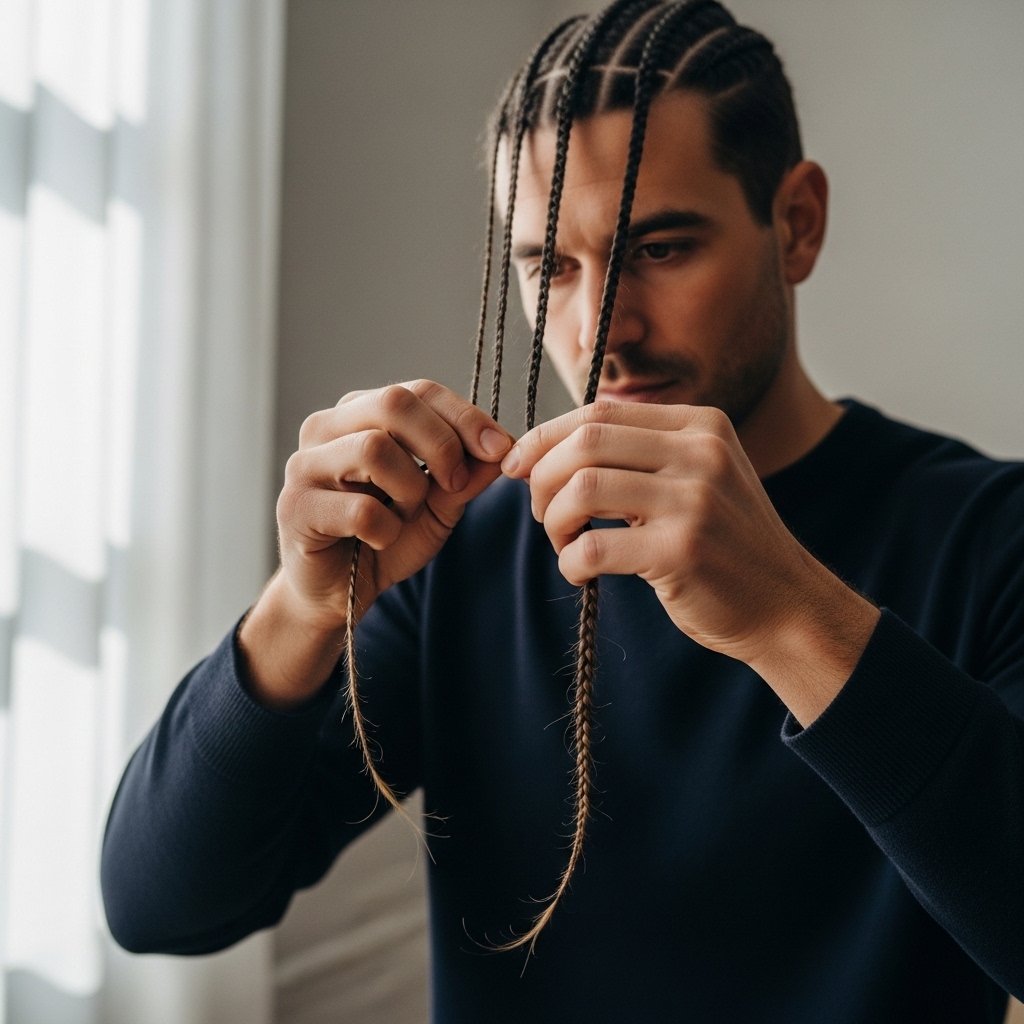
Even tension is important in all parts of the braid but at the same time so as to make it last long enough, as well as to make it comfortable to wear, particularly when you intend to stay put with the style over a long period of time. Straining the rope too hard may result in strain whereas undoing the knot too loose might result in undoing and thus it is all about working out a happy medium.
Secure the Ends Properly
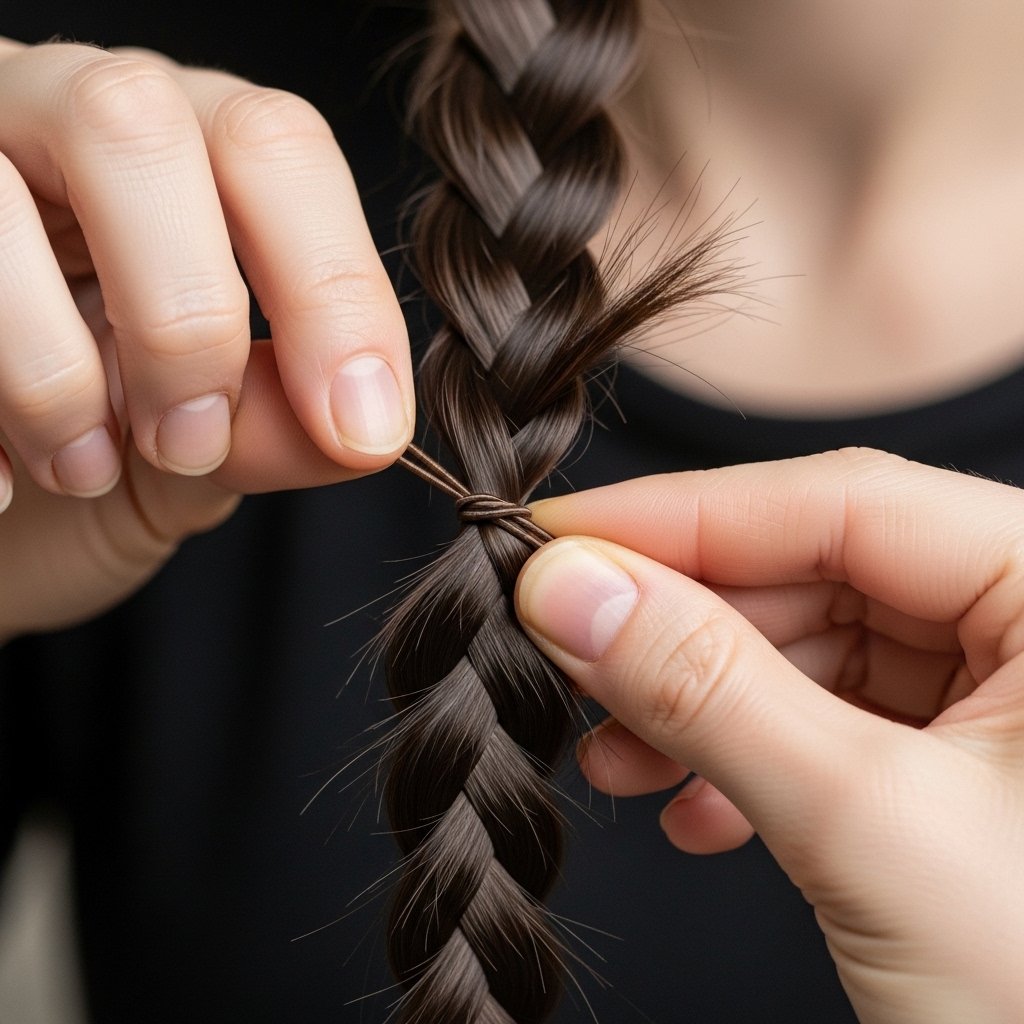
Braid ends with a soft but secure grip to hold the braid and to not allow the braid to fall apart in the course of everyday life or under the conditions of humidity. Use a snag-free elastic, which will be the same color as your hair, so that people are not distracted by the color of the elastic.
Experiment With Variations

As soon as you are comfortable using the simplest technique, you can move on to styles like French braids, Dutch braids or fishtail braids to increase your repertoire and imagination. Every variation is based on a similar principle of weaving but has some extra parts or underhand methods to create a depth and visual appeal.
Protect and maintain your braids
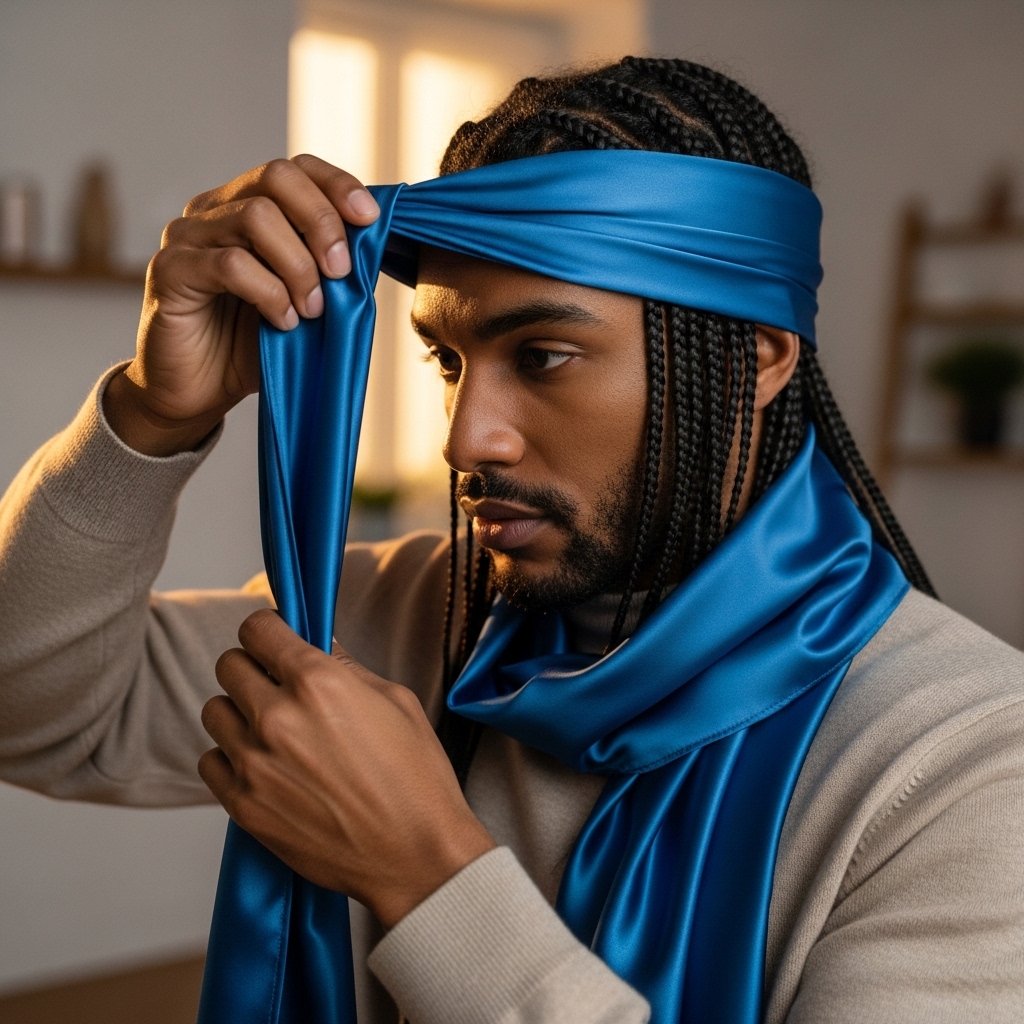
Correct maintenance prolongs the life of your braids and thus wrapping your hair with a satin scarf at night, will ensure that the hair will not be frictional and thus maintain its smoothness. Wetting your scalp slightly and not overhandling it will ensure that you have a healthy scalp and at the same time the style is not compromised.
About the Author