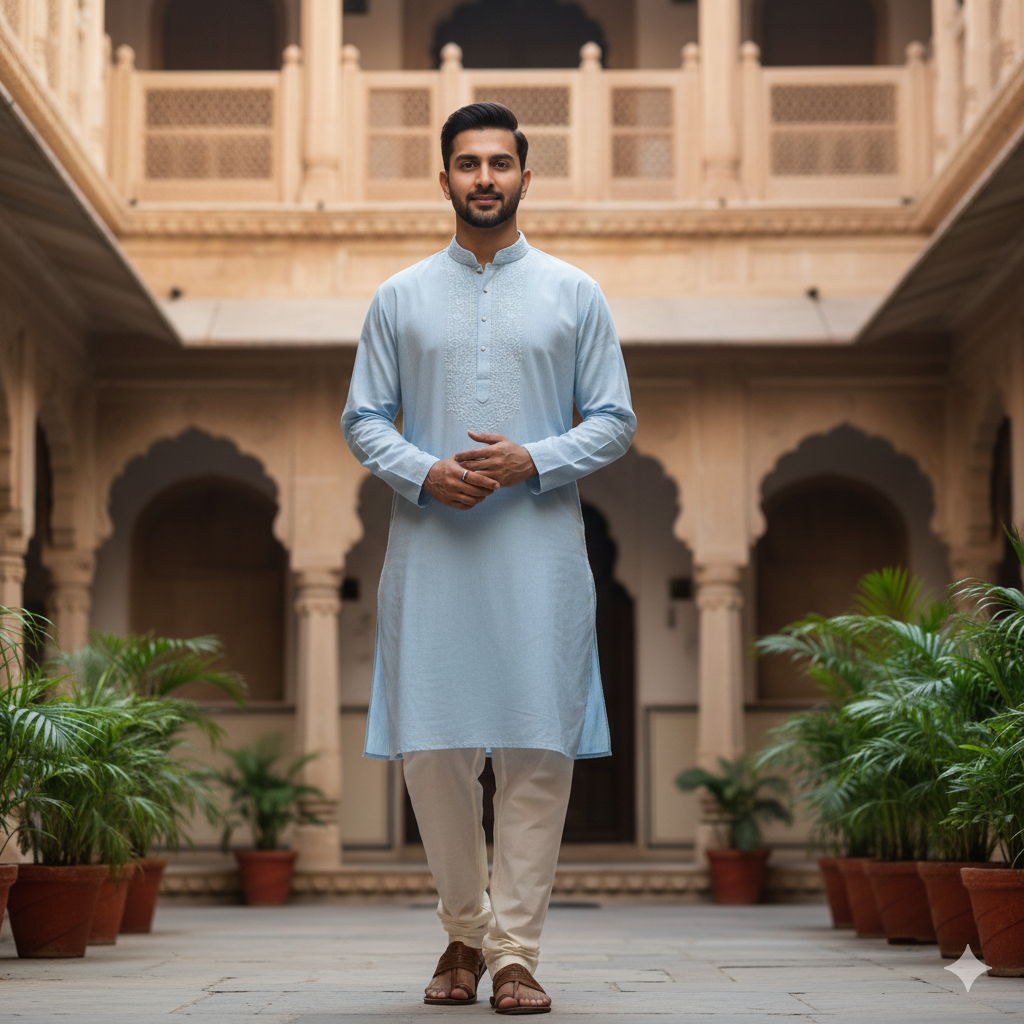
Traditional men clothing is a living history of the cultural identity, the art, and the values that have been maintained by communities throughout the generations. Every area has its visual code, which is reflected in clothes, silhouette, and other symbolic elements that provide a more in-depth insight into how individuals celebrate the traditions and change the world to fit the new one.
The Indian Kurta reflects the Baigneur Luxury that is based on comfort
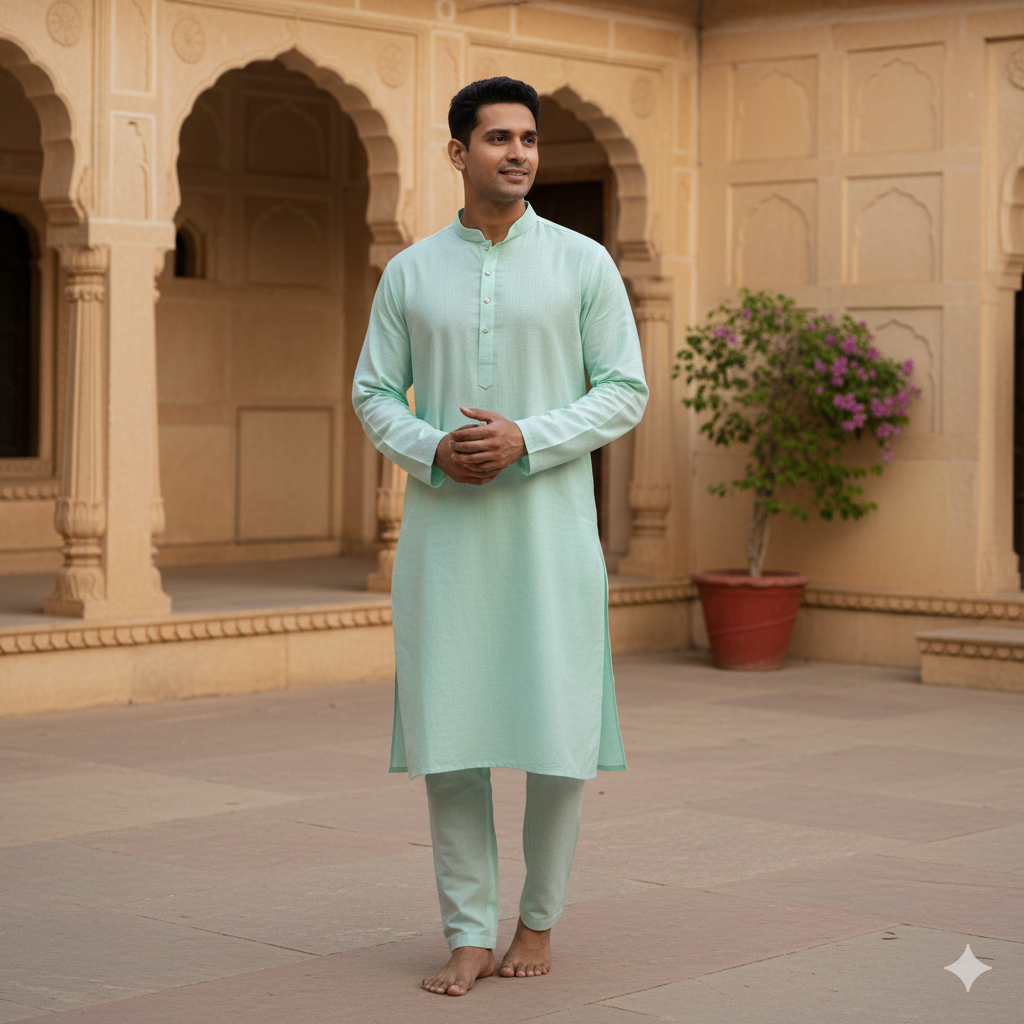
The kurta, with its unrestricted shapes and light breathable materials, has been used for a long time as an easy but prestigious way among men in India. The flexibility lets it make a smooth and smooth transition between lifestyles as an ordinary garment and as a ceremonial one, but in maintaining its cultural nature.
Scottish Kilt: Pride in Every Stitch

The kilt is an aggressive representation of the Scottish culture, featuring the clan identity in the form of well-crafted tartan. Its structure is a pointer to the long-term traditions of craftsmanship and a very direct link to the past that can still amaze today.
Kimono in Japanese values Accuracy and Cultural Fidelity
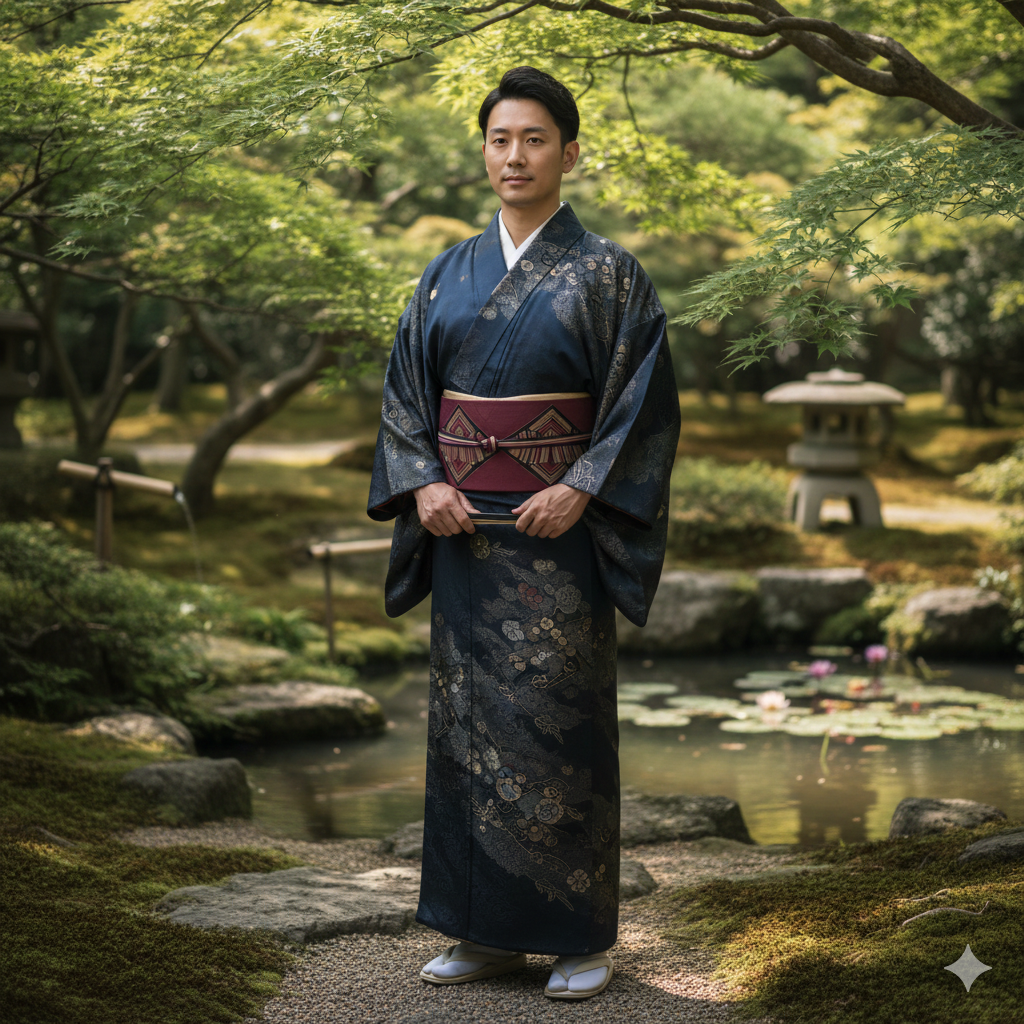
Clearly, the structured shape of the men’s kimono is characterized by its simplicity of beauty, which is a sign of strong respect for the form, color, and tradition. It was built cautiously and is another manifestation of many centuries of artistic and disciplined artistic tradition that still plays the main role in Japanese culture.
Grandeur and Artistry at the West African Agbada Highlights
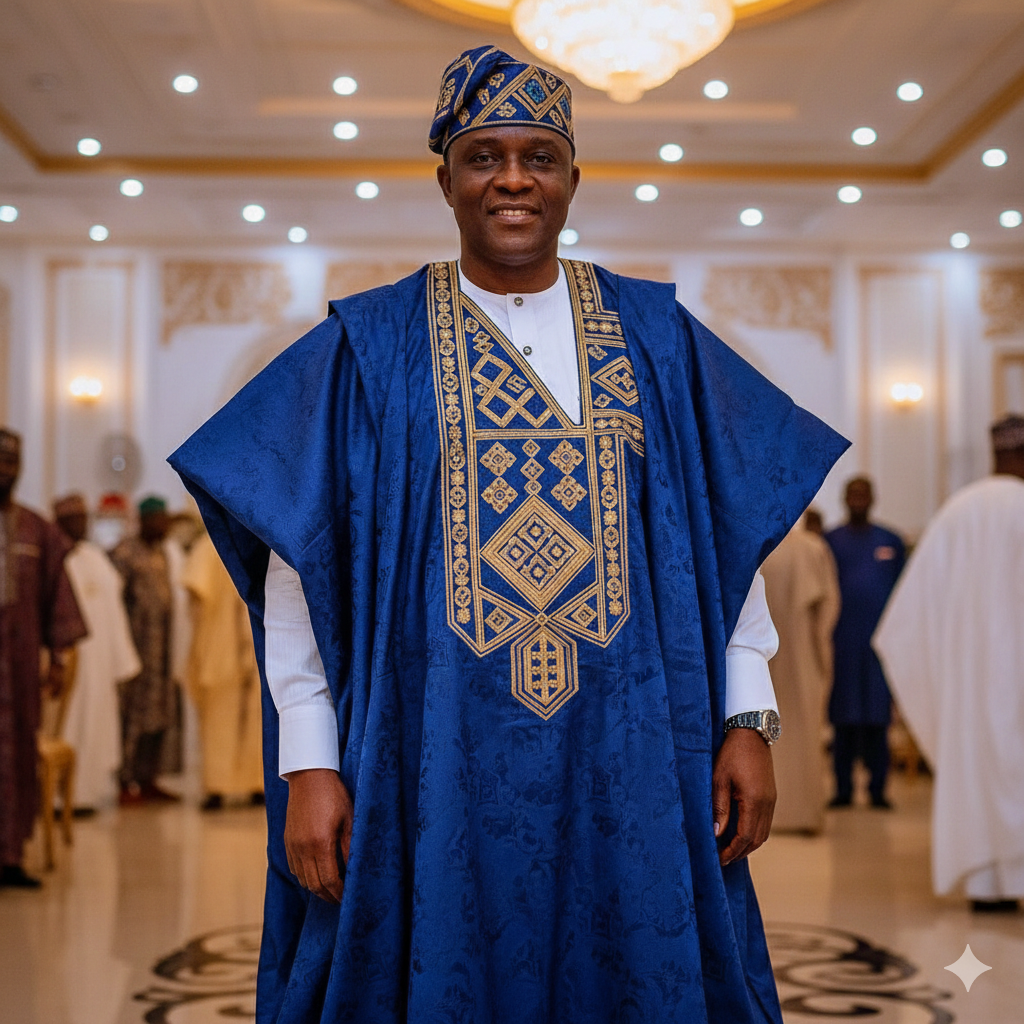
The agbada has broad sleeves and elaborate beading (embedded on its dress) that testify to both the artistry of people and their cultural pride among the West African societies. The fact that it is present at key occasions speaks of the importance of revering the ancestry with the help of expressive clothing.
The Thobe of Arabia Mirrors her Minimalist Style

The simple design of the thobe and its modest form make it an everlasting outfit that goes with the climate and traditions of the area. This is evident in its constant design through the generations, depicting how simplicity and cultural blending easily integrate into traditional attire.
Chinese Changshan is a Depiction of Tradition in Elegant Style
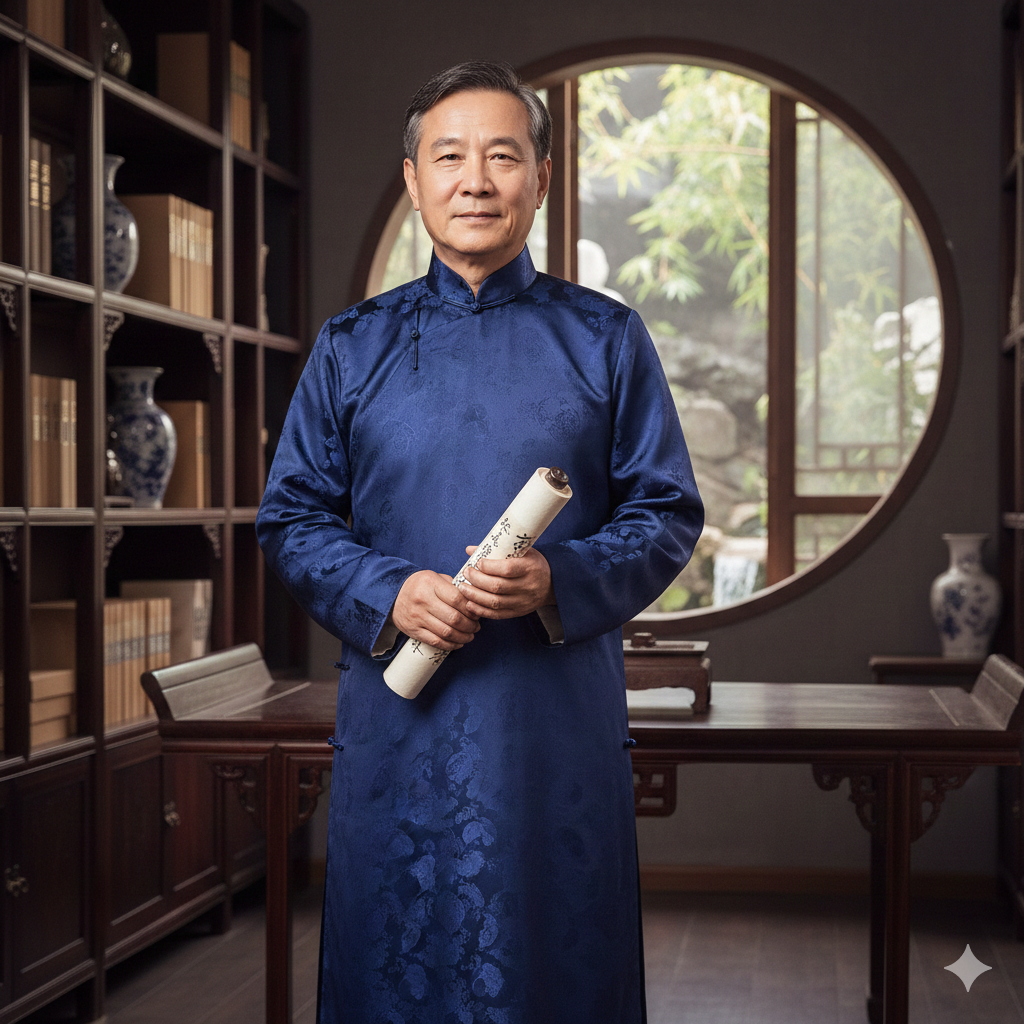
The changshan is very elegant in terms of its shaped collar and smooth appearance, which have been lasting properties of wear among Chinese men. Its associated history gives it a stature that can be valued even today.
The Mexican Charro Suit exudes Art and ritual
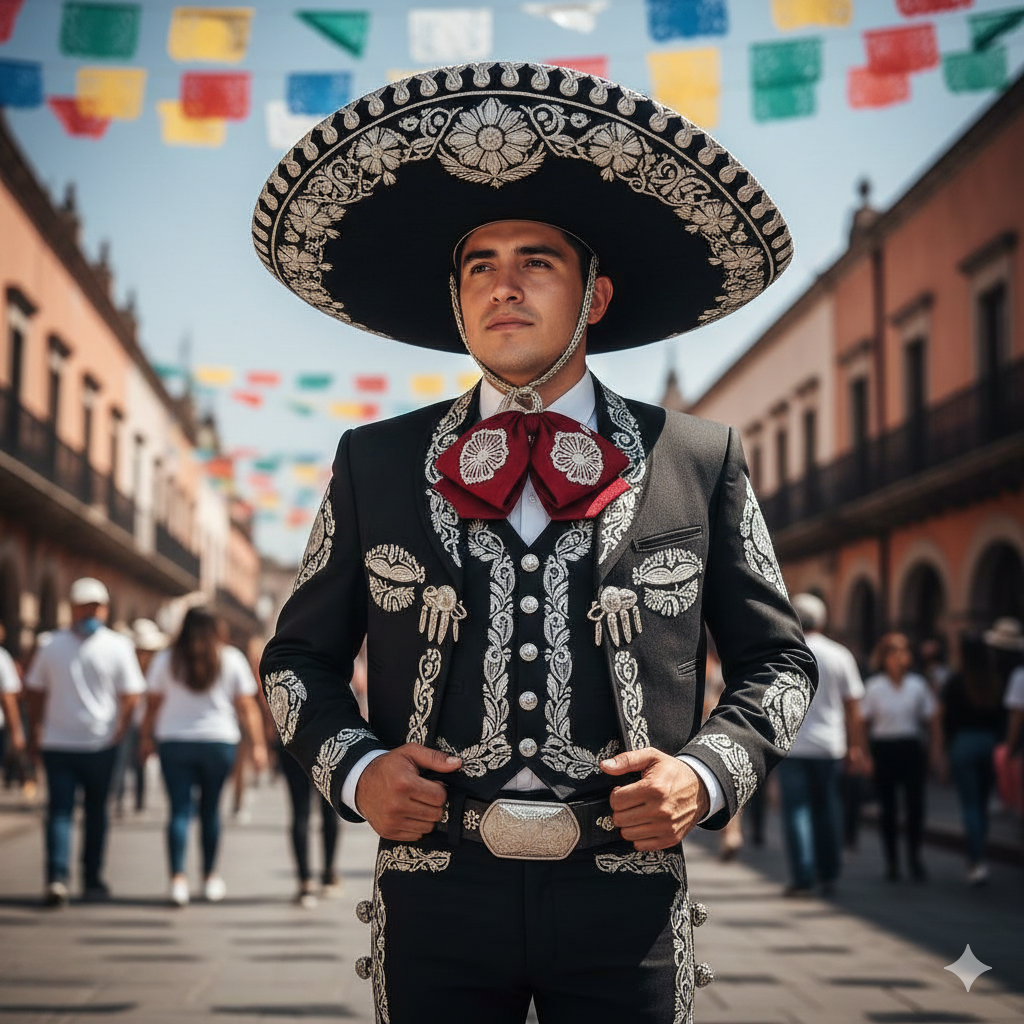
The charro suit is characterized by complex decoration and a custom-made design that is in reference to the thriving artistic culture of Mexico. With its ceremonial application, the importance of the implementation of cultural events through garments that suggest the skill as well as symbolism is emphasized.
The Bhutanese Gho Sells a Separate Identity in Each Fold
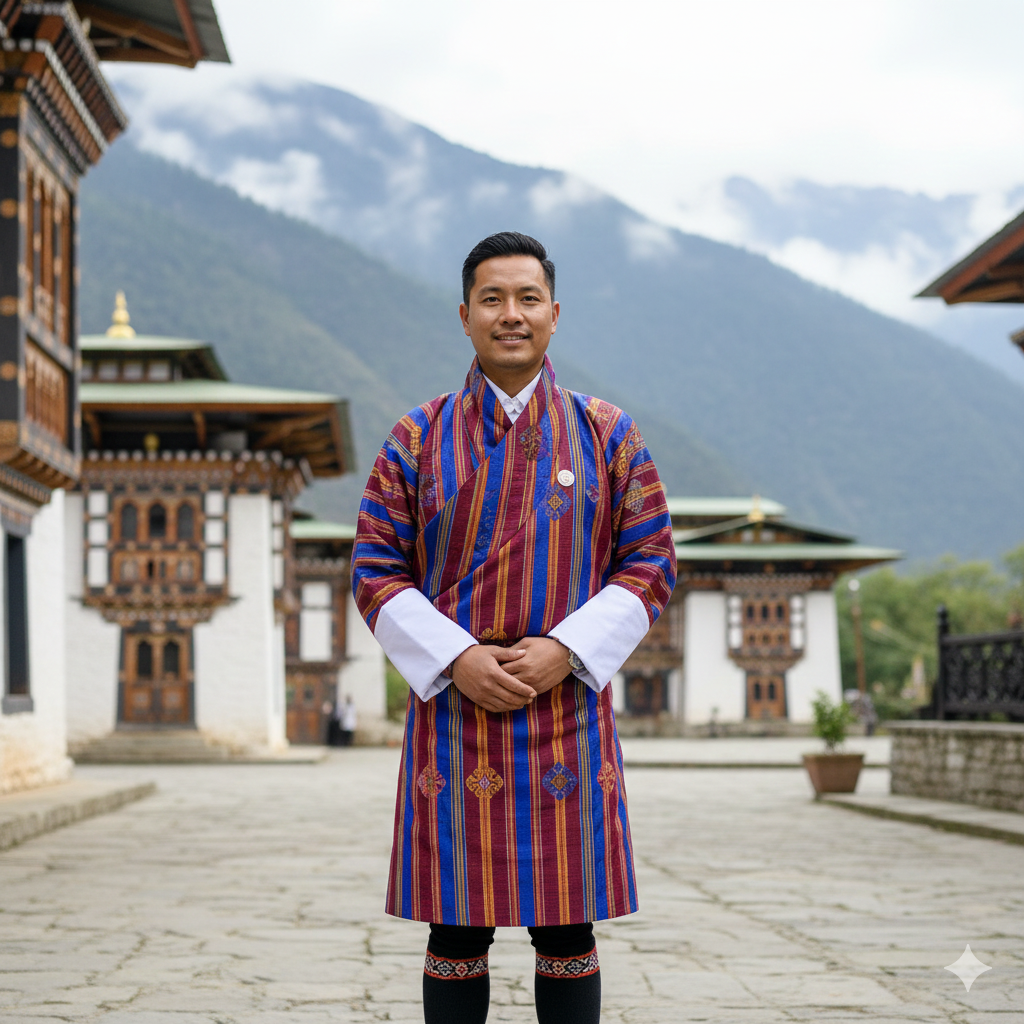
Its wrapped shape and patterned boldness keep the gho at the center of the Bhutan national identity and life. The design incorporates the values of order, tradition, and communities appreciated by the country.
Filipino Barong Tagalog Fashionability Meets Formality
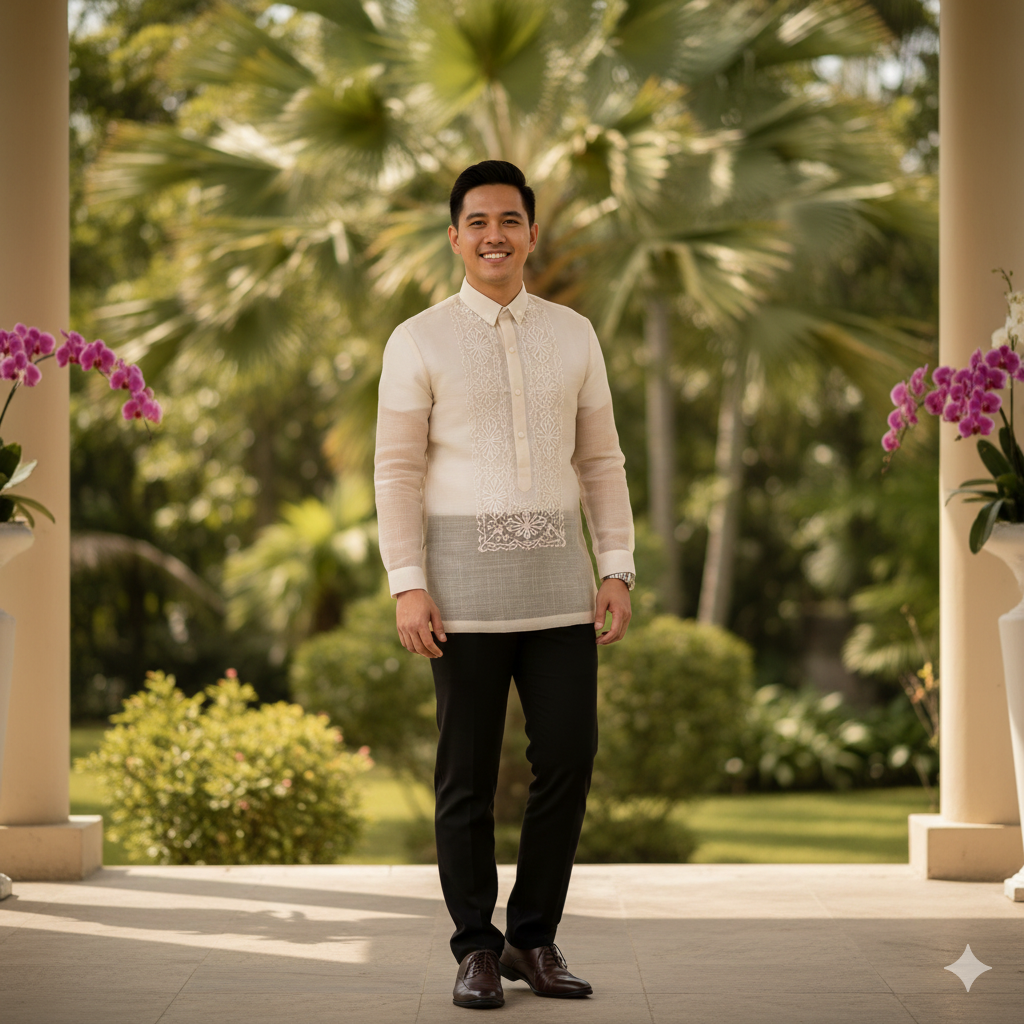
The barong tagalog is renowned not only due to the sheer cloth and the delicate embroidery, but it is also a sandalwood, which is delicate and yet simple to wear. Its persistent existence in the culture of Filipinos focuses on passion for historical heritage lightly and gracefully.
The Greek Foustanella- The Symbol of Honor of the Past
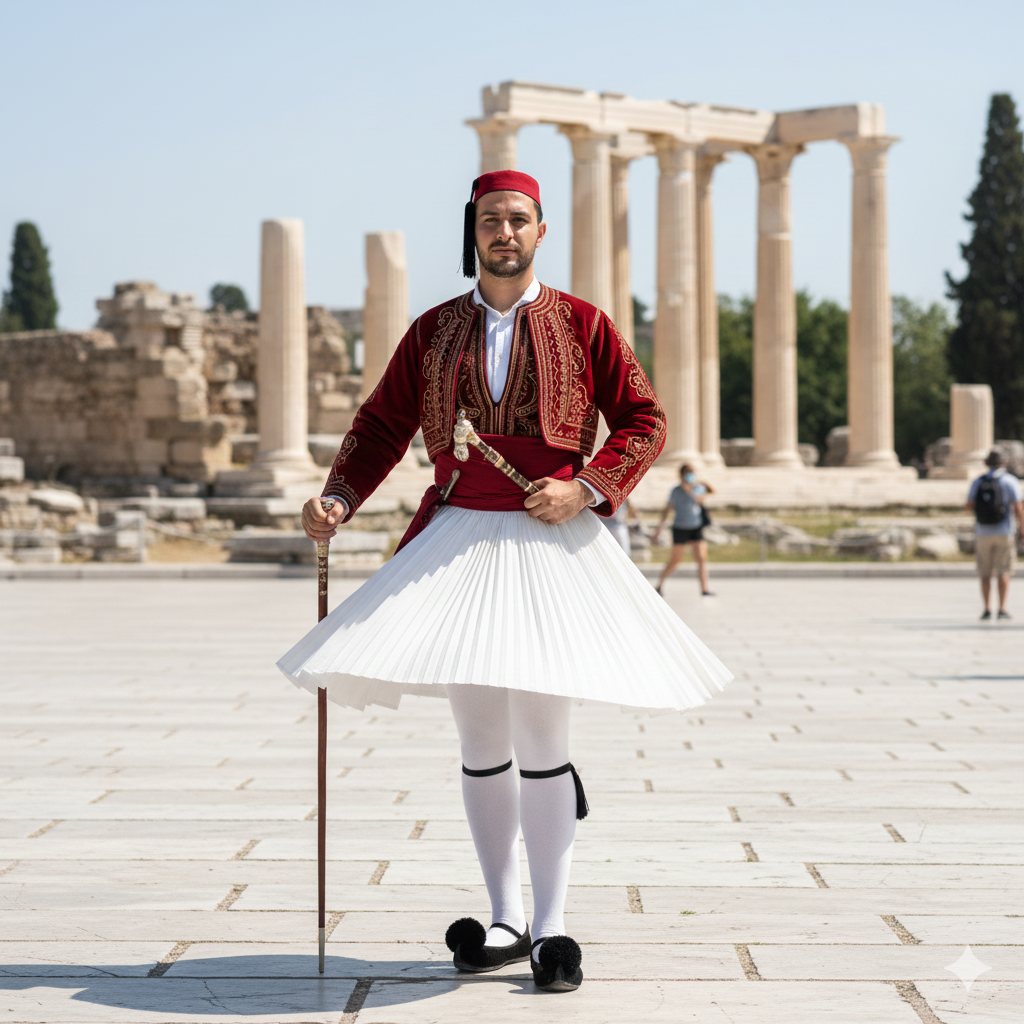
Foustanella with its pleated form and its classical details, has very strong historical implications associated with the Greek pride and heritage. The peculiarity of its looks has saved a national identity that still has an echo.
About the Author


