
Style isn’t about chasing trends or spending a fortune on designer labels. It’s about understanding your body, knowing what works for your lifestyle, and developing confidence in what you wear. Whether you’re in your twenties navigating your first professional wardrobe or in your fifties refining decades of fashion choices, the fundamentals remain consistent. This guide breaks down men’s style across every life stage, covering essential pieces, fit principles, and practical advice that actually works in the real world. The goal isn’t to look like a fashion magazine it’s to look put-together, feel comfortable, and express who you are through clothing.
Building Your Foundation
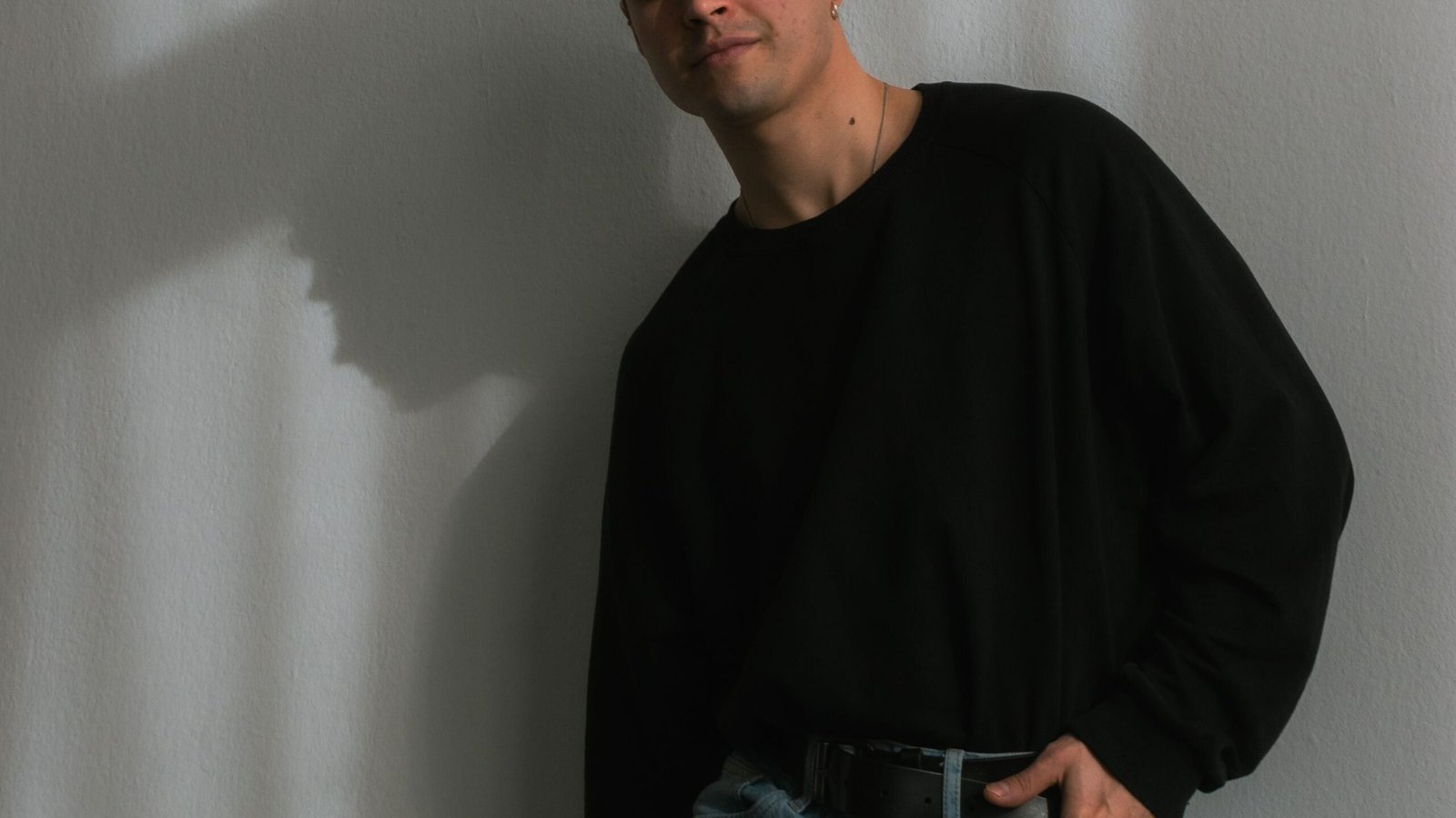
All good wardrobes begin with neutral colours and staples to create endless outfits. The main components of casual clothes that suit all ages and body types include a well-fitting white t-shirt, a navy crew-neck sweater, and black jeans. Dark wash jeans are versatile, which most lighter shades cannot boast about, and they can go well with both casual and smart casual pieces. Gray chinos fall somewhere between jeans and dress pants, making them valuable to wear for informal events, trips to the weekend or casual office settings.
Understanding Proper Fit
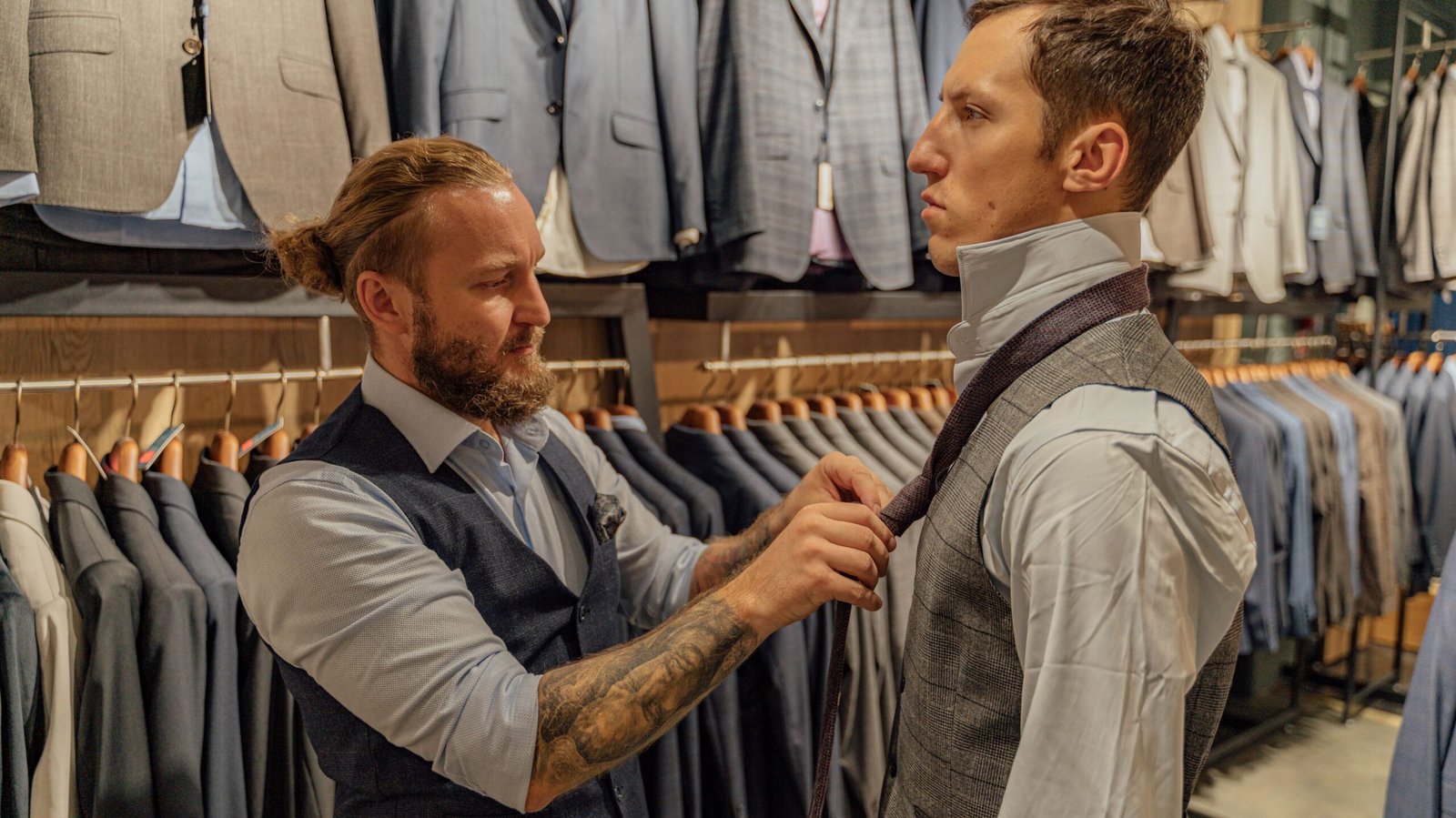
Fitting dictates that a costly designer accessory is either a hit or a miss. Shoulders should be level with natural shoulder seams, not further away or nearer than them. The length of t-shirt sleeves should be to the middle of the bicep, dress shirt sleeves should only reach to the wrist bone and have about 1/2 inch of cuff showing. Pants should fit naturally at the waist and leave very little break at the shoe just a fold at the hem. Chest and torso should not be tight or baggy as the arms should move freely with no pulling of material over the back.
Styles for Your Twenties
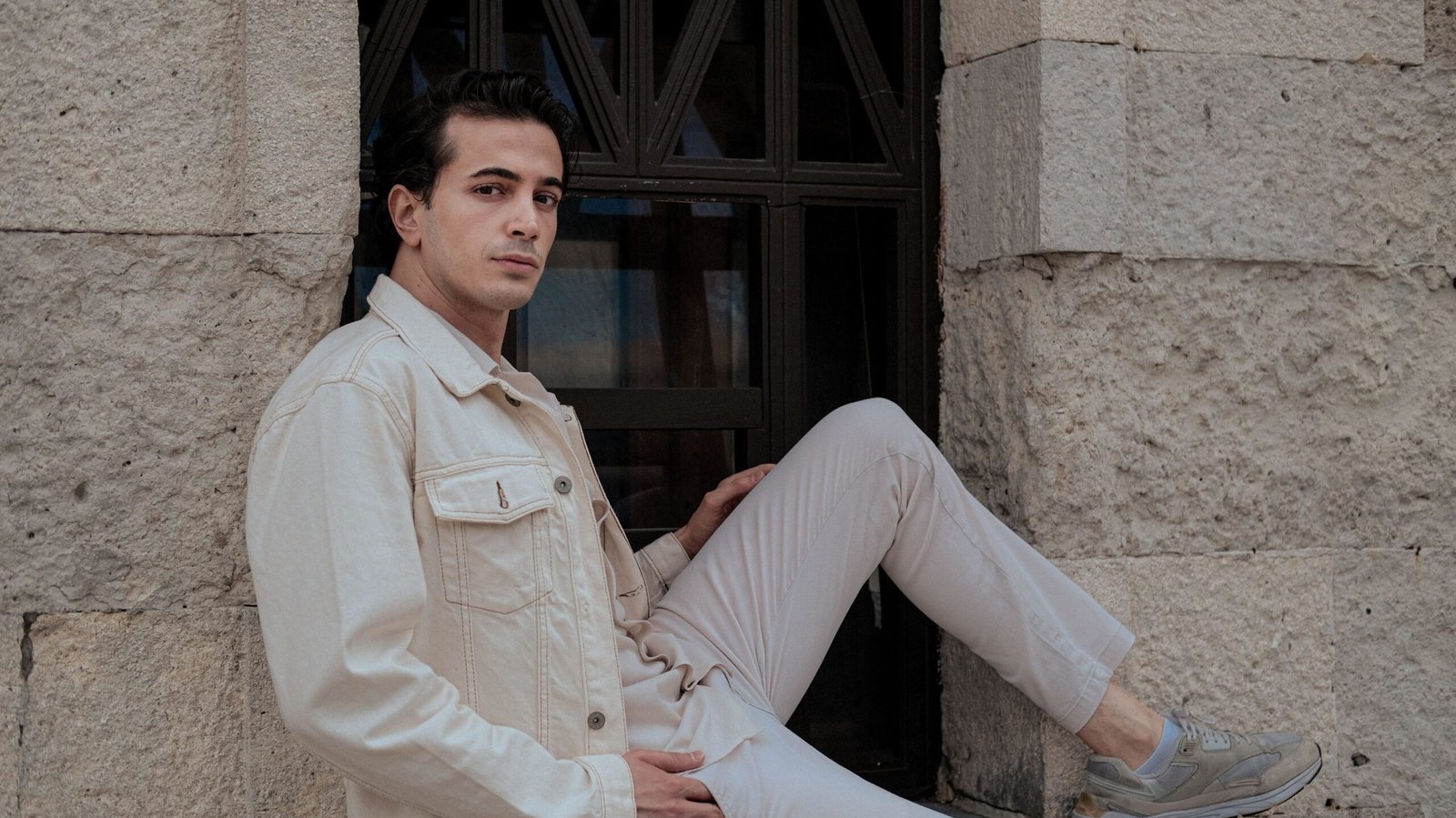
In your twenties you should try things out, and see what really works for you. This decade is one of casual clothing – your everyday rotation now includes jeans, plain t-shirts, hoodies and sneakers. Create one or two casual button-up shirts for slightly dressier settings while still not having a formal wardrobefilled shirt. One bomber jacket or denim jacket can be used for layering and for change of seasons. Wear a few quality pairs of sneakers and casual leather shoes, and perhaps one or two nicer shoes for special occasions. This is when you’ll be able to try out a bit of fashion without having to spend a lot of money as the body will probably morph as you age. Pay attention to the colors and styles that make you feel great, instead of following celebrities or influencers.
Professional Polish in Your Thirties
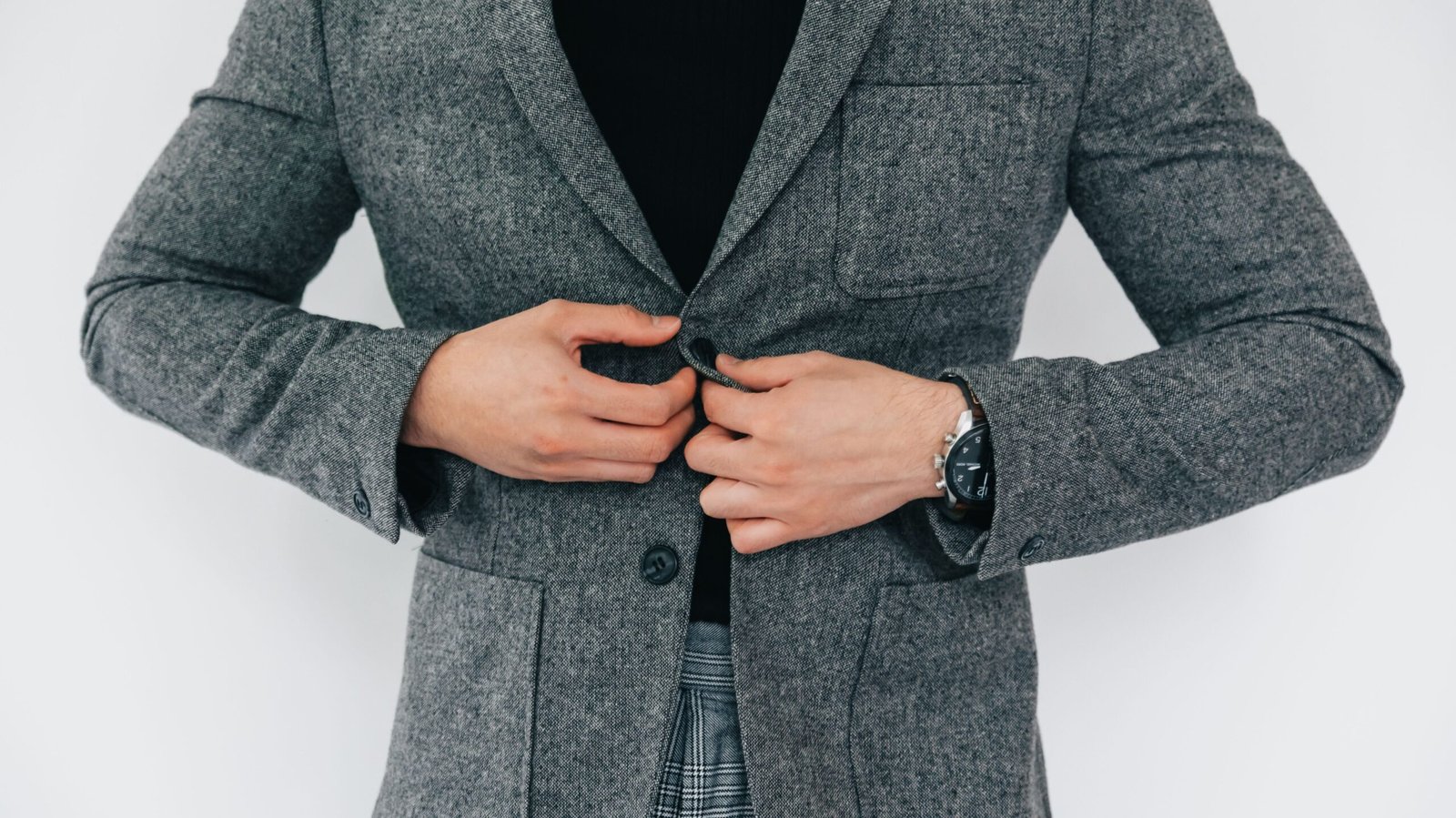
Moving to the 30s generally increases your working duties and the corresponding look of your clothes should change. For most occasions, a well-fitting blazer is a necessity, navy or charcoal gray would work fine. Neutral-colored pants should be fitted for the body and have an appropriate break at the heel and width at the thigh. The basic pair of office attire consists of a white dress shirt and a light blue dress shirt, which will combine with blazers and ties nicely. Get good, durable shoes, black or dark brown in leather, that you can keep for many years.
Mastering Layering Techniques
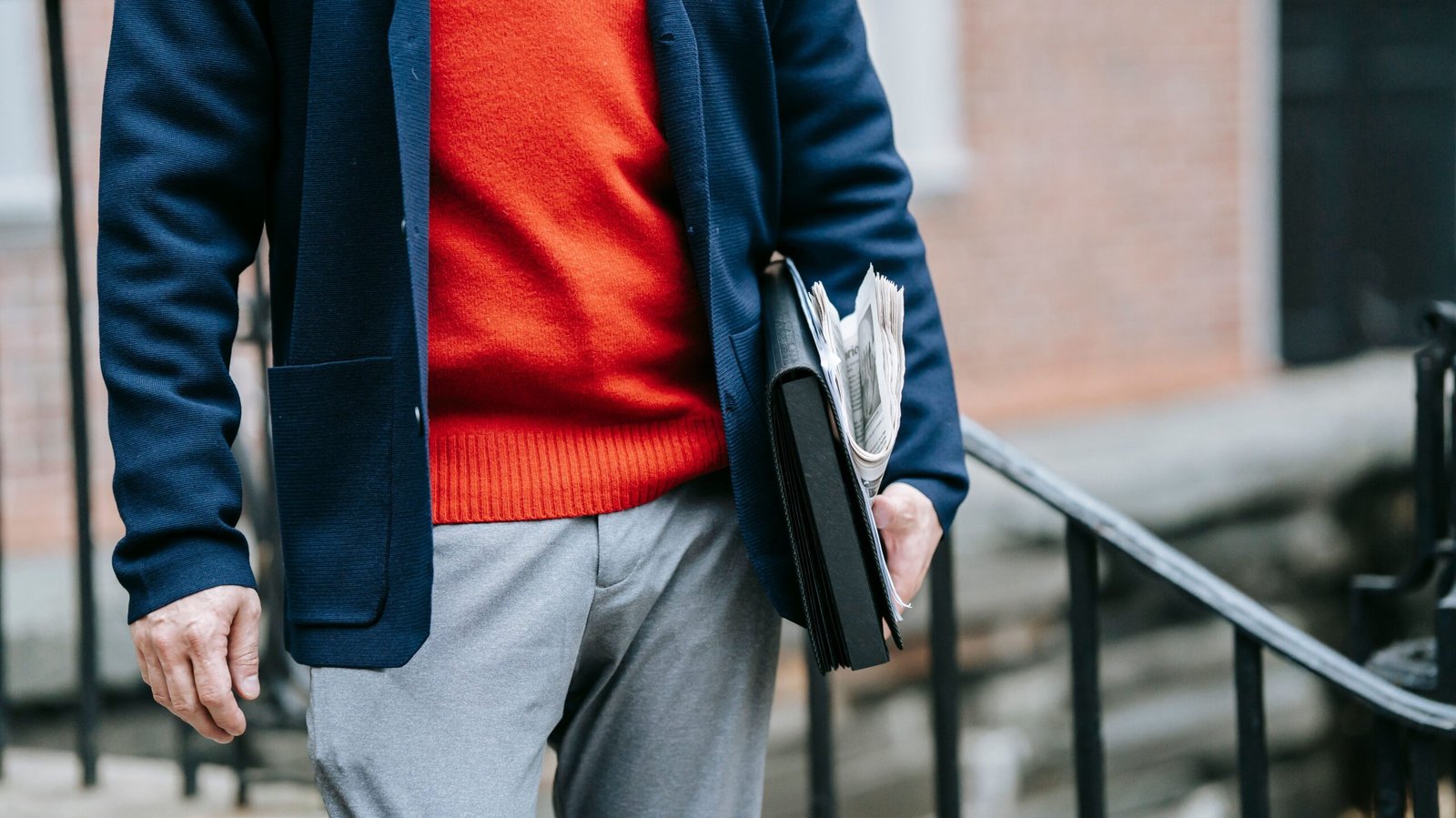
Layering helps create dimension on outfits and can be helpful throughout seasons. A t-shirt beneath the open button up will also bring interest while additionally enabling temperature adjustment for the day. Collared shirts with sweaters are purposeful and work for both casual and business casual events. Lightweight cardigans offer warmth without weight. Denim, leather or casual blazers finish off straight outfits. It all depends on making sure each layer hangs just right, so you won’t have a bulge in the middle or at the arm. Colors should complement or contrast with it; no competing patterns in the same outfit.
Choosing the Right Colors
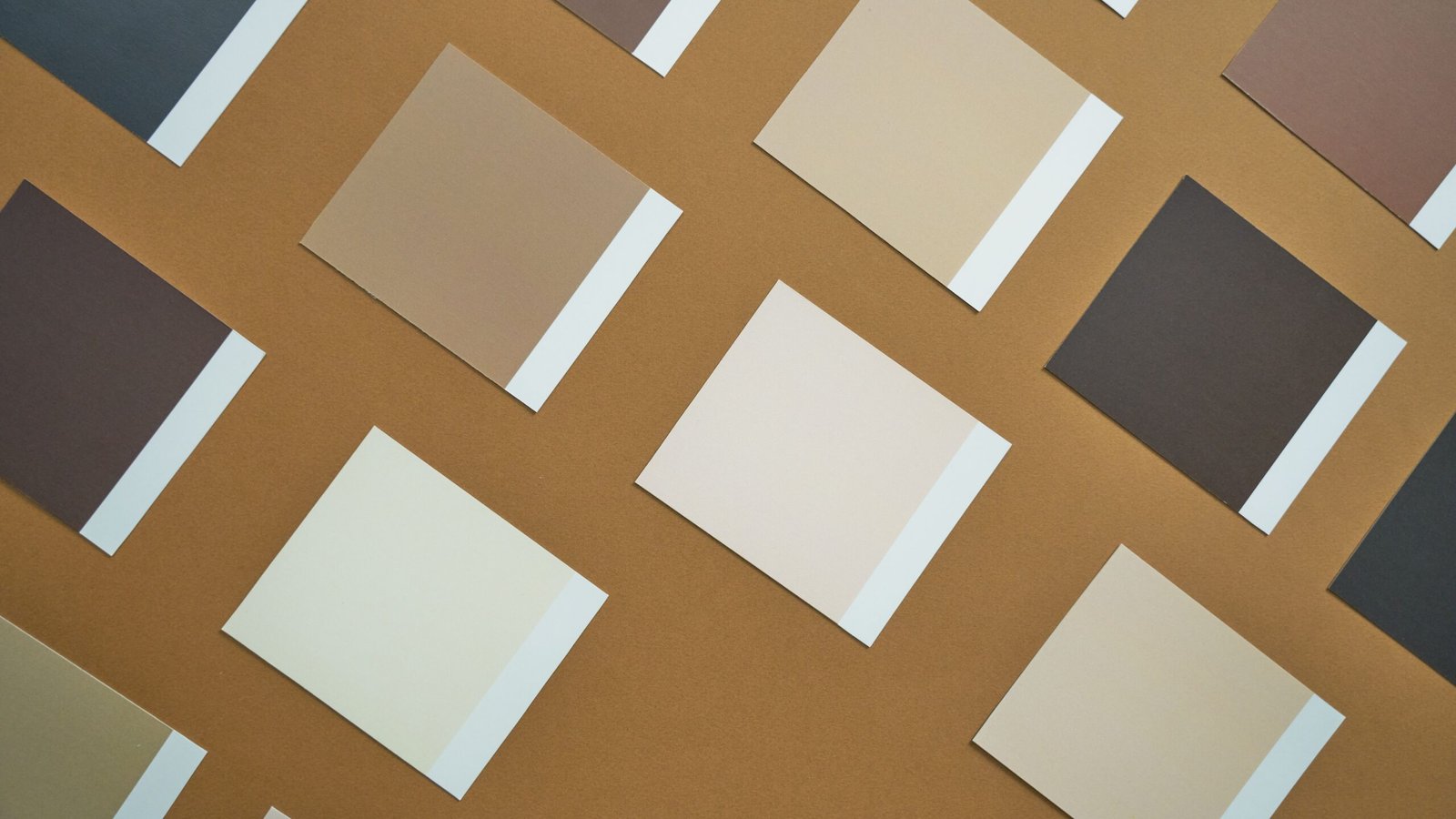
It’s a matter of trial and error to get right, but once you get it, you will feel more confident with your colored makeup. The tone, color and type of skin and hair can affect which colors are best suited. Grey, black, white, navy and brown are neutral colors that can serve as foundation colors for most. Earthy hues are perfect for warmer skin tones, such as olive, rust, and tan. Cooler skin tones look great in blues, grays, and jewel tones. The best way to determine is to compare which colors look healthier and more awake when you stand in a natural light with colors held up to your face.
Accessory Essentials
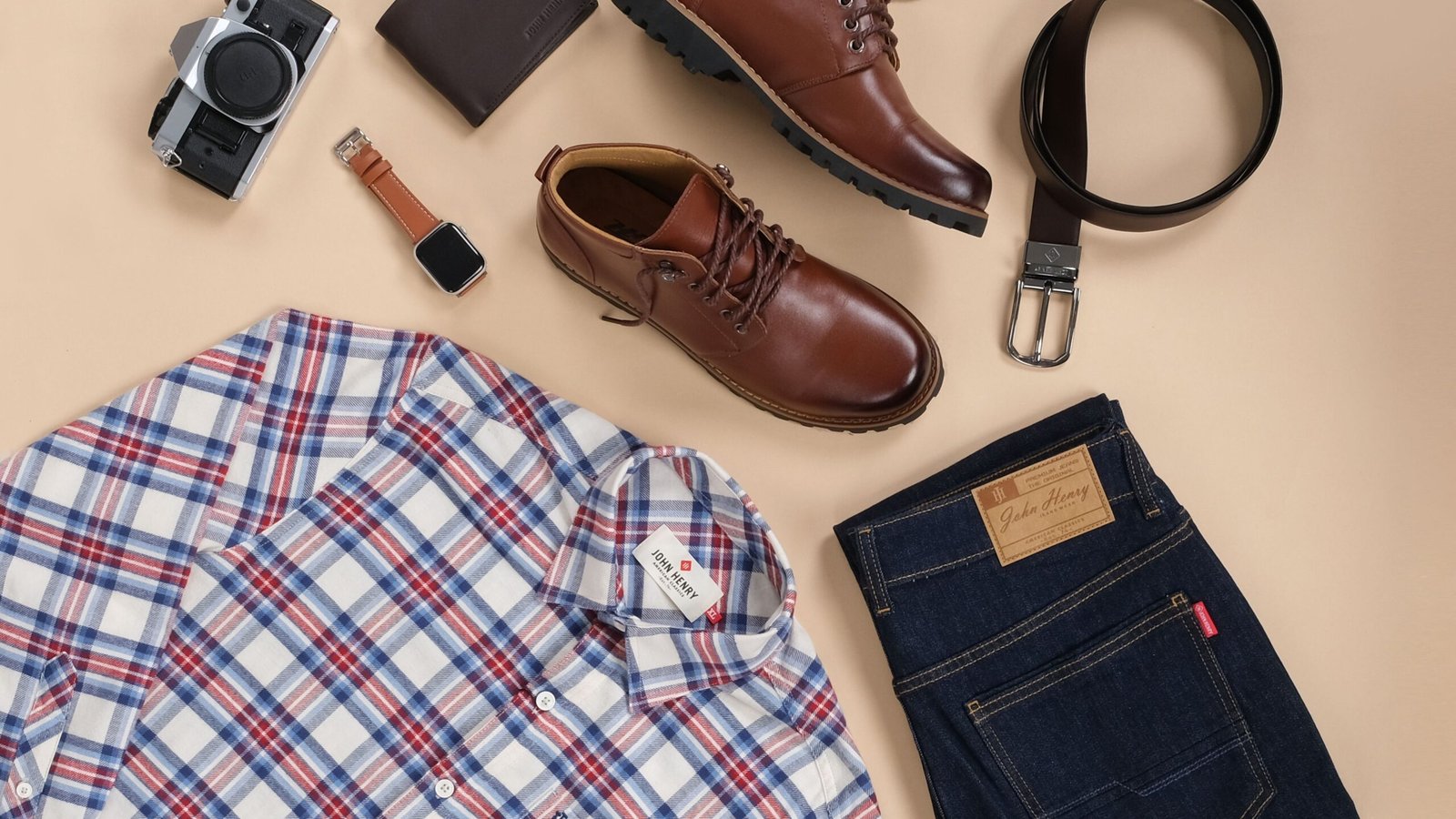
Accessories make a complete outfit and demonstrate purposefulness in your look. A basic watch enhances nearly all outfits and demonstrates that you pay attention to detail. Black or brown leather belt complements most trousers and adds a neat touch. Leather is a basic wallet that lasts longer than synthetic versions, and over time will enhance its appearance. A tie in a solid colour or subtle pattern is a nice touch for formal events without overpowering a youthful face. For older men, scarves are a great accessory for casual wear, as they can add texture and warmth without appearing too dressed up. Steer clear of too many rings; a single ring or a simple chain, if any at all, helps to keep the look clean. Feel the accessory, don’t stick with it.
Seasonal Transitions Simplified
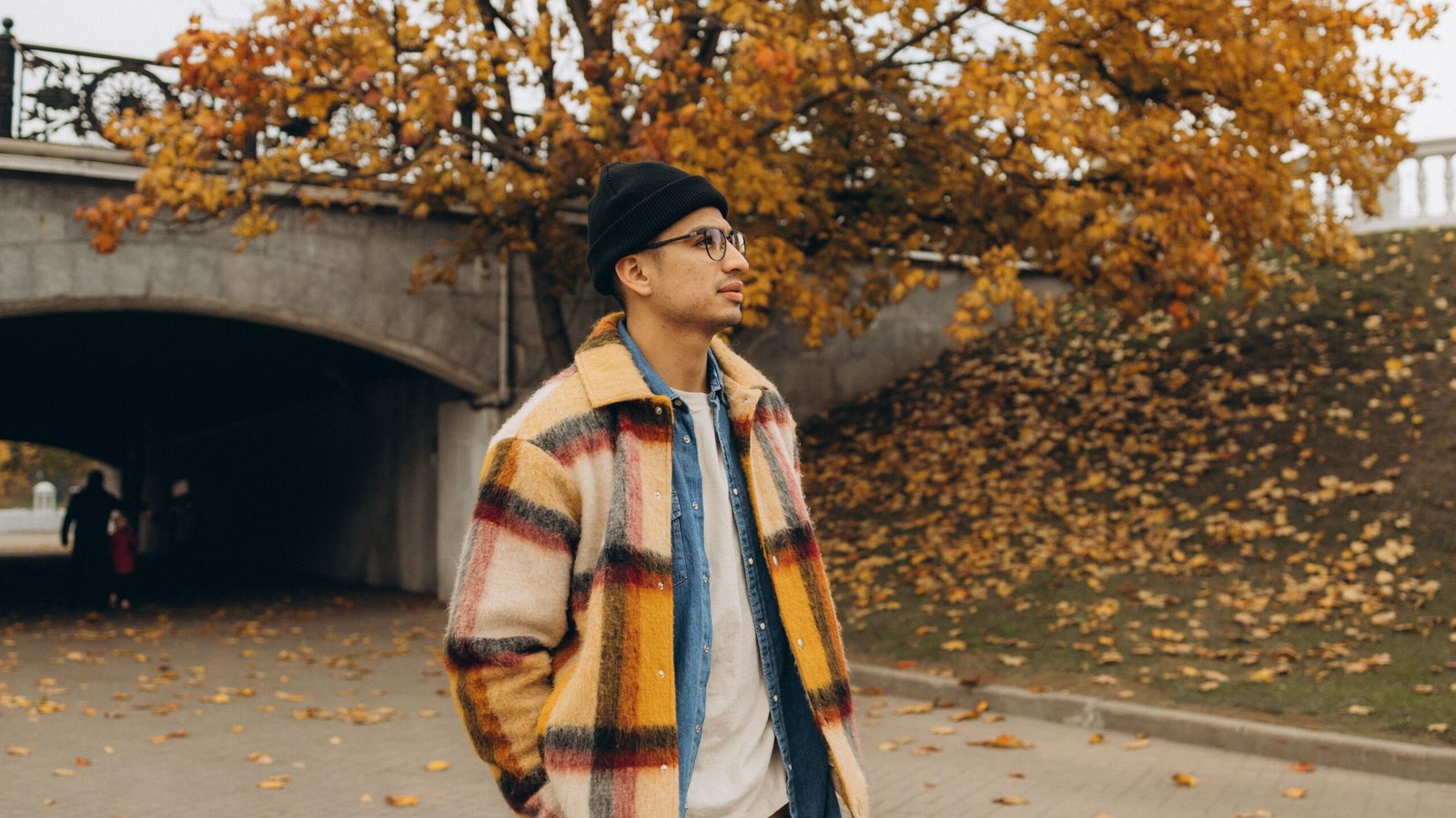
It is important to layer in the spring and fall due to changing temperatures throughout the day. A light jacket is a friend in these seasons; it could come in handy when it gets hotter and can fall off when it gets colder than the short sleeved shirts. Cardigans and sweaters are perfect for the spring season when mornings are chilly and the days are hot. Long sleeve light-colored shirts give the coverage without the burden of heavy ones. Neutral-colored chinos can be paired with a variety of tops to create a range of different looks for every season.
Style Advice for Your Forties and Beyond
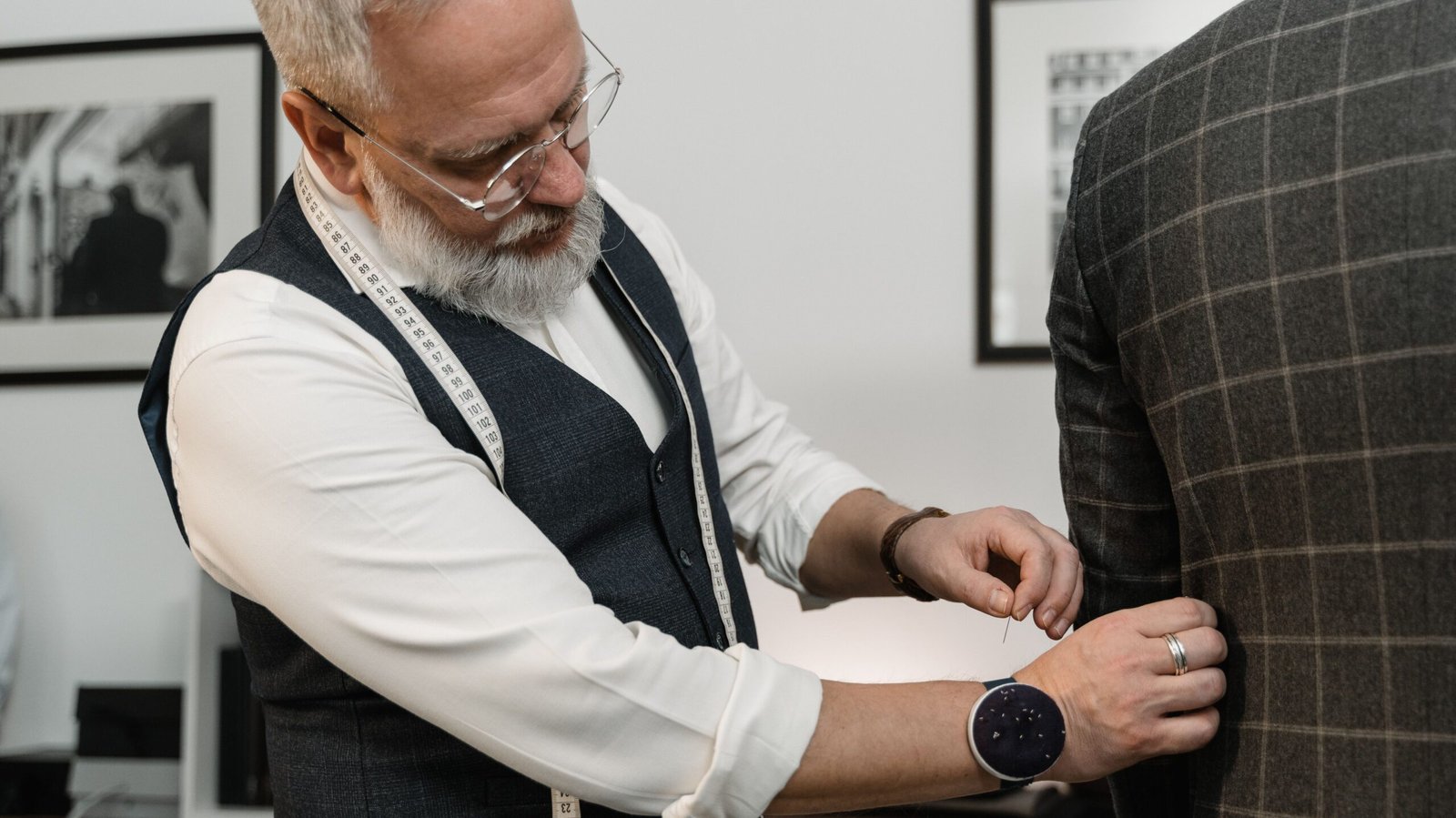
In your forties, and beyond, it’s personal style that counts more than the age-appropriate trends. At this stage you should have some idea of what is successful on your body and should rely on that knowledge. It is even more crucial if the body composition changes (as it often does) and it’s a good investment of time to tailor. It feels better to have classic pieces which are made from quality fabric over cheap trendy pieces. Your casual clothes can be upgraded to be better quality: Sweaters, jeans that fit well, and sneakers that are polished up.
Building Your Signature Style
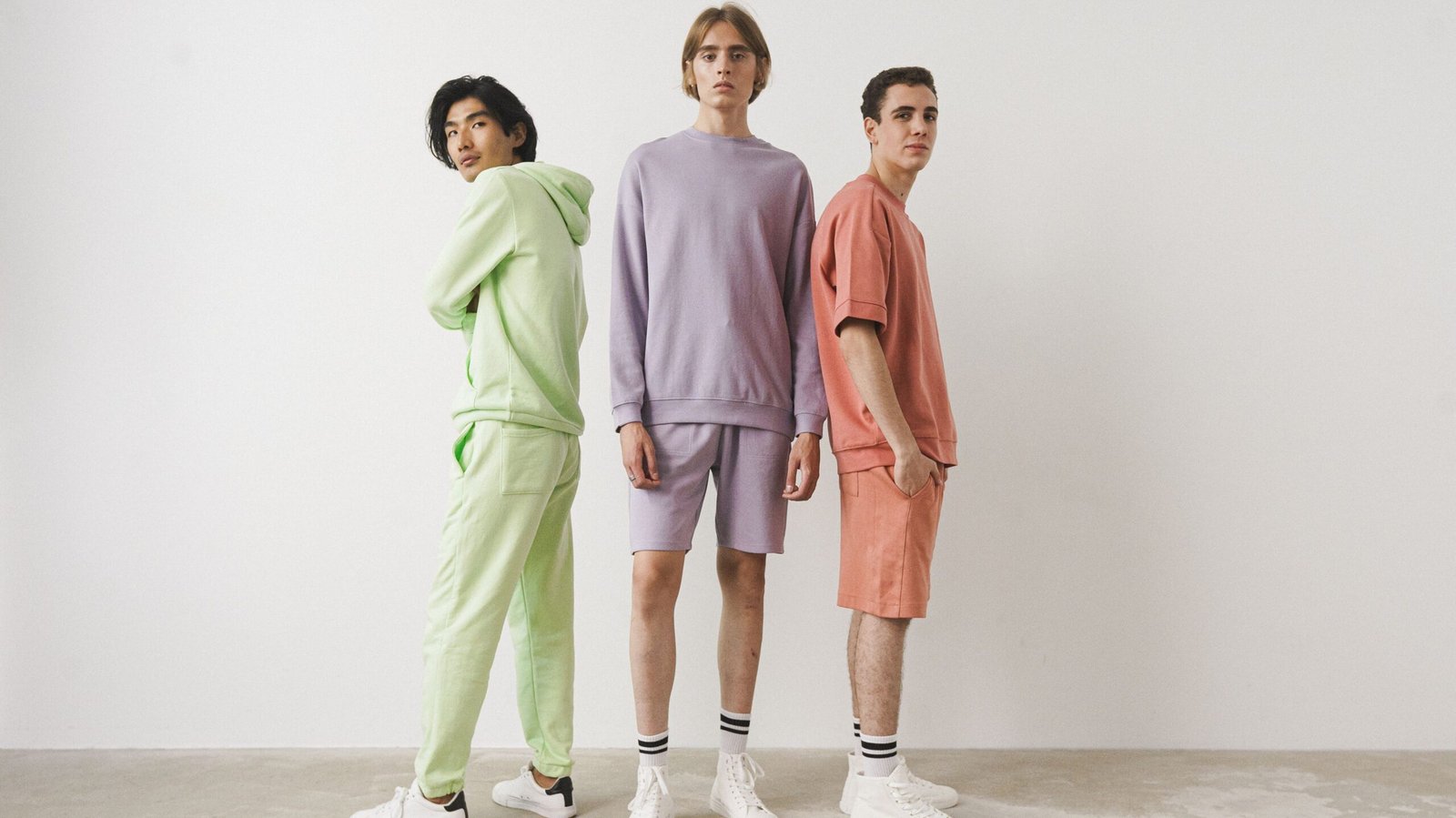
You tag your brand with your own, in a manner that will evolve with practice and with trust in the creative decisions you make. Identify those pieces that you gravitate towards repeatedly that’s your style, not that of magazines. Listen to the feedback, they tell you what’s working. Use a single silhouette, not switching from oversized to fitted in the same outfit. Standardizing colour selection brings a sense of uniformity and a personal style. Your signature isn’t about having the same outfit every day, it’s about variations of this signature theme.
About the Author


