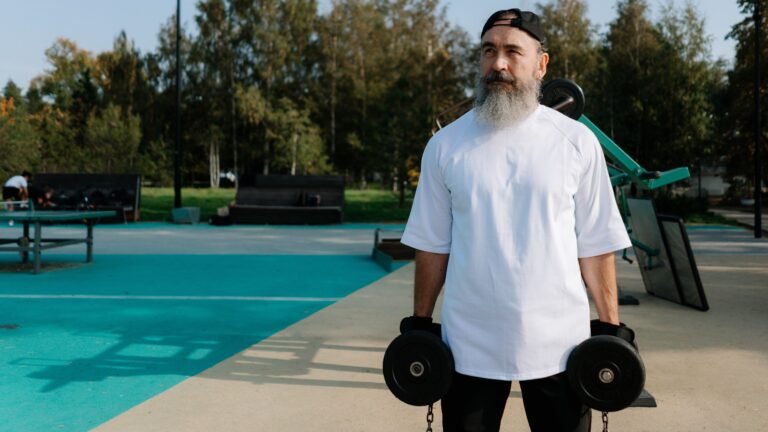
Muscle gain is one of the most heavily researched areas in sports science, and the findings are much duller than the industry built on top of them. Almost all of the result comes from about six variables. The last item on this list is the one nobody selling anything wants to mention.
Get Protein to Around 1.6g Per Kilo

A meta-analysis of 49 trials covering 1,863 people found gains plateaued at roughly 1.62g of protein per kilogram of bodyweight per day. That is about 130g for an 80kg man. The confidence interval stretched to 2.2g per kilo, so eating more is not harmful, but past the breakpoint it stops buying anything.
Do Ten to Twenty Hard Sets Per Muscle Per Week

Volume is the single strongest lever available and it follows a dose-response curve. Under five sets a week grows muscle but leaves results on the table, and ten or more produces the best outcomes in the research. Beyond about twenty sets the returns flatten while the fatigue keeps accumulating.
Train Each Muscle Twice a Week

When total weekly volume is held equal, splitting it across two sessions beats doing it all in one. The likely reason is unglamorous, which is that quality falls apart late in a very long session. A chest workout of eighteen sets contains a lot of sets nobody is actually performing well.
Take Sets Close to Failure

Effort is what makes a set count, and stopping four or five reps short leaves most of the stimulus unused. Aiming to finish with one to three reps left in reserve captures nearly all of it without wrecking recovery. Most people training in a commercial gym are further from failure than they believe.
Add Something Every Week

Progressive overload means the load, the reps or the sets have to move upwards over time or the body has no reason to adapt. Writing down what you lifted is the entire technique. Lifters who train hard for years without a notebook are usually repeating the same workout in slightly different clothing.
Stop Arguing About the Rep Range

Anywhere between roughly five and thirty reps produces similar muscle growth as long as the set is taken close to failure. Heavier loads build more strength and lighter ones are easier on the joints. Pick what you will actually keep doing, because the range you enjoy beats the range on the internet.
Rest Longer Between Sets

This one surprises people. Trained lifters resting around three minutes between sets built more muscle than those resting one minute, because the longer rest allowed meaningfully more weight and reps on the following set. Short rests feel more productive and are not.
Eat in a Small Surplus

Building tissue needs surplus energy, but the surplus does not need to be large, and a big one mostly adds fat you will spend months removing. A few hundred calories above maintenance is enough. If the scale is climbing faster than about half a kilo a week, most of what is arriving is not muscle.
Sleep

The least popular entry and one of the most consequential. Short sleep blunts recovery, raises perceived effort in the gym and shifts the composition of what you gain in the wrong direction. Nobody has ever out-supplemented five hours a night.
Take Creatine and Ignore Nearly Everything Else

Creatine monohydrate at three to five grams a day is the most researched supplement in existence and one of very few with a consistent effect on strength and lean mass. It costs almost nothing. Practically every other tub in the shop is buying you a rounding error at best.
The Ceiling Nobody Advertises

Even doing all of the above correctly, a beginner might add one to three pounds of muscle in a good month, an intermediate half a pound to one and a half, and anyone past their first couple of years considerably less. Nothing legal compresses that timeline much, which is worth knowing before you judge your progress against somebody on the internet. Fast, in this context, means being consistent for years rather than months.
About the Author