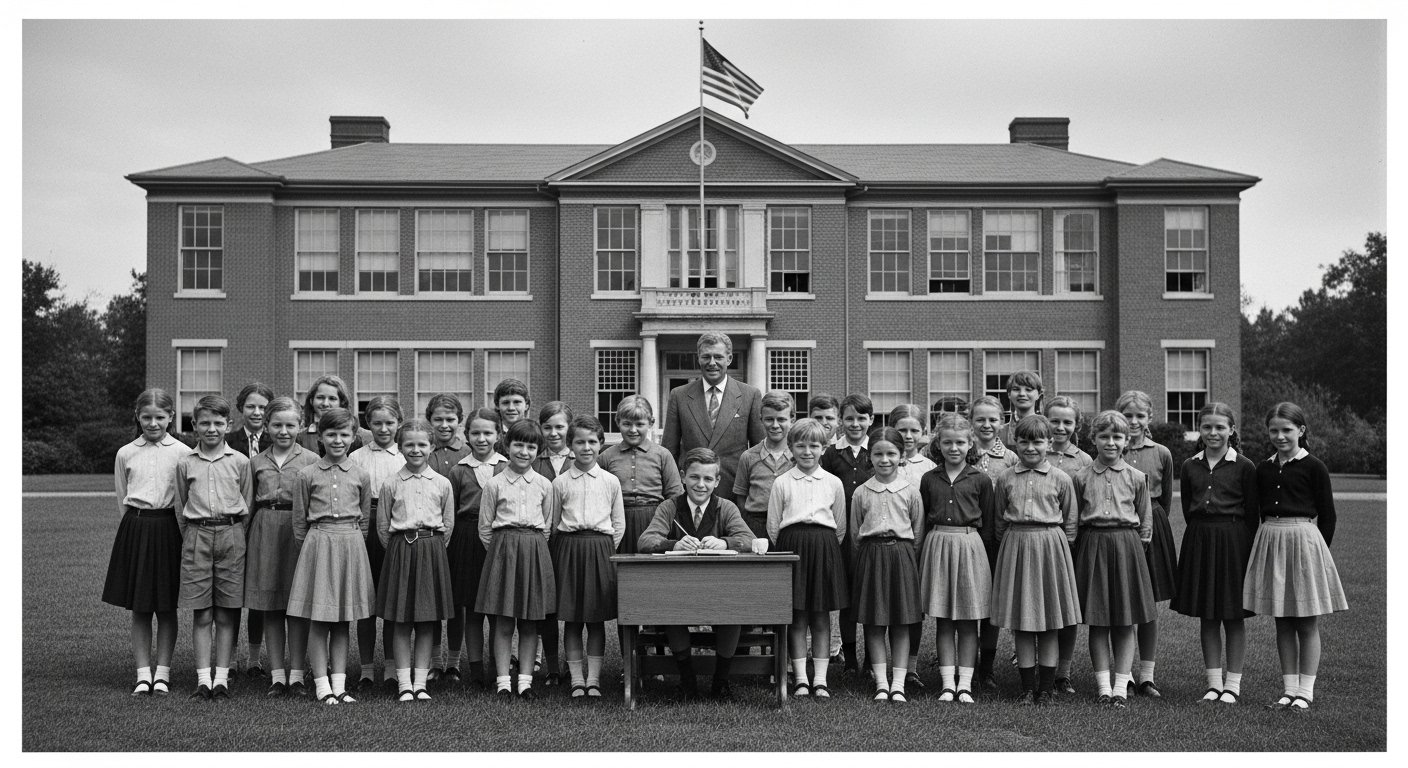
The 1950s shaped American history, with school lessons mirroring the era’s values and social norms. The schools were very different in the way they looked, touched and worked in contrast to the present-day technological and inclusive learning schools. Through discipline to conservative teaching methods, structure and routine defined the experience of the students in the 1950s. The following is a peek of how the US schools stood out during this memorable decade.
Tough Classroom Discipline
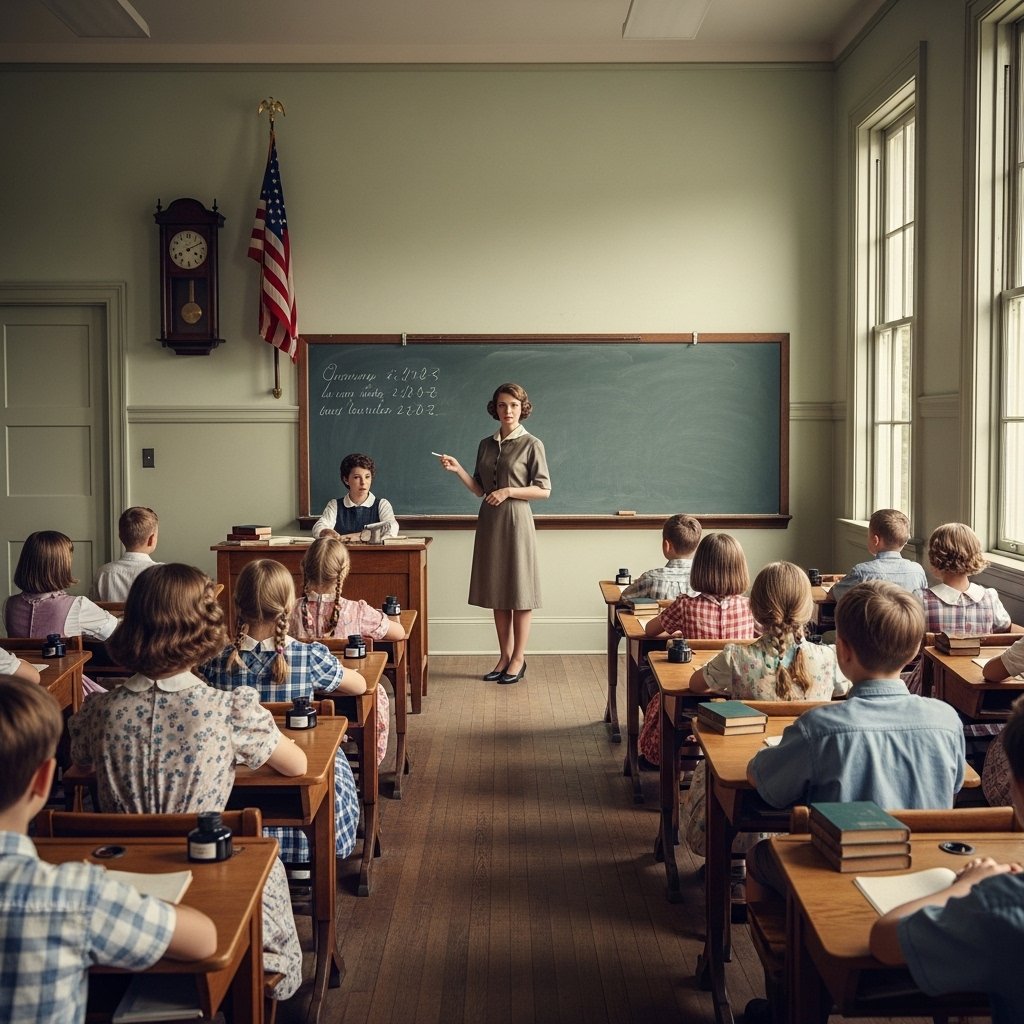
In the schools of 1950s, discipline was strict and beyond doubt. The teachers were considered as supreme authorities and students were supposed to obey rules unquestioningly. Punishments and corrections related to bad behavior were harsh and quick in responses to maintain a culture of obedience and respect which influenced everyday classroom communication.
Inadequate Technology in Classrooms
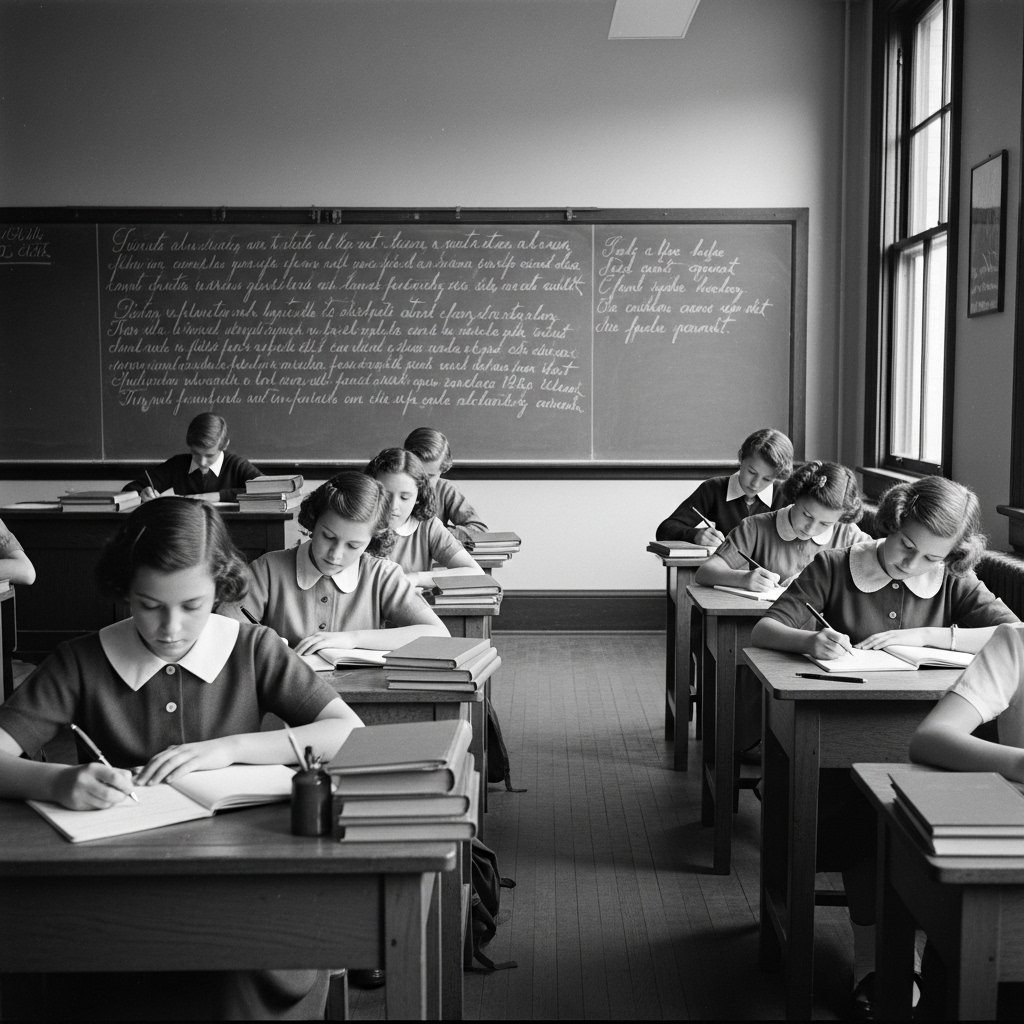
As compared to the digital learning tools that are being used today, 1950s classrooms were quite dependent on hand written notes, textbooks and chalkboards. Projectors in films were however viewed as hi-tech. Lessons were more traditional and teacher-centered since there were no computers, smartboards, and access to internet.
Gender-Specific Expectations

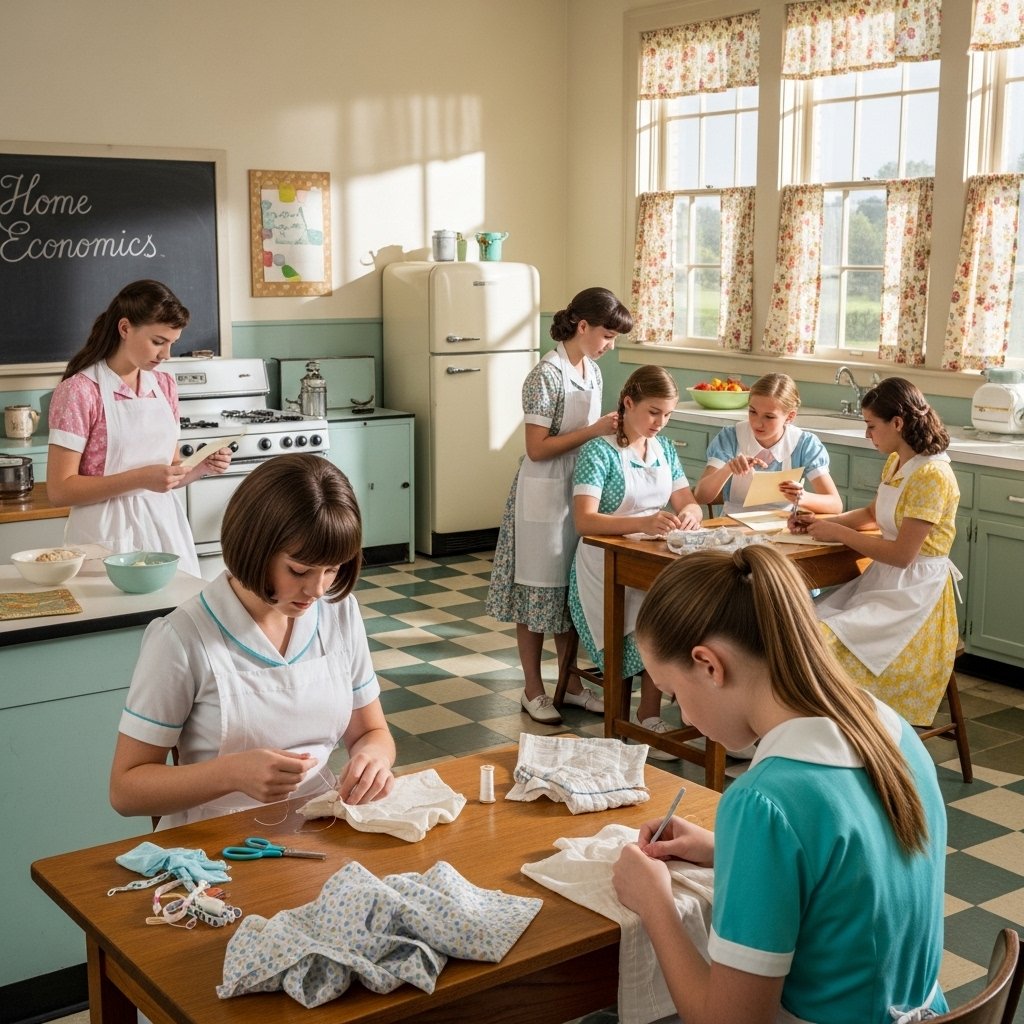
Boys and girls were usually directed to various academic and extracurricular activities. Female students typically had home economics classes and male students were inspired to take up shop or industrial arts. These formalized positions were a display of the greater cultural anticipations of the decade.
The Impact of Brown v. Board of Education
The 1954 groundbreaking Supreme Court case of Brown v. Board of Education initiated the desegregation process of the public schools. Although the application was different in different states, this decision was a historic boundary in the setup and future of American education.
Emphasis on Patriotism
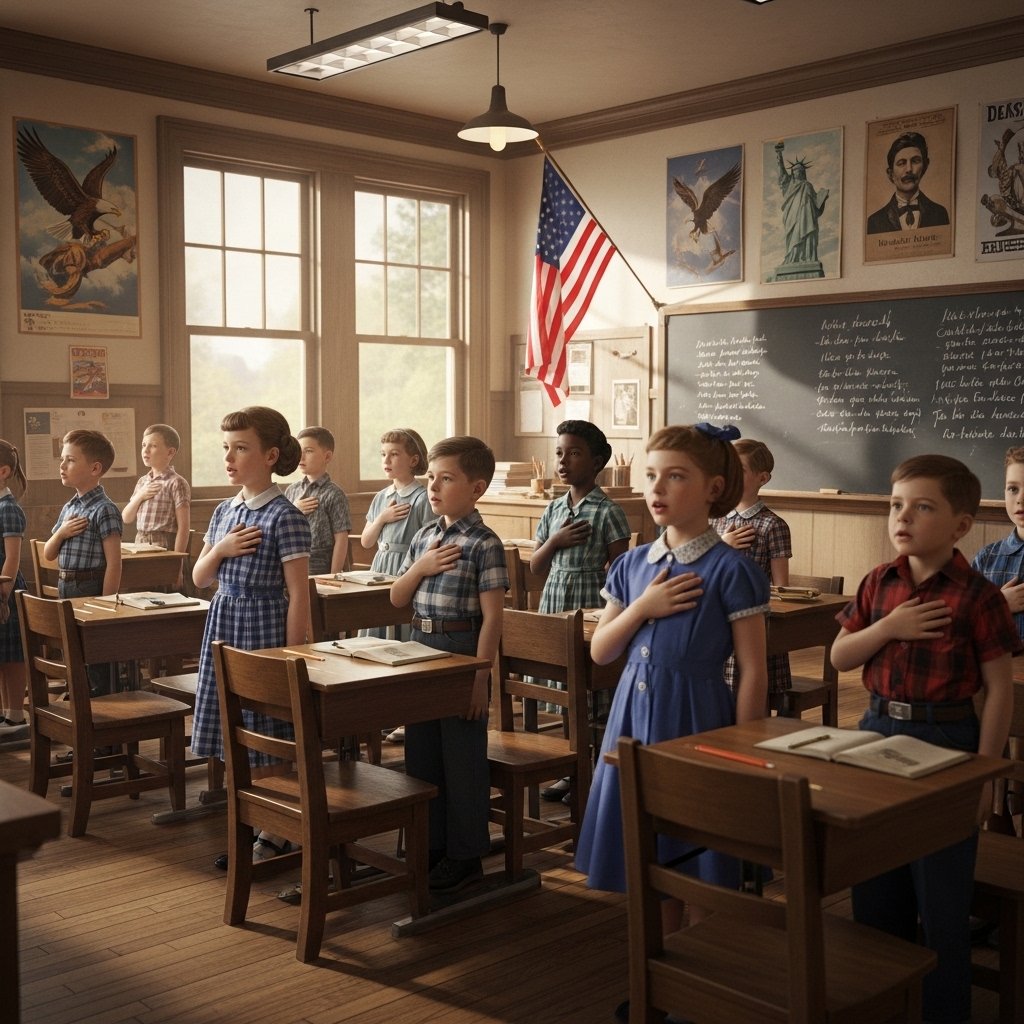
Schools had a high emphasis on patriotism during the Cold war period. There were regular flag ceremonies and recitation of the Pledge of Allegiance by the students. The national issues at the time were also related to lessons, which emphasized American history and civic responsibility.
Conventional Instructional Techniques
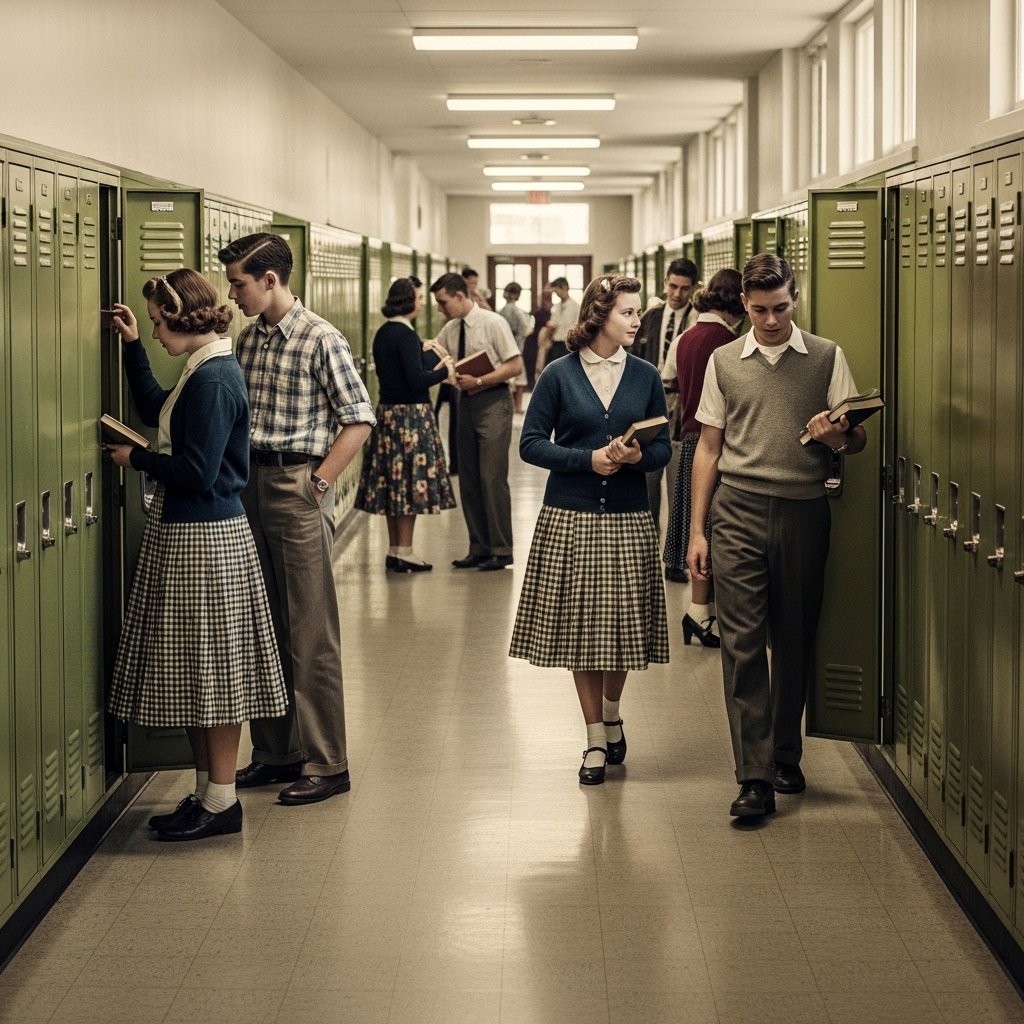
Classrooms were characterised by lecture based instruction where the teacher stood at the front of the classroom talking as the students sat in their seats and listened. Learning in groups and collaboration projects were not common. Repetition and memorization are some of the strategies employed in the process of making sure students master necessary subjects.
Dress Codes Were Strict
The students in the 50s were supposed to be dressed in a neat and conservative manner. Boys generally had the collared shirt and slacks and girls were mostly in dress or skirt. Informal attire, such as jeans and sneakers, was not very typical among most schools, thus supporting a professional look.
Smaller Curriculum Variety
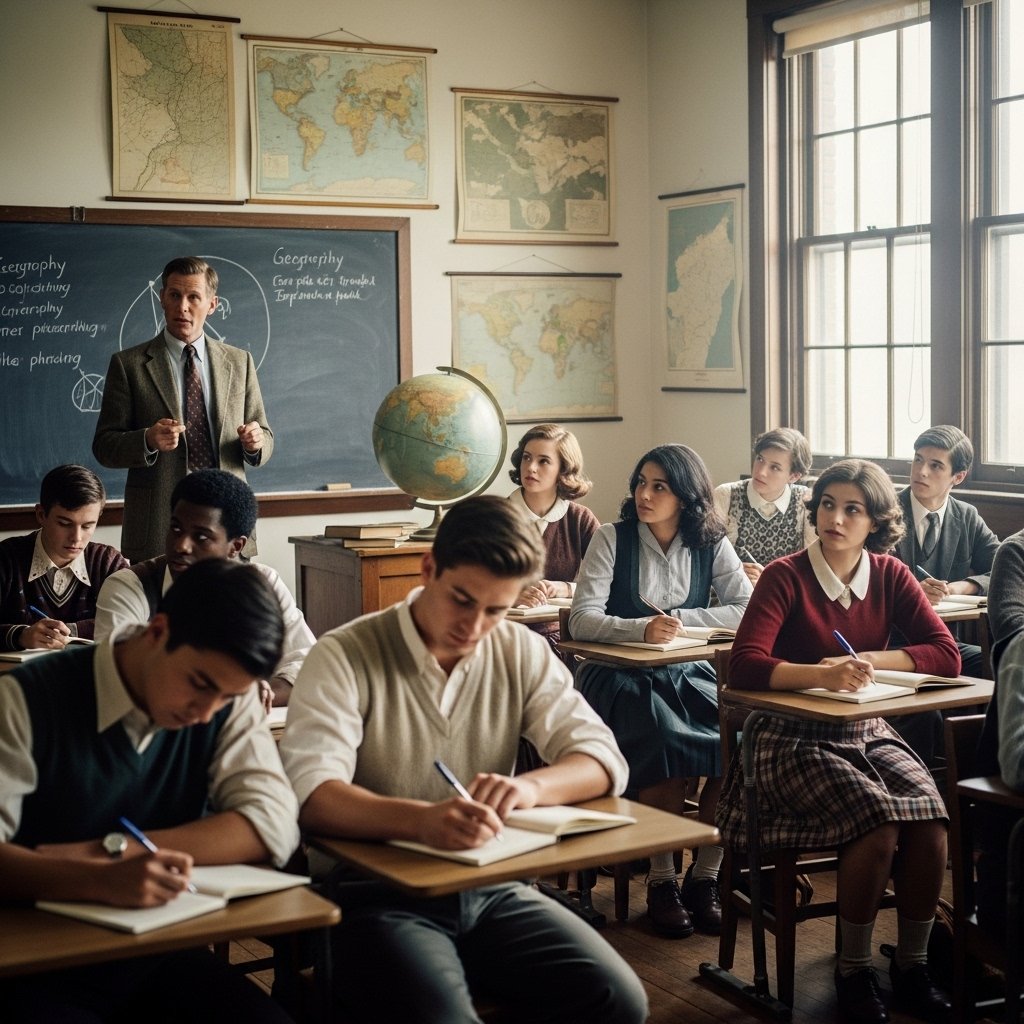
The choice of courses was smaller than the current wide range of courses. There was no wide availability of advanced placement programs, various electives, and career tracks. The majority of students pursued a uniform academic course that concentrated on basic courses such as math, science, and literature.
School Culture based on Community
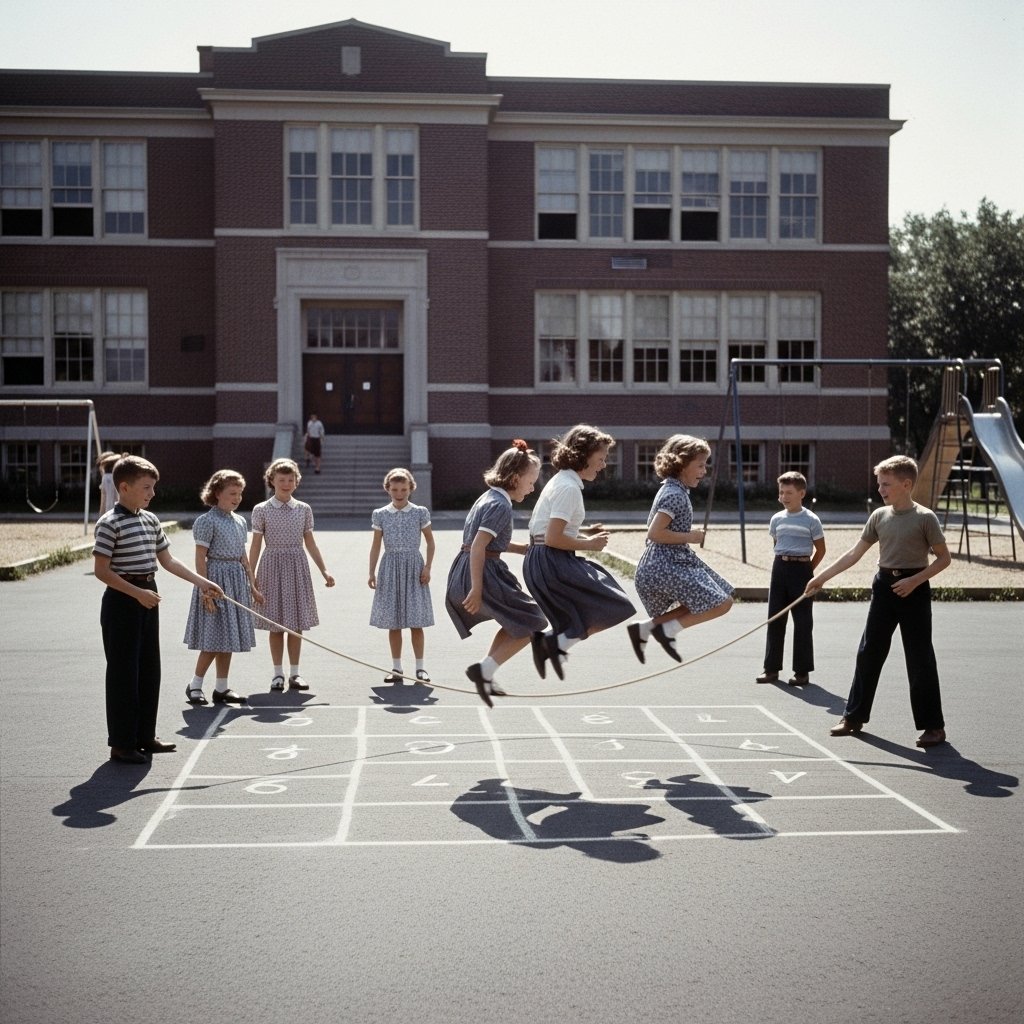
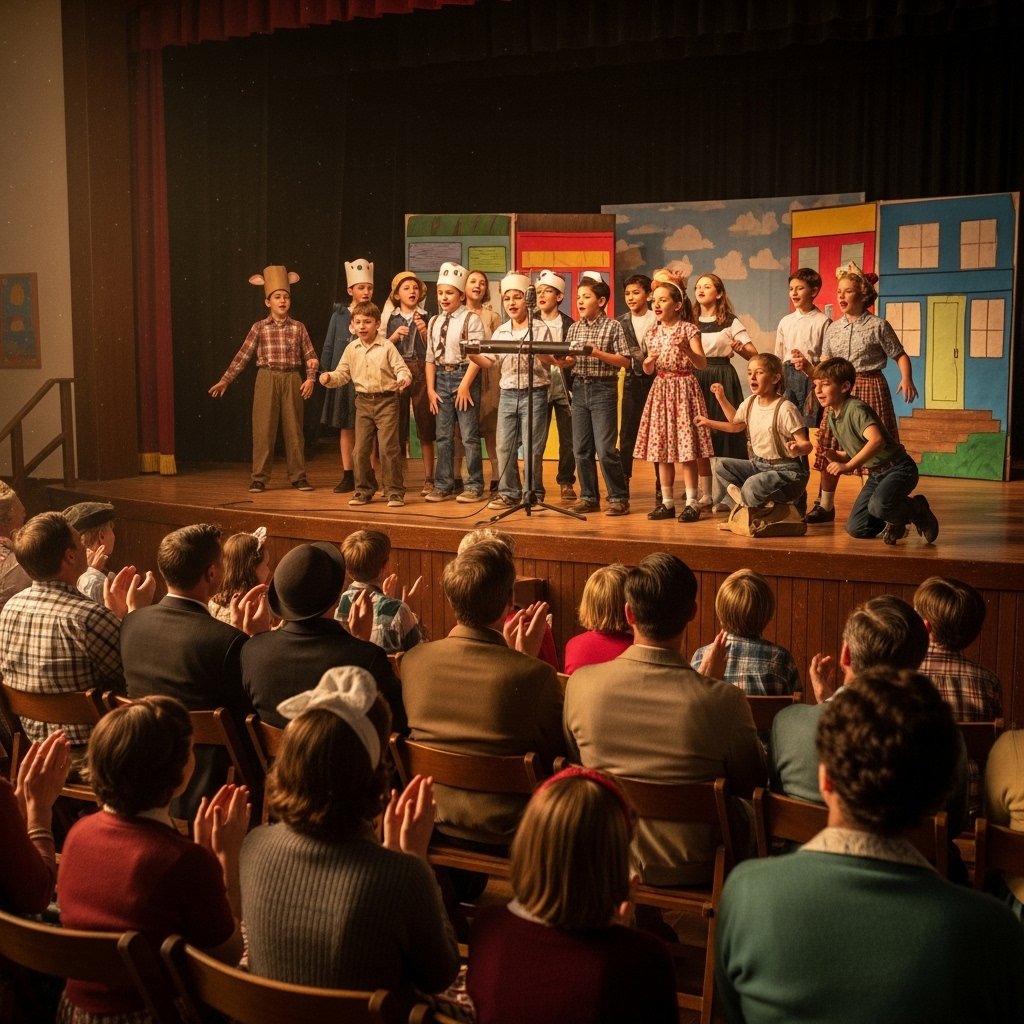
Schools were well integrated in local communities where many other activities and events took place. Parental engagement was more local and community-based, creating a close-knit educational climate reflecting neighborhood values.
About the Author