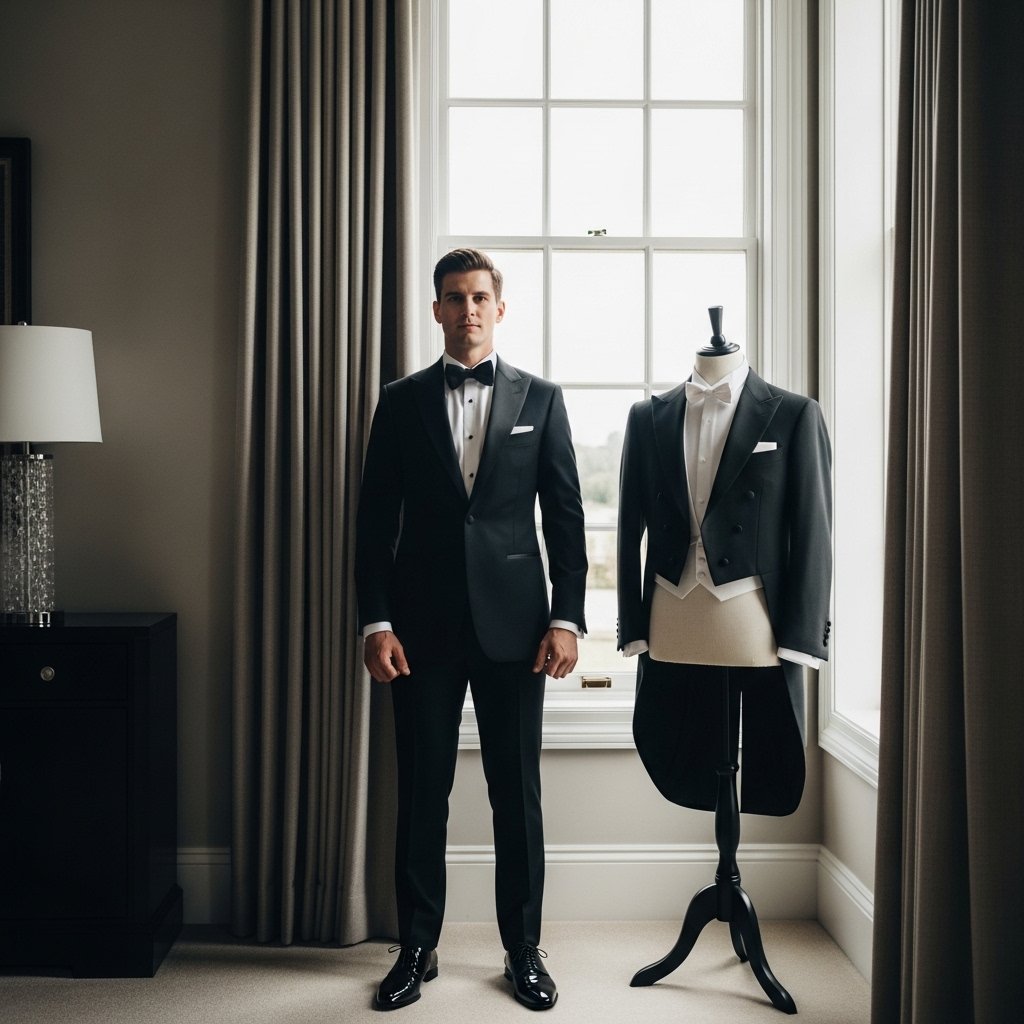
Weddings often come with dress codes that can feel both exciting and intimidating, especially when the invitation mentions black tie or white tie. Understanding what these formal terms truly mean helps guests arrive feeling confident, appropriately dressed, and fully prepared to honor the elegance and tradition of the celebration without uncertainty or last minute stress.
Black Tie Defined
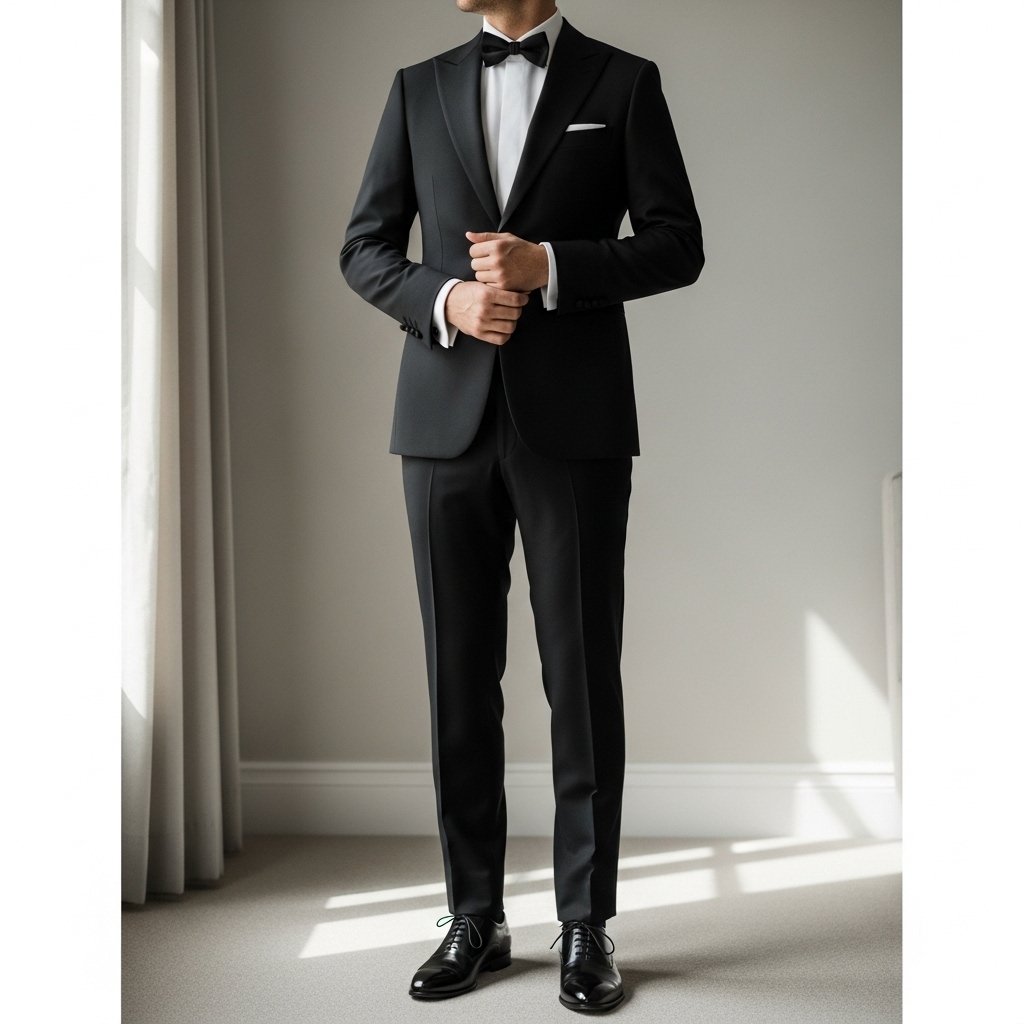
Black tie is a formal evening dress code that typically begins after 6 p.m. and calls for refined, elegant attire suitable for a sophisticated celebration. For men, this traditionally means a black tuxedo jacket with matching trousers, a formal white dress shirt, a black bow tie, and polished dress shoes, while women are expected to wear a floor length gown or an elegant formal dress that reflects the occasion’s elevated tone.
White Tie Explained
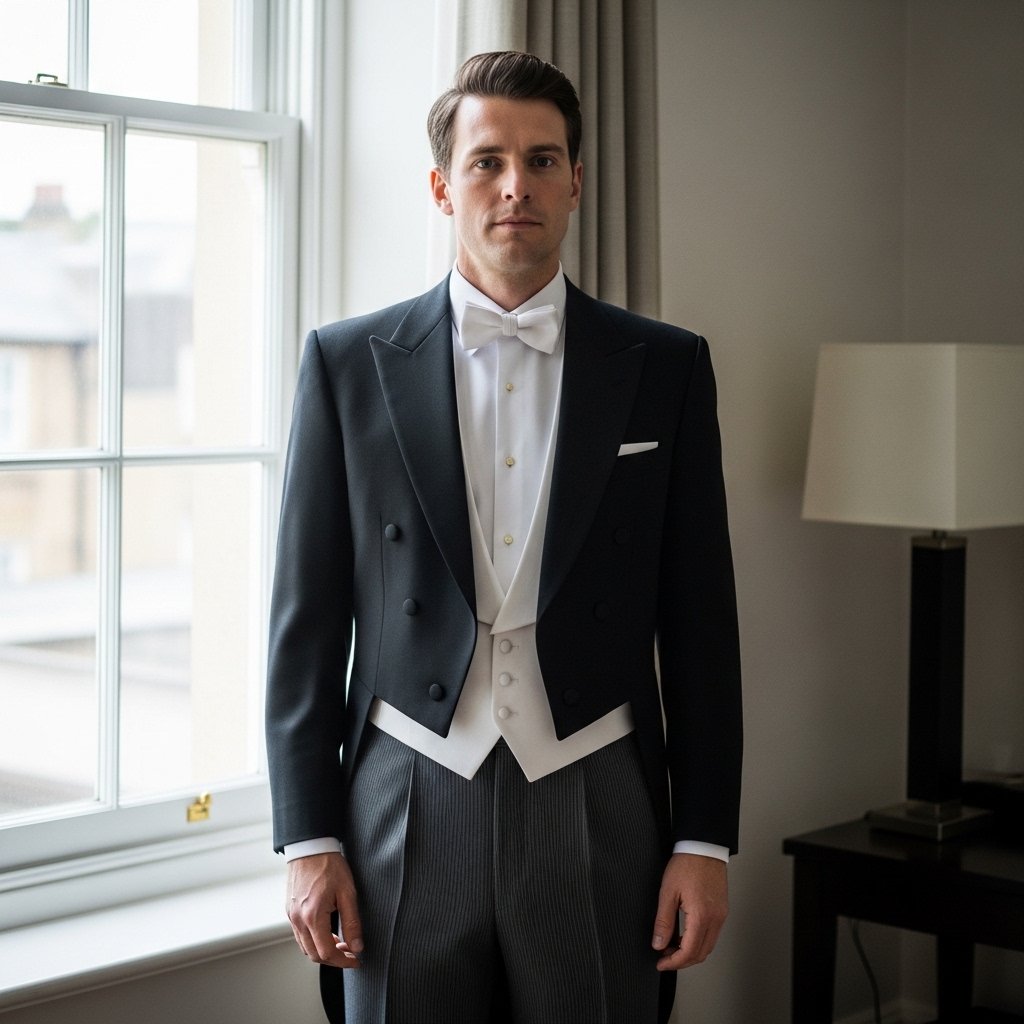
White tie represents the highest level of formal dress and is far more traditional and structured than black tie. For men, this includes a black tailcoat, matching trousers with a satin stripe, a stiff white wing collar shirt, a white bow tie, and a white waistcoat, while women are expected to wear full length evening gowns that are exceptionally formal and styled with classic sophistication.
Key Differences Between the Two
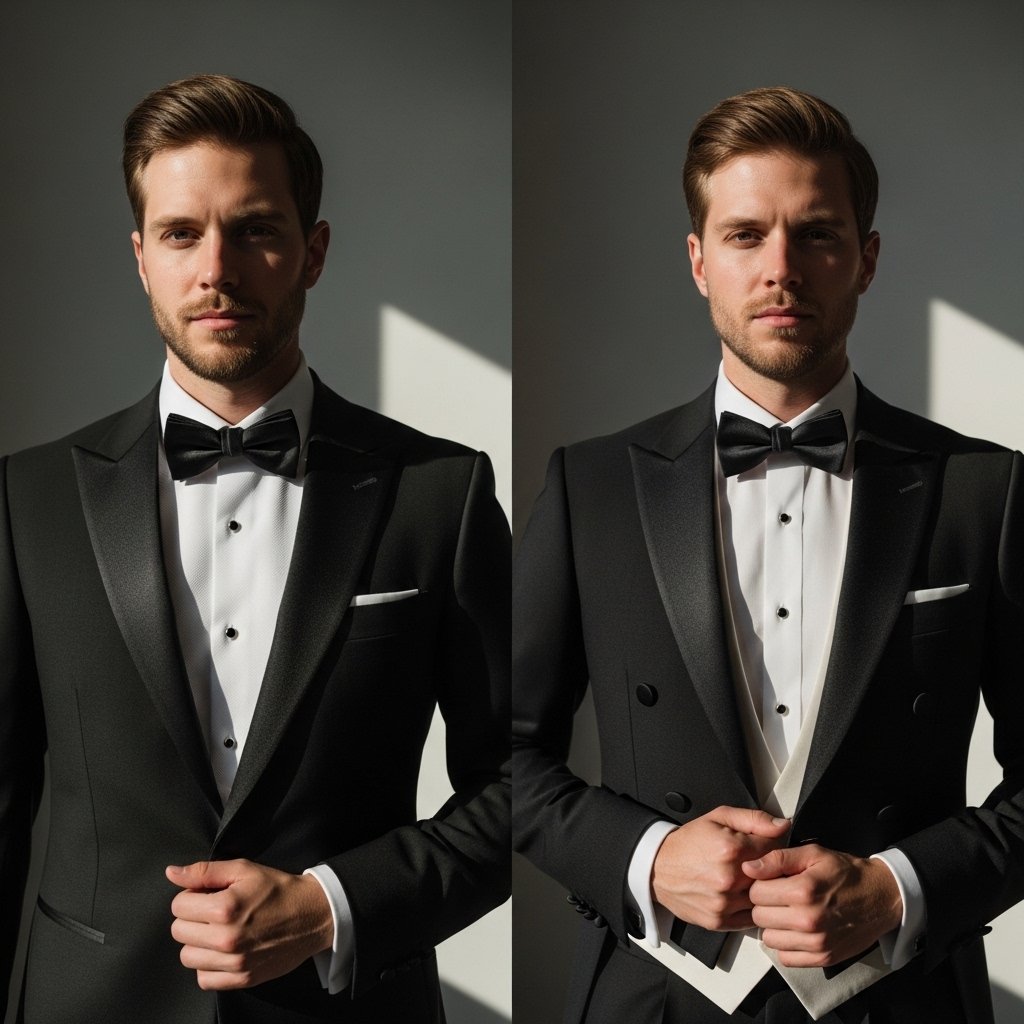
The primary distinction between black tie and white tie lies in their level of formality and historical tradition. While black tie is considered very formal and common at upscale weddings, white tie is reserved for the most prestigious and ceremonial occasions, requiring stricter adherence to traditional elements and leaving little room for modern interpretation.
Choosing the Right Gown
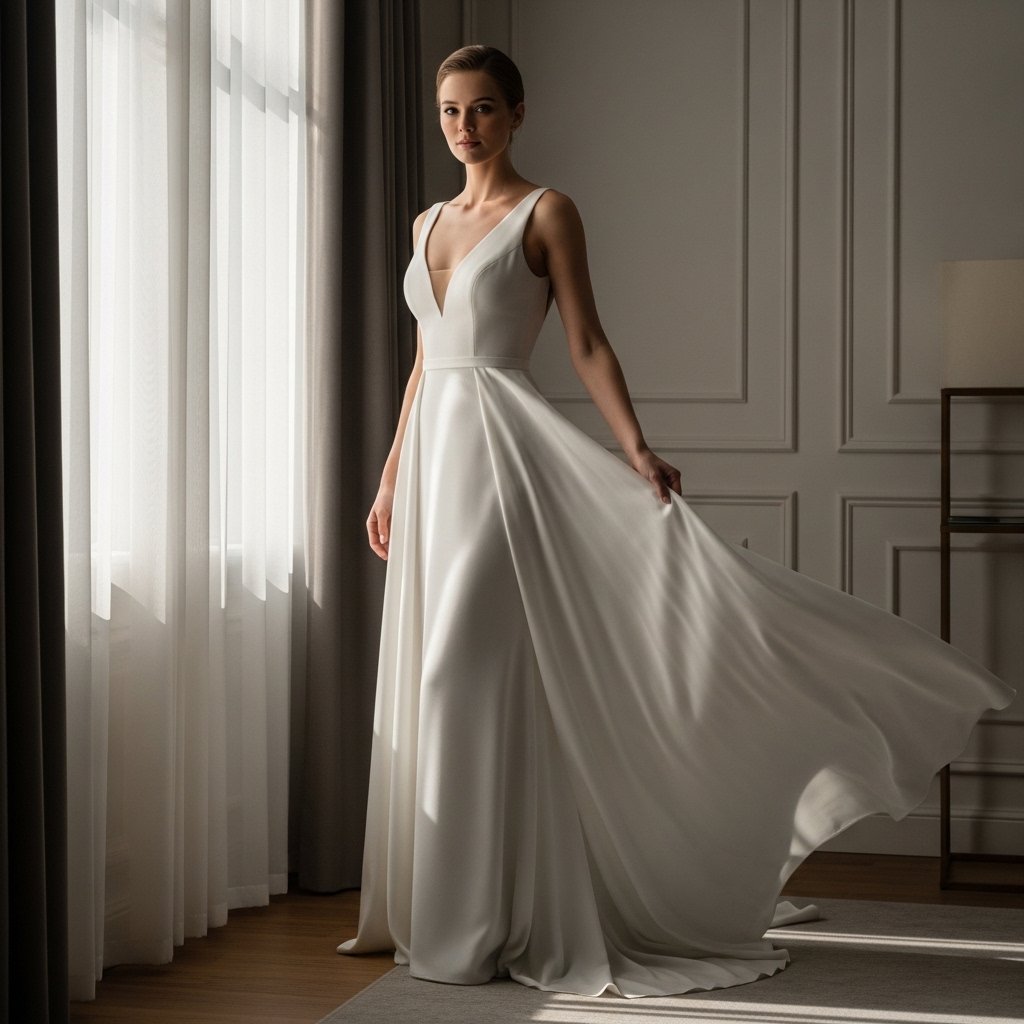
When attending a black tie wedding, women have some flexibility in selecting a long evening gown or an elegant formal dress that falls below the knee, provided the overall appearance remains polished and refined. For white tie events, gowns should always be floor length and formal in structure, often featuring classic silhouettes and luxurious fabrics that reflect the grandeur of the setting.
Suiting Standards for Men

For black tie weddings, a well tailored tuxedo with a black bow tie is the standard expectation, and details such as cufflinks and a formal shirt enhance the finished look. In contrast, white tie attire demands precise components including the tailcoat and white waistcoat, and substitutions such as a regular tuxedo jacket are not considered appropriate.
Footwear and Accessories

Footwear plays a crucial role in completing both black tie and white tie outfits, as casual shoes can undermine even the most elegant clothing. Men should wear highly polished formal dress shoes, while women should select refined evening shoes that complement the gown, with accessories kept tasteful and harmonious rather than bold or distracting.
Understanding Time and Venue
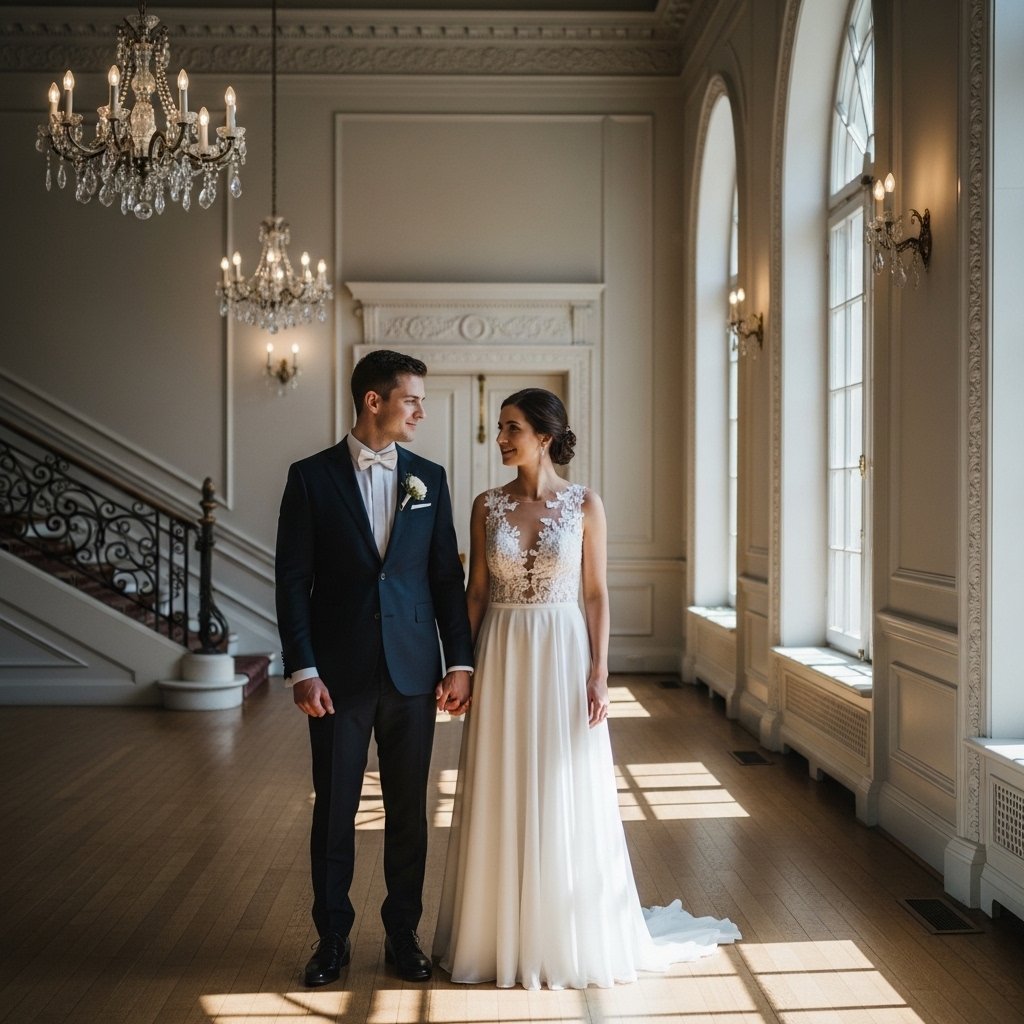
Black tie weddings are most commonly held in the evening at upscale venues such as grand ballrooms, luxury hotels, or historic estates, where the atmosphere supports formal attire without excessive rigidity. White tie occasions are often associated with landmark venues or highly traditional ceremonies, where the surroundings themselves reinforce the need for impeccable and classic dress.
Common Mistakes to Avoid

One of the most frequent errors guests make is underdressing due to uncertainty about the formality level, which can result in feeling out of place throughout the celebration. Choosing a standard dark suit instead of a tuxedo for black tie or attempting to substitute a tuxedo for white tie attire may unintentionally signal a misunderstanding of the event’s expectations.
Confidence Through Preparation

Understanding the nuances of black tie and white tie allows guests to approach the wedding day with assurance rather than hesitation. Taking time to review the invitation carefully, selecting attire well in advance, and ensuring proper fit and grooming can transform the experience into one of comfort and confidence, allowing full appreciation of the ceremony’s elegance and tradition.
About the Author