Travelling by air has become a normal thing, but minor errors make it a nightmare. Missed flights, baggage mess, and numerous issues with the boarding begins much earlier than you are on the plane. According to travel experts, some pre-boarding practices cause delays, additional charges, and unwarranted worry. To have smooth travels, fewer surprises and a relaxed departure, here are ten things that professionals say you ought to avoid before you board your next plane.
Coming to the Airport Late
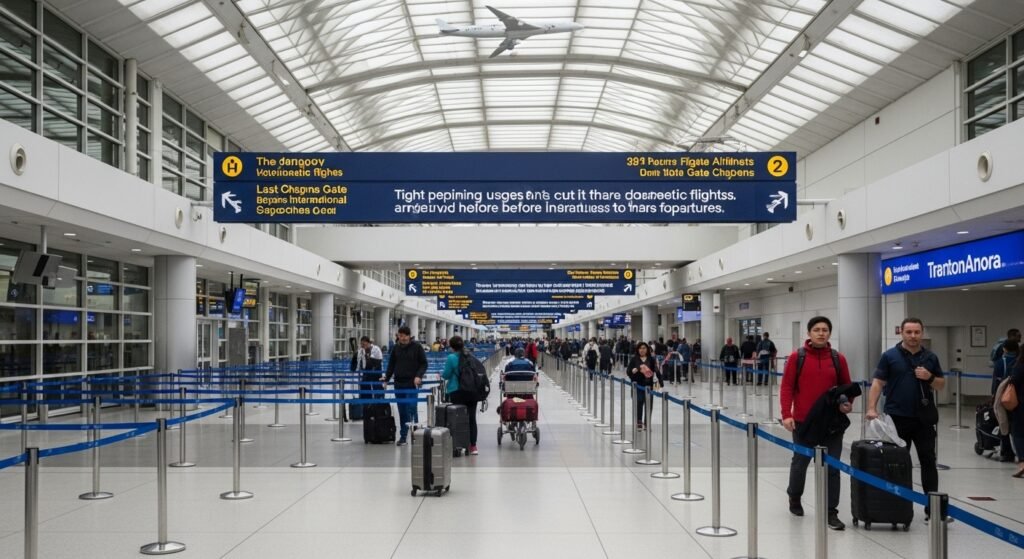
It can be tempting to cut it to the wire, but it is dangerous. The airlines usually suggest arriving at least two hours before domestic flights and three hours before international departures. Tight schedules can be derailed by security lines, traffic and last-minute gate changes. Big airports such as the Hartsfield-Jackson Atlanta International Airport receive huge numbers of passengers per day, and delays are not a rare occurrence. Coming early will save on stress and will save you from falling behind boarding cutoffs, which are usually 15-30 minutes before departure.
Ignoring Online Check-In
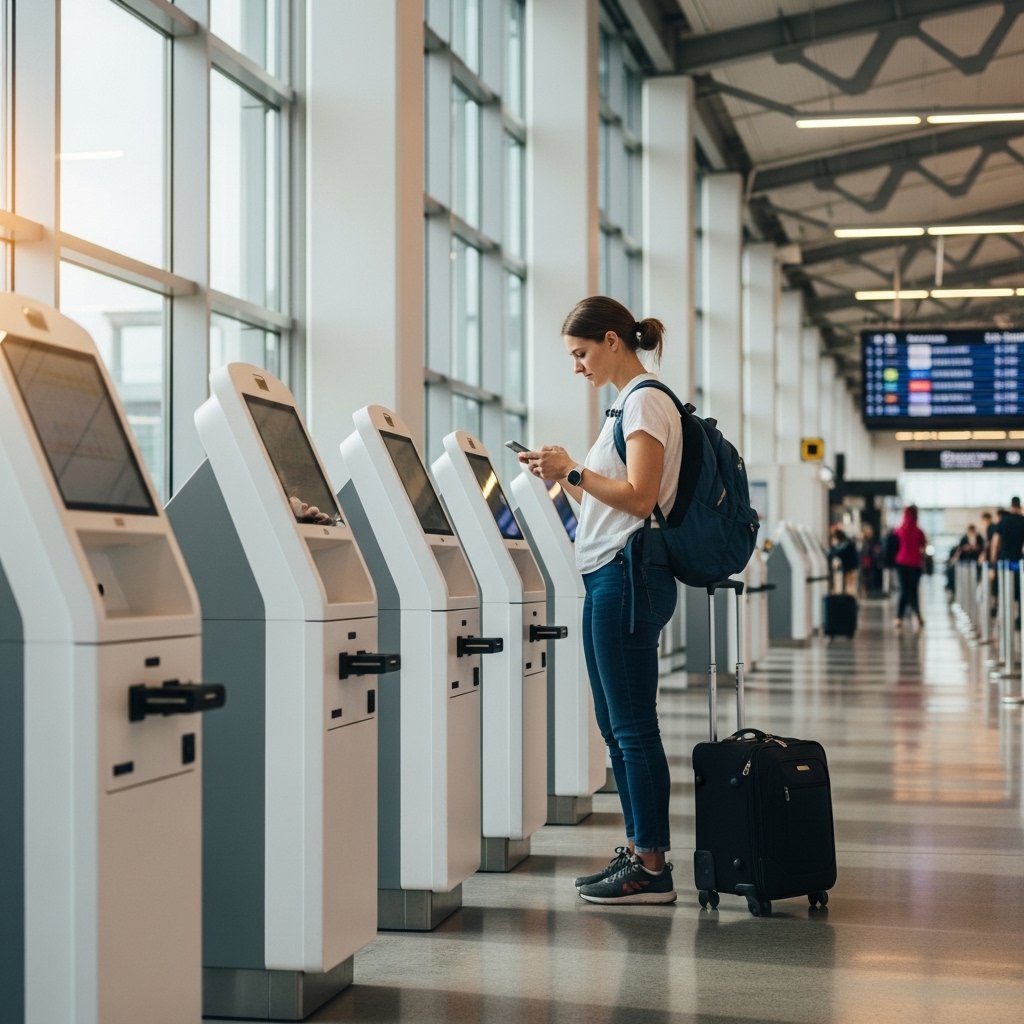
The online check-in is not the company’s, and their ability to book seats. Check-in. Most airlines open 24 hours before departure, and you can check in, pay baggage fees and print boarding passes for your ticket and flight. Aircraft like American Airlines and IndiGo Airlines promote the use of electronic check-in to ease the movement at the airport. It also notifies you of schedule changes early enough before it is too late to make adjustments
Overpacking Your Carry-On
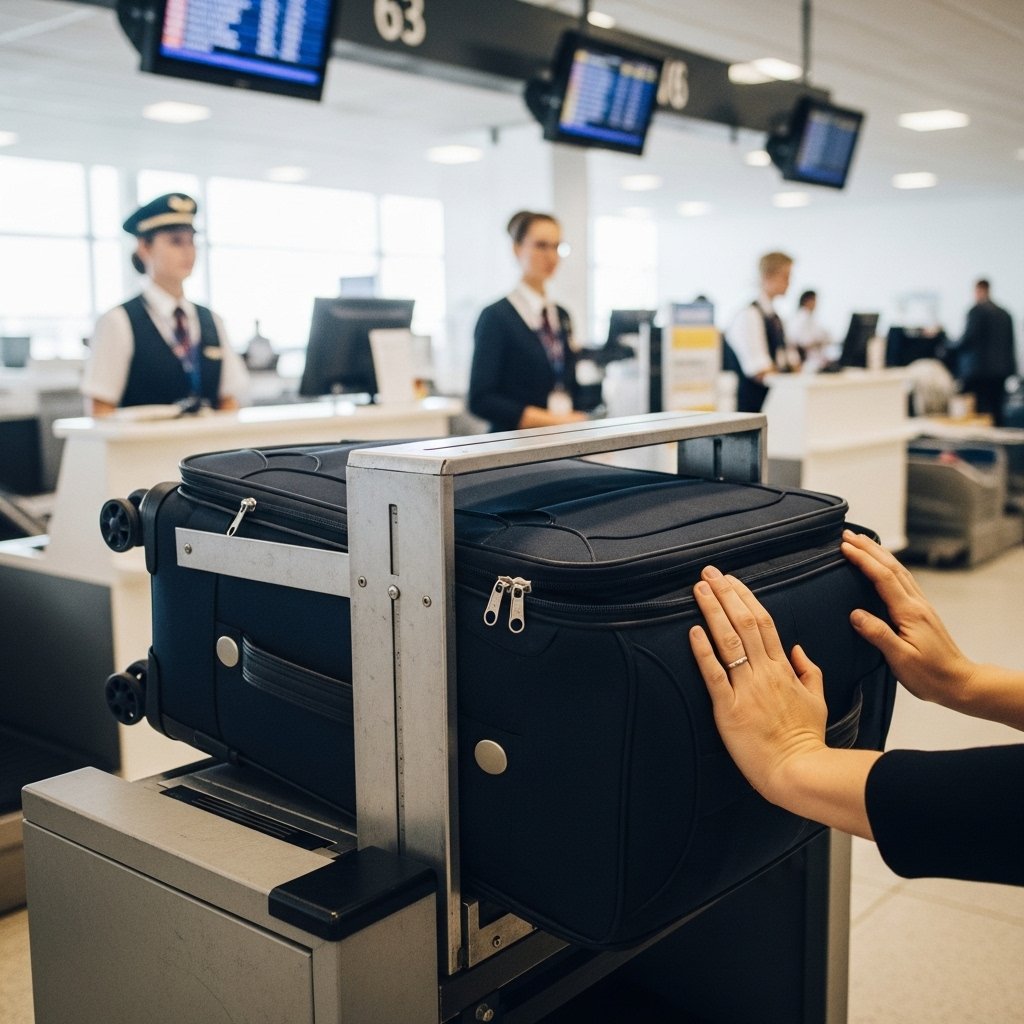
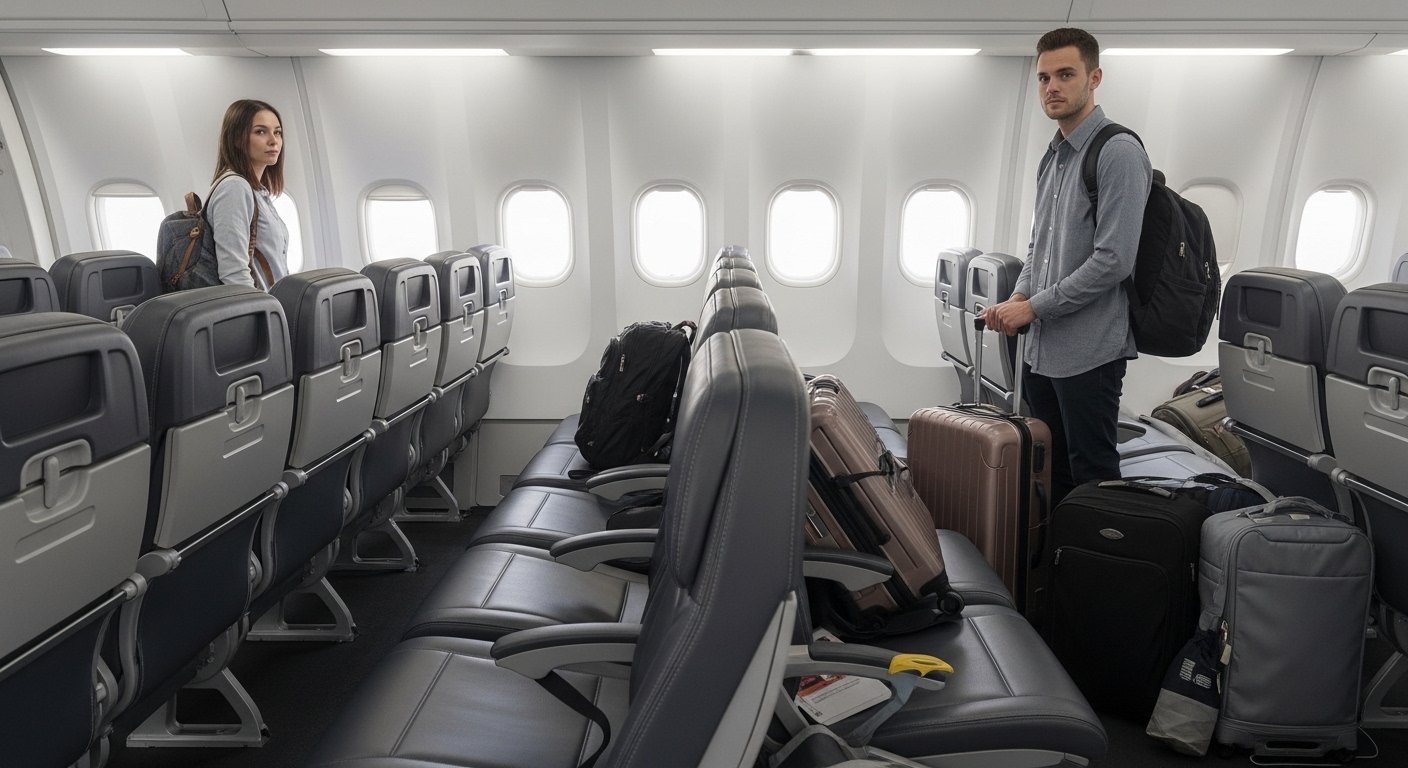
Putting large bags in the overhead carry leather bags slows down the boarding process of the plane and irritates other passengers. Carry-on baggage in cabins is highly limited, and the last-minute checks at the gate may cause delays. Low-cost airlines such as Ryanair are very strict on compliance with size. Beforehand, weigh and measure your bag.
Leaving Passport Validity to Be Forgotten

Most countries have a six-month requirement as to the duration of passport validity before your day of travelling. Vegetable tourists who are destined to countries like Thailand or the United Arab Emirates might be refused boarding in case their documentation is not in line with the validity requirements. The airlines have the power to reject the passengers who do not comply with the destination rules.
Complicated Clothing at Security
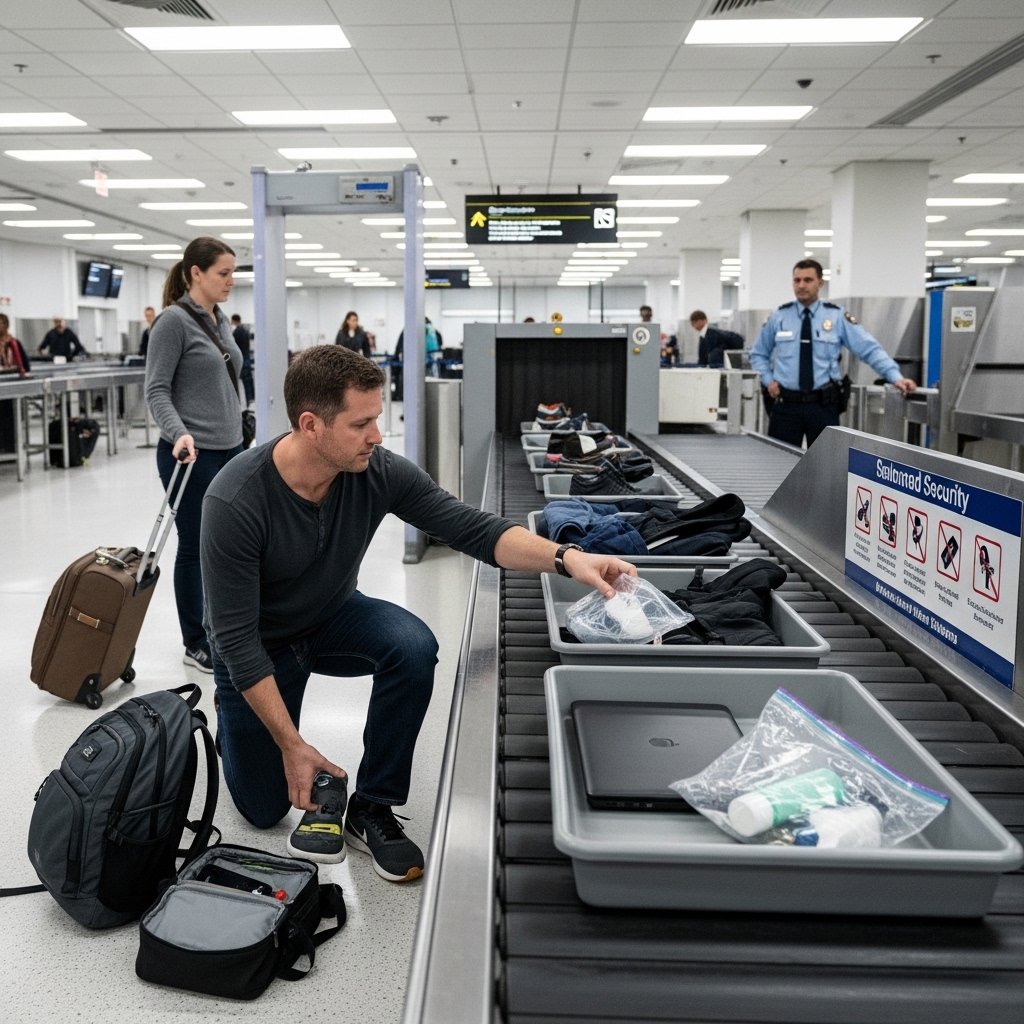
Outfits are layered, metal objects are used, and boots work up the security lines, which are laced. The agencies, such as the Transportation Security Administration, suggest easy to strip off shoes and minimal metals. Streamlining your wardrobe will assist you in getting through the checkout process faster and will also minimise the stress level of both you and other people behind you.
Booking Too Early Without Preference
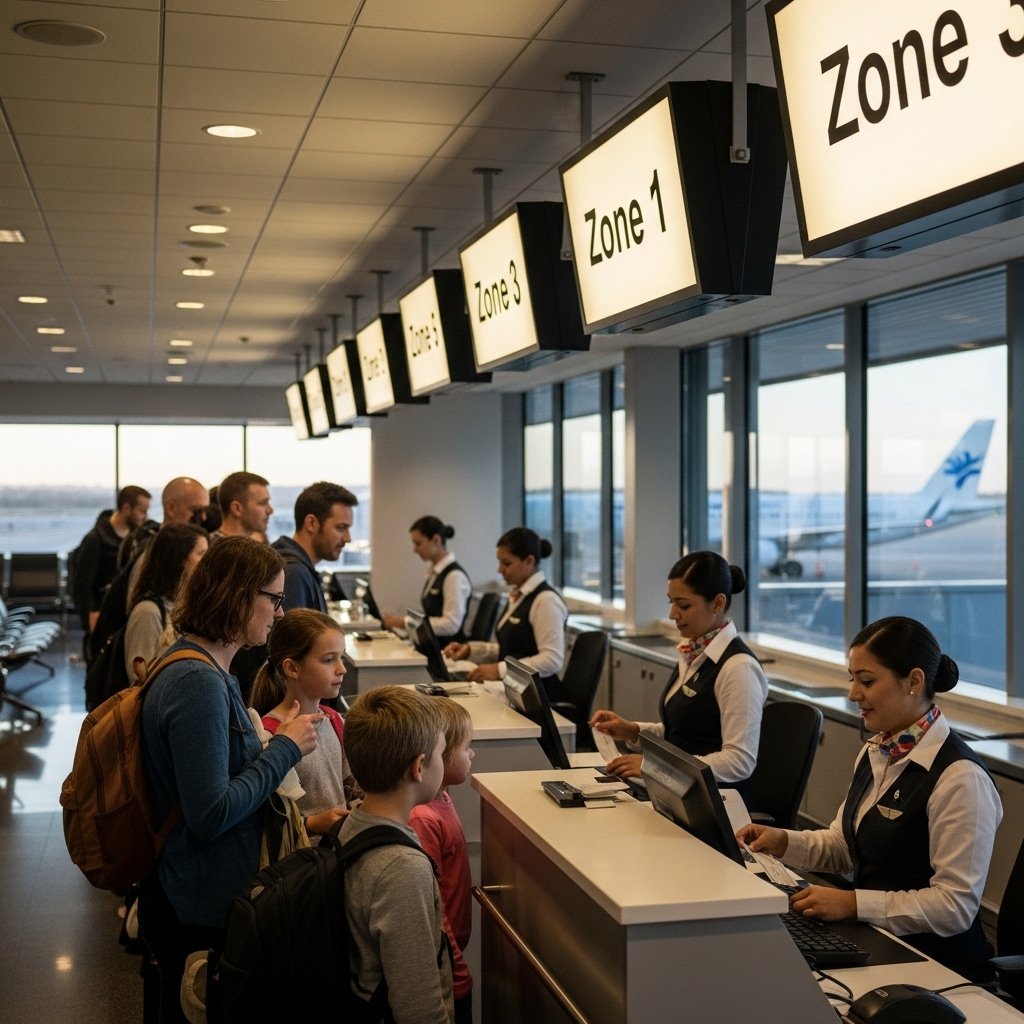
It is called crowding in the boarding area before your group, and it brings about congestion. Zone systems are efficient flow control by airlines. It is always best to wait until your group is called off to keep the aisles clear and easier to get up. It is better to respect the process, which will be beneficial to all people and will save a lot of unnecessary tension around the gate.
Couse Howell and Tidsall to skip Hydration and Meals
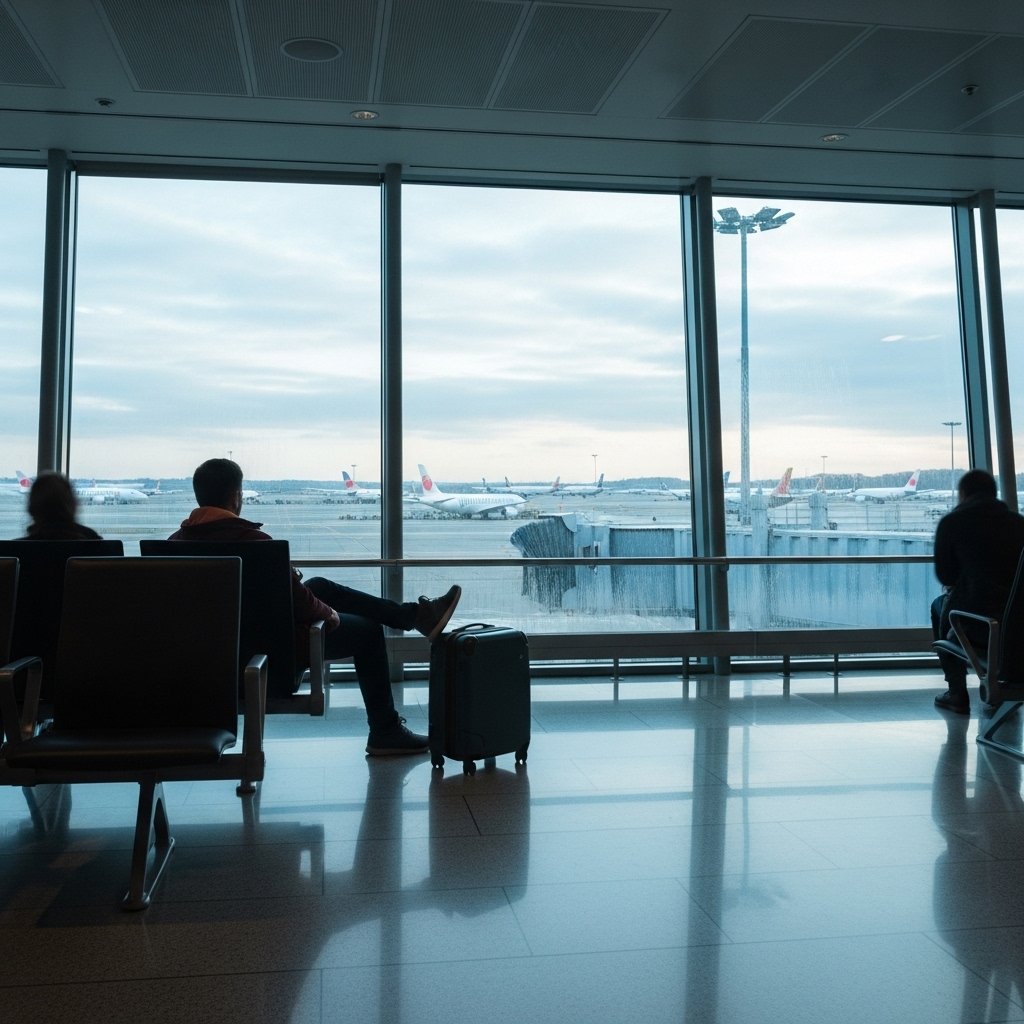
During flights, dehydration is prevalent because the cabin is not humid. The professionals recommend drinking the water prior to boarding and bringing an empty reusable bottle to fill up after security. It is not advisable to board very hungry, but in cases of short flights where meals might not be served, you should board with a full stomach. Balanced energy will make you feel comfortable and relaxed during travelling.
Ignoring Weather and Delays Warnings
Weather delays continue to be one of the major causes of delay in flights. Tracking airline communications and airport applications assists you in predicting changes in the schedule. Wireless snow or heavy precipitation may cause ripple effects on whole networks. You can save yourself the inconvenience of having to spend the night in a hotel by making contingency plans or having flexible links.
Neglect of Travel Insurance
A significant number of travellers do not take insurance to save money, and cancellations, medical emergencies, or lost luggage can cost much more. Trip interruptions and baggage delays are usually covered by the policies. Board before takeoff- ensure you have the details of your coverage and keep them handy. It is a minor measure that promises great peace of mind.
About the Author