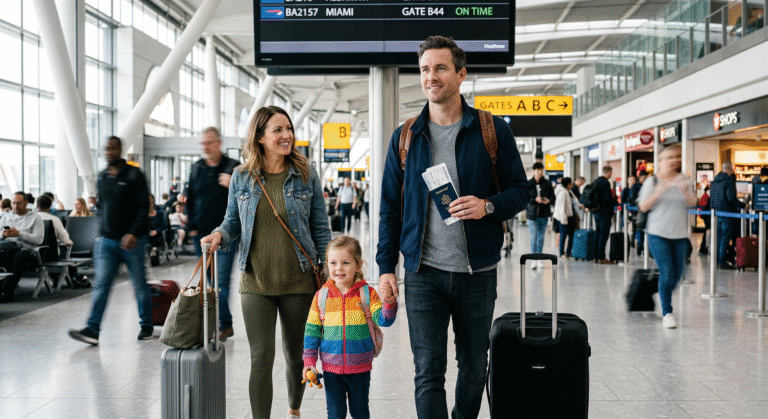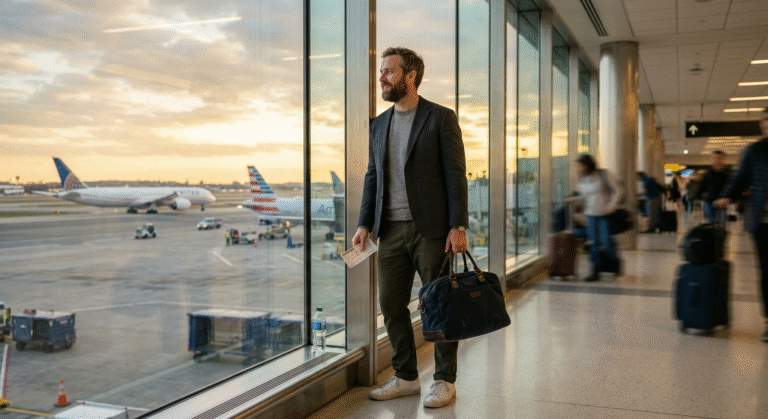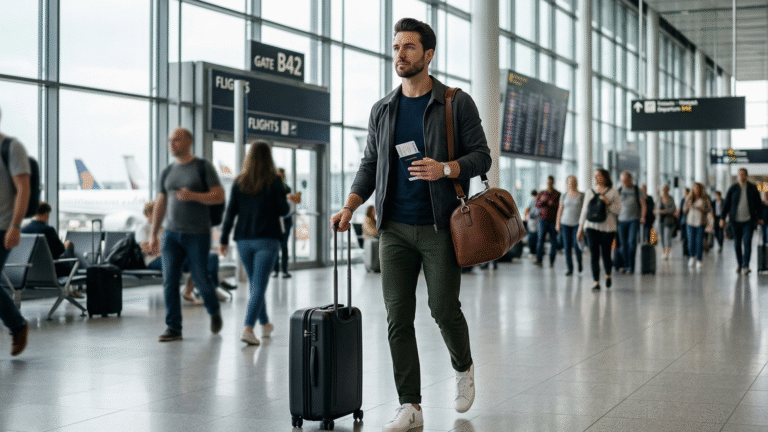
The “Solo Wellness Sabbatical” is the breakout travel habit for men in the U.S., moving away from traditional party-heavy vacations toward intentional, silent, and health-focused trips. The present transformation shows that people want to break away from their electronic devices because they want to achieve both physical and mental clarity. Men who choose to spend time alone instead of going on “the guys’ trip” experience more vitality and a stronger connection to their life objectives when they come back home.
The Rise of “Silent” Nature Treks
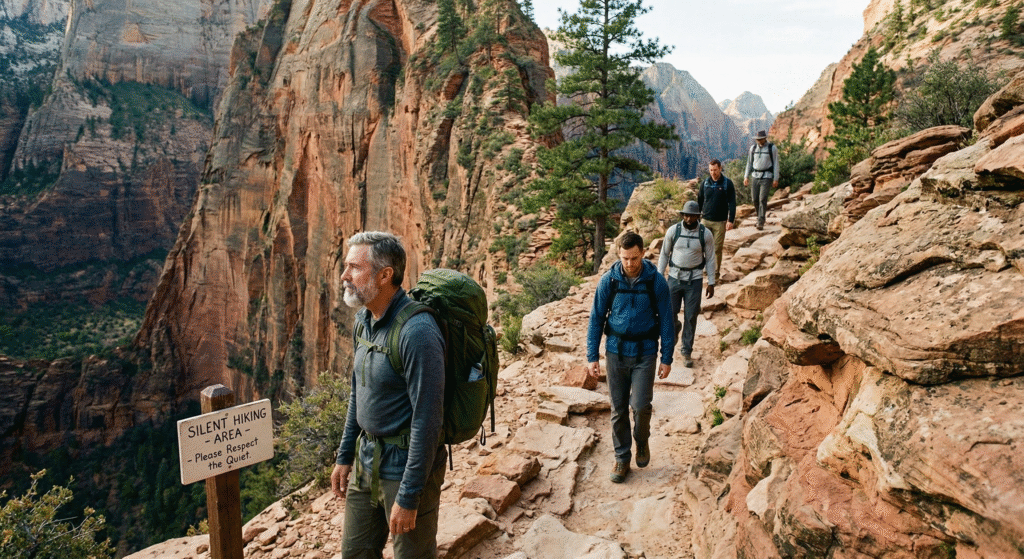
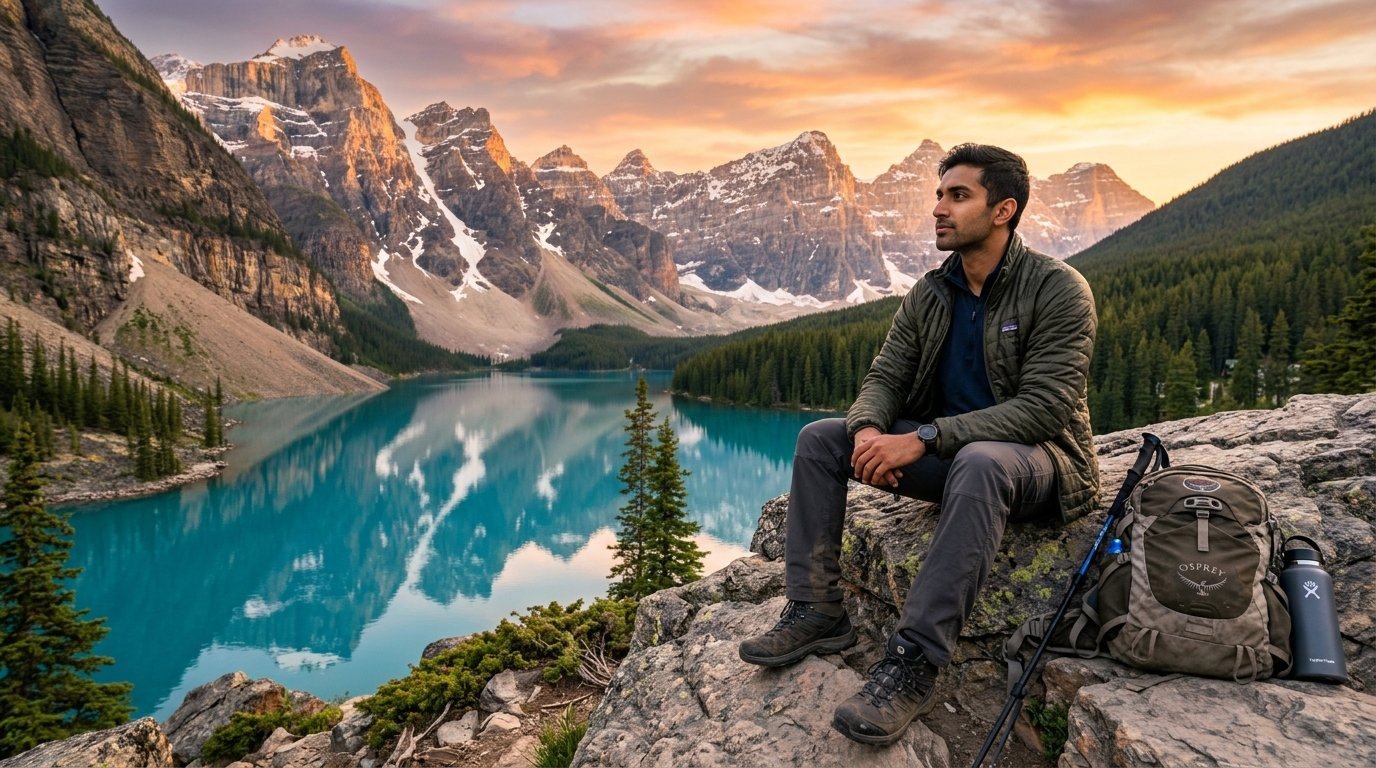
Many men are choosing to engage in multiple-day hiking activities at National Parks such as Zion and the Smokies which require them to remain completely silent. The actual practice enables people to decrease their cortisol levels while obtaining deep thinking time which they cannot achieve in a busy office.
Digital Detox as a Requirement
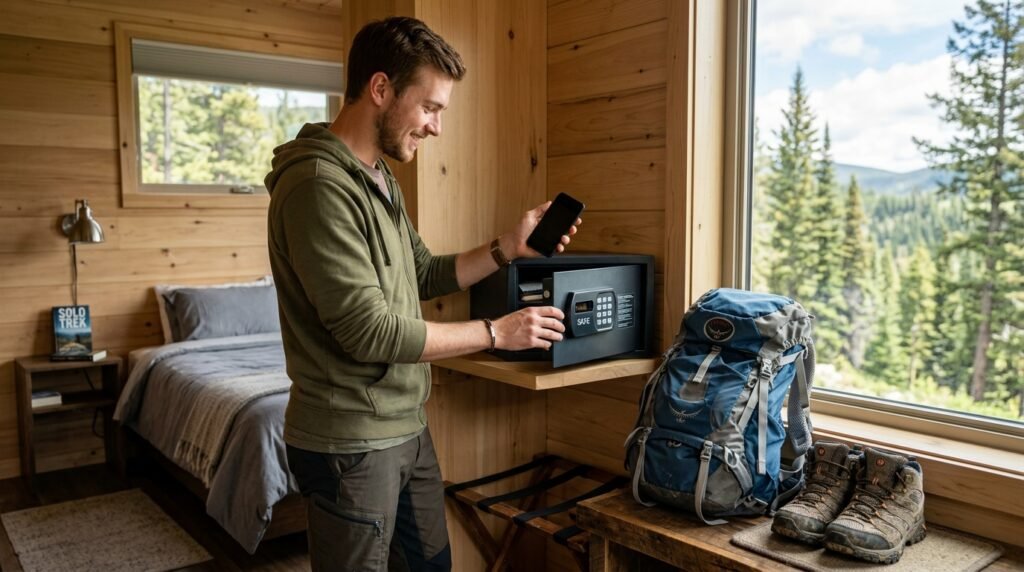
The habit requires people to use the “lockbox” method for their implementation. Travelers choose to leave their smartphones in hotel safes or use “dumb phones” to prevent themselves from checking work emails or social media while they enjoy their time at a campfire or a lake.
Solo Skill-Building Retreats
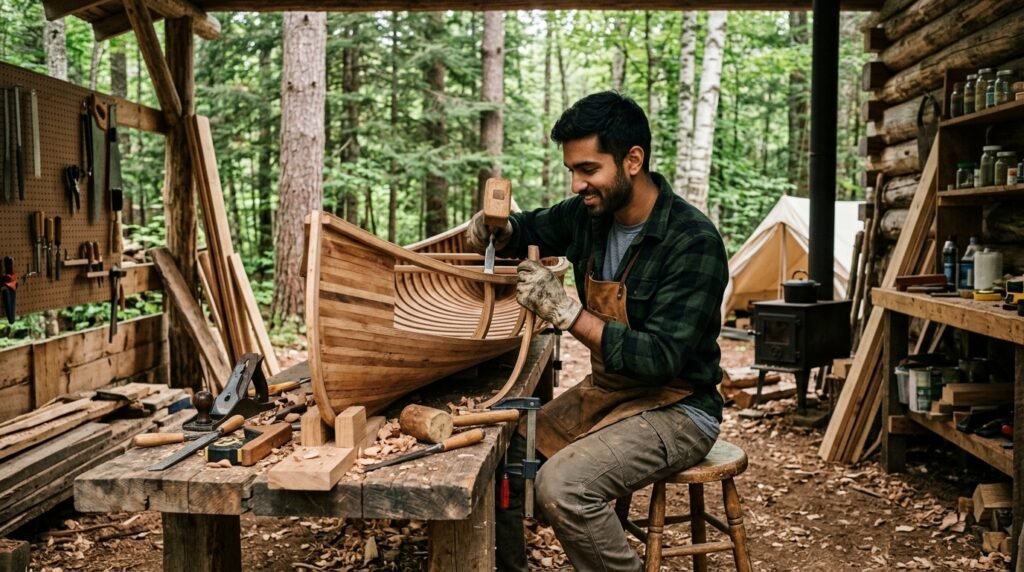
Men use their solo trips for self-improvement by learning difficult skills which include wooden boat building and high-altitude cooking. The training module offers men the opportunity to achieve masculine accomplishments which modern desk jobs do not provide.
Cold Plunge and Sauna Circuits
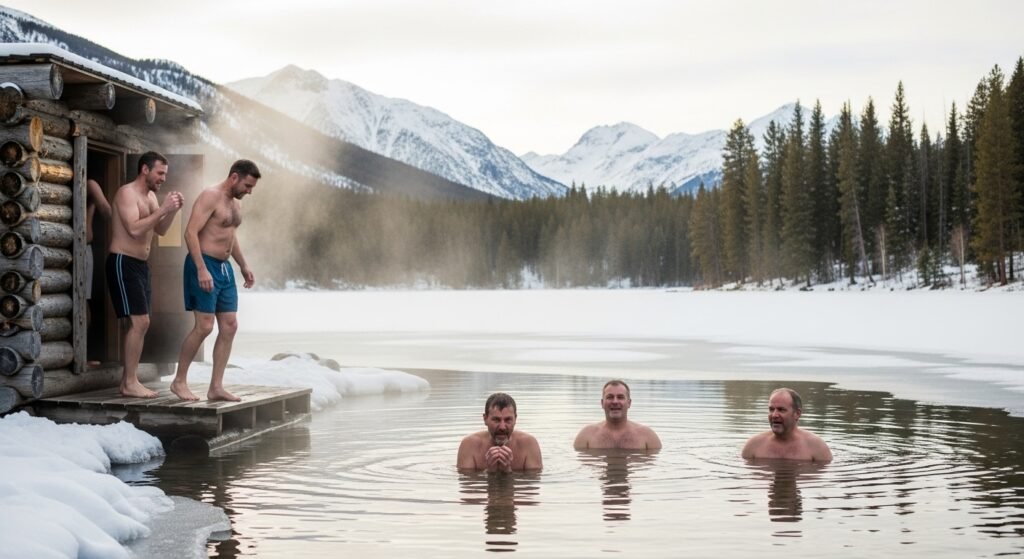
The wellness travel industry now emphasizes “thermal therapy” as a major component of its offerings. Men travel to Montana and Maine because those states provide natural cold-water lake plunges which they can use after taking traditional wood-fired saunas to enhance their immune function.
Mental Health “Check-Ins”
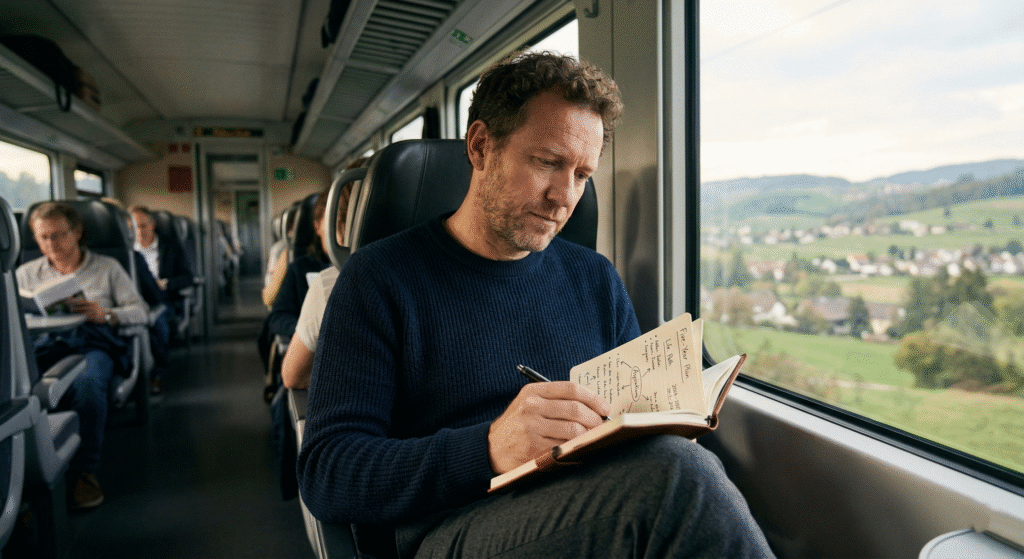
The habit requires people to dedicate one hour every day for their journaling and meditation activities. A man used his travel time to establish his five-year life path while he used a quiet space to handle his professional challenges.
Optimizing Nutrition on the Road
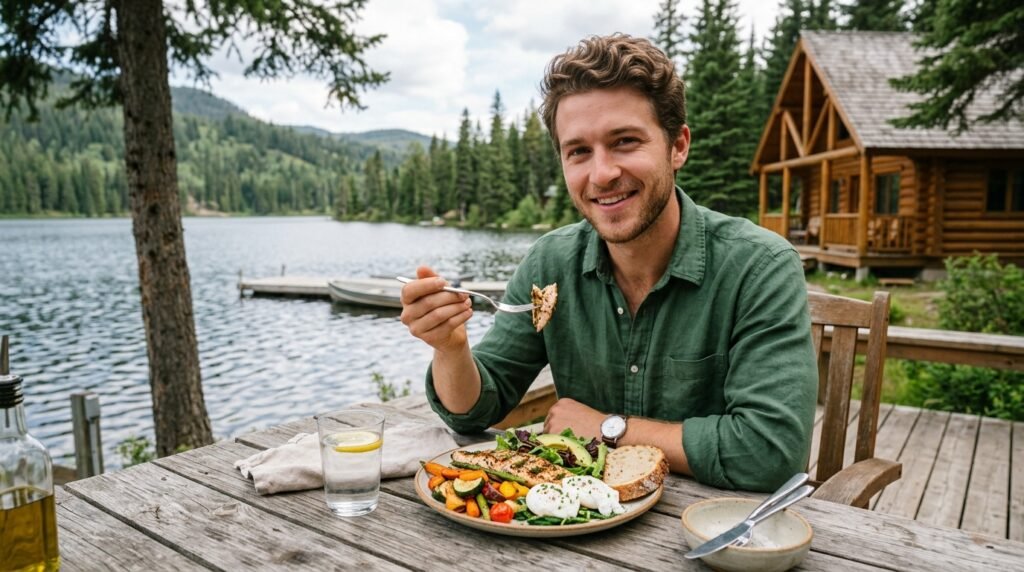
The “vacation diet” of burgers and beer is being replaced by high-protein, anti-inflammatory meal plans. Men prefer to eat at “farm-to-table” restaurants because those establishments create dishes which provide energy for their physical activities instead of making them feel tired.
The “No-Plan” Itinerary
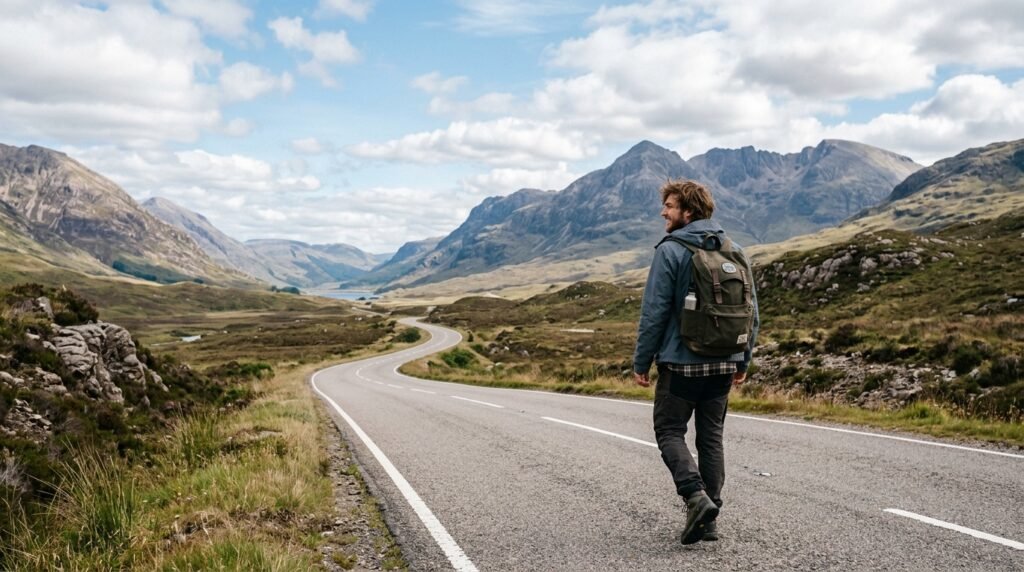
To combat “decision fatigue” from work, men are traveling with zero reservations. The people who pursue spontaneous wandering can finally follow their own intuition after months of restrictions because they have gained back their freedom and control.
Breathwork Workshops
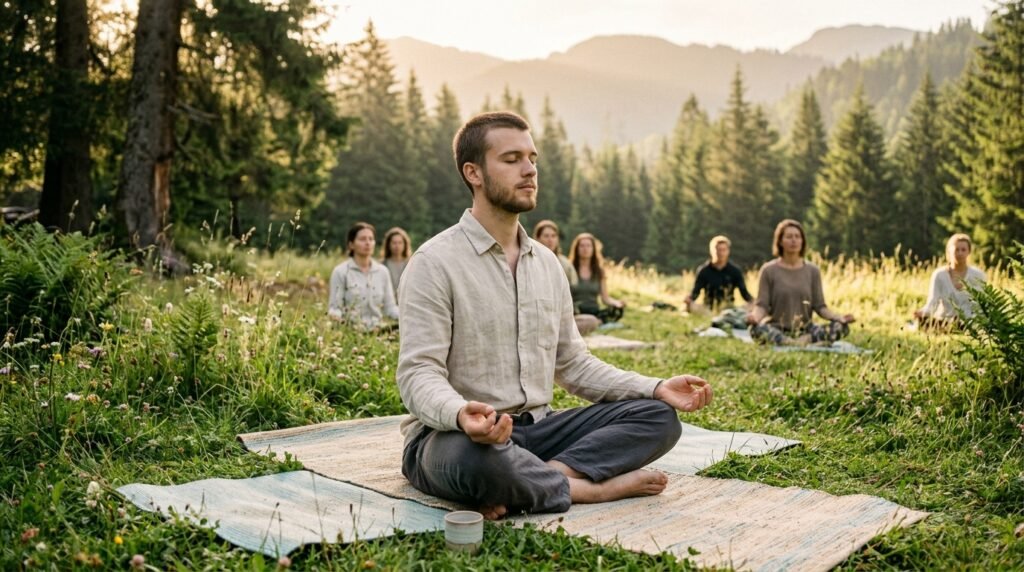
Breathwork has become a common practice which American males use during their wellness trips. Men attend weekend workshops where they learn stress management techniques which they will utilize in their vacation period.
Physical Challenges
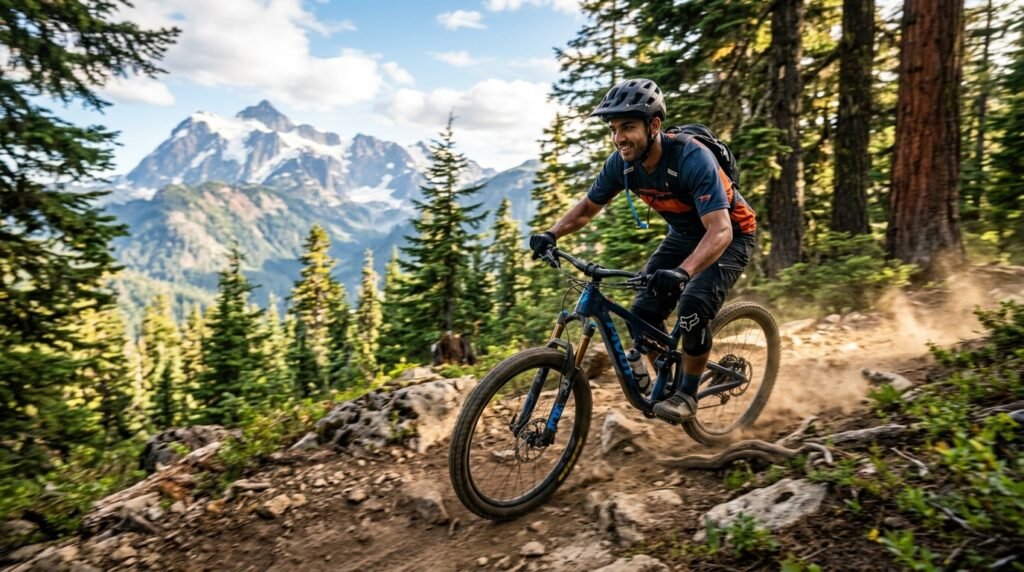
People use these trips to kickstart their process of weight loss. People who participate in a weeklong mountain biking and surfing program develop new active habits which help them continue their exercise regimen.
Solitude as a “Leadership Tool”
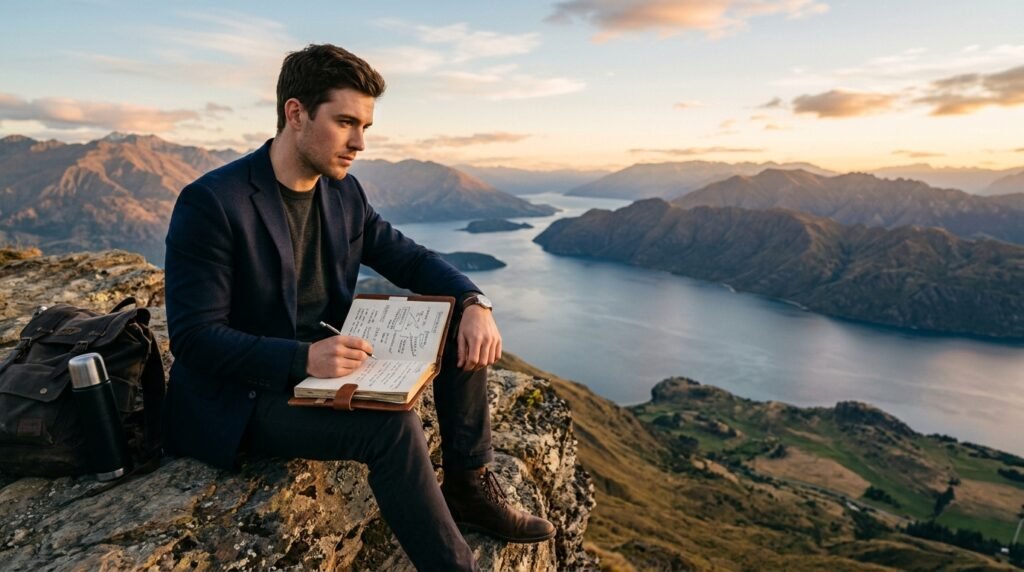
Business leaders use this method to gain an advantage over their competitors. The team determined that they could solve difficult problems which had been impossible to solve during continuous Zoom meetings by isolating themselves completely for one week.
Redefining the “Alpha” Trip
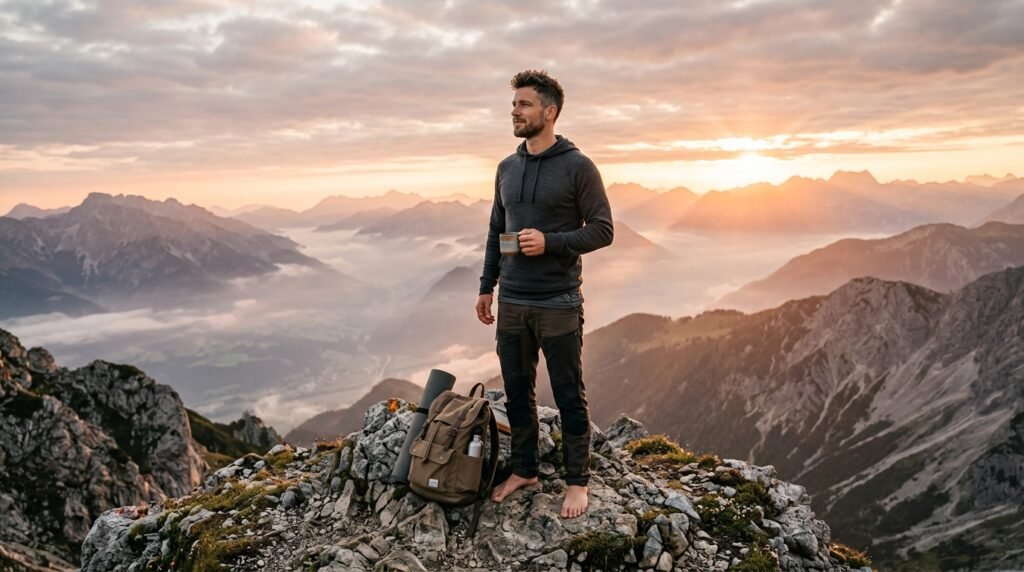
The definition of what constitutes a “manly” vacation has undergone transformation. Strength now refers to the ability to spend time alone with one’s mind while keeping health as the main focus which leads to a balanced and sustainable way of living.
About the Author