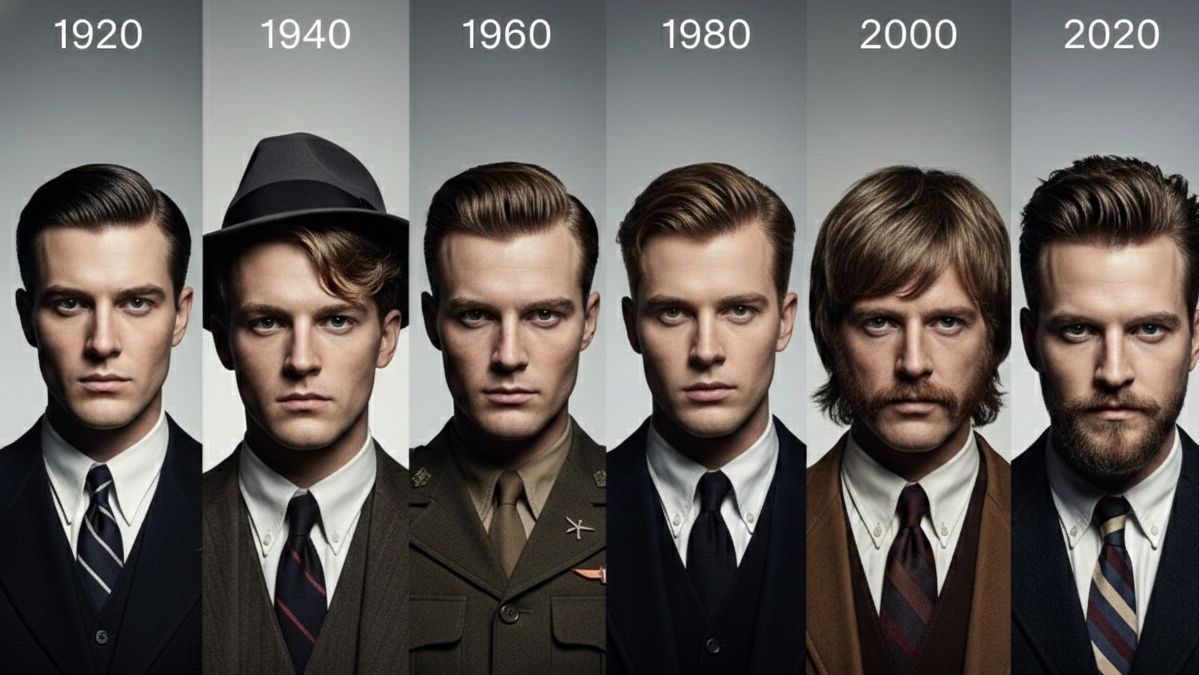
Men’s hairstyles have never been random. Every decade, they’ve been shaped by war, rebellion, culture, music, and even something as simple as a hat. From the 1920s slick-back that was literally designed to fit under a fedora, to hairstyles that could get you suspended from school in the 1950s, to the wild mullets of the 1970s making a comeback today, there’s a clear pendulum swing every 20 years or so. But right now, in the 2020s, something unprecedented is happening: we’ve broken the pattern. For the first time in modern history, you don’t have to pick one extreme conformity or rebellion. You can mix everything: textured crops, modern quiffs, slick-backs, curls, flow, even mullets, all made easy with today’s products. Here’s the full timeline of how men’s hair evolved over the last century and why today feels so different.
1920s – The Hat Era: Slick-Back Side Part
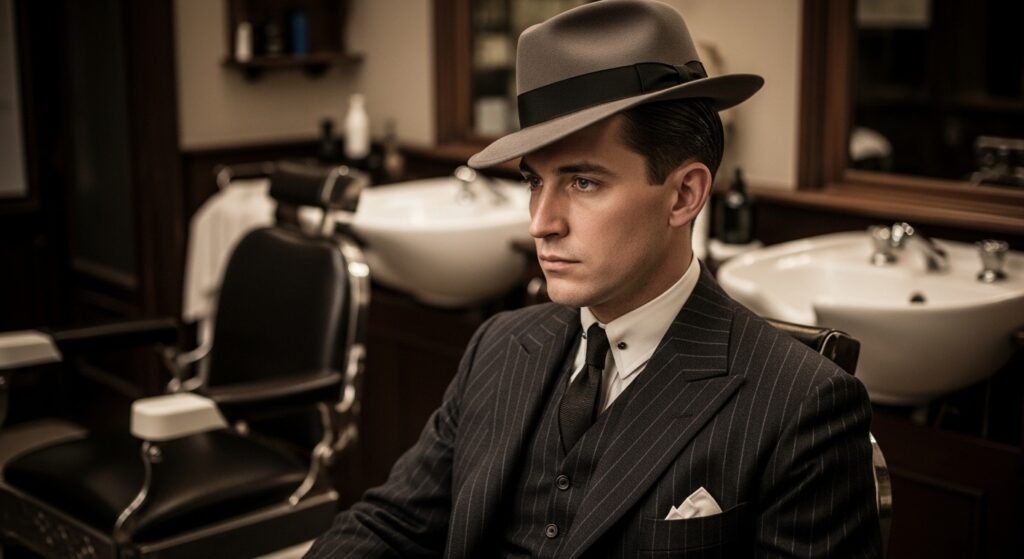
There were hair styles that were suitable to wear under hats (fedoras, bowlers, flat caps- everyone had one). Slick-backs that were heavy with brilliantine oil and thick pomades in such a manner that they were super-flat and shiny. An amount of volume was not required–hair was stuck to the head. Timeless about Rudolph Valentino and Charlie Chaplin.
1930s – Great Depression Softens the Look
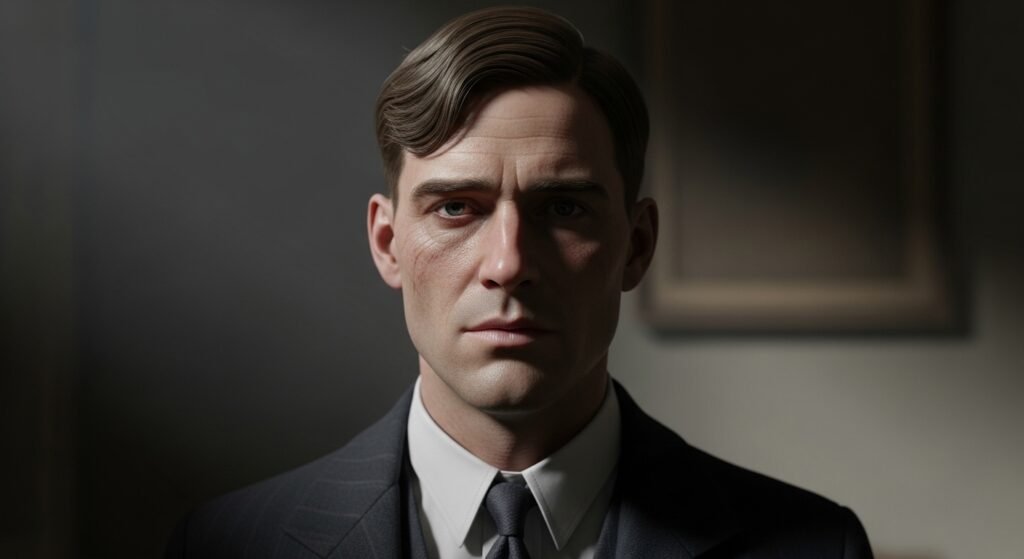
Money was a constrained thing, no visiting the barber weekly, no costly stuff. Styles remained minimalist and side-parted and achieved a little volume, wave, and naturalness. Less rigid than the 20s. Clark Gable and Cary Grant hit the high-end-but-not-too-delicate tone.
1940s – World War II: The Military Buzzcut Replaces All of that

Trench- and jungle-horror of hygiene–lice everywhere. It was impossible to have long or medium hair. Crew cut / buzz cut: short all around, there is just bare minimum length on top. Survival > style. Civilians continued to have the looks of the 1930s, whereas soldiers kept it short.
Late 1940s – Early 1950s – Clean-cut Conformity
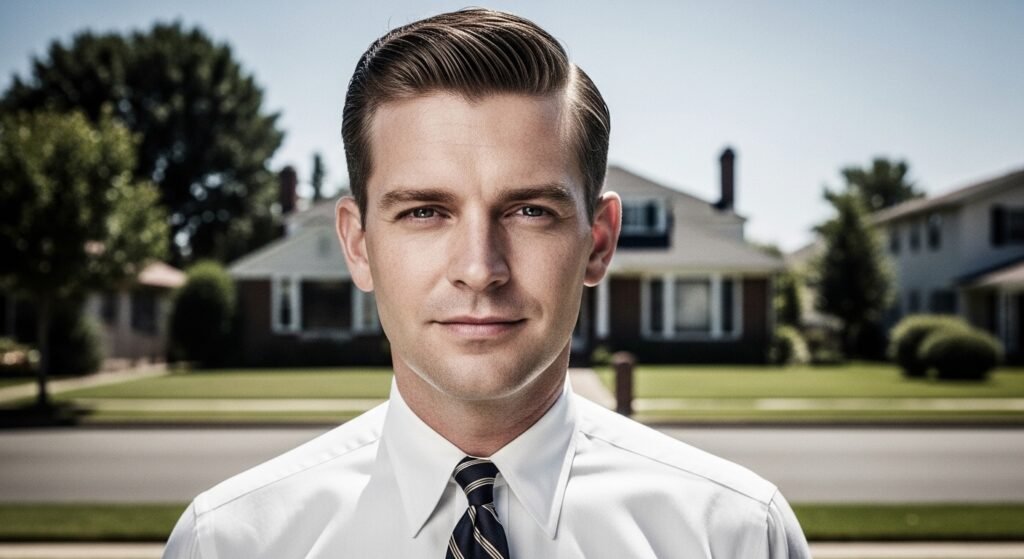
Properly cut long hair was a return home service amongst the veterans. The Crew cut and Ivy League had become respectable, professional and trustworthy. Secure, employer-sented, parent-sent.
Mid-Late 1950s – Rebellion Blows up: Greaser and Pompadour
Young men did not accept the rules and conformity in the military. Rock n roll (Elvis, James Dean) introduced huge pompadours -3-5 inches of height, smoothed with heavy pomade, ducktail in the back. Long slicked-back hair was literally barred at schools–was suspended or expelled. Hairstyle was a sign of delinquency, gangs, and middle-finger to authority.
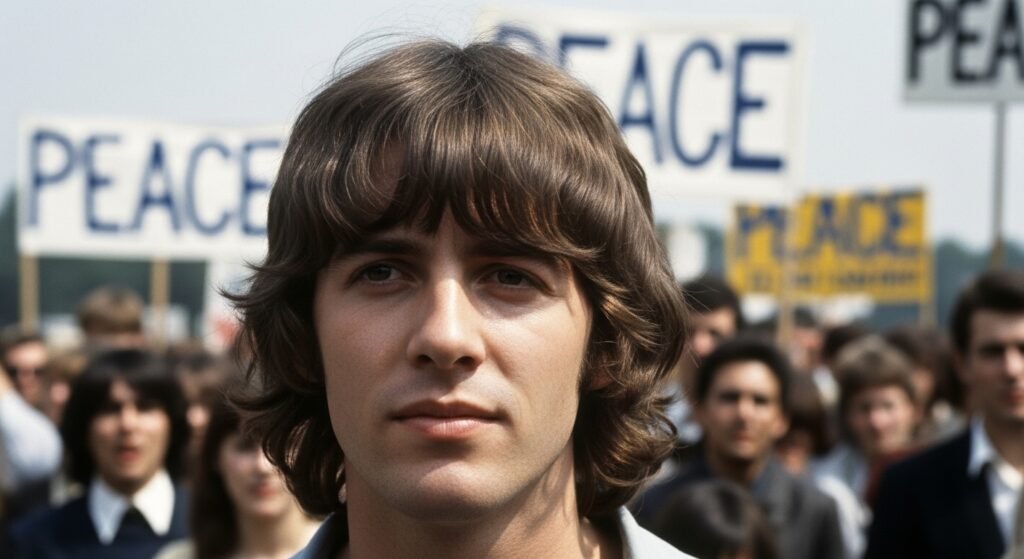
1960s – Long Hair as Political Statement
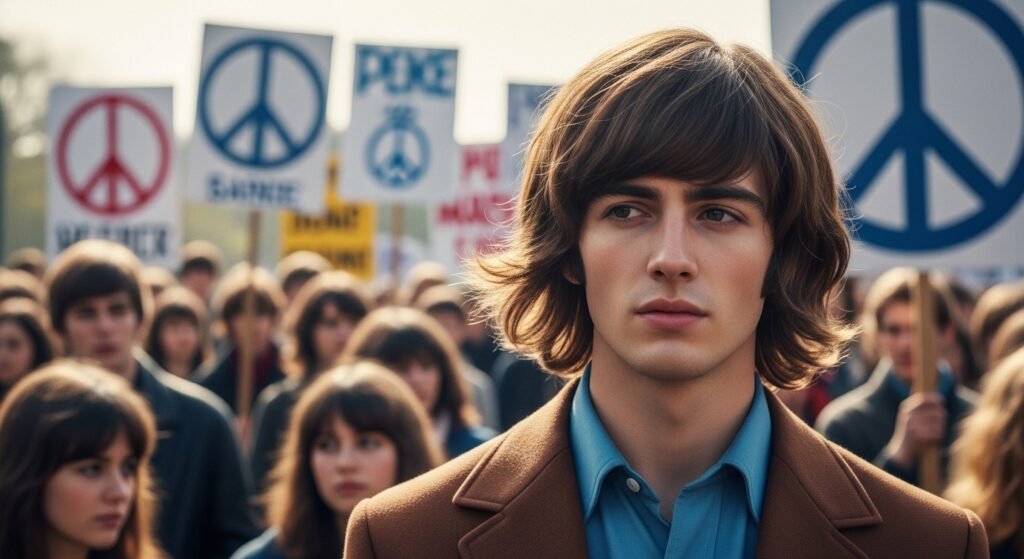
Beatles mop-top comes in 1964-hair on forehead,ears, collar. Hippie movement goes even further: minimal product, natural, and shoulder-length or beyond. The anti-war, anti-establishment symbol of peace. In certain locations, long hair would be used to harass and disown the person, fire them, or even reject them housing.
1980s – Power Slick-Back and Subculture Explosion
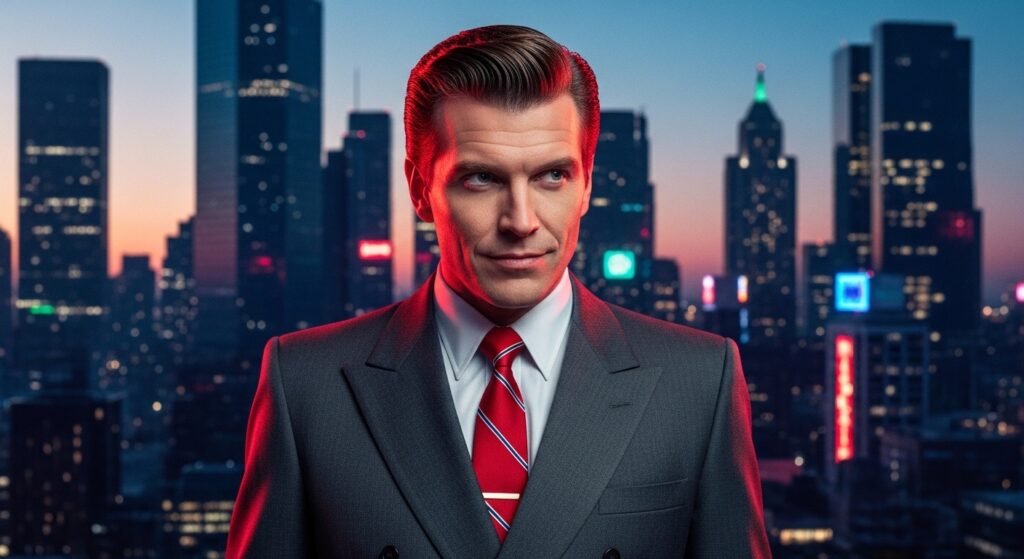
Corporate exuberance: Gordon Gekko slick-back using gel/mousse-sharp, aggressive, and confident. Punk mohawks, new wave asymmetrical cuts, heavy metal perms, high top fades in hip-hop. Hair turned tribal, your style immediately informed people what your music, politics and values were.
Early 2000s: Peak of Cringe Frosted Tips, Spikes, Emo Bangs.
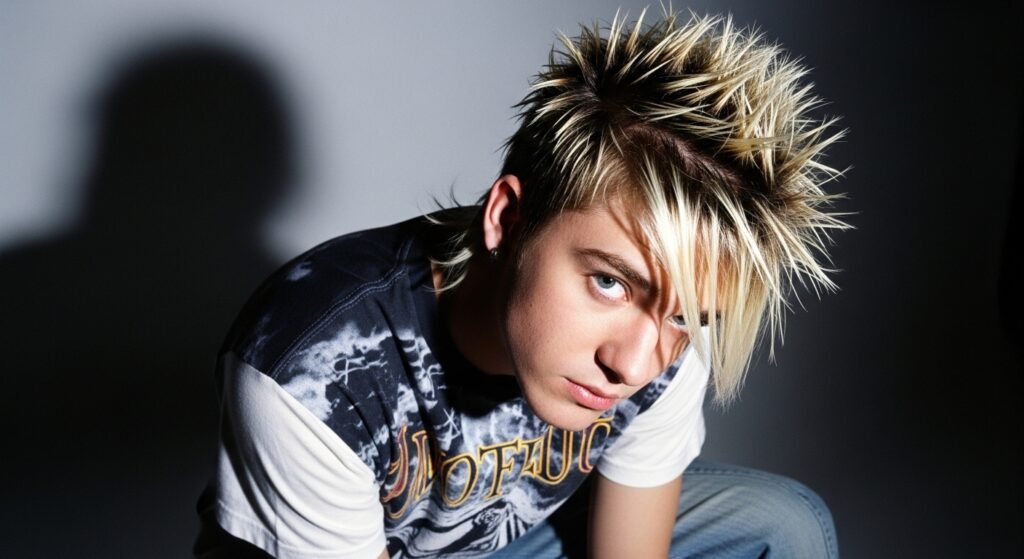
Boy bands – frosted tips (Justin Timberlake time). Crunchy gel spiky hair (LA Looks, Got2b Glued). Straussed jet-black emo side-swept bangs. Fauxhawk (Ronaldo, David Beckham influence).
2010s – Bieber Fringe and Controlled Chaos

Teens are captivated by the iconic Justin Bieber floppy side-swept fringe, performing a hair flip every 30 seconds. This effortlessly tousled look takes about 15 minutes to achieve, requiring a combination of blow-drying, texturizing spray, and styling paste..
The Great Mix (Pattern Broken) 2020s
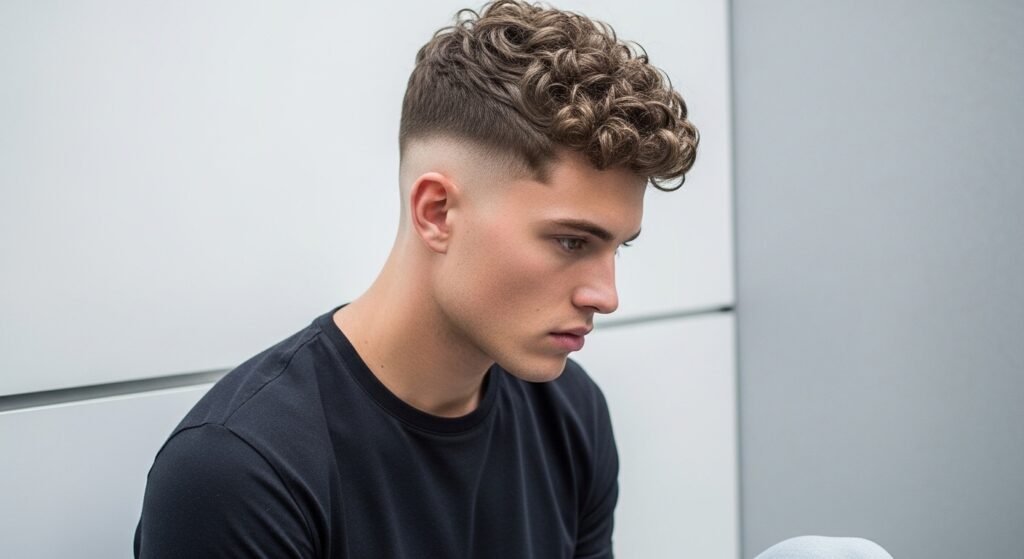
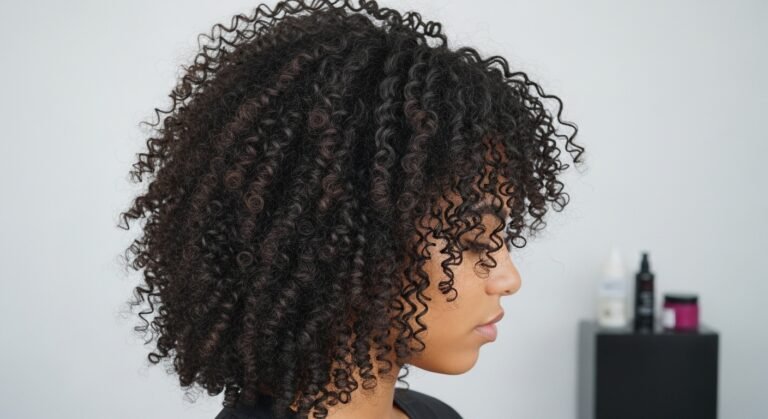
Ruffled crop, contemporary quiff, clean slick-back, natural curls, flow, contemporary mullet. Maintaining-free clays, sea salt sprays, light pomades. Change of style on a daily basis–no single tribe to choose. Old money aesthetic incorporates hippie of the 70s with cleaner lines. Conformity and rebellion co-exist in a haircut as they never used to.
About the Author