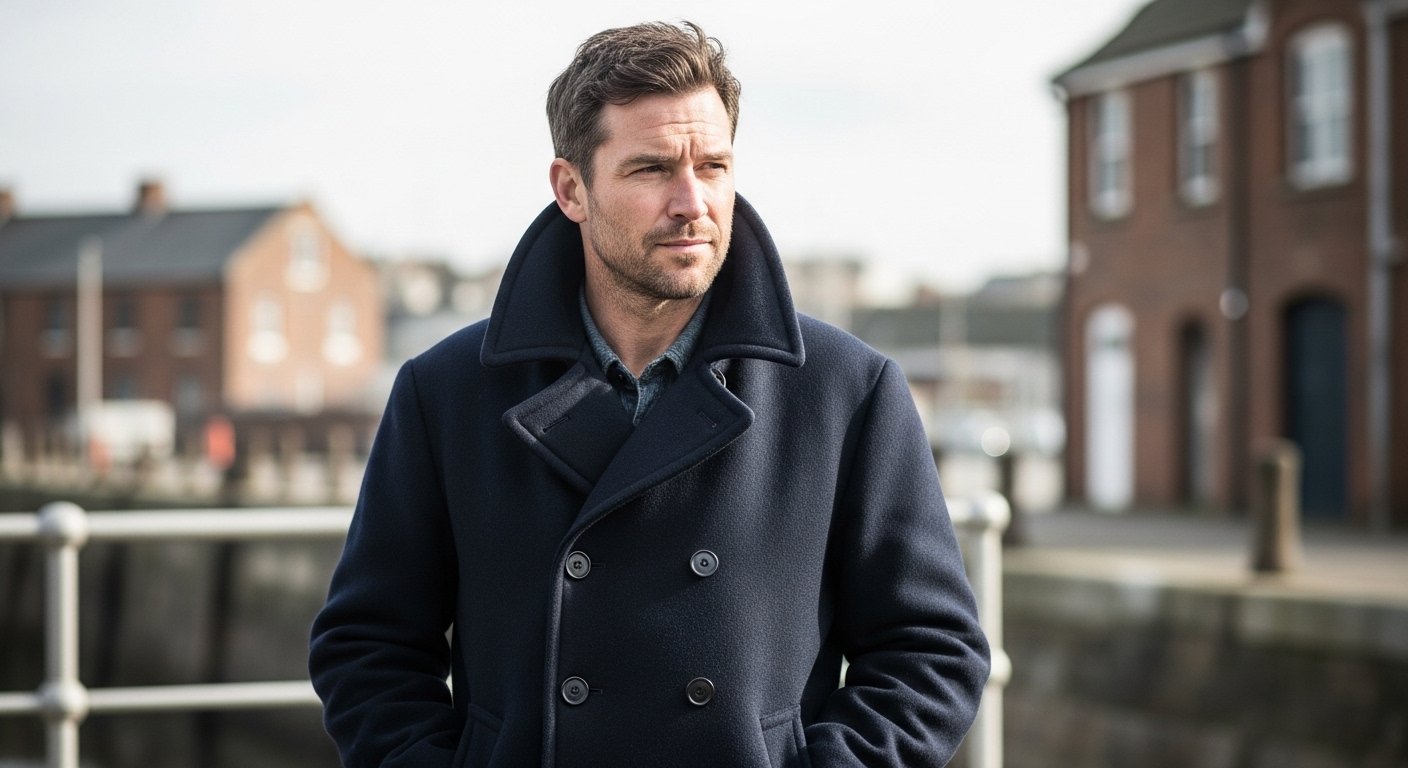
Picking the right coat goes beyond staying warm – it builds how you look and hints at knowing timeless fashion. The pea coat and trench coat keep coming up next to each other, since each mixes usefulness with grace. Yet looks can deceive; their backgrounds, build, and intended wear tell distinct stories only close inspection uncovers.
Point One: Historical Origins
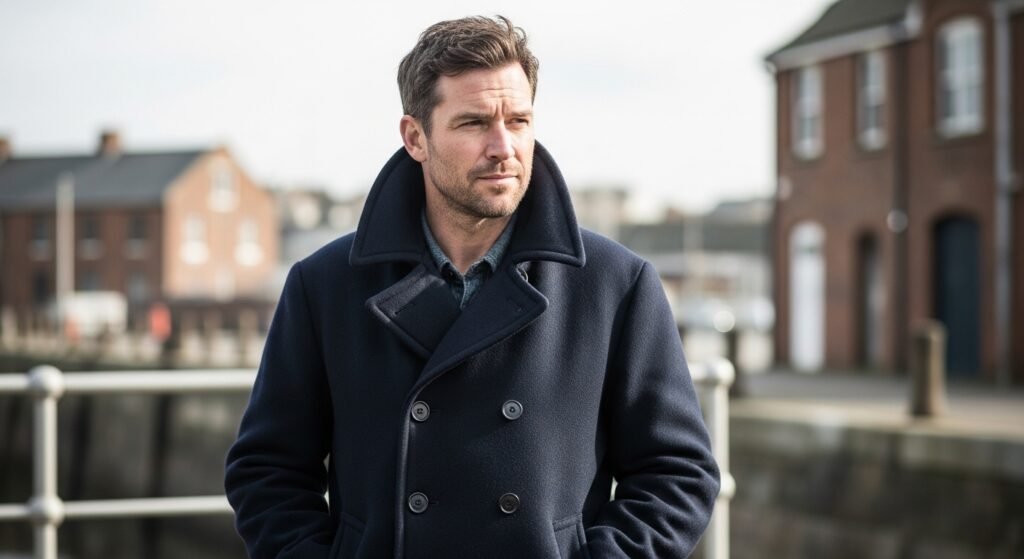
Out of ocean gear came the pea coat, built tough because saltwater life brutalized crews – wind never ceased, so thick wool made sense, also that short cutlength survived better. Meanwhile, farthest from water, soldiers got soaked on soil, needing something else entirely; enter the trench coat, shaped tight to keep commanders clean through wet ground and chaos alike.
Point Two: Fabric and Construction
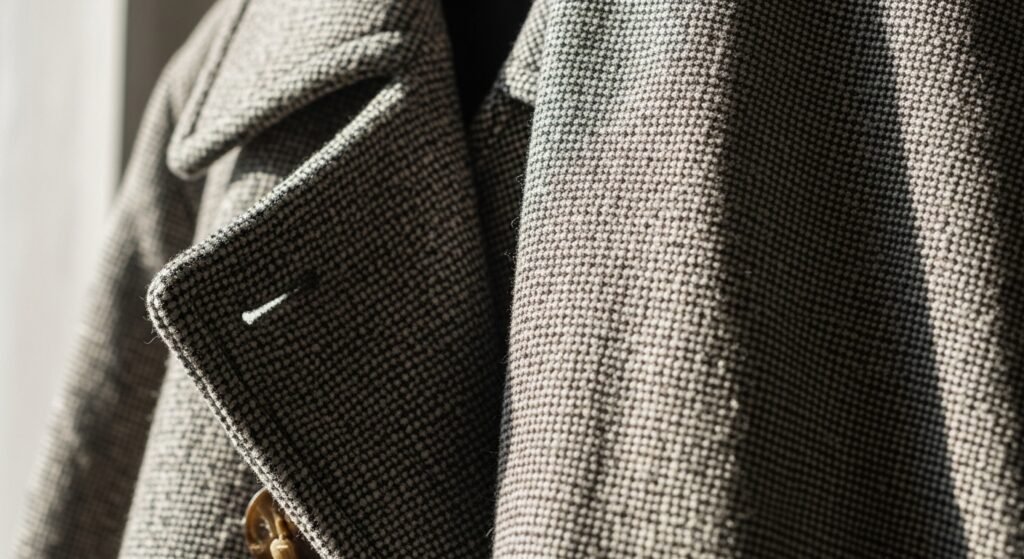
Heavy wool often goes into pea coats, giving warmth while staying firm under touch – perfect when fewer garments can keep things steady. Rain protection drives the build of trench coats, using cloth such as cotton gabardine that resists moisture instead chasing low temperatures alone.
Point Three: Length and Silhouette
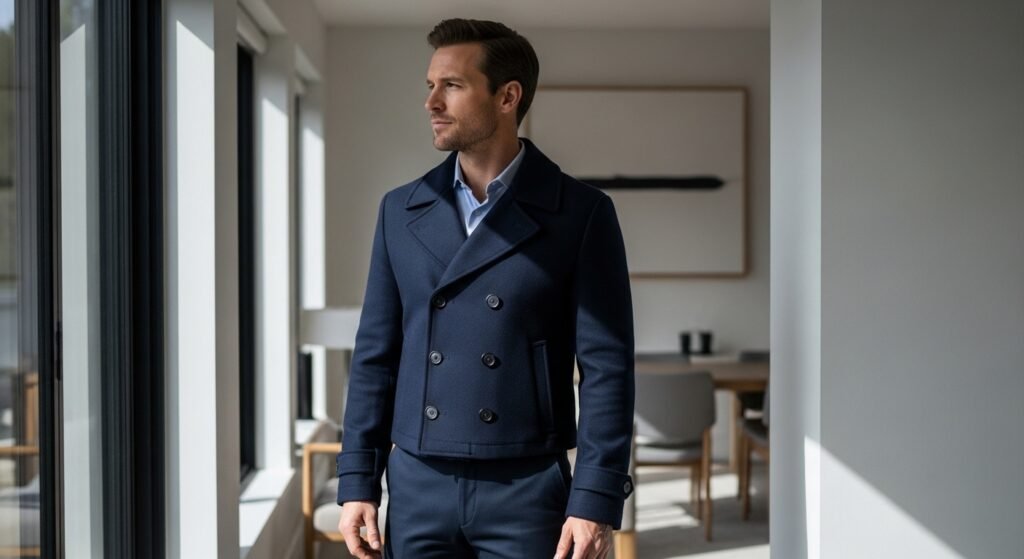
A pea jacket sits close to the body, giving off a tight, angular look while highlighting contours on the arms and torso. Over here, a trench coat rolls down near the knees, stretching out in smooth lines that lift the eye upward. Shape shifts completely between these two – one boxy, one flowing.
Closure and design details under Point Four
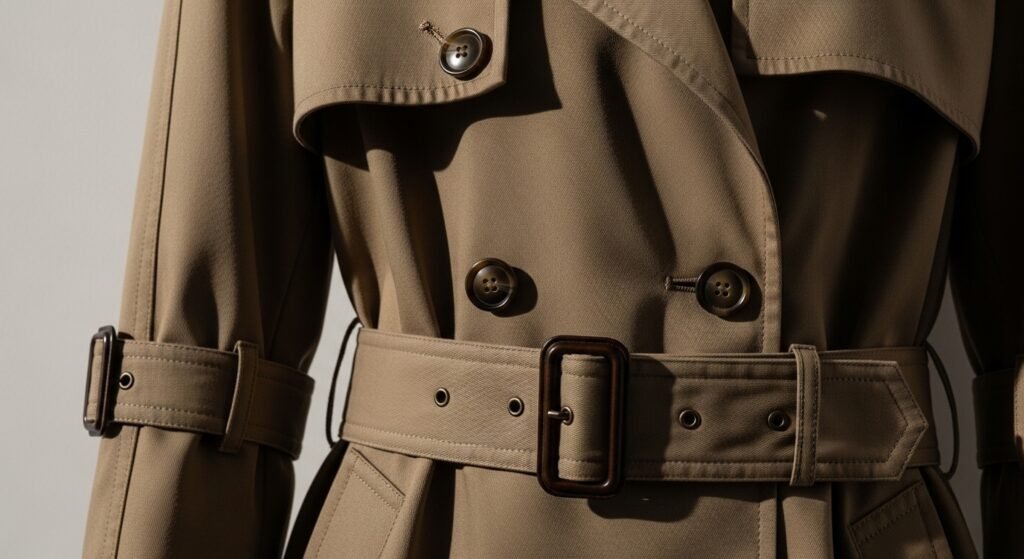
A pea coat shows itself with wide, buttoned fronts – buttons big enough to tell a story about sea and weather. You’ll spot a trench coat through its straps, sealed panels, and sleeves you can tighten – each part meant to do something real, while looking strong and serious.
Point Five: Seasonal Practicality

Thanks to dense wool, the pea coat works well when it’s cold – especially during winter – where staying insulated counts most. Rainy days in spring or drizzly autumns bring out the strength of a trench coat, where shielding from gusts and moisture weighs heavier than thick heat.
Point Six: Versatility in Styling

Pea coats fit right into loose or neatly-fressed styles, matching sweaters, jeans, or polished pants without effort. Over business wear or basic street clothes, a trench holds its place just as well.
Seven. Comfort and movement matter

A pea coat wraps close, giving a sense of being well-protected – yet too much stacked on top might make it hard to move freely. Overcoats like trenches tend to move easier, built with thinner layers and parts you can tweak, so staying out long doesn’t feel tight or stiff.
Point Eight: Formality Level
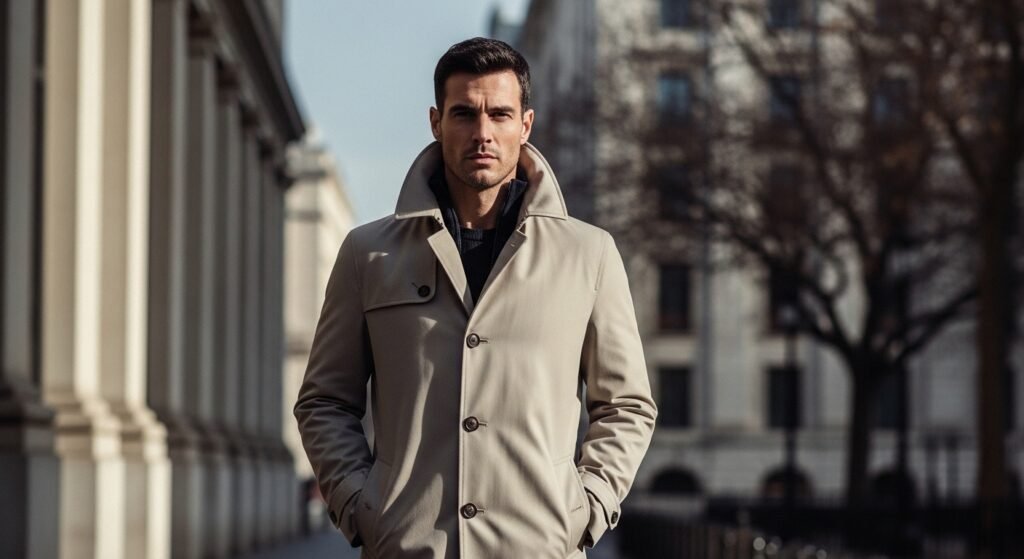
A pea coat looks tidy but still casual, fitting places where dressing up isn’t expected. Trench coats radiate a quieter sophistication, tied to old-city vibes and workplaces that value neatness.
Point Nine: Weather Performance

When it’s chilly and dry, the pea coat keeps you warm while blocking strong winds – no confusing gear involved. If skies turn messy or water starts pouring, the trench coat takes over, shielding you from rain without making you too hot or stiff.
Point Ten: Choosing the Right Option

Picking a pea coat instead of a trench one? That might hinge on weather, daily routines, even how clothes sit on you – not just what’s popular at the moment. Knowing what each does – how it holds up, drapes, fits – helps make it something you reach for without thinking, yet still wear years later.
About the Author