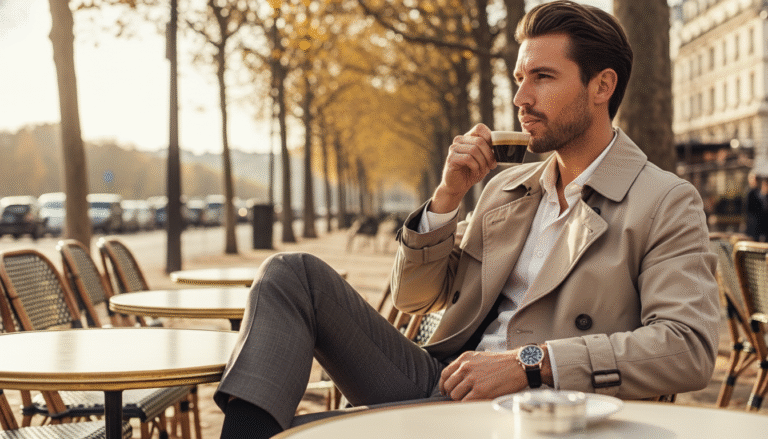
The beauty industry revolves around the topic of trends, grooming, or clothes. Nevertheless, the study findings have indicated that some apparent characteristics always affect perception. Such characteristics are not age, money, and trend orientated. Instead, they are associated with the natural manifestation of the body. It is a single physical detail that is usually pointed out as having its small yet remarkably strong influence. This fact is less of a genetic nature and more of a consciousness and a habit.
Posture as a Visual Signal
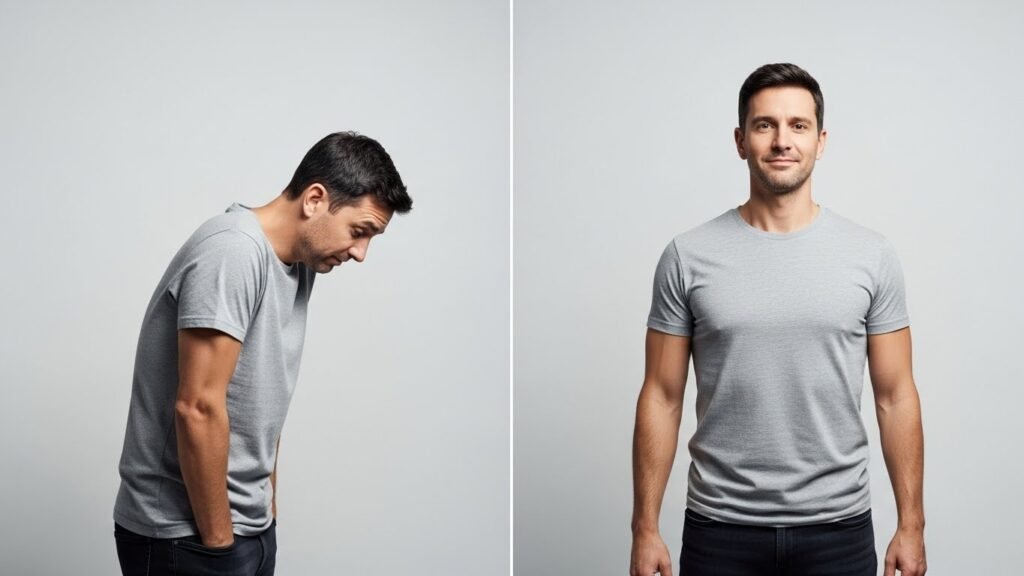
Confidence and attractiveness of a man are often connected with his body language. A confident posture tells about the arrogance and self-control of an individual. Presence can, on the contrary, be minimised by the slouched posture. Even when they do not make a judgement on it, the difference is usually perceived immediately.
Why Posture Stands Out

The position of the body influences its place occupancy. Straight alignment gives the feeling that the movements are deliberate and premeditated. It is also good at enhancing the fit of clothes on the body. This gives it a purer and more harmonious overall look.
Body Language and Perception

Body language is also affected by posture. The open shoulders and neutral posture indicate ease and confidence. Defensive posture may be in the form of closed or tense posture. These signs influence initial impressions during real life.
Posture Other than the Physical Features

Posture can be modified as opposed to height or even facial structure. It is not dependent on natural proportions. This allows it to be available to all age brackets and body shapes. Even minor adjustments may result in a significant change.
Clothing Fit and Alignment
Proper posture improves the fit of clothes. The jackets fit more comfortably on the shoulders. Shirts are smoother over the body. This enhances the visual arrangement without altering the wardrobe.
Movement and Presence

Position also influences quality movement. Proper walking seems to be smoother and more relaxed. It shuns rigidity or clumsiness. This adds to the relaxed and assured air.
Consistency Over Time
Beauty associated with posture is accrual. It is habitual to align on a regular basis. It also influences the perception of reliability and confidence, among others, with time. These are the characteristics that people tend to relate to maturity.
Psychological Effect

Posture does not only affect outer image but also inner condition. Straight back posture has been linked with greater concentration and awareness. This may influence the social interactions. Physical alignment is followed by confidence.
Cultural and Social Context

In most societies, sitting straight is a symbol of power and esteem. It is found both in the work and social contexts. Such uniformity is a boost to its perceived value. Its impact is not dramatic but diffuse.
Connection between Fitness and Posture
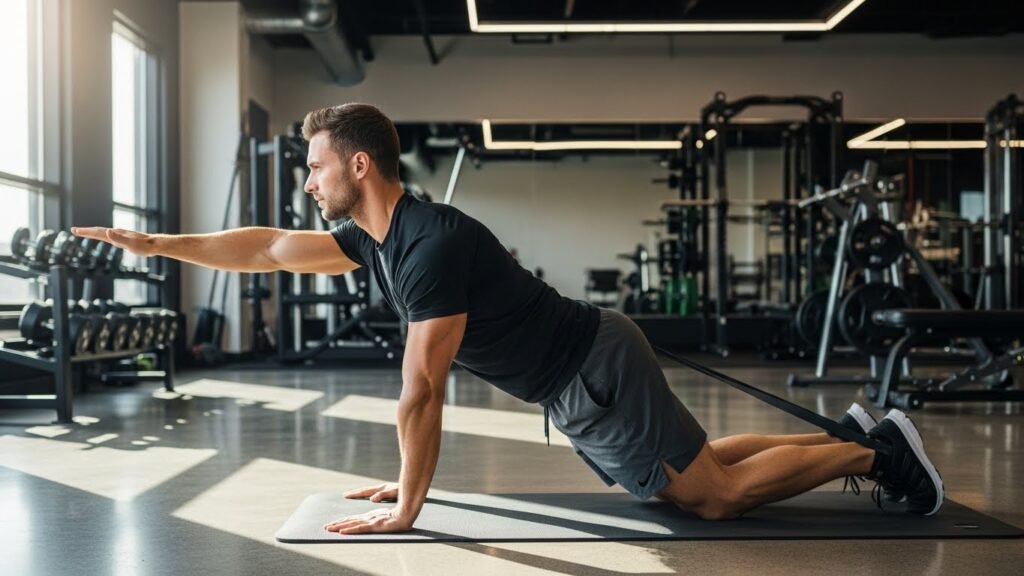
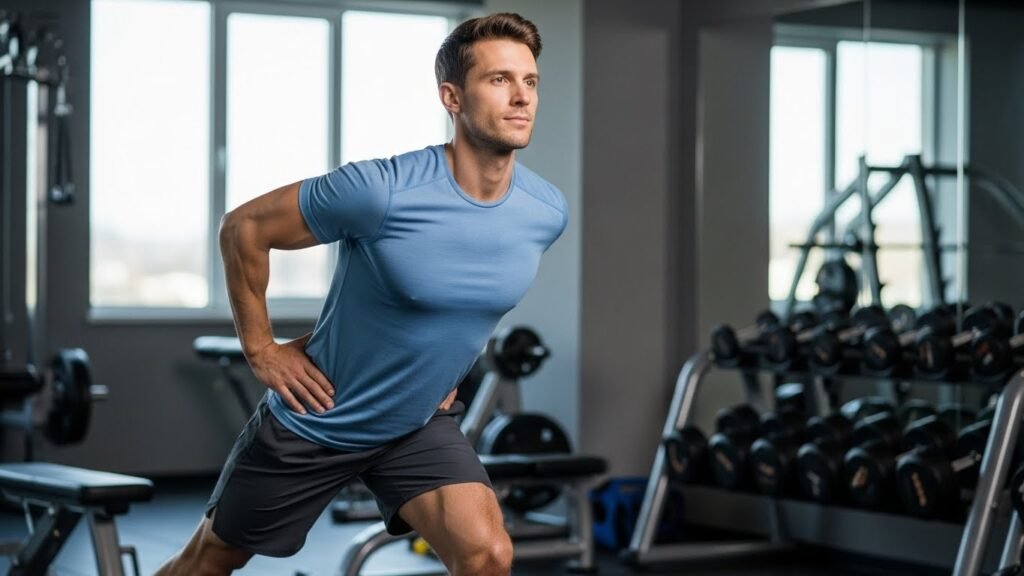
Exercise tends to correct posture. The support of alignment is facilitated by strengthening core and back muscles. It does not involve intensive routines. Frequent motion is normally adequate.
Styling and Dressing Interaction

Posture increases grooming and styling preferences. The hair, accessories, and clothing are more purposeful. Even simple clothes seem sophisticated. This coincides with the fashion values of the modern man.
Age-Neutral Impact
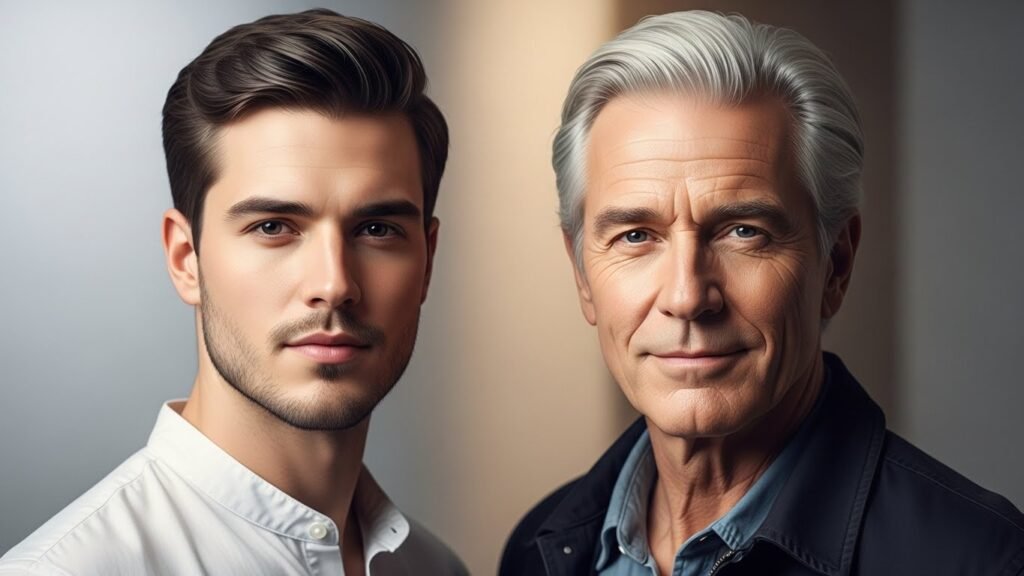
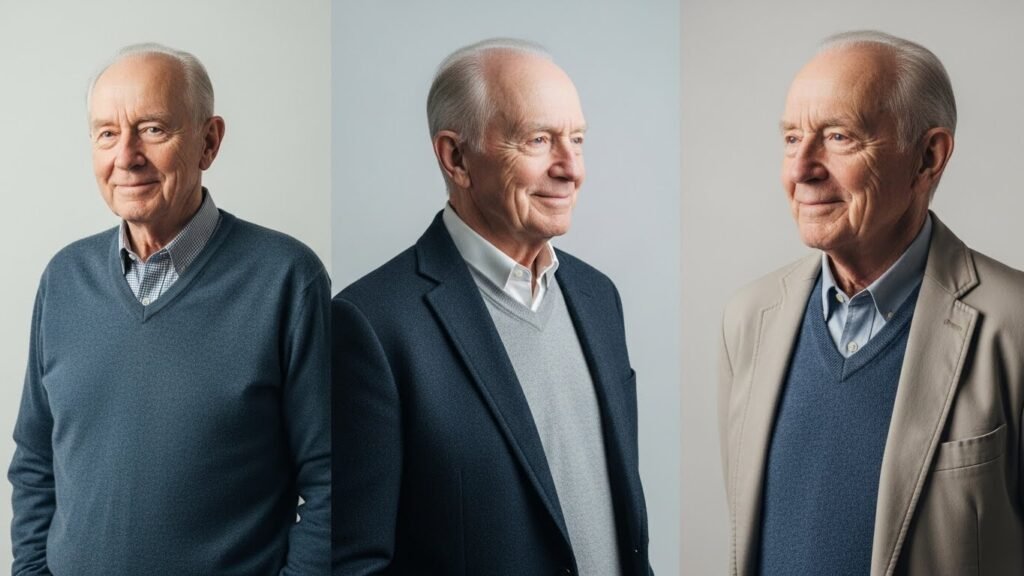
Age is not biased with posture. Alignment works equally with younger and older men. It does not follow the trends of a particular generation. This renders it an eternal aspect.
Influence in Men’s Fashion
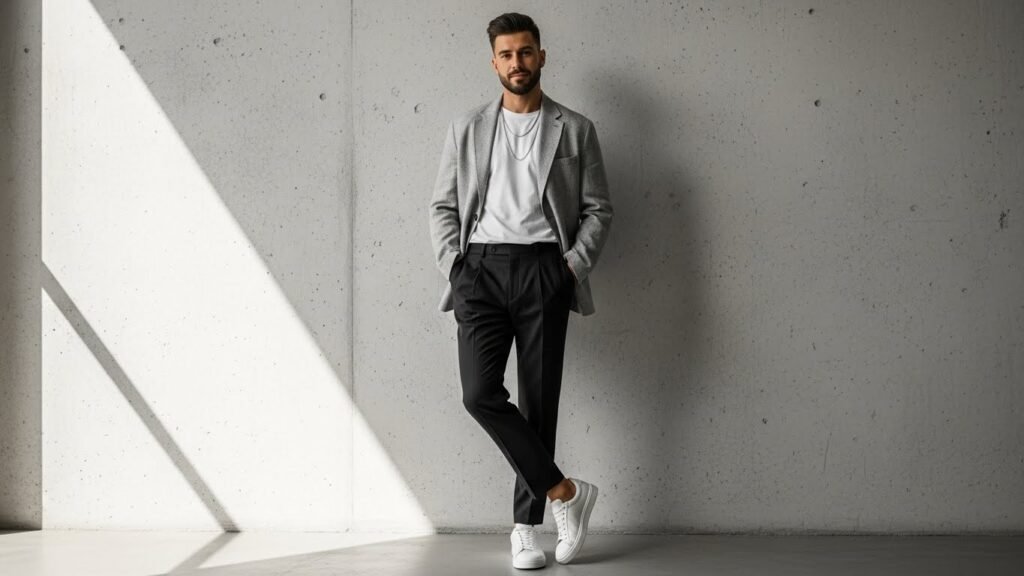
Fashion leaders such as Alex Costa, who are generally associated with men, are more about presence and not perfection. Fashion serves most purposes with self-assured posture. Clothes become part of it instead of a disguise. This is indicative of a larger trend toward authenticity.
Long-Term Visual Effect

Posture has long-term influence as opposed to short-term trends. It is not based on the seasonal variation. Once it is made better, it is constant. This permanence improves the general outlook in the long run.
About the Author