Corporal dressing is usually costly. You desire refined, without losing money. Planning and targeted purchasing will get you to create sharp outfits at a reasonable cost.
Buy Fewer Pieces With Clear Purpose
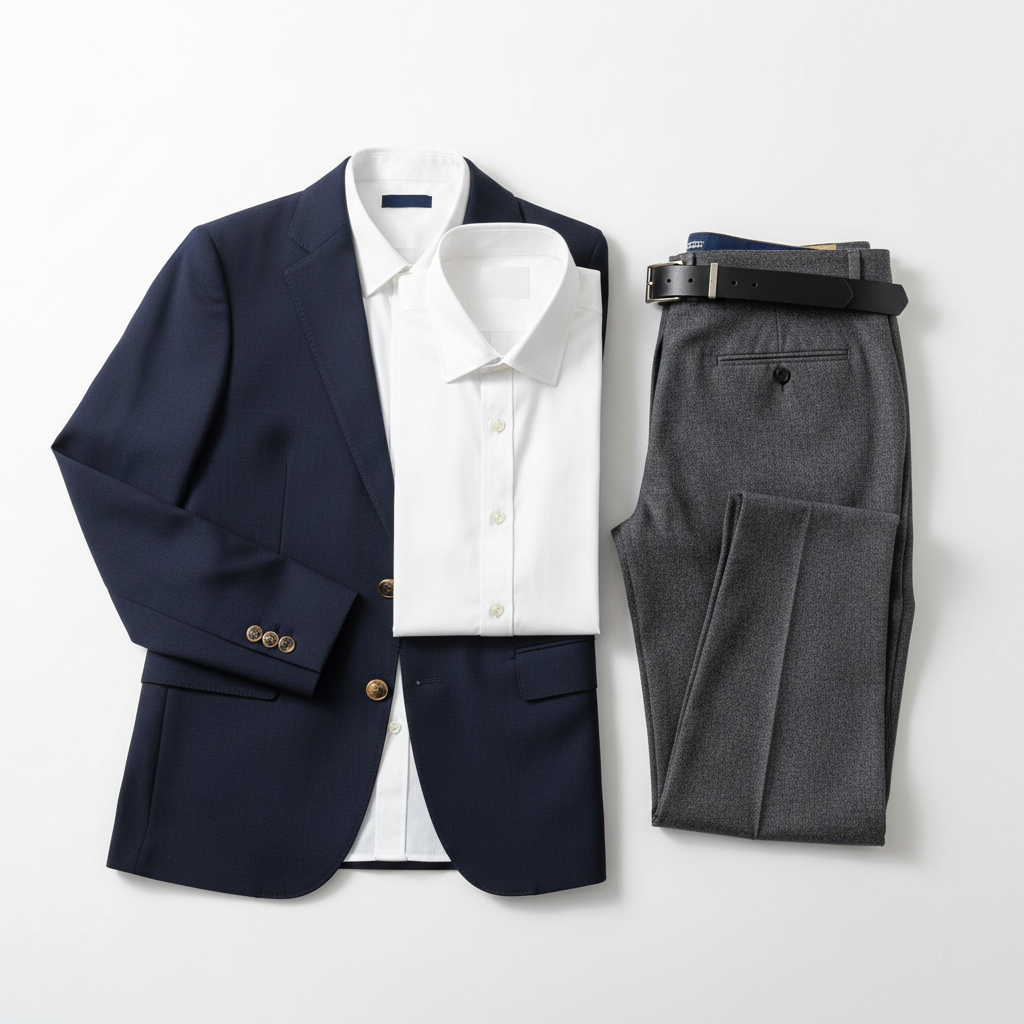
Start with a short list. A navy blazer, one charcoal trouser, one white shirt, one light blue shirt. All the products are compatible with meetings, events, and dinners. You lessen impulse purchasing and repeat consumption increases. The reduced number of products reduces overall expenditure and makes a decision easier. Your clothes no longer look haphazard or chaotic in the mornings.
Focus on Fit Before Brand Names
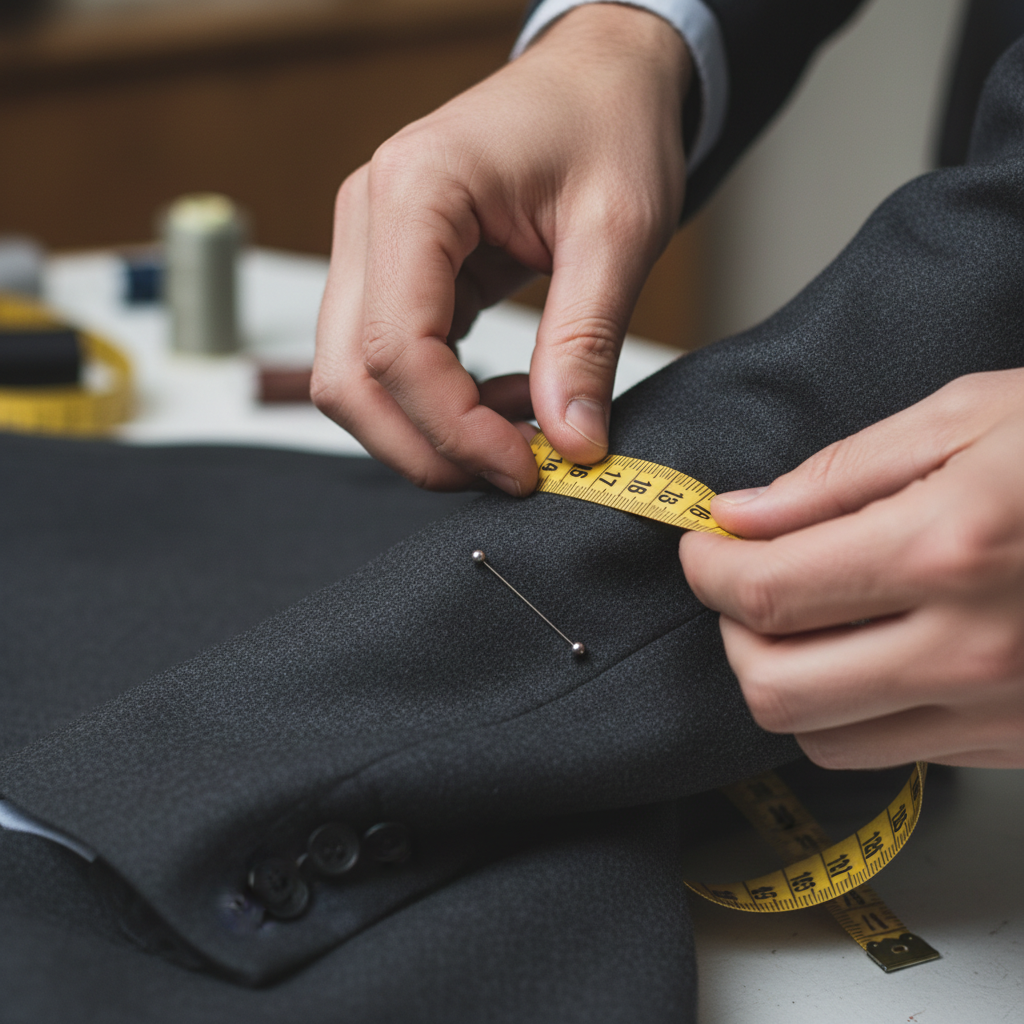
Fit shapes perception more than labels. A budget blazer with clean shoulders and proper sleeve length looks refined. Visit a local tailor after purchase. Basic alterations cost less than replacing clothes. Adjusted trousers and shirts sharpen your outline. People notice fit first. Your presence improves without premium pricing attached.
Choose Neutral Colors for Maximum Pairing
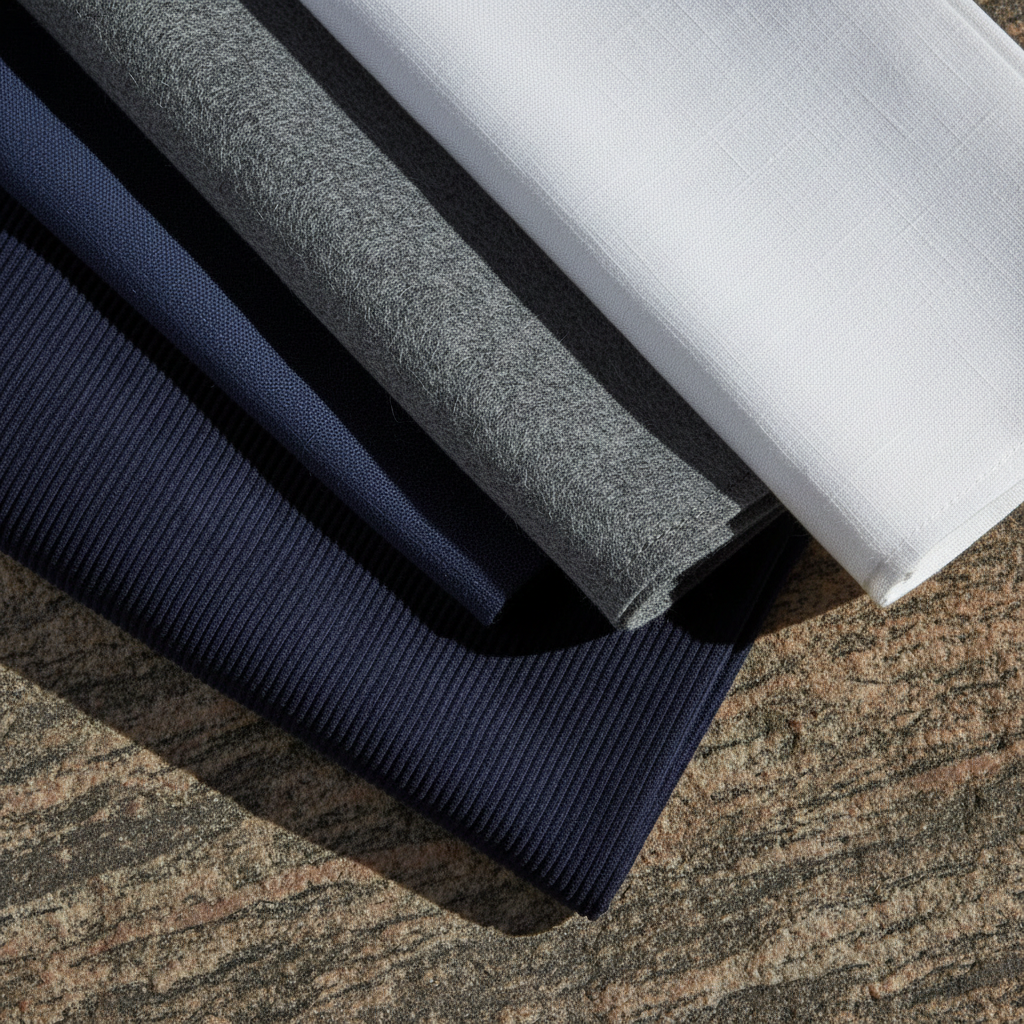
Neutral shades stretch value. Navy, grey, white, and black mix easily. One blazer pairs with several shirts and trousers. You avoid loud patterns limiting reuse. Neutral tones photograph well and suit most settings. Your outfits rotate smoothly. Each purchase earns repeated wear across months without visual fatigue.
Shop End of Season and Clearance Racks
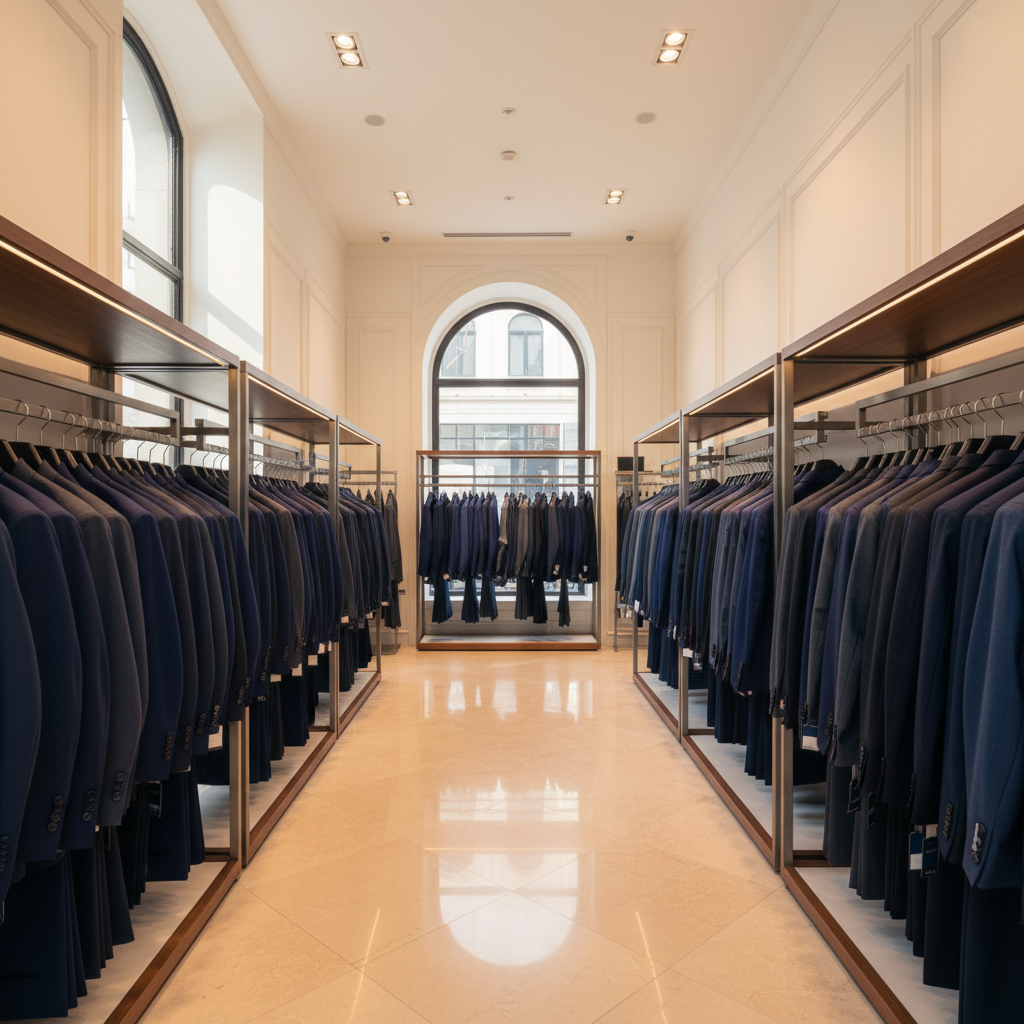
Timing reduces cost fast. Retailers drop prices after peak seasons. Formalwear sees discounts during festival sales and financial year ends. Visit stores midweek for quieter racks. Inspect stitching and fabric carefully. Quality often hides among clearance items. Your patience turns into measurable savings.
Prioritize Fabric Over Trend Details
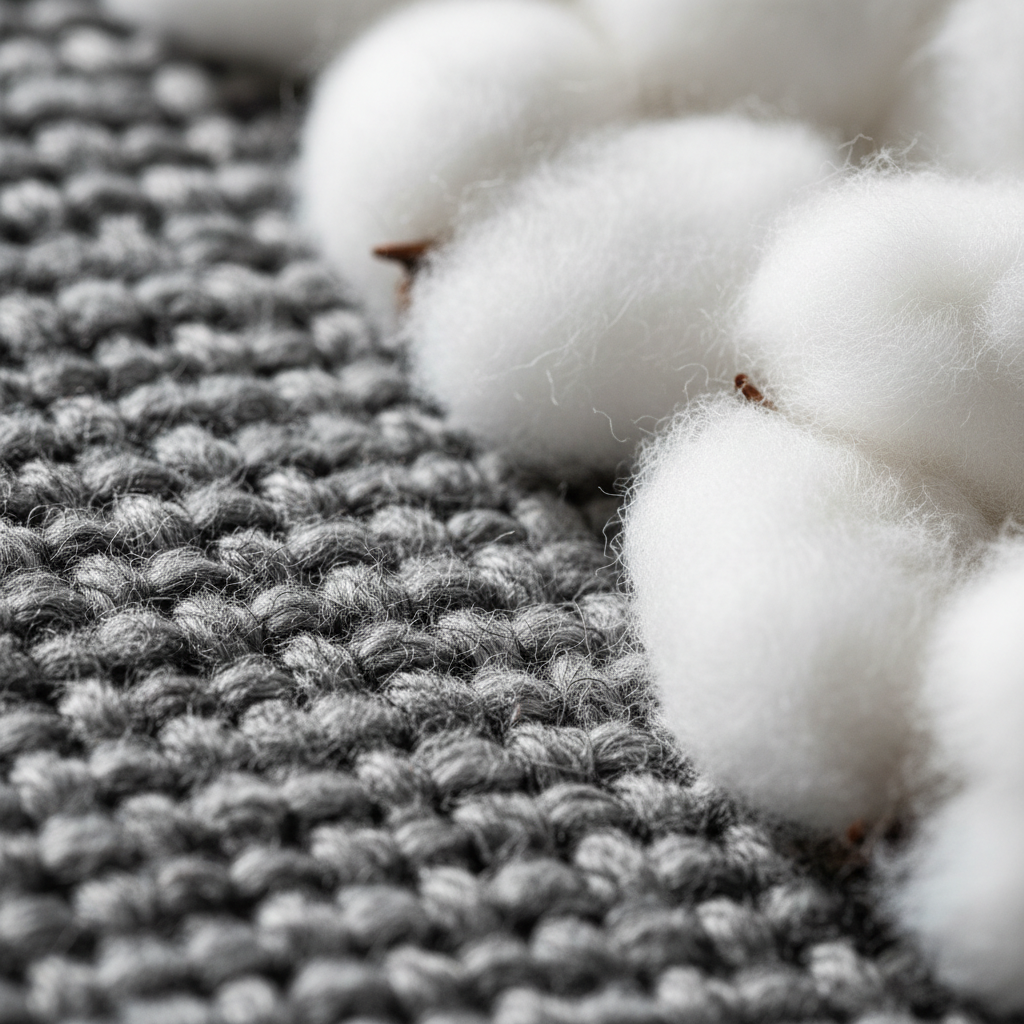
Trends fade quickly. Fabric quality lasts longer. Wool blends breathe better and drape cleanly. Cotton shirts with higher thread counts resist wear. Avoid flashy buttons or extreme cuts. Simple construction ages well. Your outfit stays relevant year after year. Replacement cycles slow down and expenses stay controlled.
Limit Shoes to Two Reliable Pairs
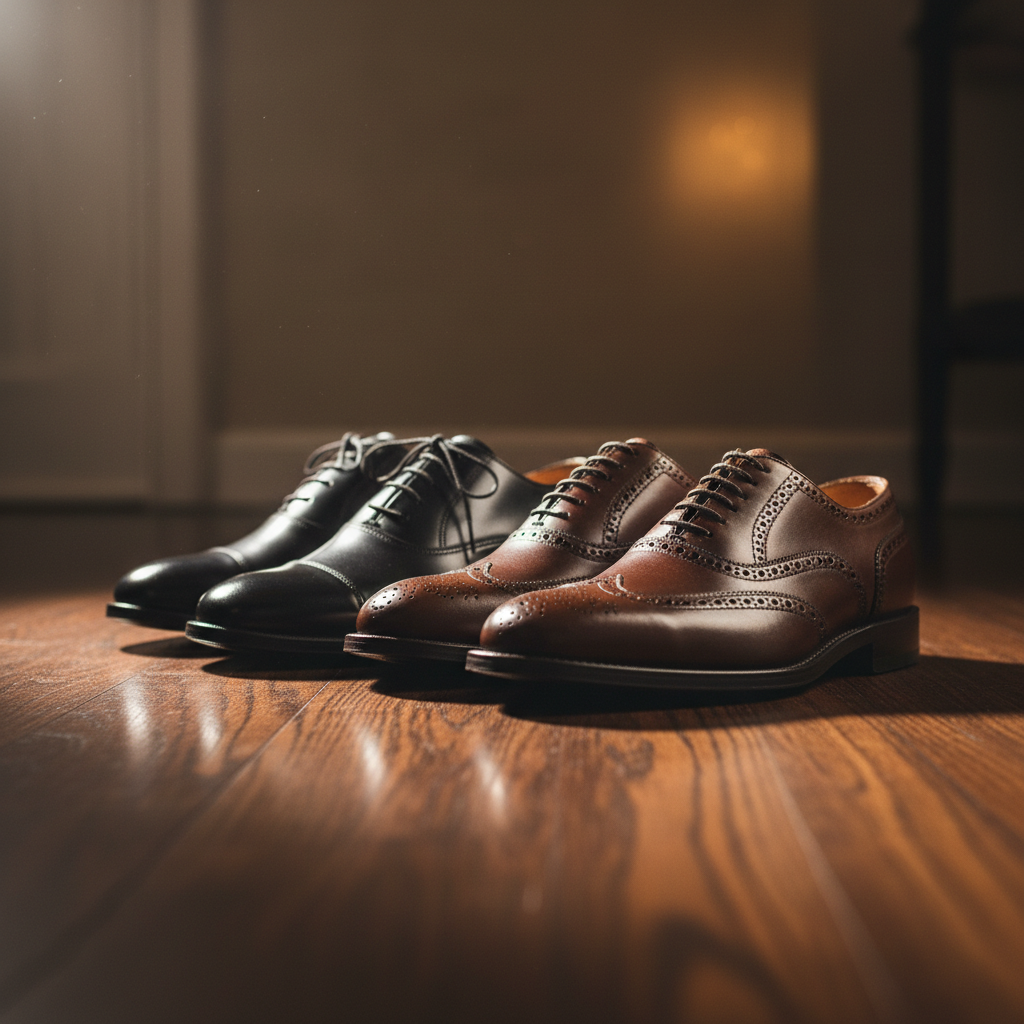
Shoes anchor formal style. Own one black pair and one brown pair. Leather uppers age better with care. Simple lace ups match most outfits. Avoid novelty shapes. Rotate pairs weekly to extend life. Clean and polish monthly. Your footwear stays sharp without frequent replacement costs.
Use Accessories to Refresh Old Outfits
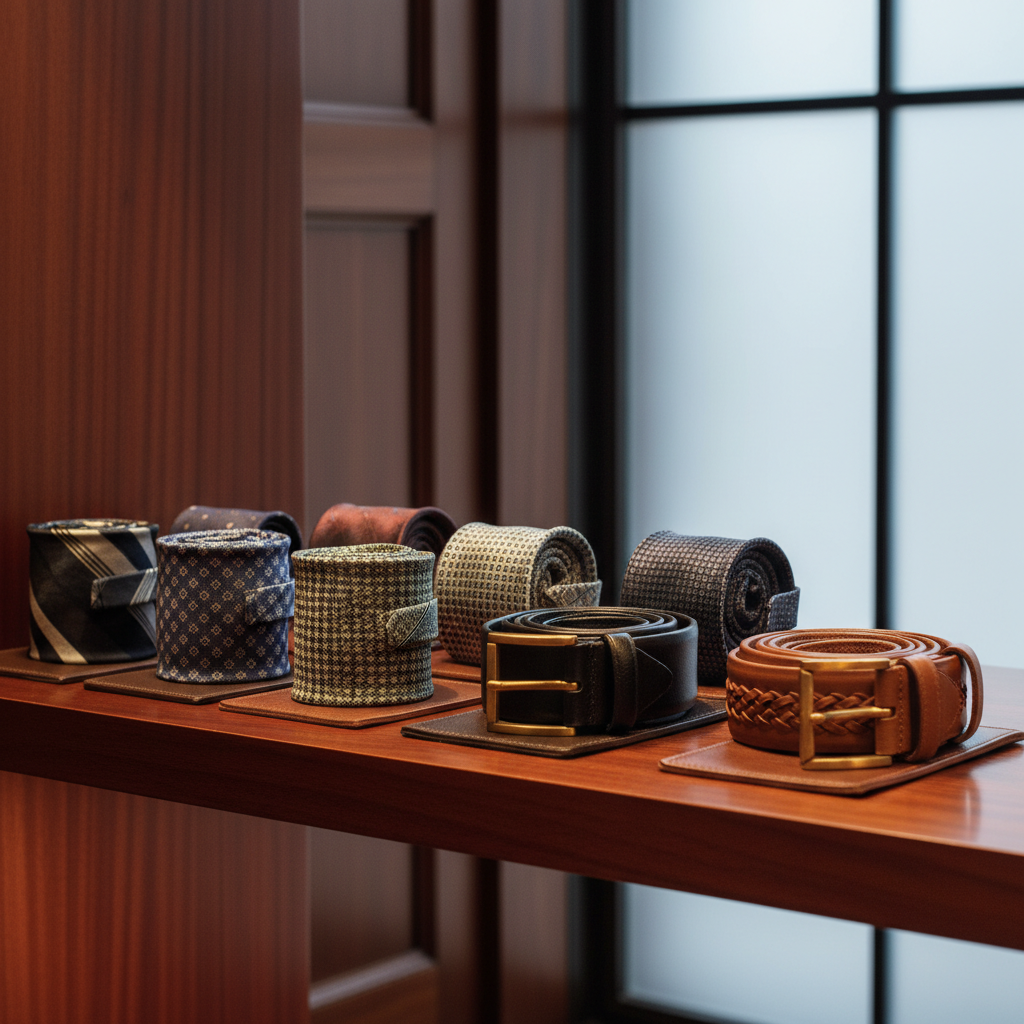
Accessories shift appearance fast. Change ties, belts, and pocket squares. Small details refresh familiar outfits. Neutral suits accept varied accents. Keep colors restrained. A new tie costs far less than a new suit. Your look feels updated while core pieces remain unchanged.
Rent or Borrow for Rare Events
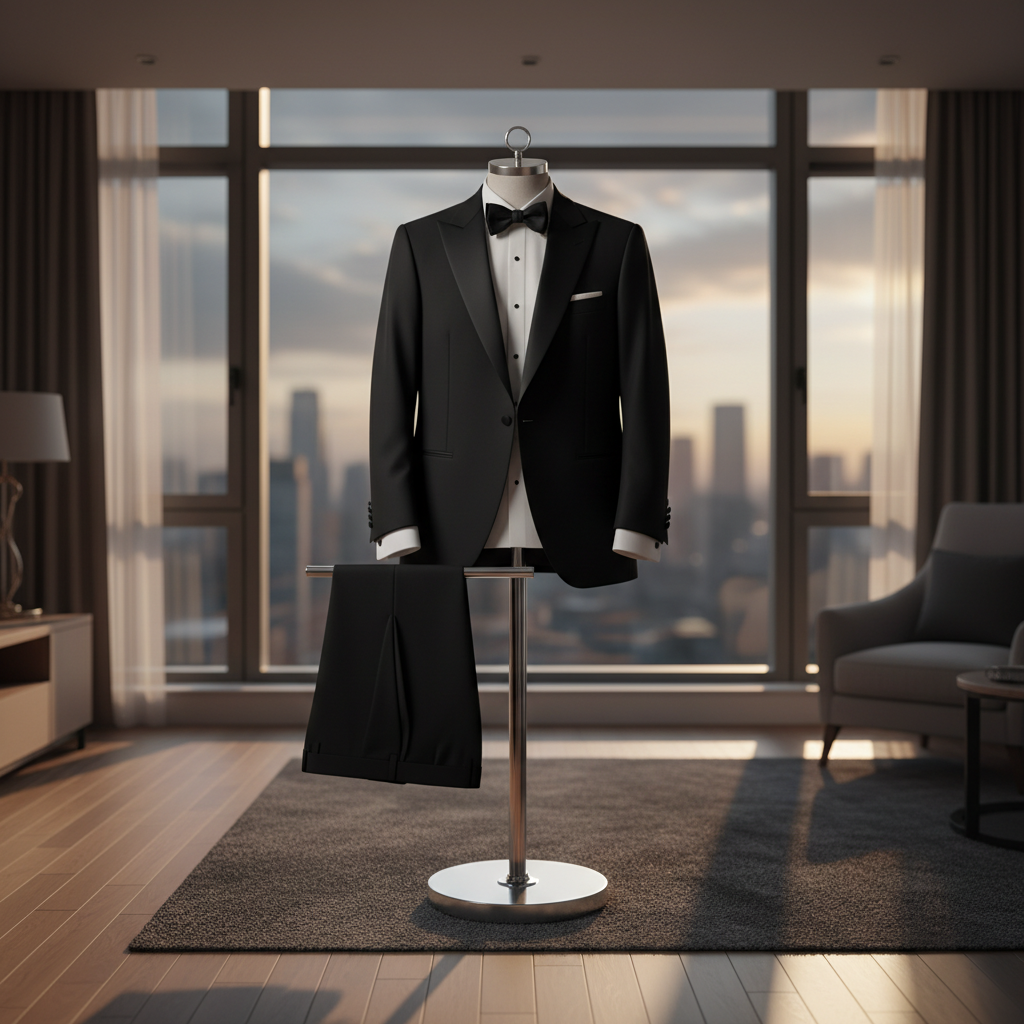
Black tie events occur rarely. Renting saves money. Borrow from friends for one time use. Storage and maintenance costs disappear. You avoid buying items gathering dust. This approach keeps spending aligned with real usage. Your budget stays focused on everyday formal needs.
Build Outfits Around One Strong Jacket
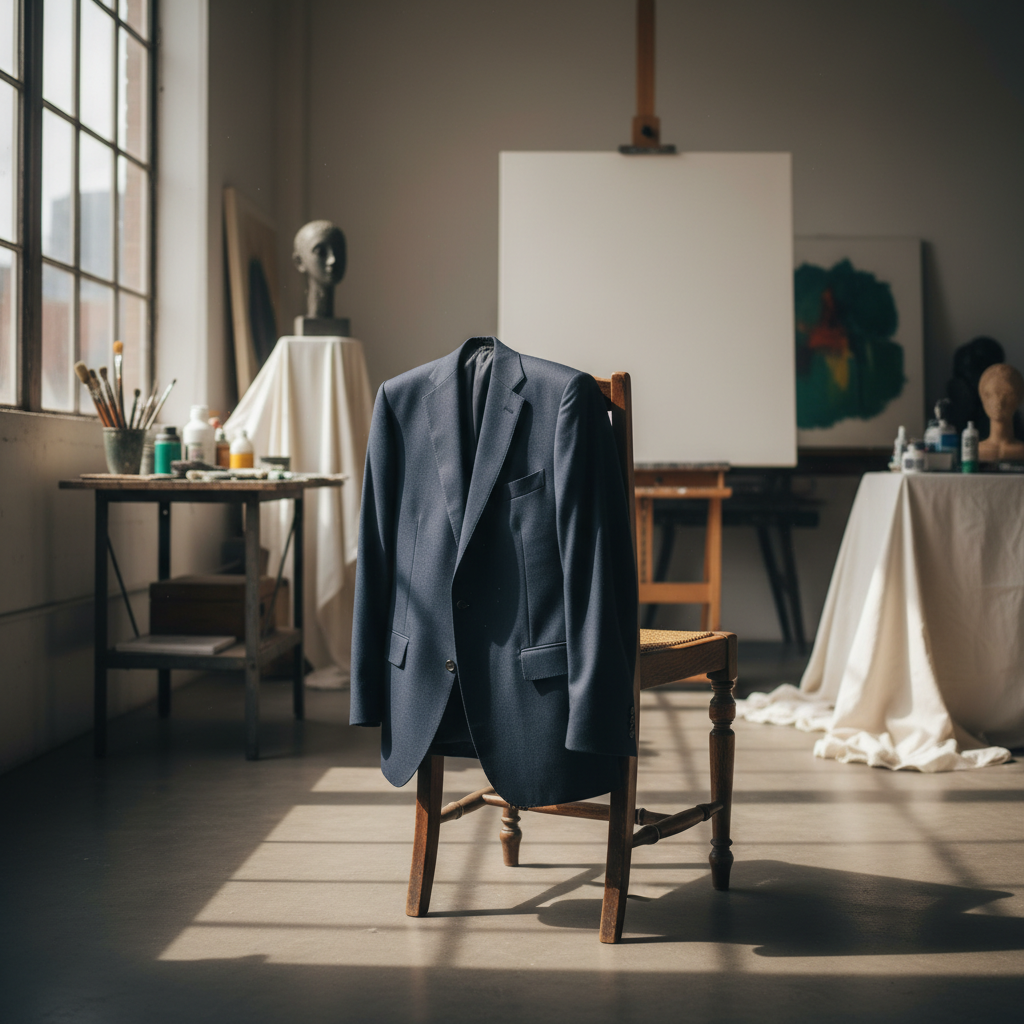
A structured jacket elevates basics. Pair with chinos for semi formal settings. Match with tailored trousers for meetings. Layer over simple shirts. One quality jacket multiplies outfit options. Cost per wear drops sharply. Your appearance stays consistent across different occasions.
Maintain Clothes to Extend Lifespan
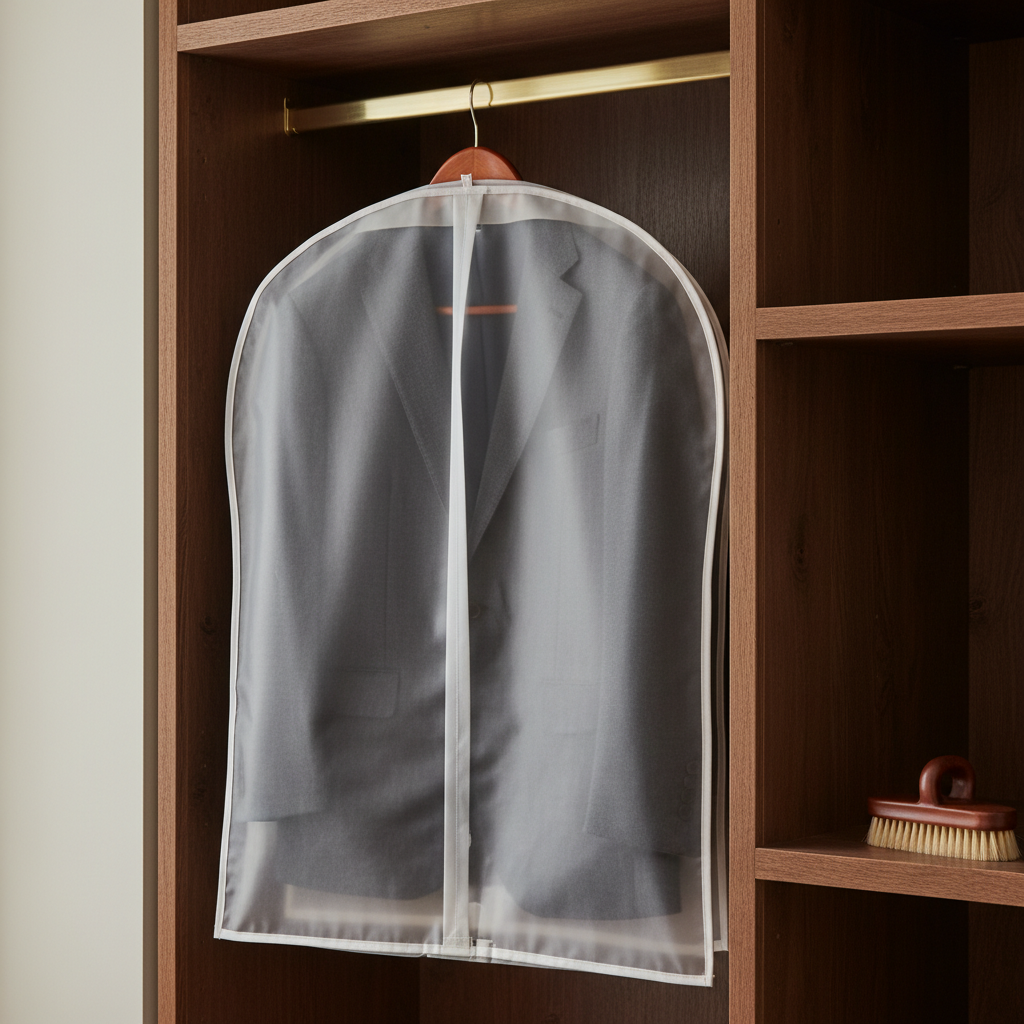
Care protects investment. Follow wash labels strictly. Use cold water for shirts. Air dry jackets and trousers. Store suits on wide hangers. Brush fabric after use. Minor care habits prevent early wear. Your formal wardrobe lasts longer and replacement spending reduces.
About the Author