
Discovering those initial silver hairs much earlier than anticipated can be a great surprise, particularly if you are still in your prime nightlife years. Even though genetic factors are of great importance, new research indicates that a lack of certain nutrients can act as an inconspicuous reason behind the early grey hair. I investigated health discussion threads and academic articles to find out what the scientific community believes, and it is nothing short of enlightening. The following are eleven important revelations that may clarify the situation.
Deficiency of Vitamin B12 is the Main Problem.

Very low Vitamin B12 amounts are one of the most frequent causes of early grey hair, as they interfere with the production of melanin, which is the coloring pigment of your hair. It has been seen in a few studies that people who have premature greying can often have discernibly lower B12 levels and they have been able to gray back some hair with supplementation.
Iron Shortfalls Weaken Pigment Production

Ferritin (your body’s iron storage) being low pops up a lot in research on people greying in their 20s. Iron helps deliver oxygen to hair follicles, and without enough, melanocytes struggle. Indian studies on under-25s found this deficiency strongly tied to early silver strands.
Copper Directly Involves Melanin
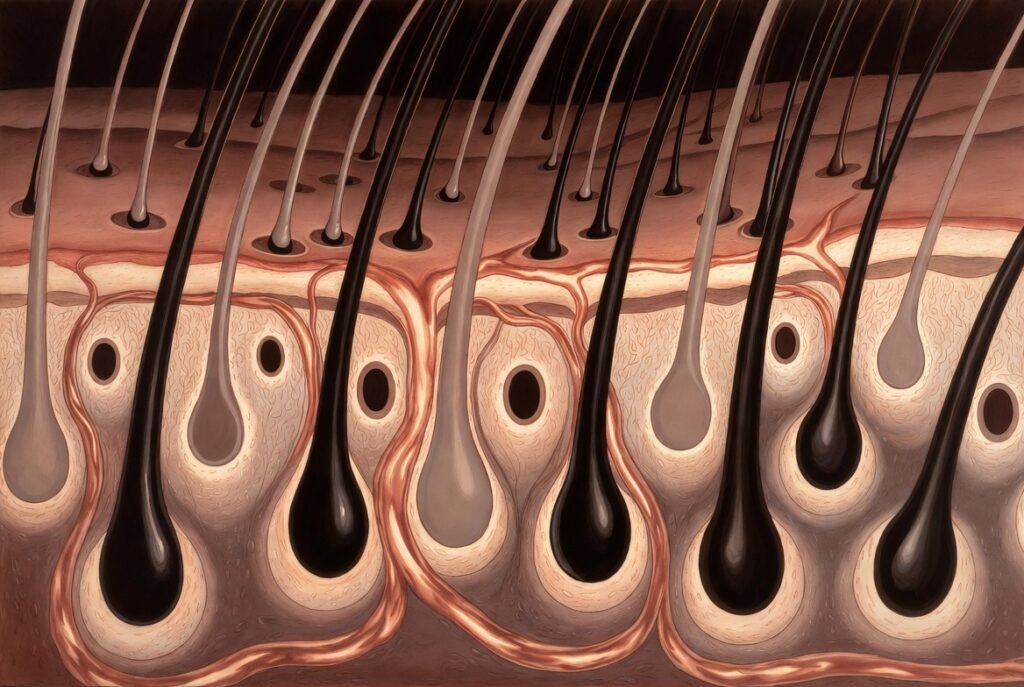
Copper is essential for the enzyme responsible for melanin production, and its deficiency results in less pigmentation. Several studies point to inadequate copper levels in cases of early greying, and some even consider it a more significant contributor than iron in certain populations.
Vitamin D Levels Matter More Than You Think

Surprisingly, vitamin D deficiency shows up in studies of young people with greys is linked to overall follicle health and even bone density issues that overlap with pigmentation problems. Getting more sun or supplements could help if you’re low.
Zinc and Other Minerals Aren’t Off the Hook
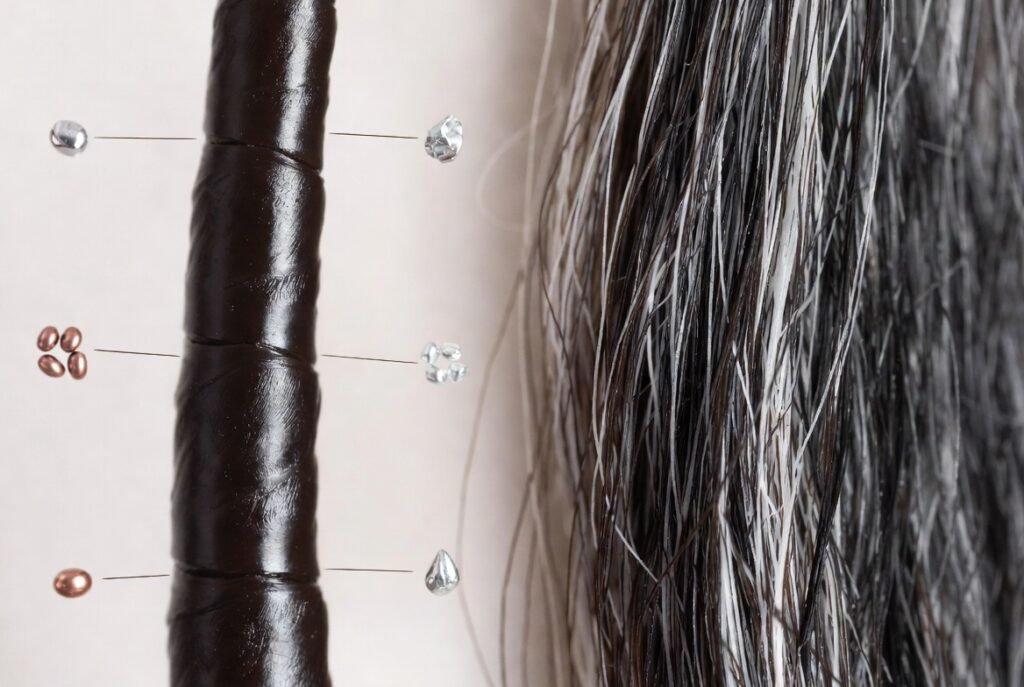
Zinc supports hair repair and melanin pathways, and deficiencies have been spotted in premature cases. Some research bundles it with copper and iron as trace elements that, when low, speed up greying.
Folate and Biotin Deficiencies Add to the Mix

Apart from the above-mentioned B vitamins, folate (B9) and biotin are also in the list of B12 supporters in maintaining cell health. A deficiency in the whole B-complex group was suggested as a cause for the lower levels of these vitamins among teenagers and young adults who were greying prematurely.
Selenium Shortfalls and Oxidative Damage
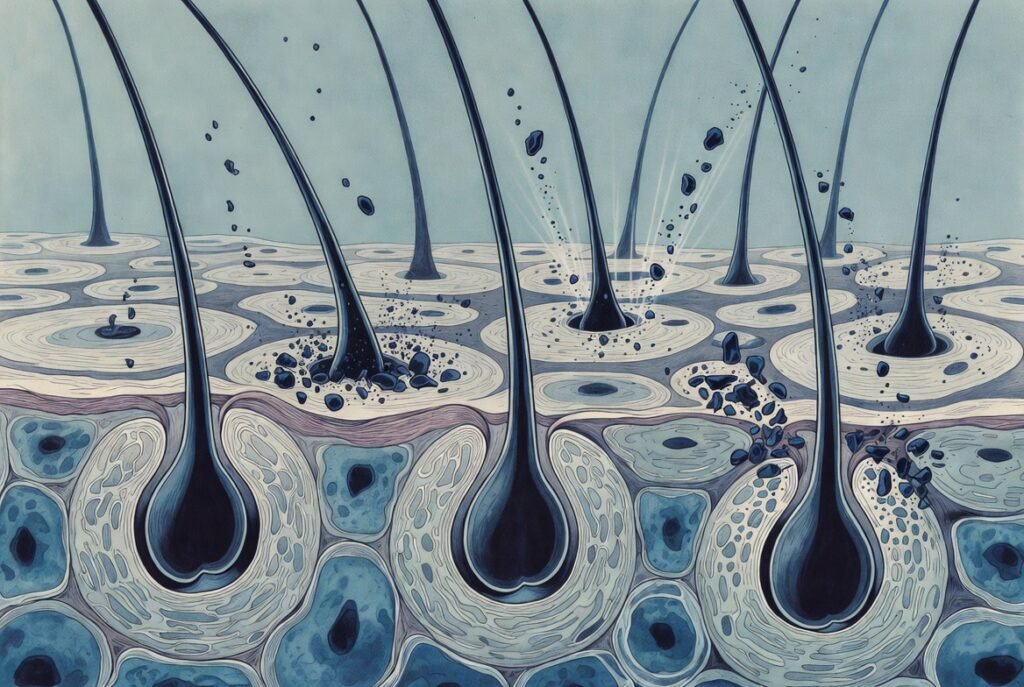
Selenium acts as a powerful antioxidant protecting hair cells from damage. Deficiencies have been tied to faster greying in certain studies, especially since it helps combat the oxidative stress that kills off pigment producers.
Calcium Deficiency Could Be Sneaking Up Too
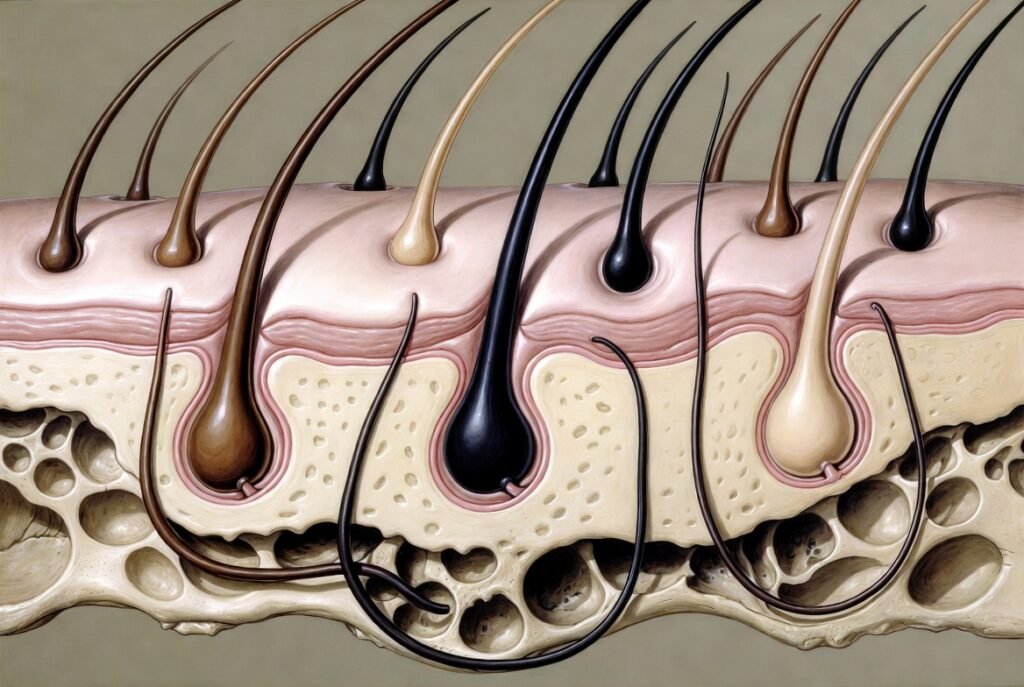
Several research papers have associated low calcium levels with premature greying, as calcium is said to be the mineral of very good quality of follicles and works with vitamin D in a synergistic way. Usually, studies on youngsters with early silvers show lower serum calcium, which implies it’s a piece of the nutrient jigsaw that’s still worth exploring.
Chronic Stress: The Hidden Grey-Maker

High stress floods your system with hormones that deplete stem cells needed for color. Research, including mouse studies that turned grey from stress (and reversed it!), suggests managing life pressures might keep your natural shade longer.
Thyroid Issues Often Overlap with Early Greys
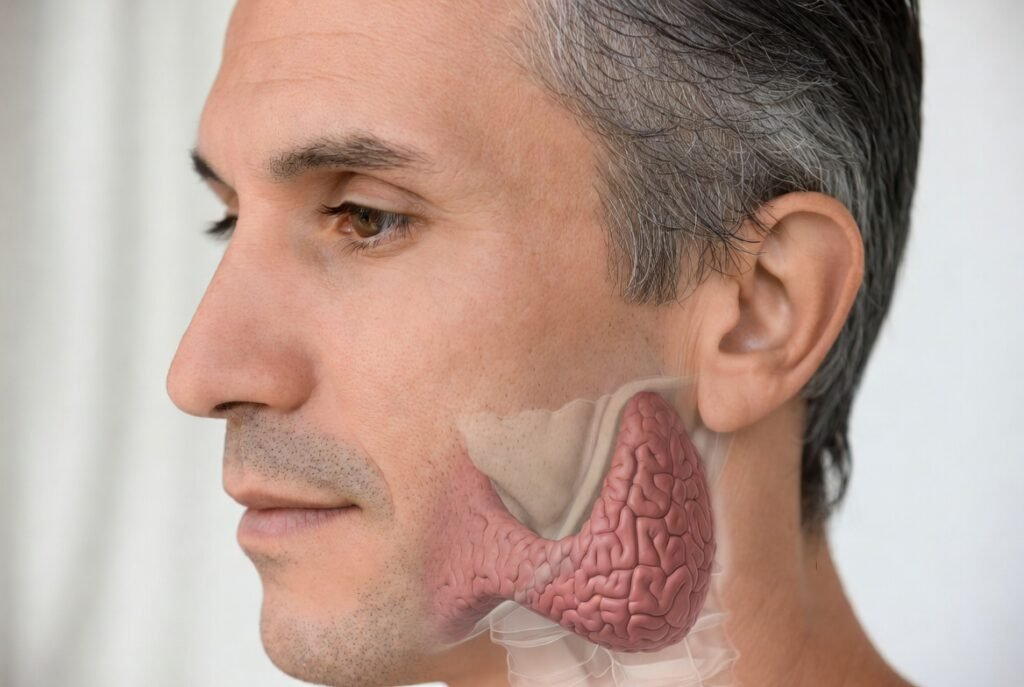
Hypothyroidism, for instance, disturbs the production of melanin and absorbs nutrients poorly. Together with that, research often reveals that the early greying individuals have thyroid imbalances, thus it is worthwhile to get it checked as in some instances, treatment would lead to repigmentation.
Fixing Deficiencies Might Slow or Reverse It

In cases where a deficiency is the causative factor, the administration of dietary or supplement sources has resulted in the reappearance of normal pigmentation, particularly when the problem is diagnosed in a timely manner. Doctors recommend blood tests to check, then foods or pills to correct it.
About the Author