
A solid bag helps things run smoother, not pile up faster. Most guys grab one fast, skipping how it sits on the body, stays put during hours, or feels light in pockets. Tiny oversights turn costly choices into constant irritants. Look at what happens when bags go wrong – most errors follow a few clear patterns, easy to steer clear of by keeping things basic and grounded.
Carrying a Bag That’s Too Big

Fancy big bags might pull you in, yet countless sit empty. Packed with promise, they tend to clutter space, throw back your stance, sometimes clash with everyday fashion. Pick one matching how much lives in your hands each morning.
One Bag for Every Situation
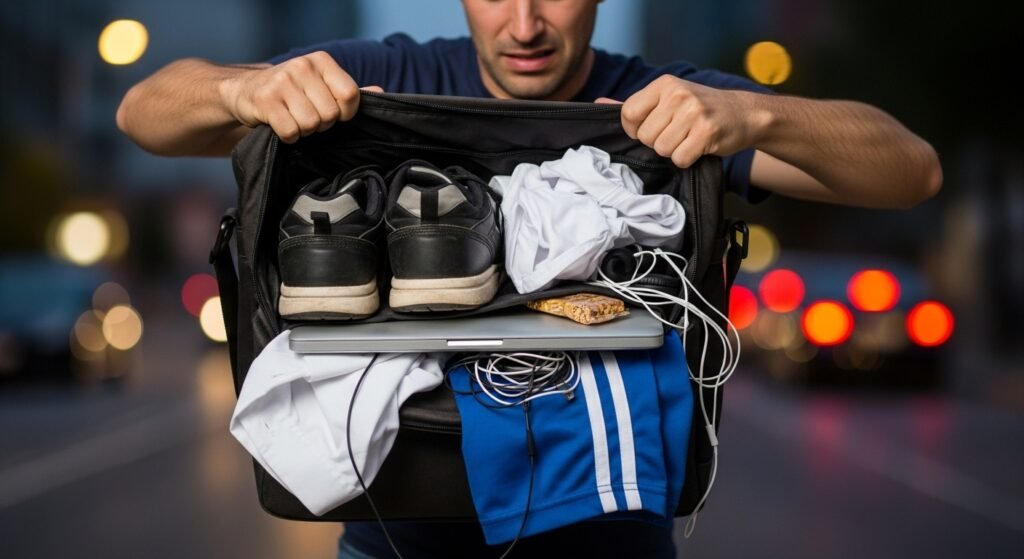
Packing odds and ends into just any sack? Not really working out here. For the gym, office, or hitting airports – different tools matter. Trying just one holder for every task tends to scramble things inside, plus look sloppy fast.
Ignoring Comfort and Straps

Shoulders take a beating when straps are tight or flimsy. Pain builds slowly under pressure like that. Padded straps that stretch easily change everything, more so if walking hours fill your day.
Choosing Style Over Function
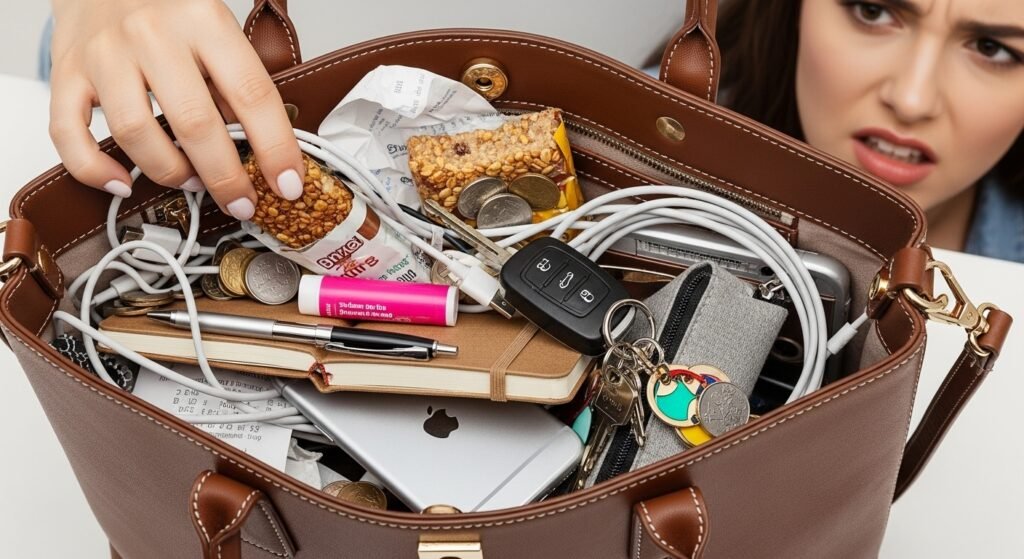
Even if a bag seems appealing, poor design means no useful spaces or stability. Things get lost fast when drawers do not organize well. Stuff breaks more often because things do not fit right. Appearance means little without real purpose at work.
Unnecessary Stuff
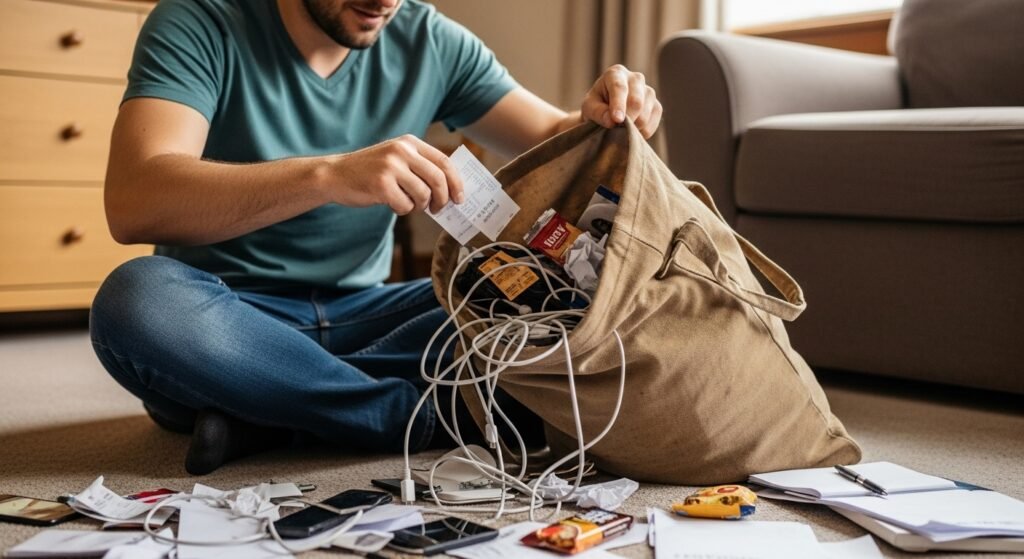
Folds of crumpled paper stack beneath old receipts. Inside, a tangled charger drags down the space. Random things pile up without reason. Weight builds slowly from what sits forgotten. Every gram matters when space is tight. A washed bag feels easier to carry each week. Dirt hides pockets that grow full over time.
Wrong Bag With the Outfit

A backpack with sporty flair often clashes with serious clothing choices. Briefcases made of leather lose their place in relaxed dressing moments. When your luggage match changes with what you wear, your look gains calm thoughtfulness.
Ignoring Bag Quality
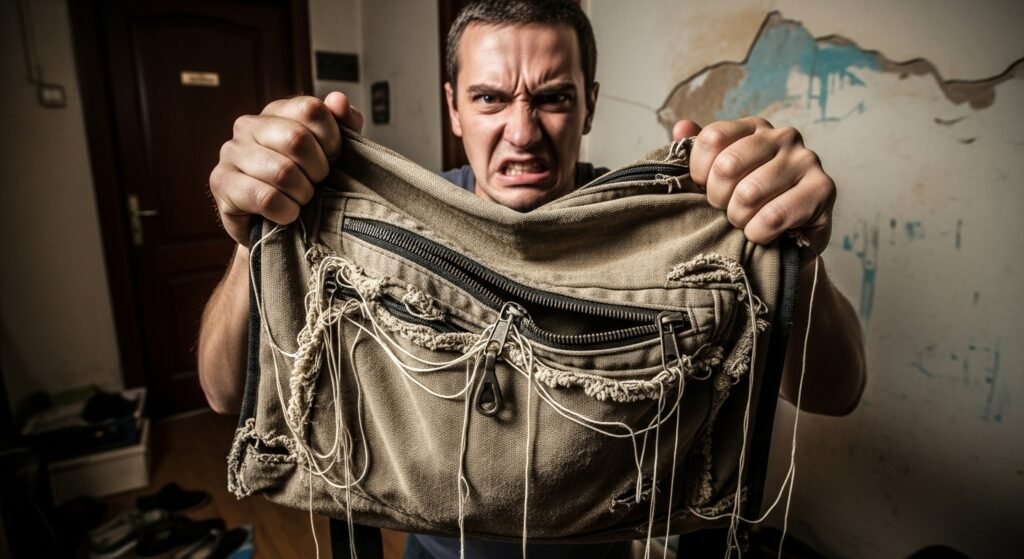
Fragile zippers, loose threads, along with lightweight material fade quickly. When a bag falls apart sooner rather than later, it gets annoying. Building things right counts higher than shouting about labels.
Not Protecting Electronics
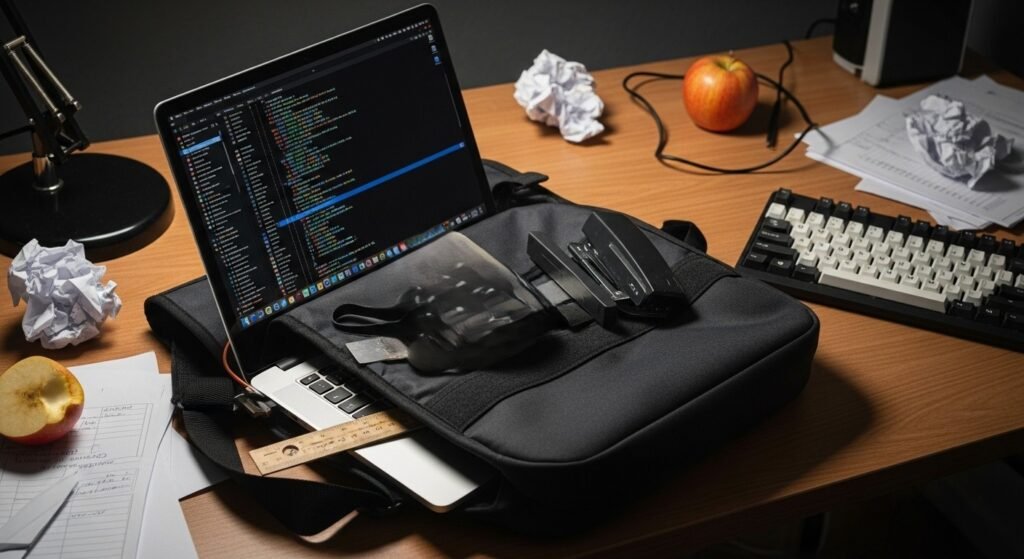
Most bags just don’t have enough cushioning. Shifting a laptop or tablet by itself might lead to harm. When parts of a bag allow space to absorb shock, gear stays protected. That kind of setup helps throughout regular use.
Wearing the Bag Too Low
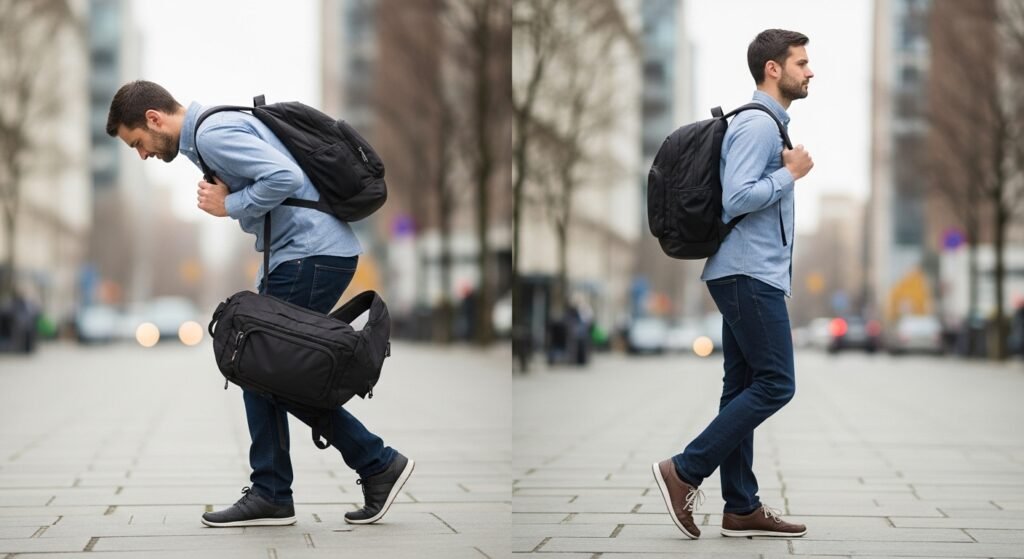
Down near the hips, heavy backpacks put too much weight on the spine. A crossbody bag pulled harshly, not quite sitting right on the body. When shifted into place, both stay more relaxed, aligning better with how the body naturally holds itself.
Never Replacing an Old, Worn Bag
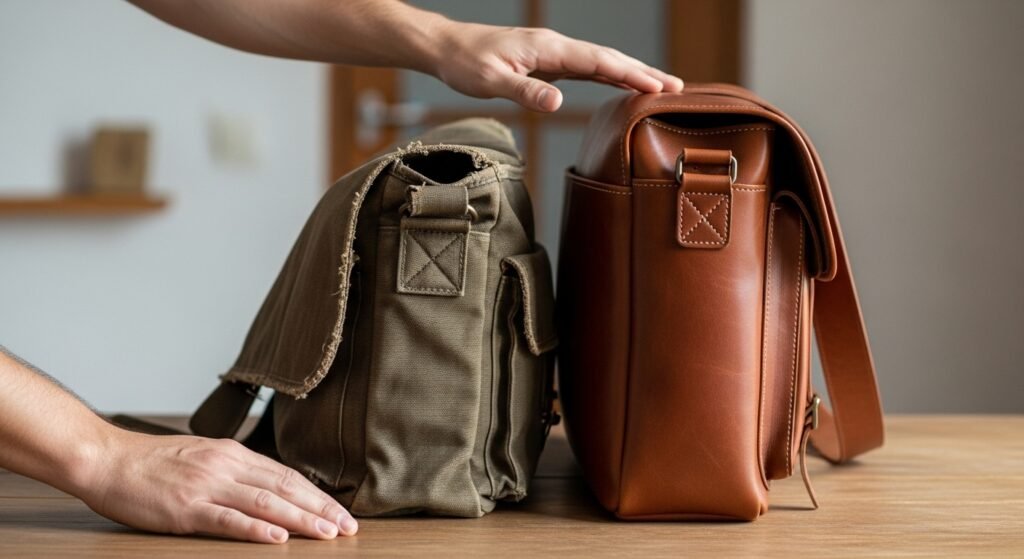
Straps snap apart, zippers stall – it shows lack of attention. When a worn backpack stays in use too long, both fit and feel slip away quietly. Swapping it out before delay builds ease again.
About the Author