
Having a great beard does not simply imply letting the facial hair grow out without control or a goal. A good beard takes planning, time, the art of grooming, and appropriate customs in maintenance that are applied regularly. Most men are fighting patchiness, uneven growth, or a clumsy childhood stage, which kills self-esteem. The secret here is that you must know your growth cycle, you should always shape accordingly, and you have to take care of the skin beneath. Even the patchy beard can be shaped into a fuller, sharper, and purposeful appearance with shrewd trimming, aiding fibers, and regular maintenance.
Commit to Growth

The greatest measure of mistakes that men make is to trim too soon during the tender growth period. You must allow your beard at least four or six complete weeks before you can consider whether it is really full and dense or not. Very patchy areas tend to match themselves out as time passes and the hairs grow longer and slower, and even as the puzzly patches are closed over.
Shape Smart
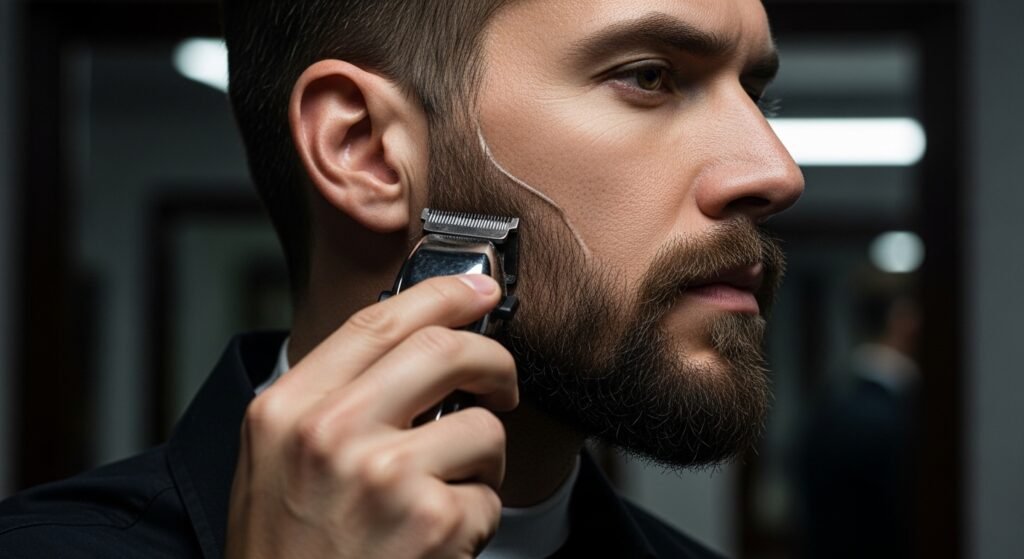
Having an easily drawn neckline and drawn cheek line leaves an immediate dramatic difference in any type of beard. Cut under the jaw and not excessive on the neck so as to have a masculine structure. Angular visual density and intentional sharp lines are used to make thin, vertically non-random areas appear purposeful rather than arbitrary.
Trim Right

Random cutting results in an irregular bulk, weird holes, and clumsy overall proportions very soon. A good trimmer that has various length guards will be used to ensure that all parts are cut at the same length in a balanced manner. Symmetry, gradual shaping, and controlled reduction should be paid attention to rather than focusing on the removal of excessively large amounts of hair at one time.
Brush Daily
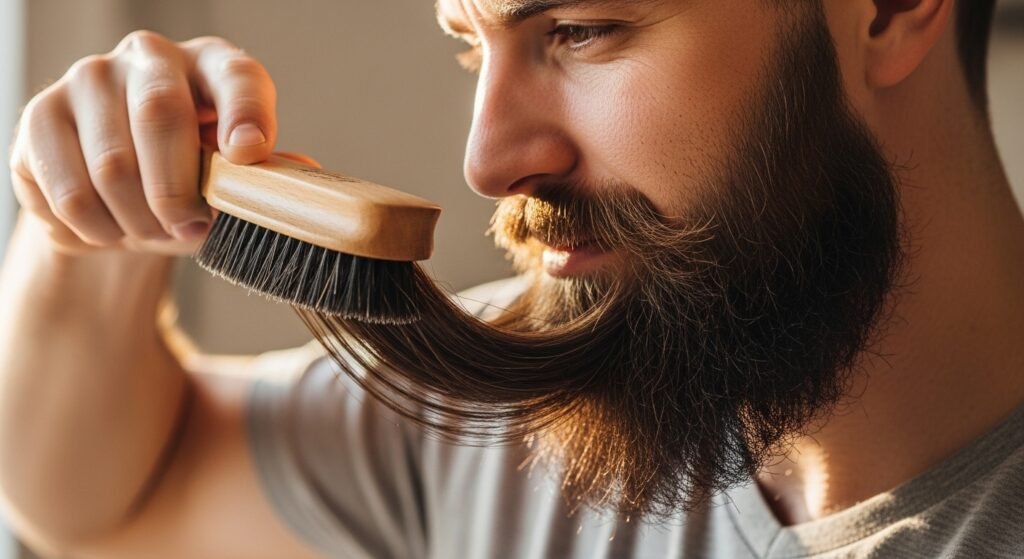
Brushing is a method of one longing to have their beard hair grow in a set and moderate direction. It also spreads the oil of nature evenly, decreases the tangles, and enhances the general texture and beauty. Even a few minutes each day will enhance fullness in appearance, and a patchy area will appear to flow into the thicker areas.
Oil It

Beard oil not only moisturizes the hair strands, but it also moisturizes the skin beneath, which is sensitive. Thirsty, dry skin may flake, irritate, turn red, and retard healthy growth cycles. Quickly rub a few drops every day, rub in, and have the benefit of a smoother feel with a natural, healthy shine.
Exfoliate

A healthy skin promotes good healthier and consistent growth of beard in the long run. Wash the skin softly every one or twice a week to help eliminate dead skin cells and to open up hair follicles. Clean follicles encourage greater circulation, minimize the development of ingrown hairs, and help prevent the overgrowth of beard attach to them.
Fill Gaps
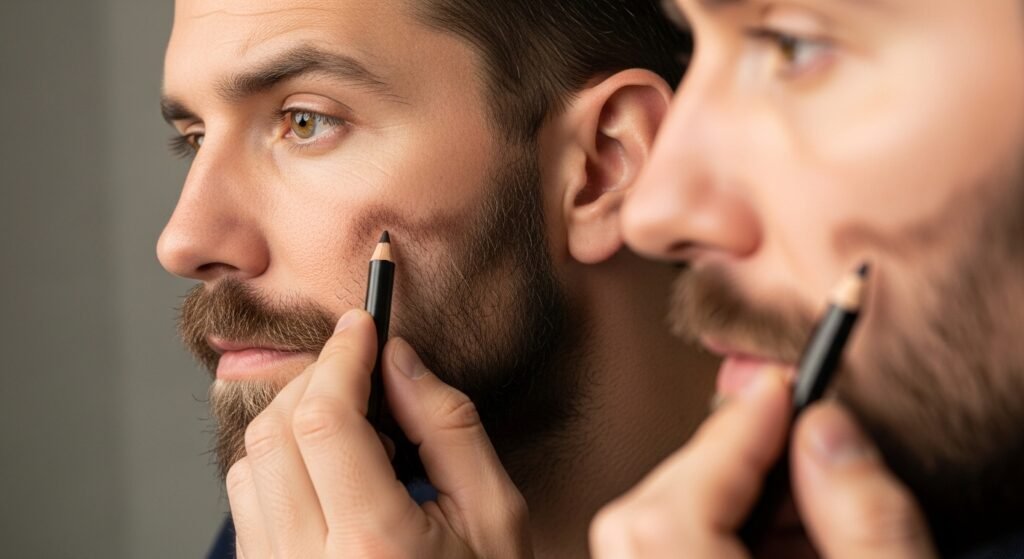
In the case of crucial meetings, events, or pictures, the thin areas can be improved using beard pencils or slight fillers. Less is more, apply with care, and be careful with matching your own natural color to prevent inking lines. Strategic touch-ups increase the level of confidence in the short term as the natural growth progresses steadily below the surface.
Stay Patient

The process of changing to a beard requires time, hard work, and hair shaping each day. Do not compare your rate of growth with other individuals who have an entirely different genetic makeup and hairstyles. Patience with intelligent maintenance, realistic expectations, and appropriate care brings consistent visible normative advancement.
Maintain

As soon as your beard is shaped in the way you want it to be, it is important to maintain it. Ease, trim and constantly trim, moisten the skin with moisture, brush each day, and have lines sharp and straight. Regular maintenance maintains the structure and averts unbalanced growth as well as gives patchy untidings a smooth and confident final edge.
About the Author