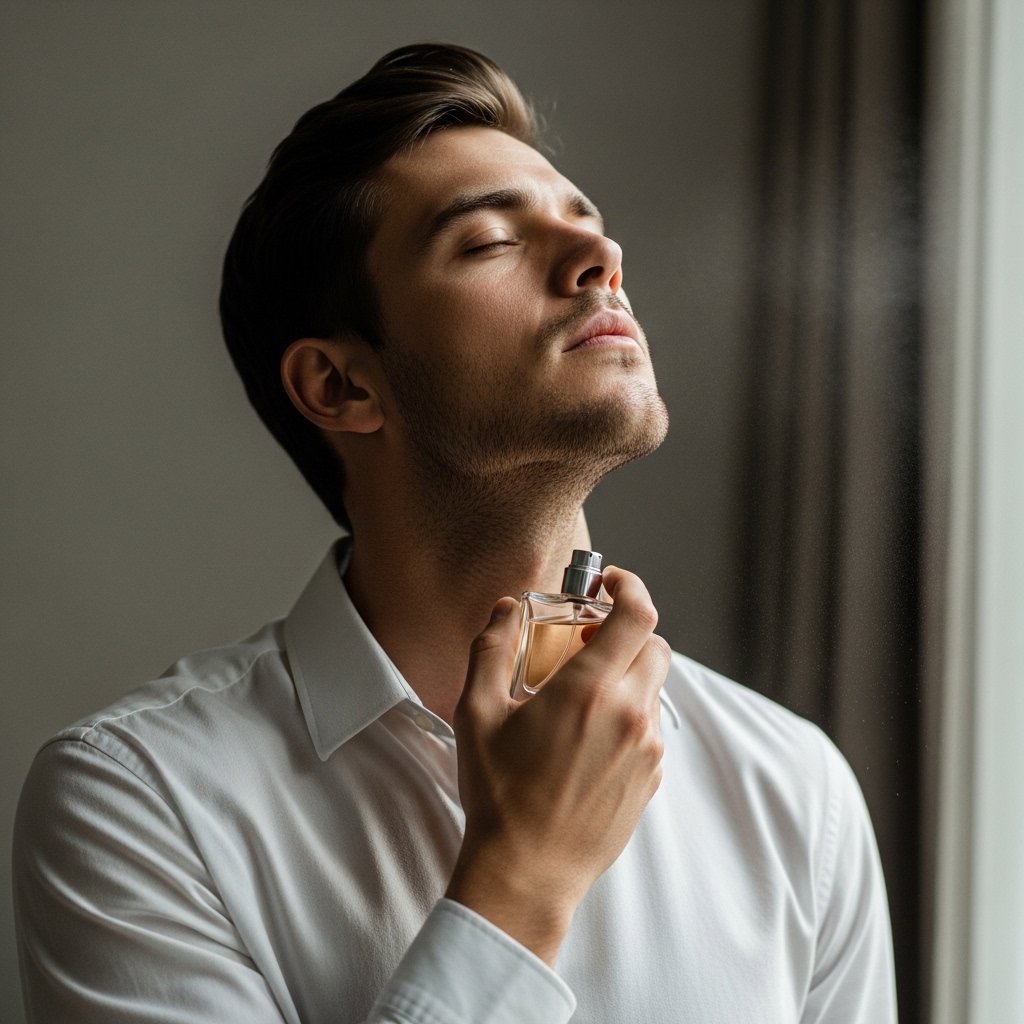
Perfume is not a mere finishing touch, it is an individual signature, which portrays mood, confidence and details. Most individuals spend much money on good-quality perfumes only to be disappointed by the fragrance disappearing too fast or changing its smell after a few hours. The knowledge of the interactions of perfume on the skin, cloth, and the environment can substantially enhance the performance of the perfume and make the fragrance noticeable and balanced throughout the day.
How Perfume Reacts with Skin
Perfume interacts with the body chemistry, and it means that the scent of the same perfume will smell a little bit different on every individual because of the skin type, temperature, moisture, etc. When the skin is warmer it can spread the scent more quickly, and when it is well hydrated the fragrance molecules can be made to stay longer and the notes can mature evenly.
Skin Prep Before Applying Perfume
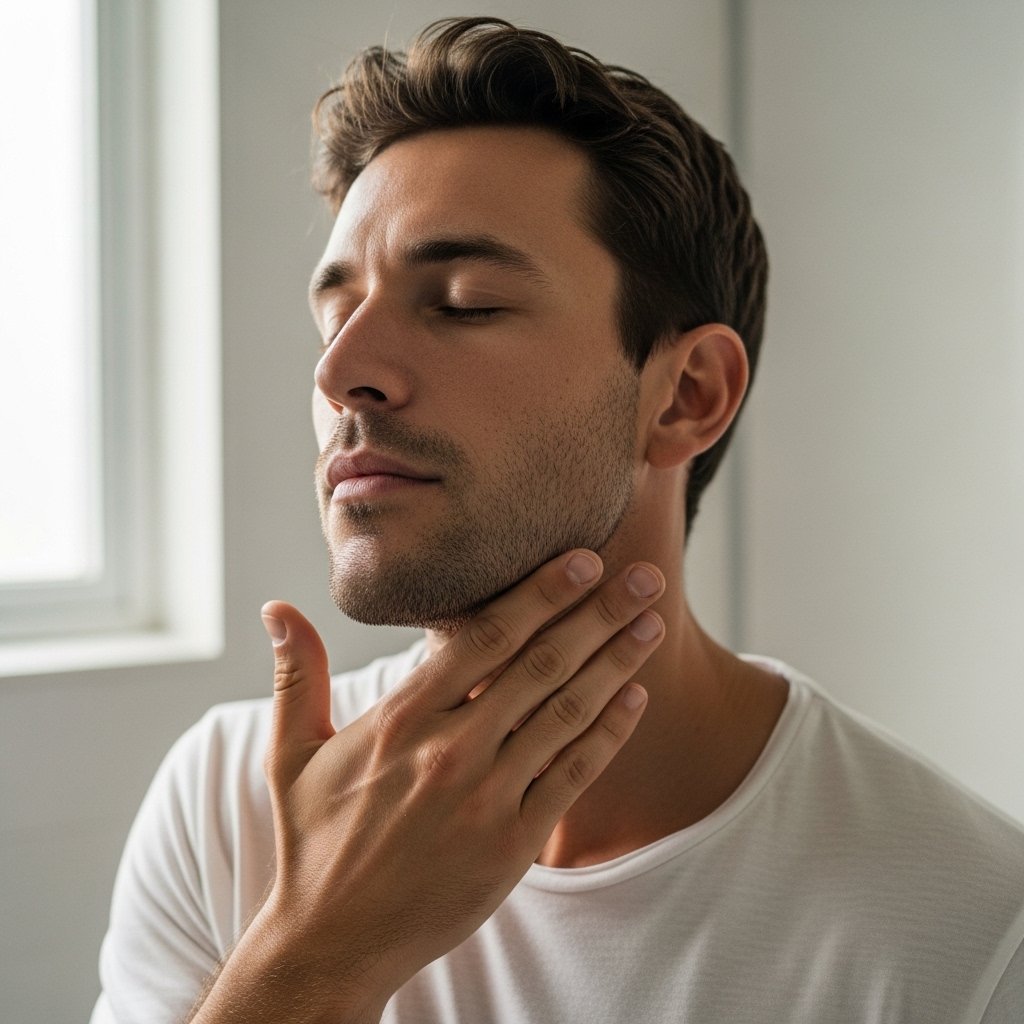
Oily skin: Neutral skin that has neither too much oil nor residue on it offers the fragrance a base that it can be placed on without being distorted. Fragrance should be applied immediately after a shower when the skin is slightly moist and the pores are clean, as this allows the fragrance to be absorbed more easily and reduces the rate of evaporation, which makes the smell feel more natural and uniform.
Moisturizer for Longer-Lasting Scent
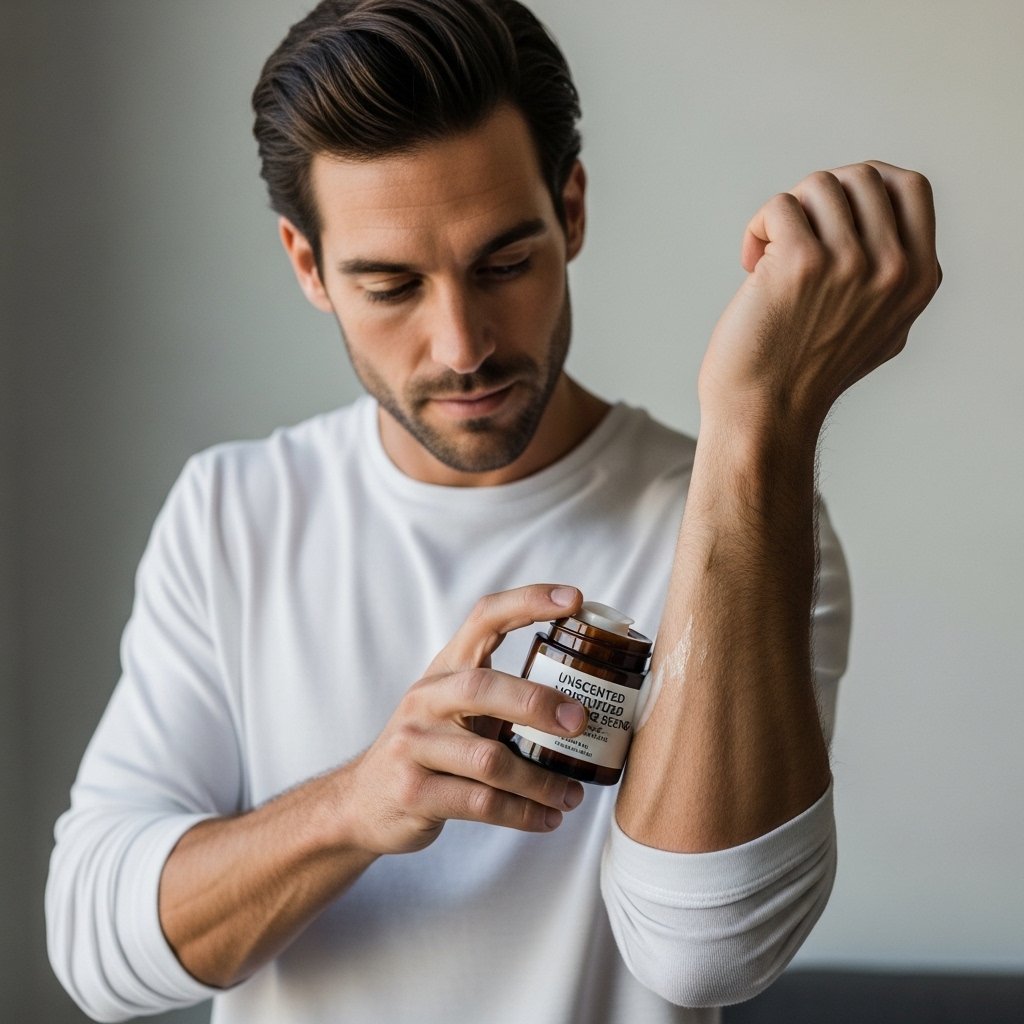
Leless or barely scented moisturizers serve as a medium that holds the fragrance back and does not disappear very fast. Perfume adheres to wet skin and the base notes last longer as well as the top notes as the skin stays moist.
Best Areas to Apply Perfume
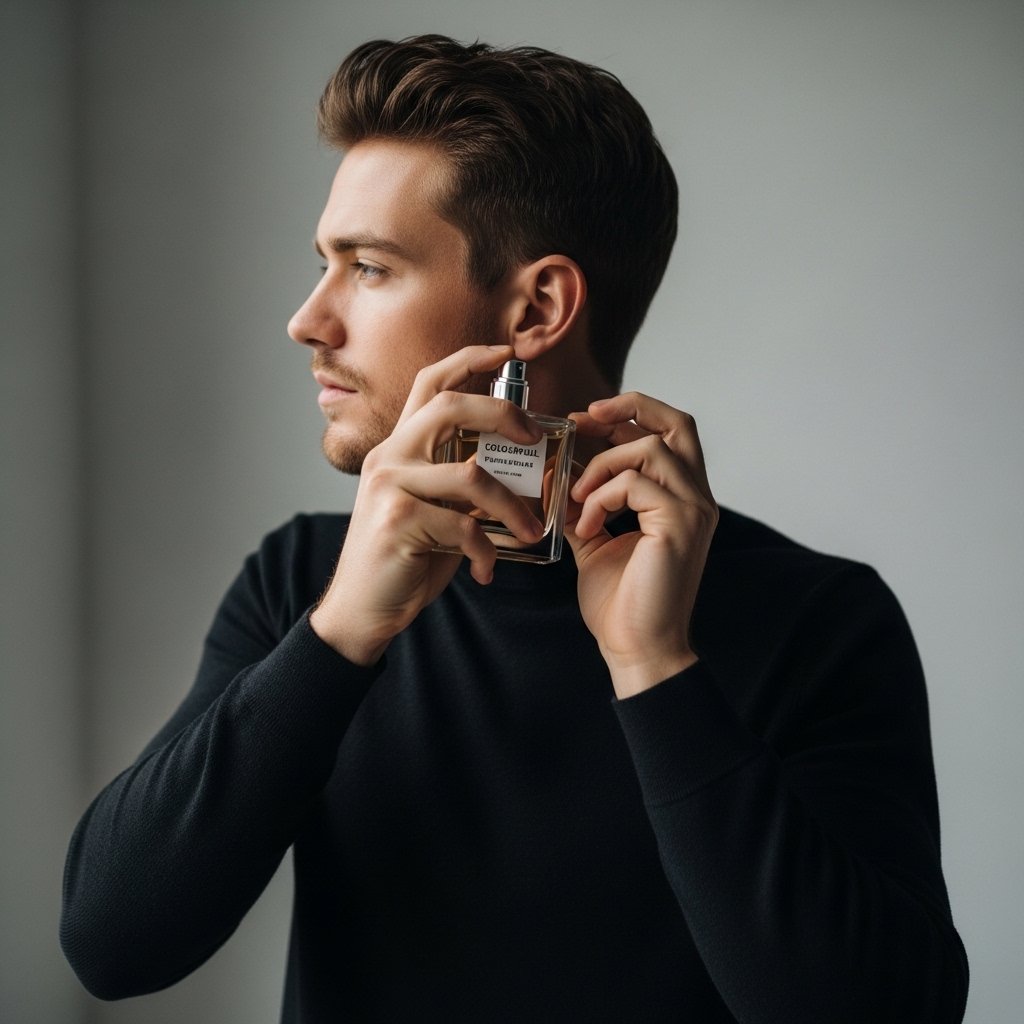
Perfume works best on places where the body heat is naturally elevated so that the smell can be projected without getting overbearing. The inner elbows, behind the ears, and collarbone are some of the spots that offer warmth to help stimulate fragrance and make it refined and well-distributed.
Using the Right Amount
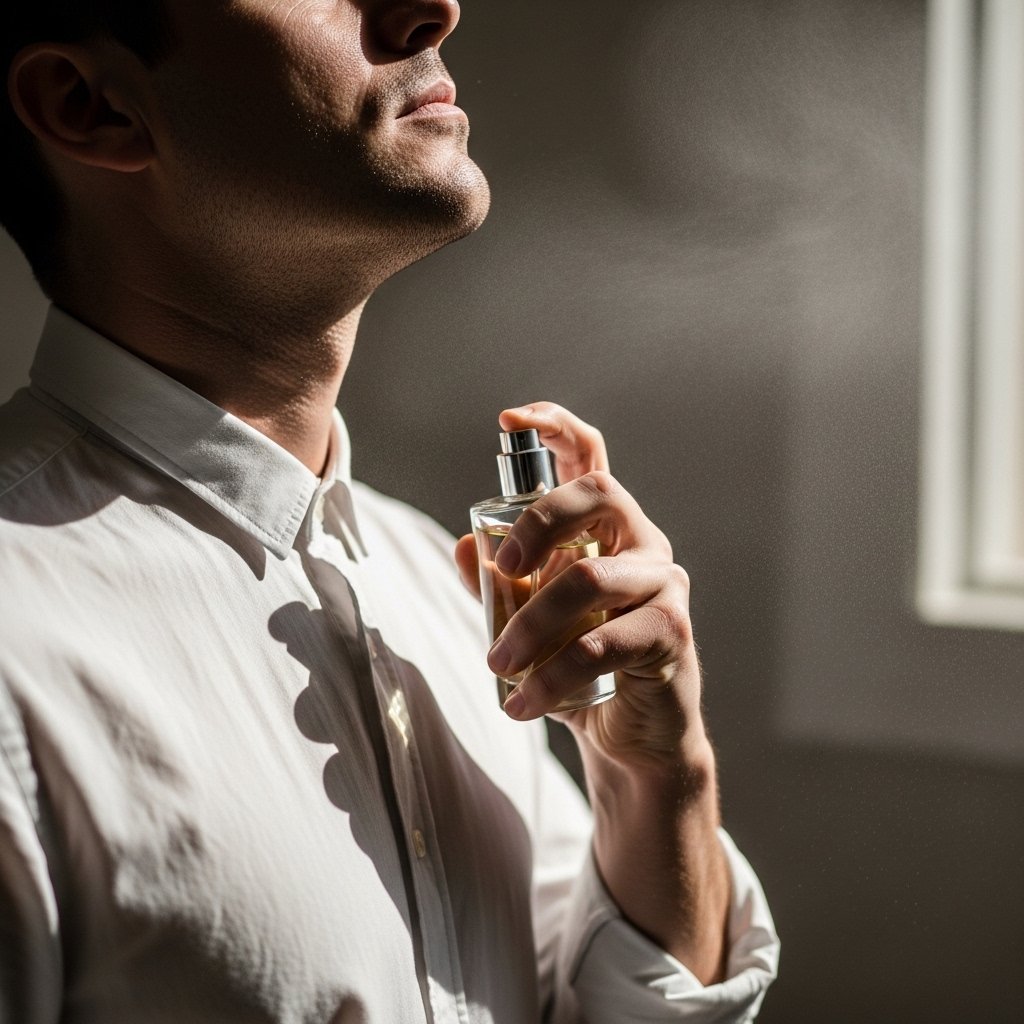
Excessive application of perfume may lead to disintegration of the scent at a rapid rate and loss of the desired balance. A regulated use enables the perfume to breathe on the body so that the smell comes out naturally and makes it nice to wear over a long period of time.
Best Time to Apply Perfume
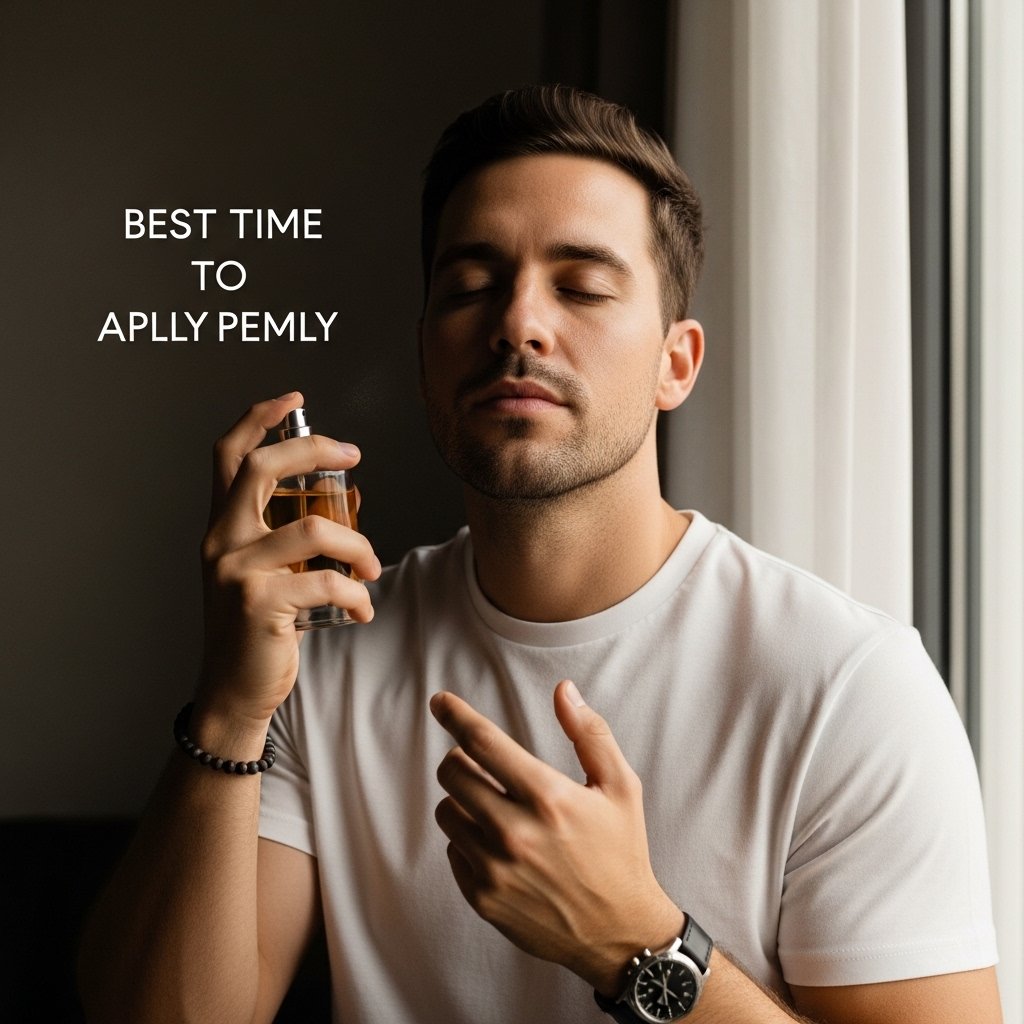
The timing of perfume application during the day determines the duration of its effect and the changes it goes through. Fragrance used when the body is relaxed and the skin temperature remains at a constant level is likely to last longer and not show any drastic transformations in its original nature.
Perfume and Fabric Interaction
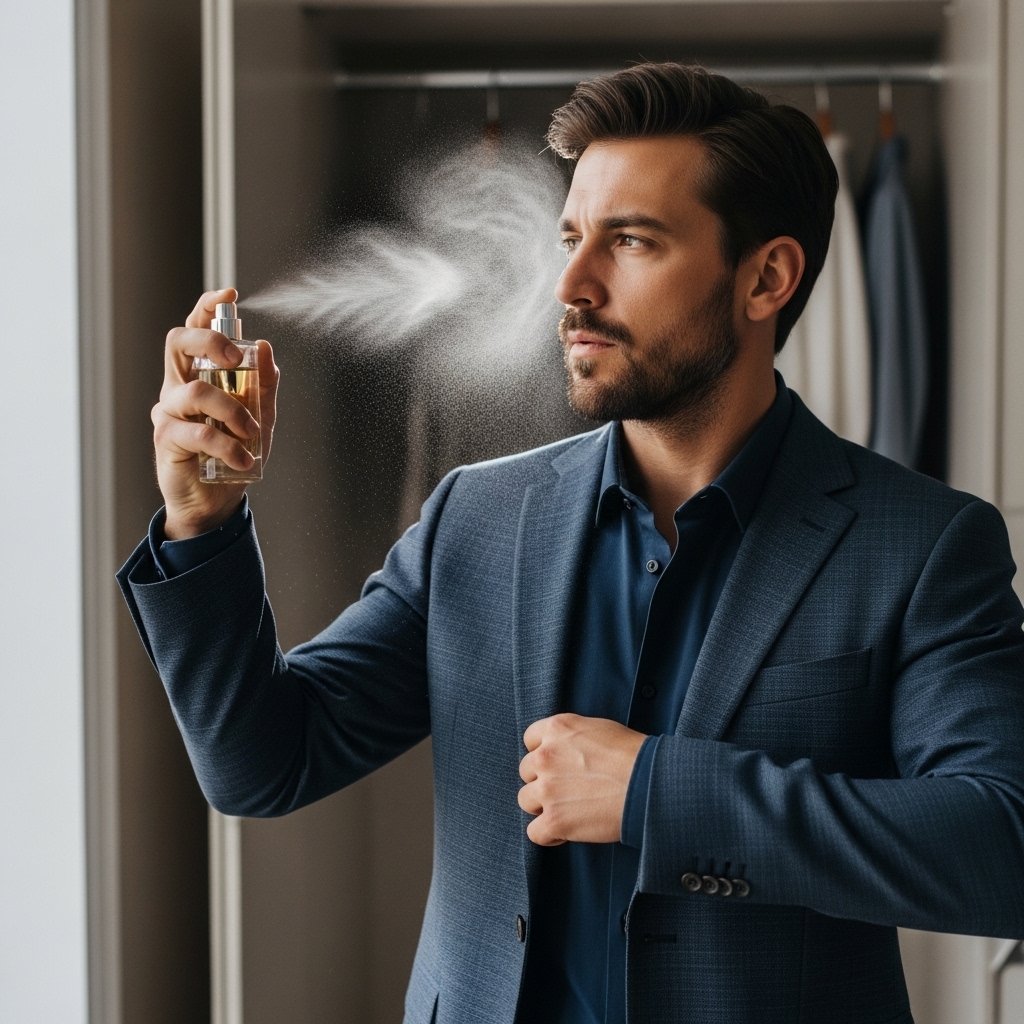
Certain fabrics are able to retain scent longer than skin, though they can also change the smell of a perfume. Application of fragrance should be done lightly around the clothing instead of being put over the clothing in order to prevent staining but still to be diffused lightly to enhance the primary smell on the skin.
Proper Perfume Storage
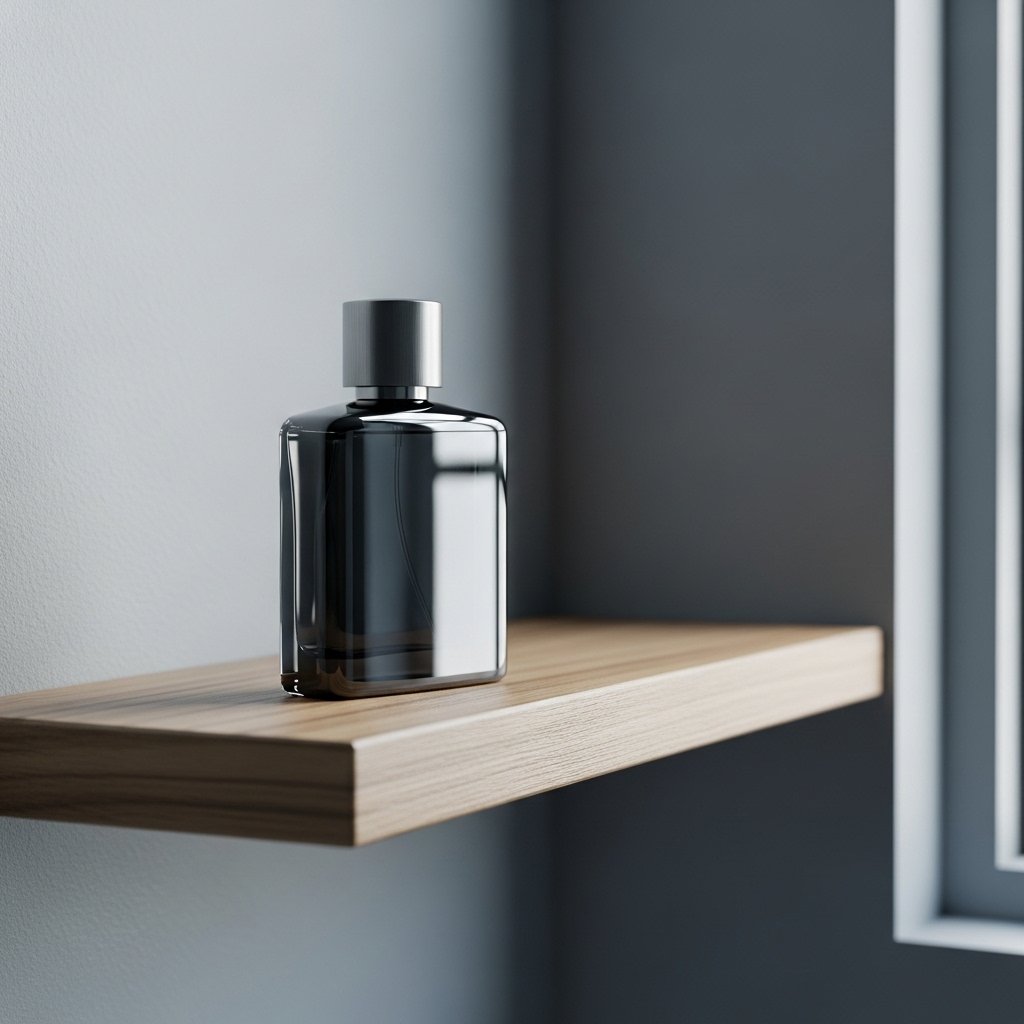
Storing of fragrances is a significant factor in preserving the fragrance strength and stability. Storing perfume in a place that is free of heat, light and humidity will help to avoid decomposition of the formula and make every application smell as good as it was designed to be.
Adjusting Perfume for Weather

The weather affects the behavior of perfume, heat enhances diffusion, and cold air slows it down. Climatic modification of the application would preserve the appropriate intensity so that the fragrance does not fade away too soon and does not smell too intense.
About the Author