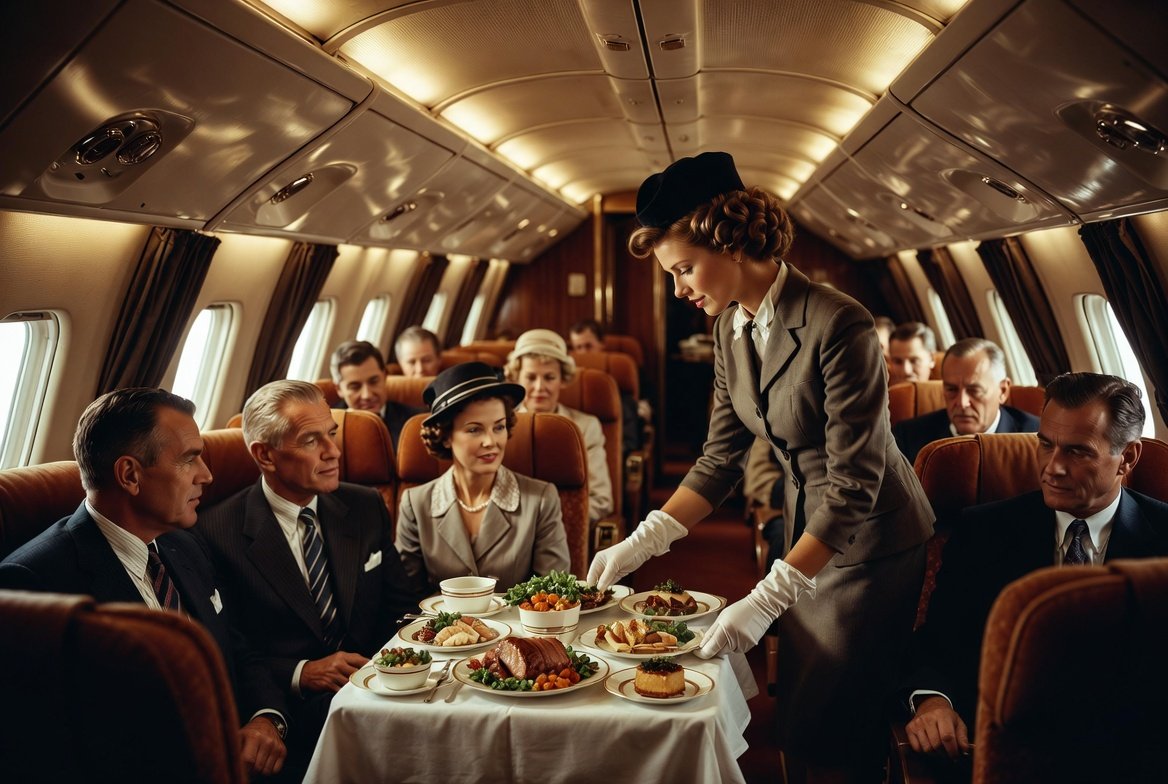
The 1950s, 60s and the early 70s Gold rush of air travel implied lavish in-flight meals on the majority of flights. With the regulated prices of the tickets, airlines competed based on the comfort, service, and gourmet meals instead of lowest prices. United Airlines even made a cookbook in 1954, titled Favorite Recipes of Mainliner Chefs, of foods cooked in their on-board kitchens and served on board. To revisit what passengers used to eat back in the day, Max Miller recreated three recipes in Tasting History to taste the book. The following are 10 significant facts in the history, the recipes, and the reason why airline food became so different.
Controlled Fares Pushed Innovative Competition.
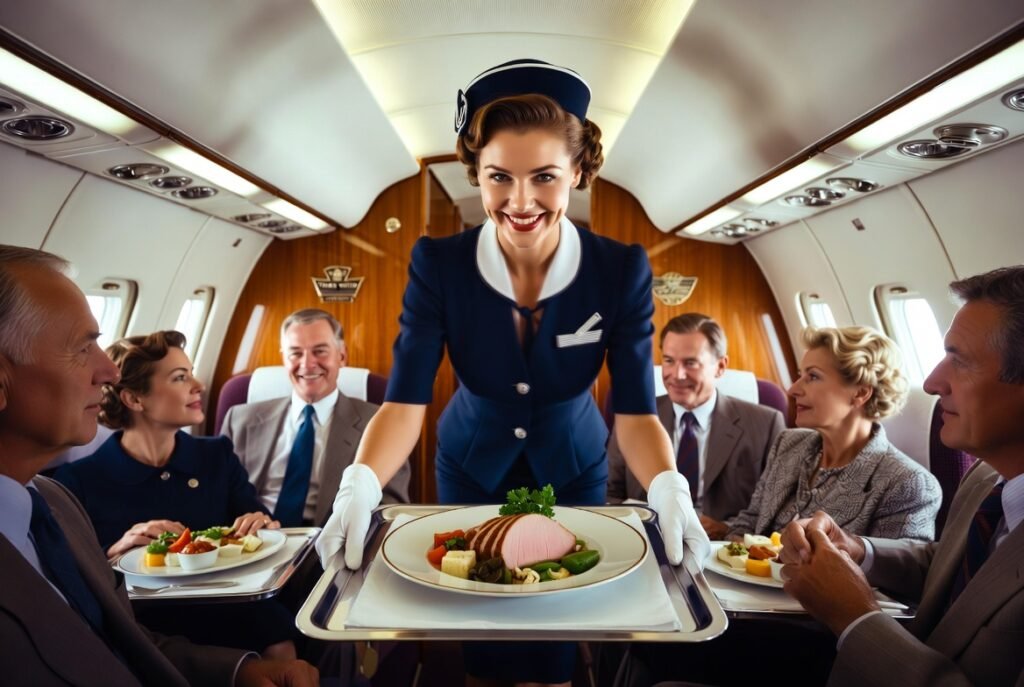
The airlines were not able to reduce prices because of the government regulations, hence they concentrated on making the flights unique in terms of food quality and quality services.
The Secret of Quality attended Flight Kitchens.
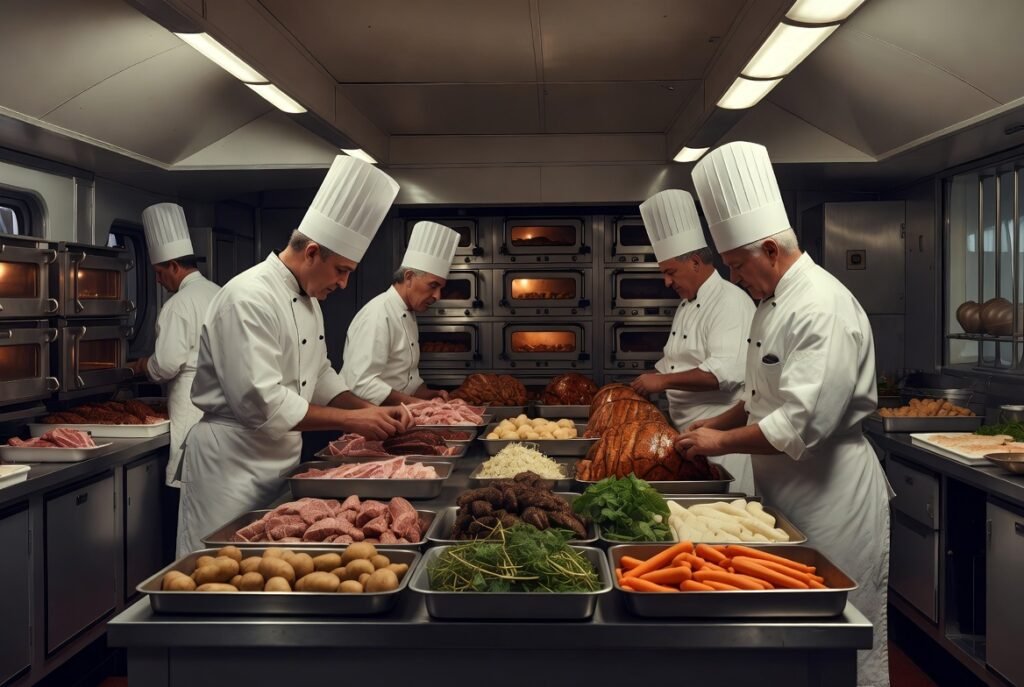
In 1936, United inaugurated its first flight kitchen in Oakland where they employed the best chefs to come up with a menu that could be cooked on land and served hot in the air- much better than warm in plane galleys.
Dining was an Authentic Multi-Course Experience.
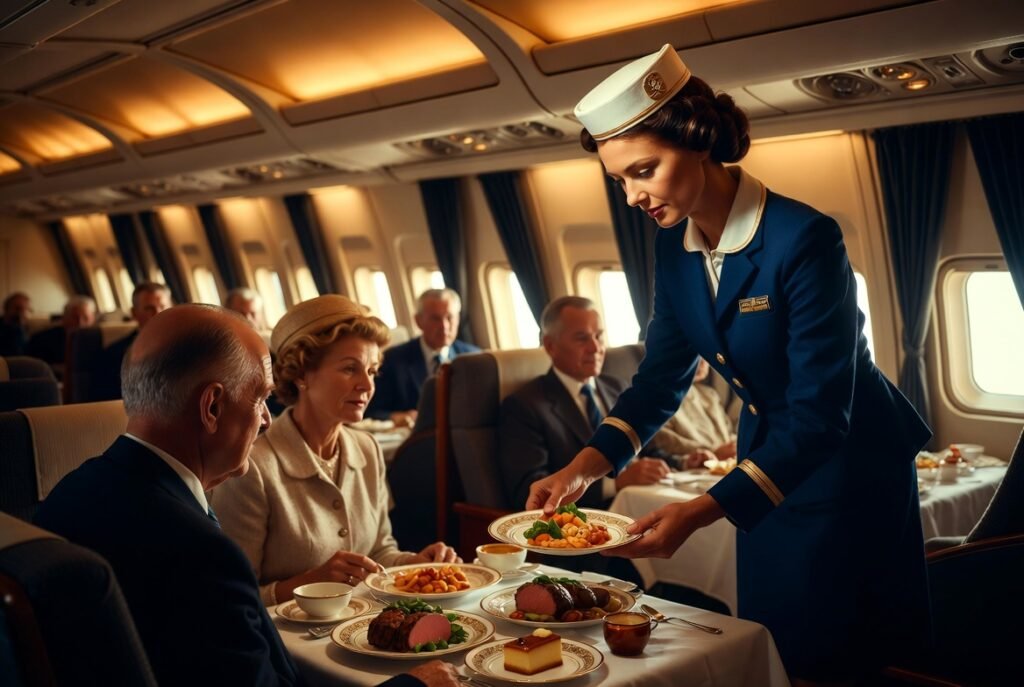
Meals were pot roast and vegetables, fancy salads, veal mignon, Boston cream pie, and even whole theme meals (Irish stew on St. Patrick day or lobster on European flights).
The Pot Roast Recipe
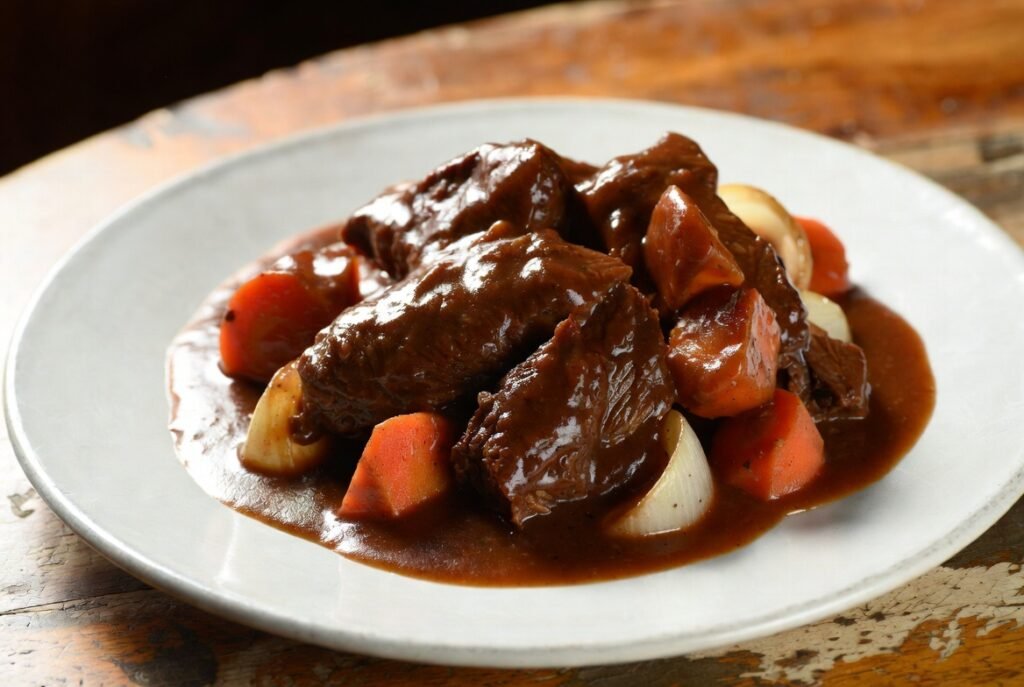
An ancient beef chuck roast that has been seared in the presence of marrow bone, simmered, two hours with onions, carrots, celery, tomato paste, red wine, stock, bay leaves, cloves, peppercorns, and garlic, tender and fat and falling apart.
Potatoes (Chef Mark Grugier, Honolulu Kitchen)
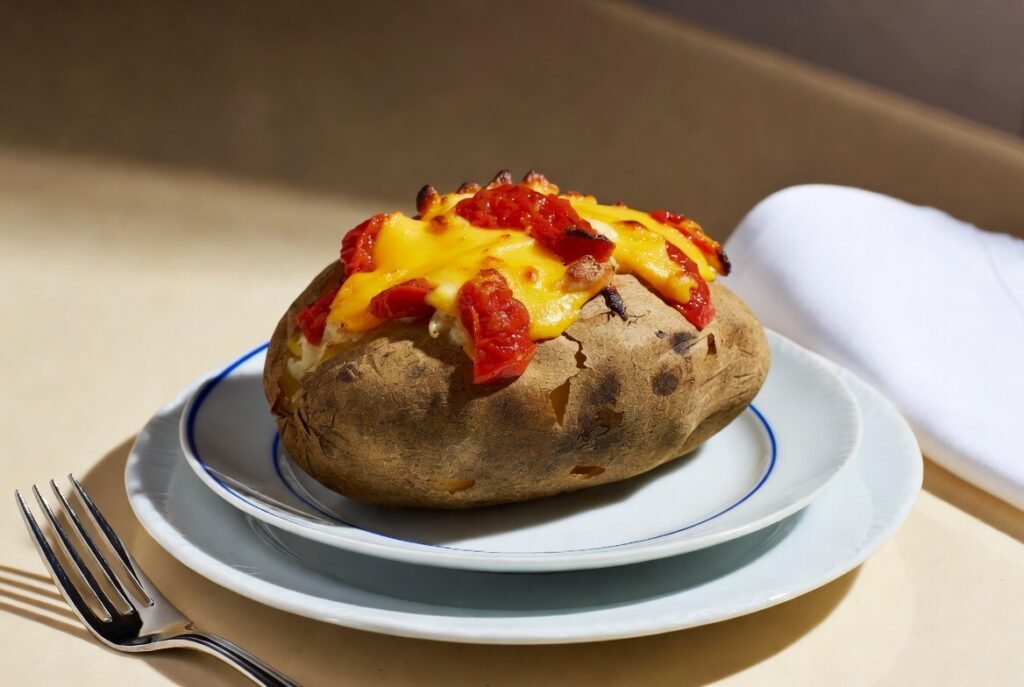
The baked, peeled, and chopped potatoes with pimentos, cooked in the half-and-half until soft, and topped with Parmesan and browned–rich, cozy, and very fifties.
Heavenly Delight “Salad” (Chef Edward Gerber, Washington DC Flight kitchen)
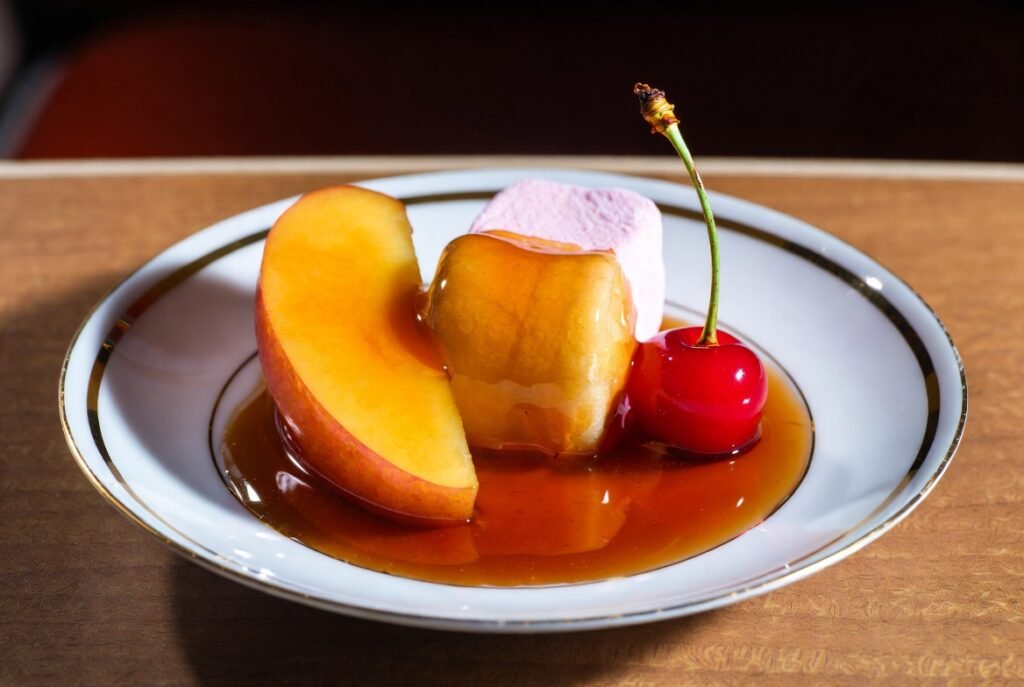
In reality, a sweet pastry: sour apples, mini marshmallows, maraschino cherries, whipped cream, lemon juice, mayonnaise and honey- light, airy and like ambrosia.
There Are Trials of In-Flight Tastes
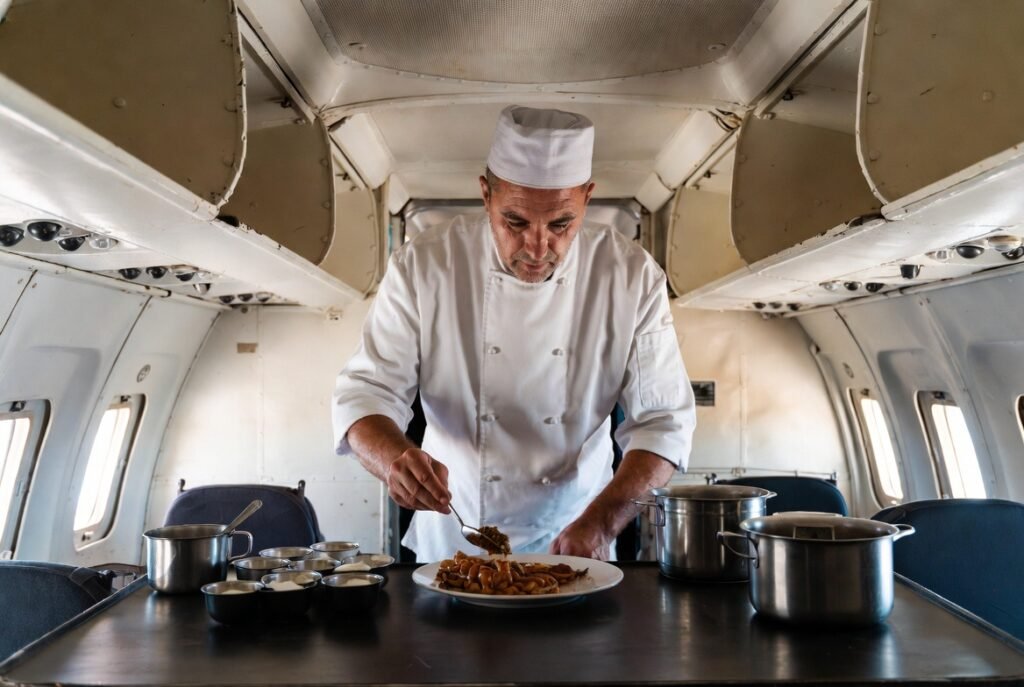
Low humidity and cabin pressure obstruct the senses of taste and smell, thus airlines put additional salt and sugar in recipes so that food would become flavored at high altitude.
The Luxury experience was centred on Stewardesses
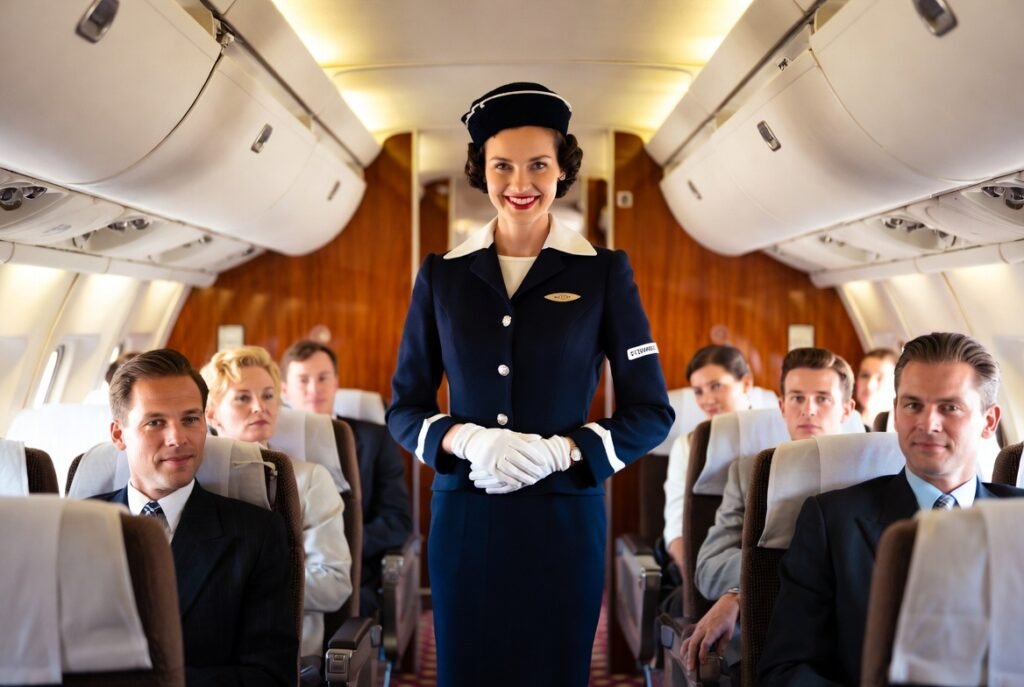
The flight attendants had been thoroughly trained in service, first aid, make-up, and gourmet presentation to become a big selling point – advertisements even joking about finding a husband on board.
Theme Flights Made the Flights even more fun
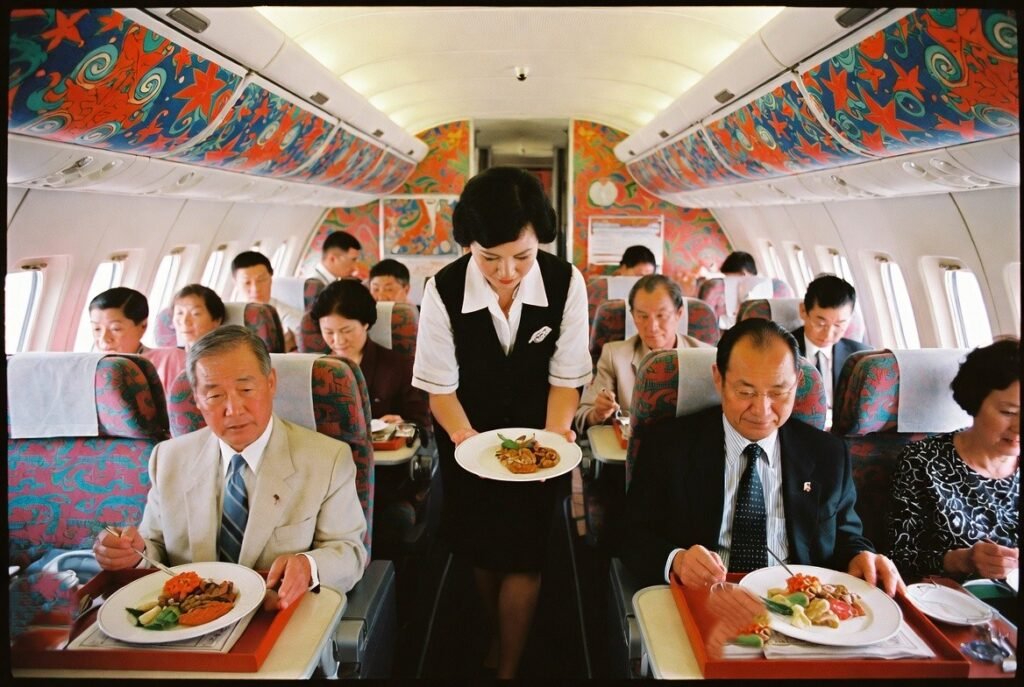
TWA also had flights with a Taiwanese accent (Foreign Accent), Northwest airlines had the Fujiyama Room featuring the tiki-Asian atmosphere, and Western airlines had flights (Hunt Breakfast) with sounds of a bugle and well-cooked dishes.
The Golden Age was abolished with deregulation
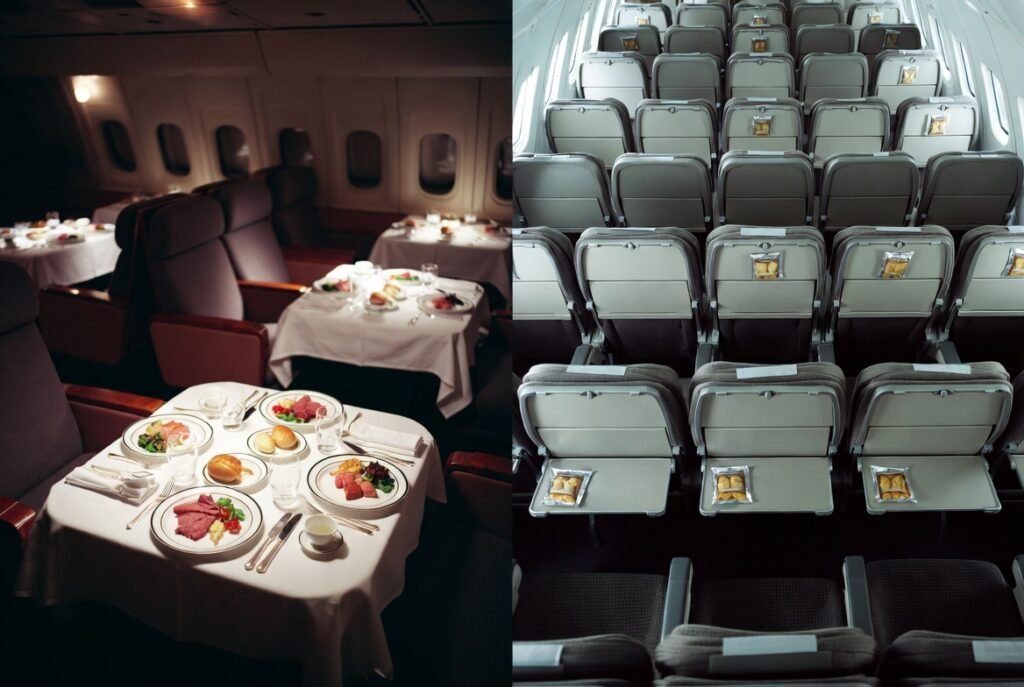
The Airline Deregulation Act of 1978 permitted price wars that resulted in lower fare prices, an increase in seats, less legroom, plastic trays and the abolition of fancy meals in economy-replacing with peanuts, pretzels or nothing whatsoever.
The Modern First-Class is a Reflection of the Past
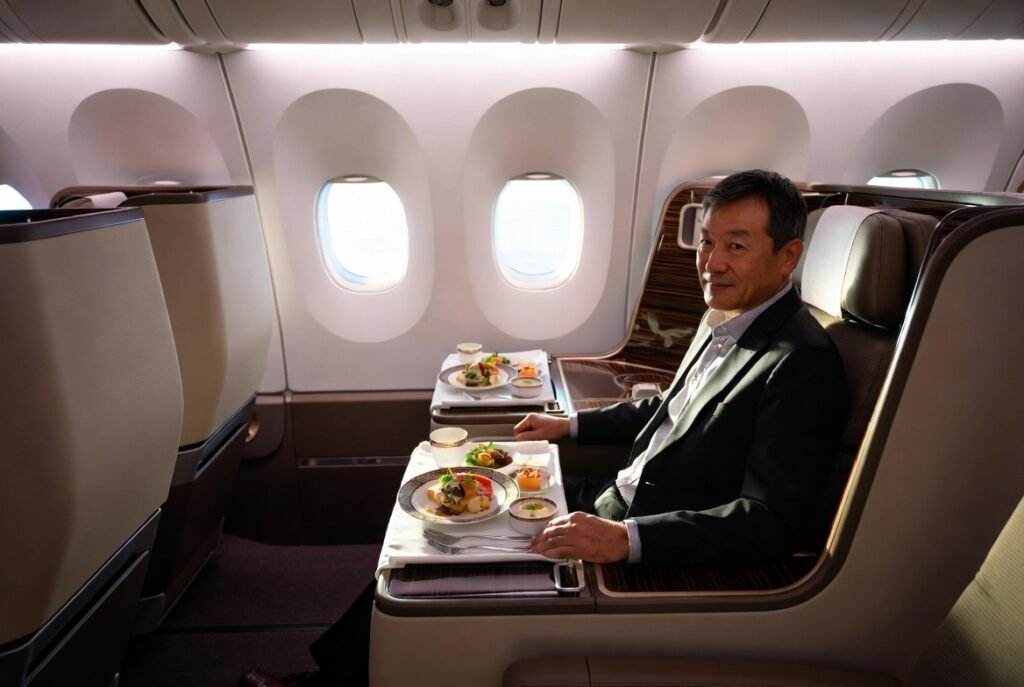
Although coach has made it much easier, there are still occasions in the long-haul flight in premium cabins that have chef-designed menus, china, and multiple courses- keeping a little bit of the Golden Age alive.
About the Author