In the US, where almost three out of every four adults are considered overweight or living with obesity as per the national health surveys, there is always a discussion on weight loss that is regularly perplexing. The year 2026 has seen the social media trends, wearable fitness technology, and the changing medical instructions change the way Americans perceive fitness. But still, myths are more widespread than science. Sustainable weight loss is not quick or extreme; it is knowing what evidence-based practices and habits, well-balanced eating, exercise, rest, and not extremity can contribute to the long-term success of health and not just short-term outcomes.
Quick Fixes

In spite of the endless commercials that provide immediate changes, the investigations continuously demonstrate that the severe long-term diets may result in the regain of the weight in 1 year. Enduring fat burning can usually take place at a consistent speed of one to two pounds weekly with the assistance of routine nutrition and exercise.
Cardio Myth

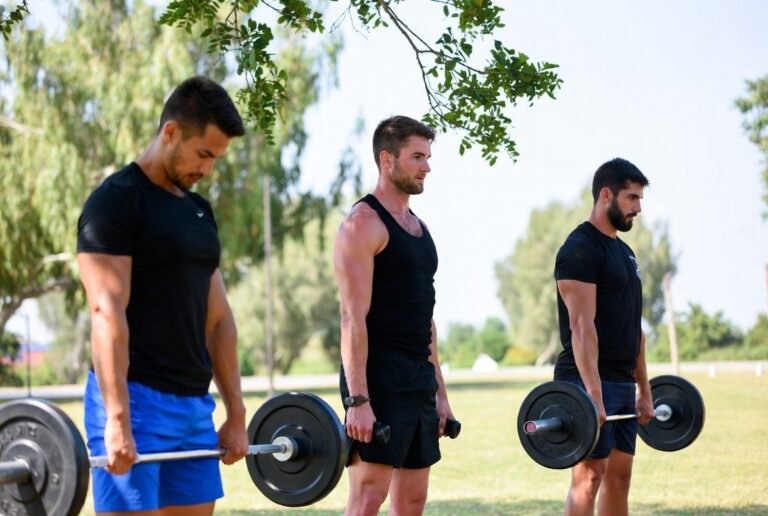
Whereas cardio helps in burning calories as you exercise, strength training is important in maintaining lean muscle mass in weight loss. That metabolic operation is backed by muscle tissue; that is, resistance training two to three times a week would be more effective at enhancing body composition than cardio training only.
Spot Reduction

Research science proves that it is not physiologically possible to target fat loss bases in particular areas of the body by using isolated exercises. Fat is catabolic, meaning that it depends on the general calorie balance, genetics, hormone levels, and rigor in training, as well as nutrition and training habits.
Starvation Mode

The notion that fat just starts to be lost when one eats less is always misconceived. Drastic calorie deficits can eventually decelerate metabolism, yet intermediate, well-balanced deficits done according to optimal protein diets and resistance training still work in the majority of healthy adults.
Supplements

The U.S. supplement industry has brought about billions of dollars in business every year, though not all weight-loss pills have an excellent clinical basis. Although individual ingredients can help to some extent, no supplement will replace a regular diet, physical activity, sleep, and the management of stress.
Steps Matter

Studies indicate that daily exercises (not necessarily the formal workouts) have a major effect on calorie burning. The 7- to 10-10,000 daily steps are a valuable source of additional body energy and cardiovascular activity that can now be effortlessly monitored with the help of wearable computers.
Sleep Impact

The results of long-term research on adults report a higher weight gain in adults who get less than seven hours of sleep. Lack of sleep interferes with the hunger hormones, causing cravings and decreasing performance in any exercise program, and this makes proper rest an important aspect of an active weight loss program.
Stress Role

Prolonged stress increases the level of cortisol that can affect appetite and fat deposition patterns. The addition of recovery methods such as mobility, breathing education, and the use of a day off to relax assists in creating balance between hormones and stability on a daily and long-term basis in training programs.
Consistency Wins

Statistics have always determined that those who embrace moderate, stable habits sustain weight loss more effectively than those on extreme diets. Realistic goal-setting, incremental training, and balanced meals are better in comparison with dramatic, short-term interventions.
Medical Advances

Within the past years, there have been some tools added to the repertoire of some people through the use of physician-guided treatments and metabolic medications. Nevertheless, medical practitioners point out that medical prescriptions are most effective in tandem with lifestyle modifications of sustainable lifestyles instead of as an absolute replacement.
About the Author