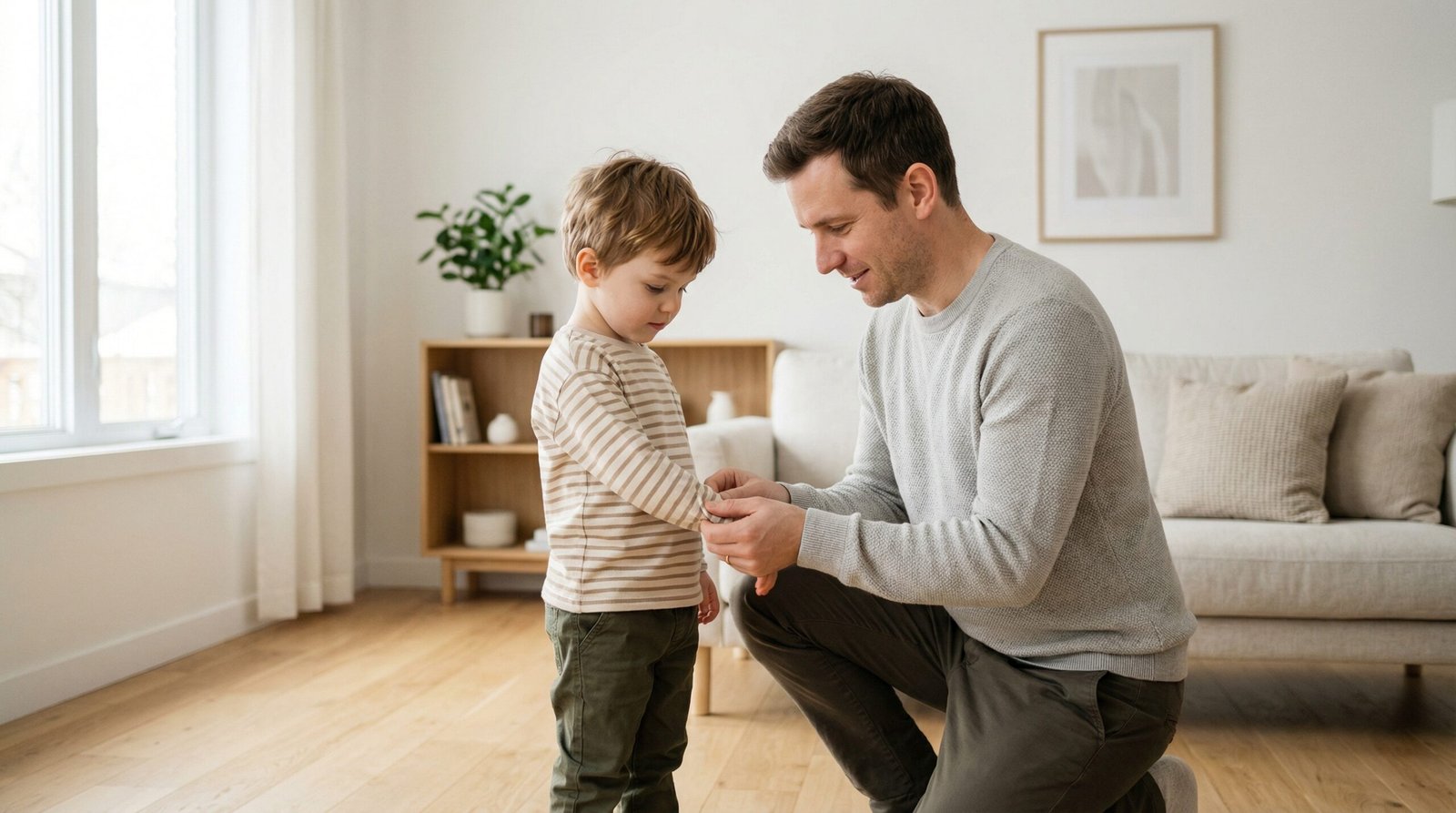
The conduct of adults whom children admire most acts as a mirror which reflects their emotional state and behavioral patterns and their acquired routines. The major lessons we wish to teach through our educational programs fail to create a deep impact because minor daily experiences act as the most powerful learning tool. Children begin to observe our actions before they understand our spoken language and construct their reality based on our behavior during unobserved moments.
How You Treat Service Staff

Children observe your behavior when you engage with waitstaff and cashiers and delivery personnel. The children who see you behave with patience while using “please” and “thank you” learn to treat all people with respect. The children who see you treat others with disrespect during mistakes learn that you treat people based on their social status.
Your Relationship with Technology
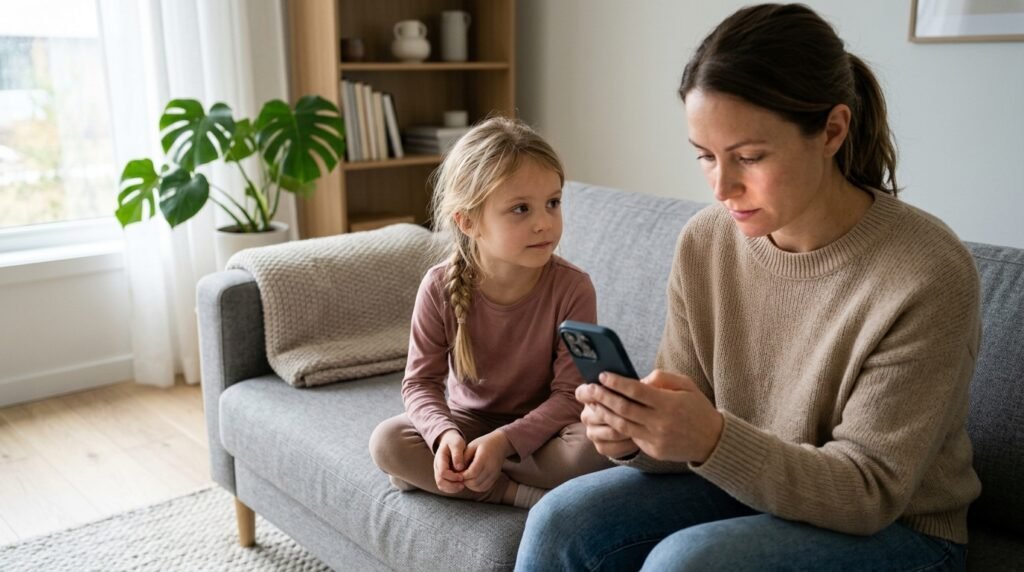
Your children observe your phone usage throughout your conversations with them. The children see your screen as a competing force for your love because you use it to check emails even when you say you are just doing that.
The Way You Talk About Yourself

Your children hear you complain about your physical appearance and your mistakes which you see in the mirror. Children see your insecurities and they develop the same inner critic because they think it is normal to treat oneself with extreme harshness.
How You Handle Stress and Anger
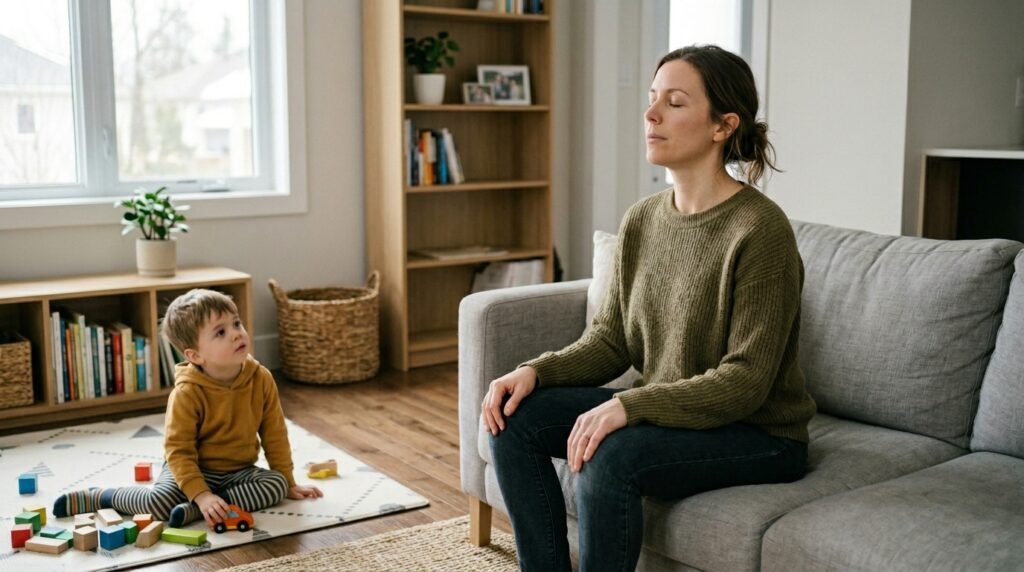
Your children will study your emotional control methods which include taking deep breaths and door slamming. Your children will follow your reset buttons because they want to show how they will react to problems which they will experience at school or with friends.
Your Spending Habits
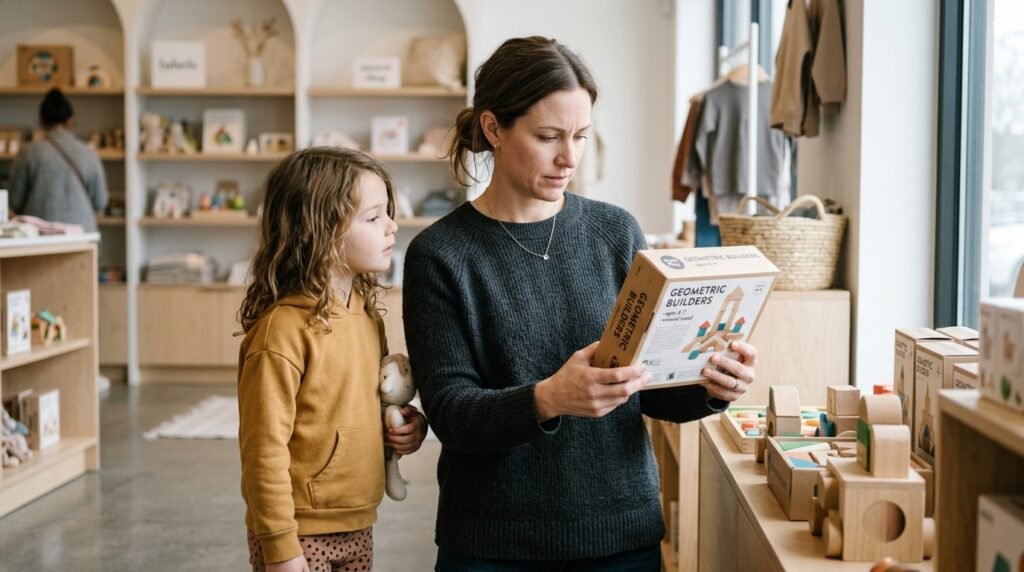
Children observe your shopping behavior when you buy items without planning or when you make planned purchases. The children who see you buy unnecessary items while you express financial difficulties will face challenges to distinguish between essential items and nonessential items throughout their development.
How You Listen to Others

Do you listen to people in a conversation or do you wait until they finish speaking? and children detect your tendency to interrupt people or your ability to pay full attention to them. Their social skills development depends on your behavior because they will follow your example.
The Consistency of Your Rules
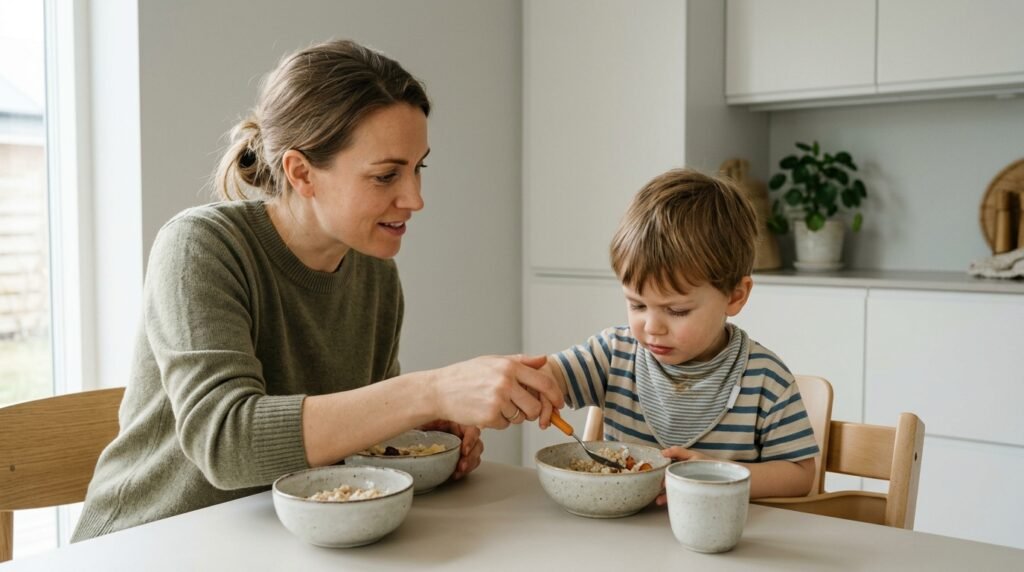
Kids can easily identify rule violations. The children who see you eat junk food and tell them to eat their vegetables will learn that you bend the rules according to your current needs instead of following your established principles.
How You Show Affection

The small gestures which they observe include a hand on a shoulder and a kind word to a partner or friend. The children learn about healthy relationships through these quiet displays of warmth which they observe because these moments define the standard for their future friendships and romances.
Your Reaction to Failure
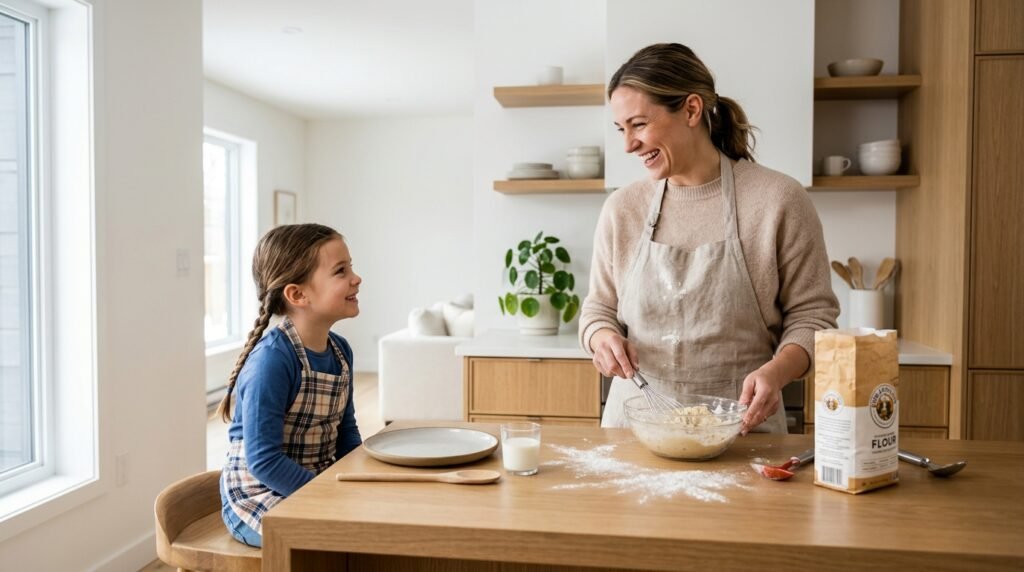
The child watches you recover from your mistakes when you handle a burnt dinner or a driving error. The child learns from your behavior because you smile after making a mistake which shows “grit” to them because you keep trying until you succeed again.
What Makes You Truly Happy
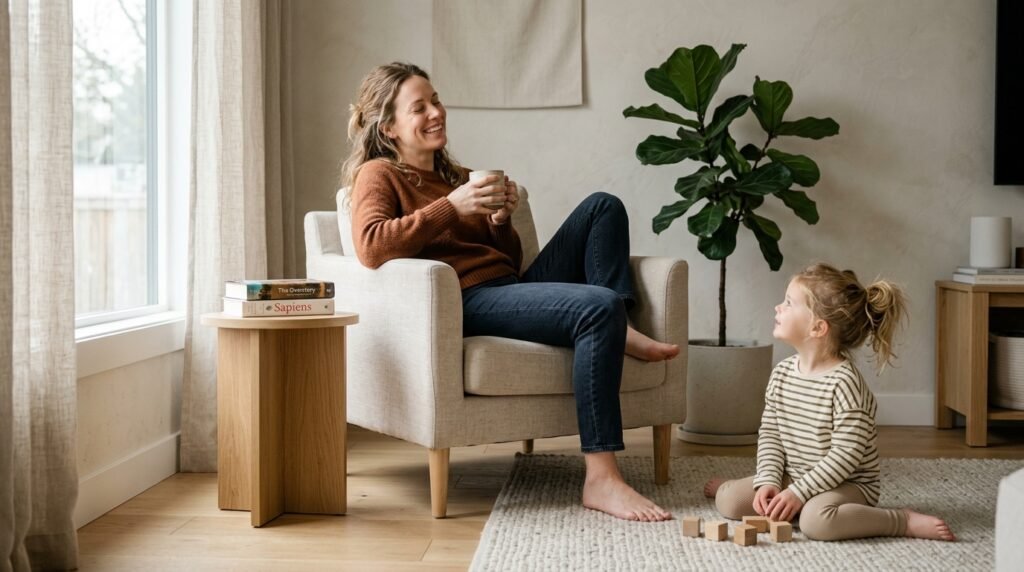
Children understand what brings you real happiness. The children observe your energy change from “busy mode” to “happy mode” during your time spent on hobbies or nature walks or drinking coffee which teaches them that people must practice self-care to lead a healthy life.
About the Author


