The fashion influence on men has slowly metamorphosed into a multi-billion-dollar business with substance stemming from posting photos of outfits. Guys with smartphones, strong personal style, and savvy thinking who constitute the American male are creating businesses that are legitimate and pose a threat to the traditional media houses in terms of reach and income. However, there is a surprisingly advanced commercial activity behind any well-laid-out Instagram grid. This is an open account of how they actually conduct the men’s fashion influencer business in America today.
Revenue Streams

Male fashion influencers earn through brand partnerships, affiliate payments, YouTube AdSense, and consultation fees. Influencer Marketing Hub reports that middle-tier American fashion influencers with 100,000 followers earn between $50,000 and $150,000 annually from diverse income streams.
Brand Deals
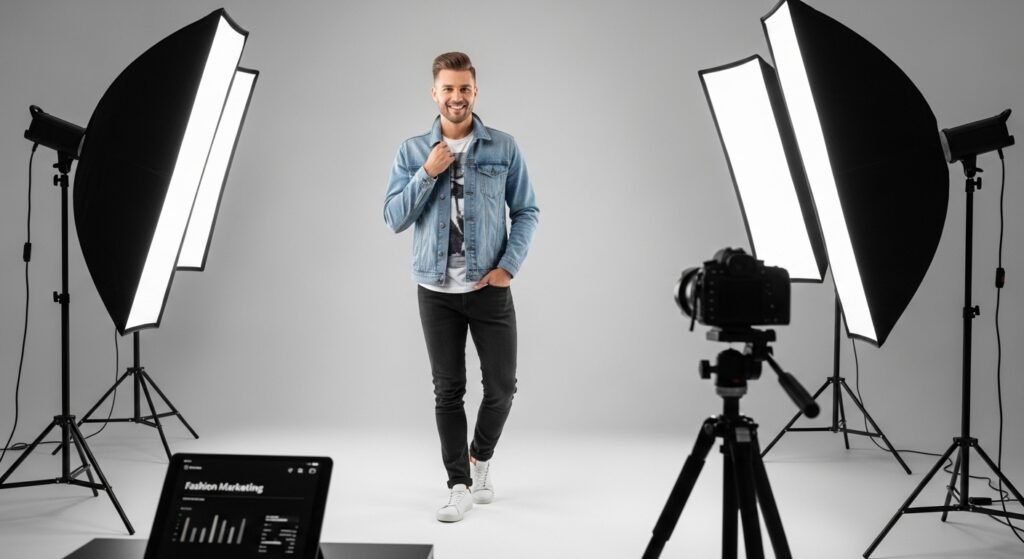
The most popular revenue among men fashion influencers is sponsored content, which contributes to the most popular sources of income. American brands pay $500 to $50,000 per sponsored post based on audience size and engagement. The contracts define deliverables, exclusive periods, and disclosure of the FTC that professional influencers maneuver with a lawyer.
Affiliate Marketing
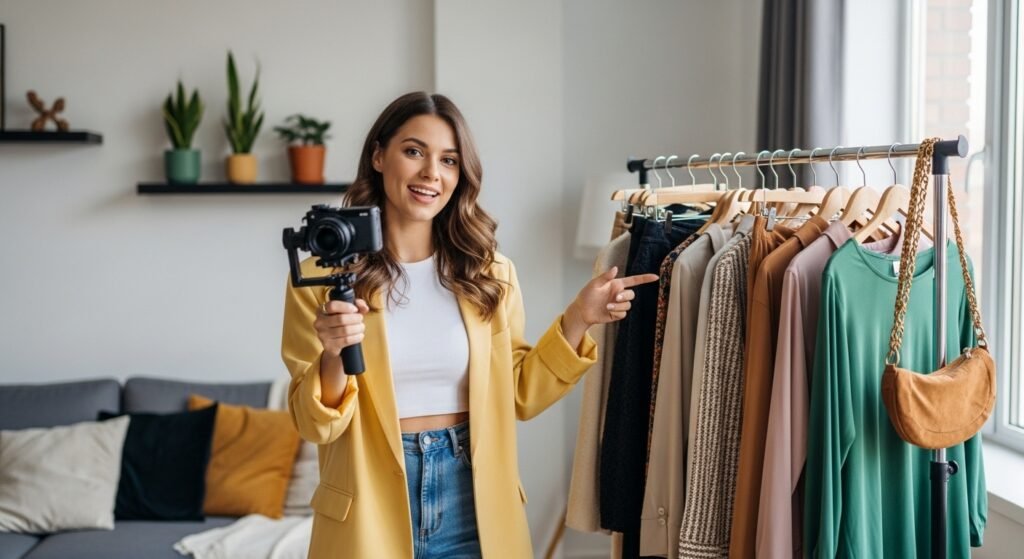
Affiliate marketing generates passive income that can grow over time. Amazon associates, reward-style, and ShopMy programs offer commissions of 3 to 20 percent on tracked purchases. Top American men’s wear influencers earn $5,000 to $30,000 monthly from commissions on wardrobe suggestions.
Content Investment
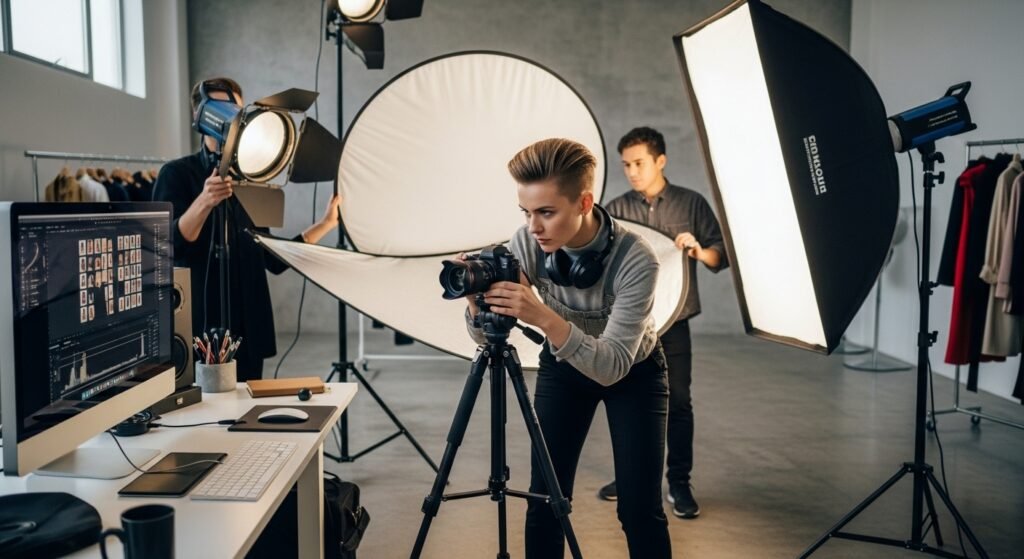
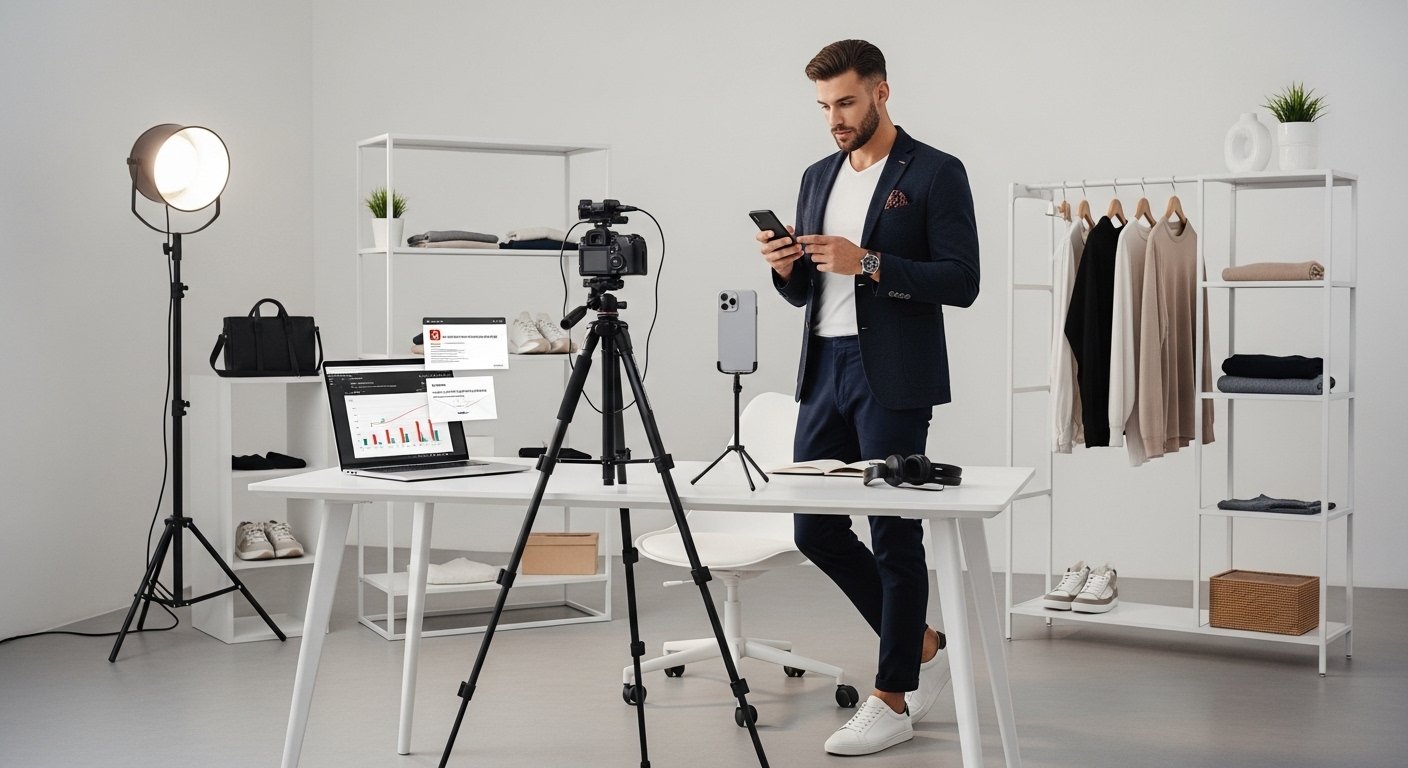
Fashion content in relation to professional men shows difficult investments that only a few followers can witness at the beginning. Entry expenses, camera, professional lighting, location, and editing software cost on average 2-5000 dollars a month for serious American creators. The quality of the content and the high rates of a premium that influencers can actually charge directly depend on this production investment.
Audience Building

Followers are no longer the main metric for influencer value. Brands now prioritize engagement rates, demographics, and purchasing power over raw numbers. American micro-influencers with 25,000 engaged followers typically charge more for brand deals than larger accounts with low engagement.
Platform Strategy
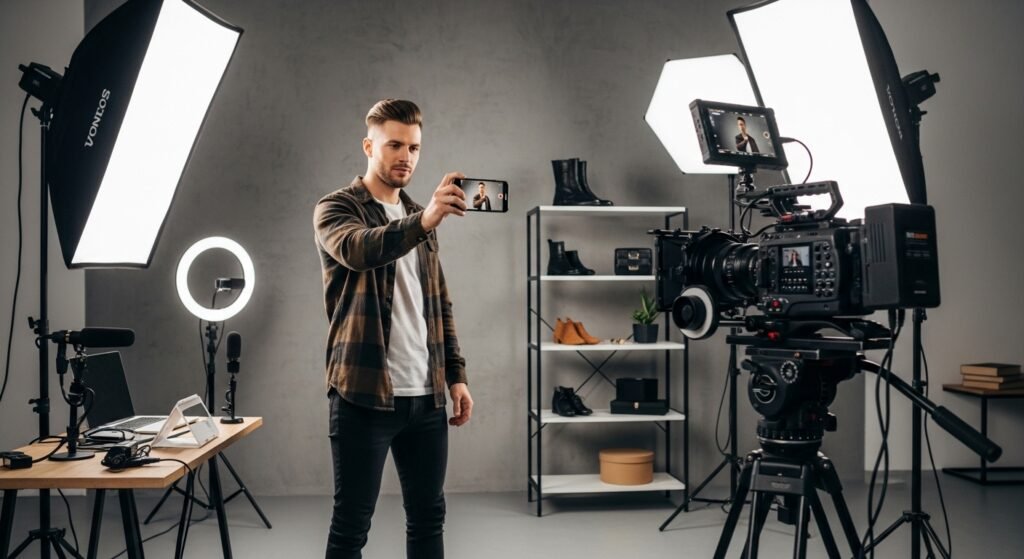
The fashion influencers of successful American men do not solely develop their influence on a single platform. Instagram follows the brand discovery, YouTube is used to generate advertising revenue, TikTok is used to deliver audiences at a faster rate, and email newsletters allow direct ownership of the audience that cannot be disturbed,d and that cannot be eliminated overnight by changes in algorithms used.
Legal Framework

Professional influencers navigate complex laws often overlooked by followers. FTC disclosure rules mandate clear labeling of sponsored content, with legal repercussions for non-compliance. The agreement on standard brand contracts contains exclusivity agreements, content approval privileges, and the payment schedule that needs an expert entertainment lawyer to negotiate inclusively.
Agency Representation

American men who create the most revenue in fashion as influencers in fashion have committed talent management agencies that negotiate brand partnerships and build long-term business plans. Whalar and Viral Nation are commission-driven agencies, typically earning 15 to 20 percent, but negotiate higher partnership rates than self-represented creators.
Personal Branding
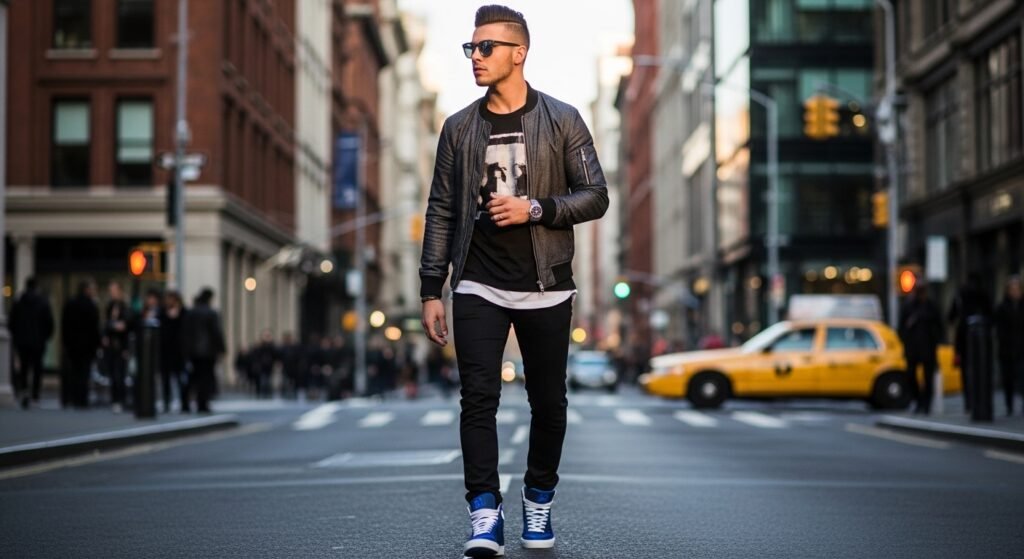
The most commercially successful influencers develop recognizable personal brands that go beyond clothes into value systems and aesthetics of lifestyle that buyers can recognize. This unique niche provides high-quality partnering possibilities, dedicated audiences to purchase, and sustainability in business in the long run that generic content creators in the fashion industry are unable to establish and maintain regularly.
Future Opportunities

Fashion influencer culture amongst men is actively changing in favor of creator-owned product lines and closed communities of subscriptions. Research by Business of Fashion confirms that American men’s fashion content consumption grew by 34 percent in 2023. Long-term commercial opportunities will arise from influencers becoming brand founders rather than just content creators.
About the Author