
Most see style as extra, yet clothes quietly influence reactions in workplaces, among people, even during routine moments. In urban areas, buildings, shared rooms, and common grounds, a pattern shows up again – not due to poor judgment in dressing well, but simply missing key details. Quality in attire hinges less on current fashions or funds, more so on noticing proportions, matching pieces, acting with purpose – things simpler to grasp than assumed.
Ignoring Proper Fit

Wearing clothes that drape loosely or cling too closely tends to ruin high-end items right away. Lines that sit right on the body bring order, giving shape and strength to how things appear. When garments hold their place properly, everything feels sharper, smoother, awake.
Failing to notice proper footwear standards

Most folks ignore shoes, but they grab attention fast – before anyone sees the rest. A tired pair or one mismatched with everything else? It ruins a crisp look before you even notice.
Following fads blind to their meaning

Some guys jump on current styles, even if it doesn’t fit them or how they live. Looking good means tweaking trends – not wearing them like masks. Thinking first helps avoid outfits that fall flat fast.
Wearing Clothes That Do Not Match the Occasion

Wearing clothes blindly to setting often leads to messy looks, sometimes even seen as off-putting at work or serious events. Knowing if casual fits or if sleek suits matter more lies at the heart of solid fashion choices.
Neglecting Color Balance

Bright hues clashing pull eyes in awkward directions instead of guiding them where they should go. When shades work together quietly, the whole piece breathes easier, clearer in its simplicity.
Forgetting About Grooming

A sharp dress does little if your hair is messy, beard uneven, or skin not cared for. How you show up – tidy, smooth, present – makes each garment mean more.
Overloading on Logos and Graphics

Too much branding can weigh on a look, especially when images pile up across fabric. A cleaner approach tends to hold up over time, carrying itself with quiet strength while skipping the need for loud signals.
Holding onto old parts
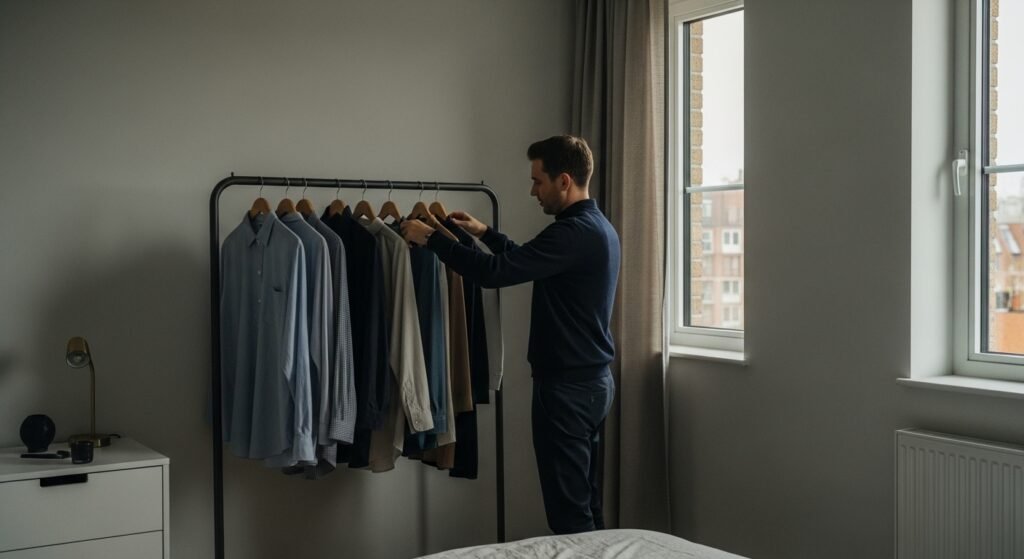
Outfits that don’t match today’s sizing tend to seem outdated. Swap just a couple essential pieces for fresh versions – the whole collection might feel new. Changing things little by little beats replacing everything at once.
Ignoring Fabric and Texture
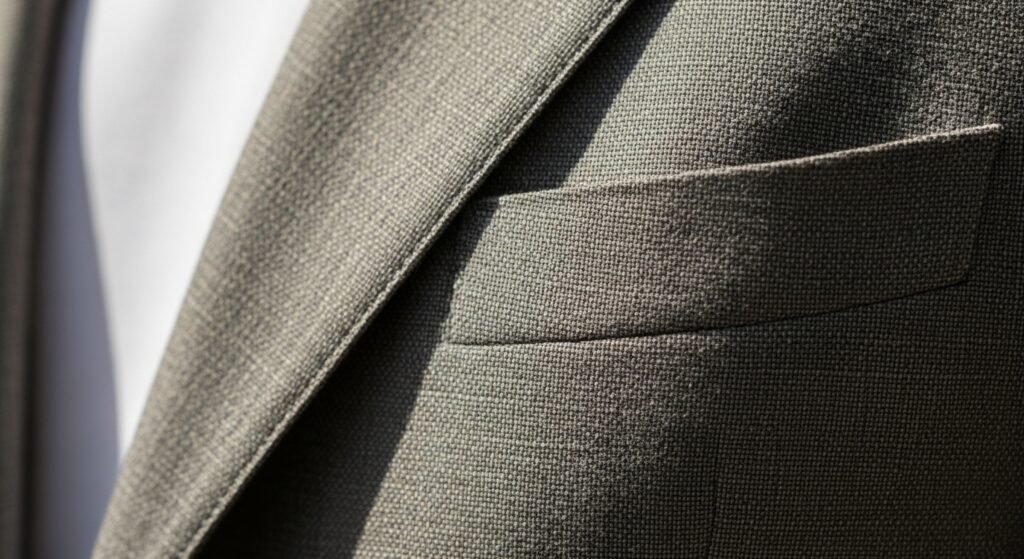
Poor choices in fabric often lead to wrinkles, early fading, or pieces that sink without support. Noticing how sturdy a fabric is makes wear more pleasant while keeping garments looking better through months.
Treating Style as Unimportant

Thinking look doesn’t count can go too far. How someone dresses often shapes their confidence, even if unseen. That small detail tends to steer first impressions without noise.
About the Author