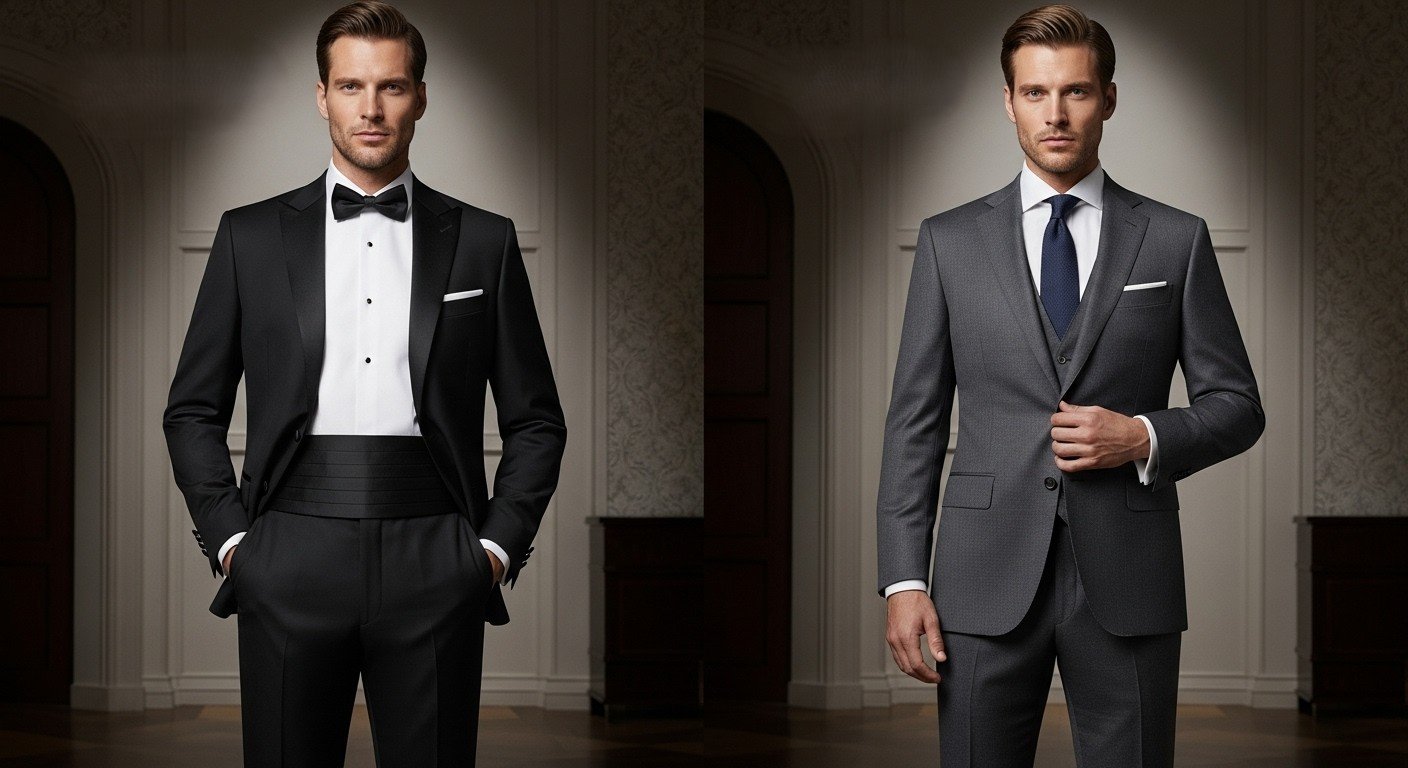
Tuxedo and in shape are two terms that most men interchange with every different, yet they’re no longer synonymous. They all have their purposes, have different messages, and are appropriate to varying levels of formalness. Even a costly garment might feel out of place when it is put on the wrong one. And the knowledge of differences gives you a dress that’s not by chance. Style does not mean having more clothes, but the right one at the right time.
Level of Formality
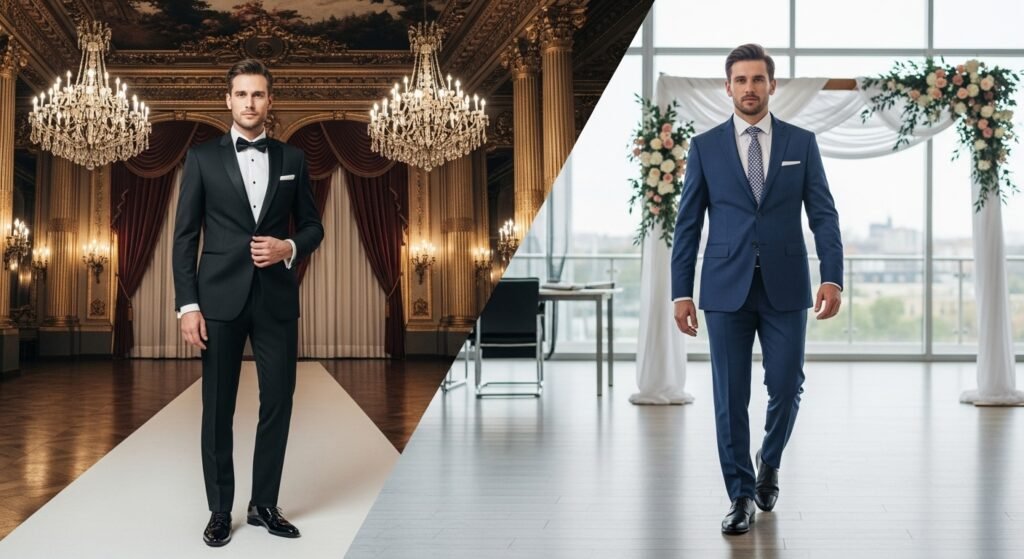
The most formal wear of a man is a tuxedo. It is intended to be worn to black-tie and super-formal occasions where one is supposed to be elegant. A suit, in turn, is applicable to a significantly broader definition of occasions. Suits are more adaptable in terms of business meetings as well as weddings.
Fabric and Finish
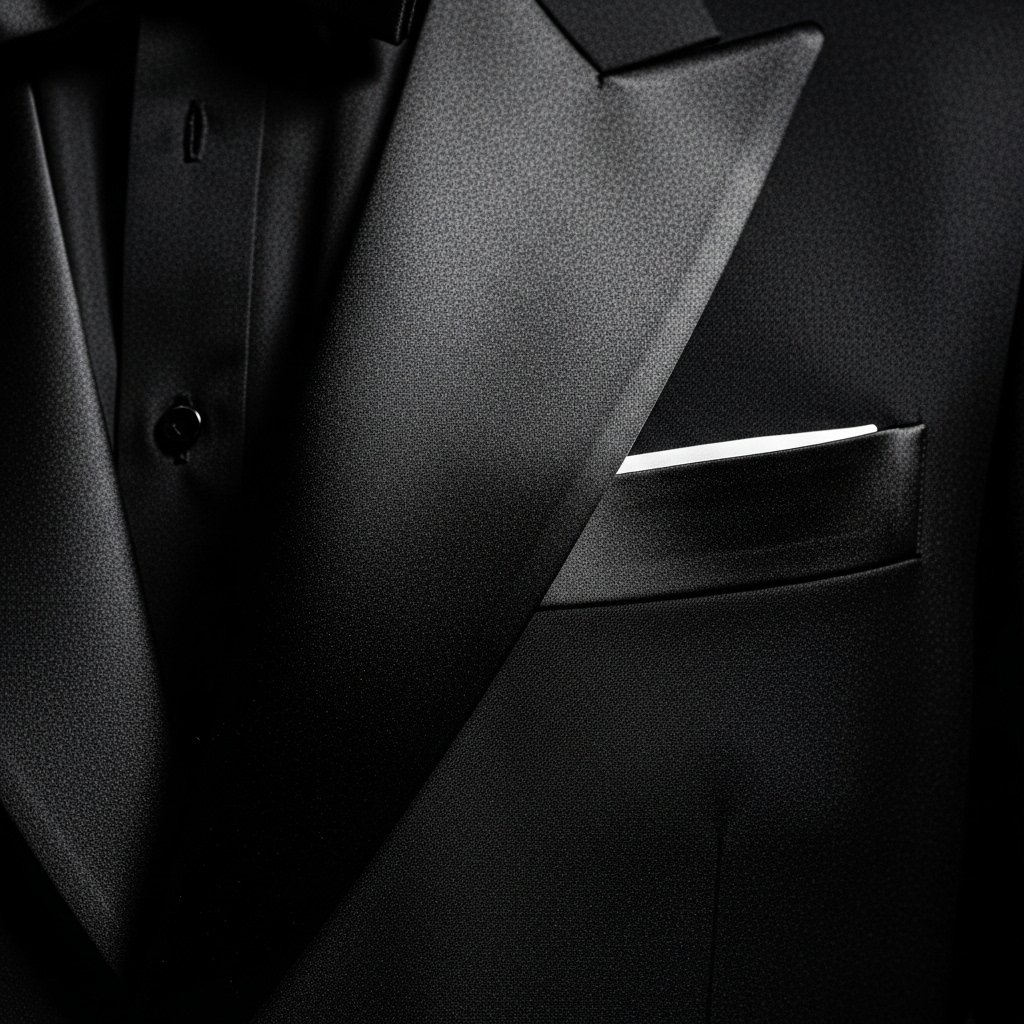
Tuxedos have satin or silk details, which instantly give the Tuxedos a boost. These smooth accents are artificial and ritualized. Suits do not shine and are based on clean and matte fabrics. This is what makes suits more multifunctional and non-attention-seeking.
Jacket Details
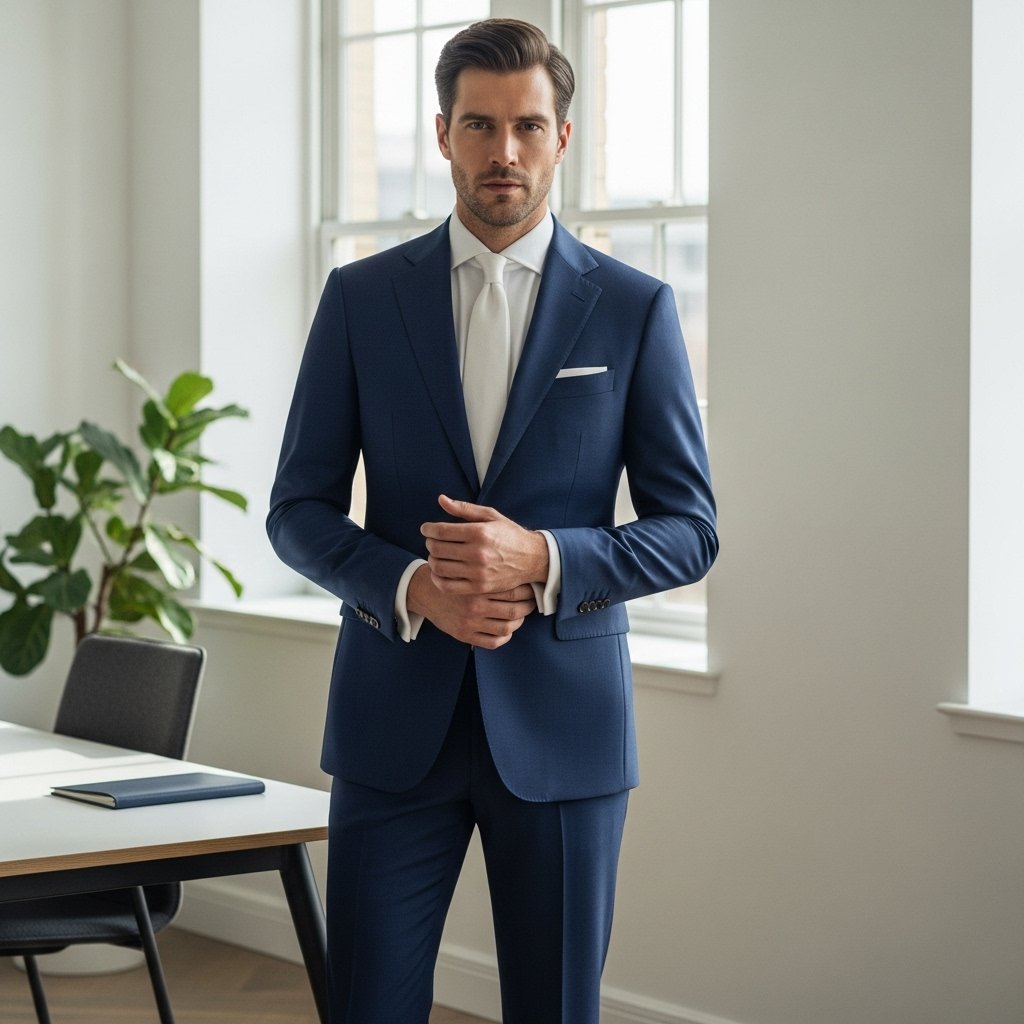
The jacket of the tuxedo is normally shawl or peaked with satin lapels. This is the only detail that makes it visually distinct of a suit at first glance. Lapel of suits is manufactured out of the same cloth as the jacket. The net effect is a less glitzy and more business-like appearance.
Shirt Pairing
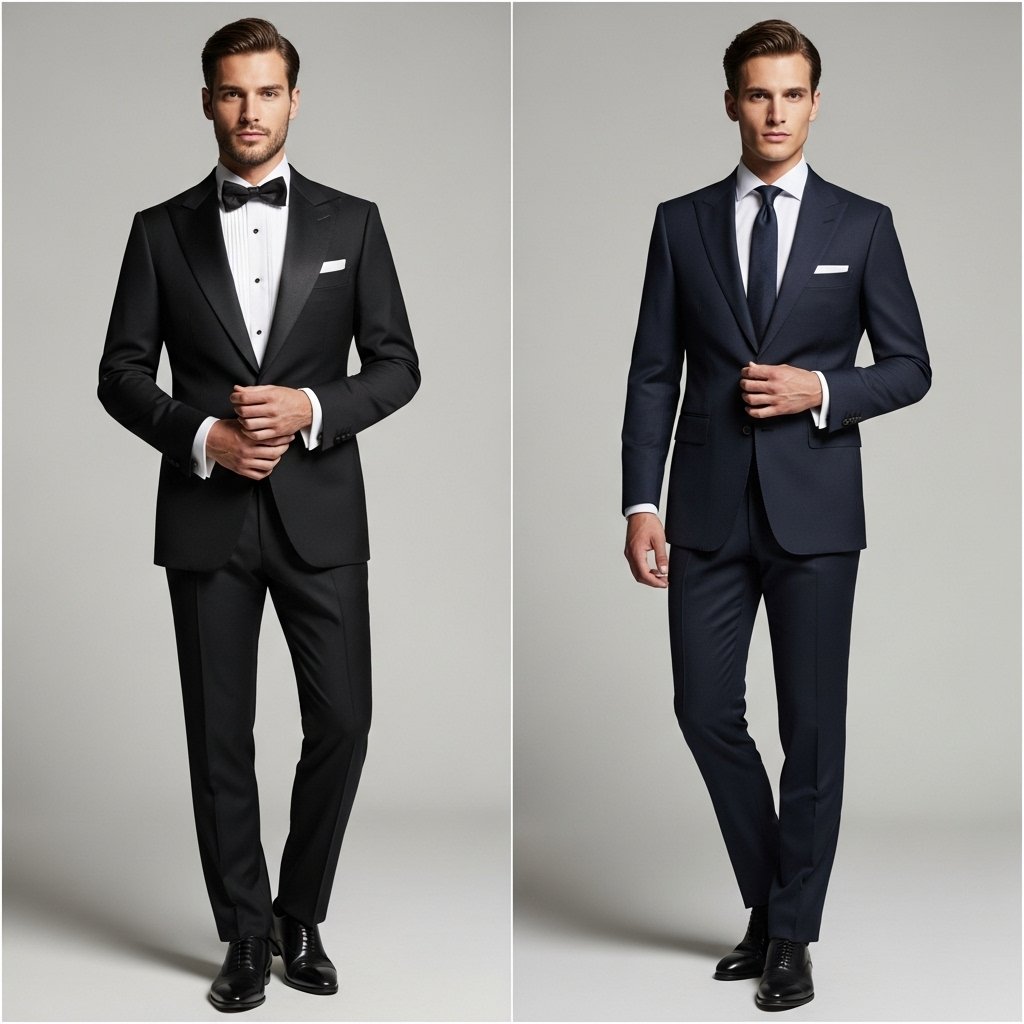
Tuxedos are always worn with formal shirts that have pleats or a bib front. These shirts are tailored into evening shirts. Suits are better paired with a standard dress shirt in a solid color or a light pattern. This is a more personal expression because of this flexibility.
Pant Construction
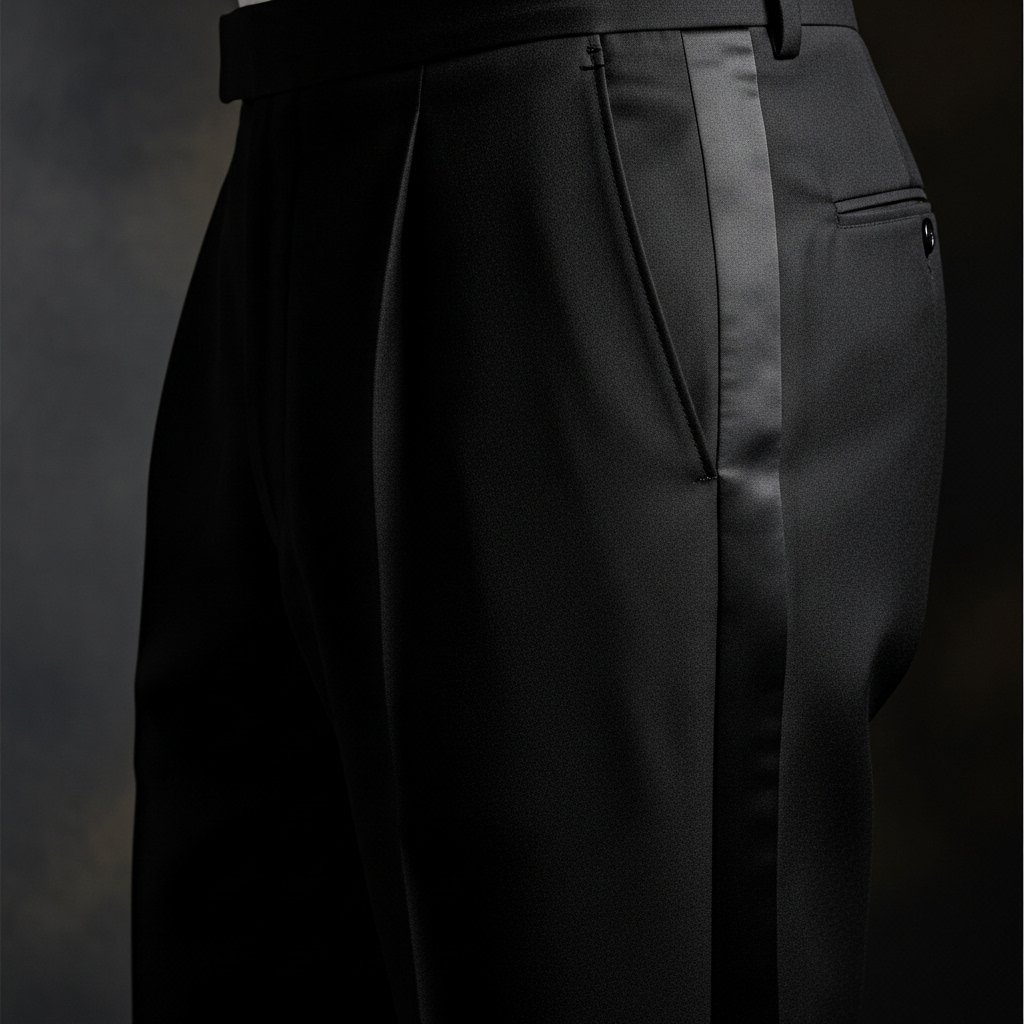
Tuxedo pants usually have a satin strip along the outer leg. This strip is in line with the satin at the jacket lapel. This detail is not present in the suit trousers. They are simple and minimalistic to maintain daily sophistication.
Accessories Matter
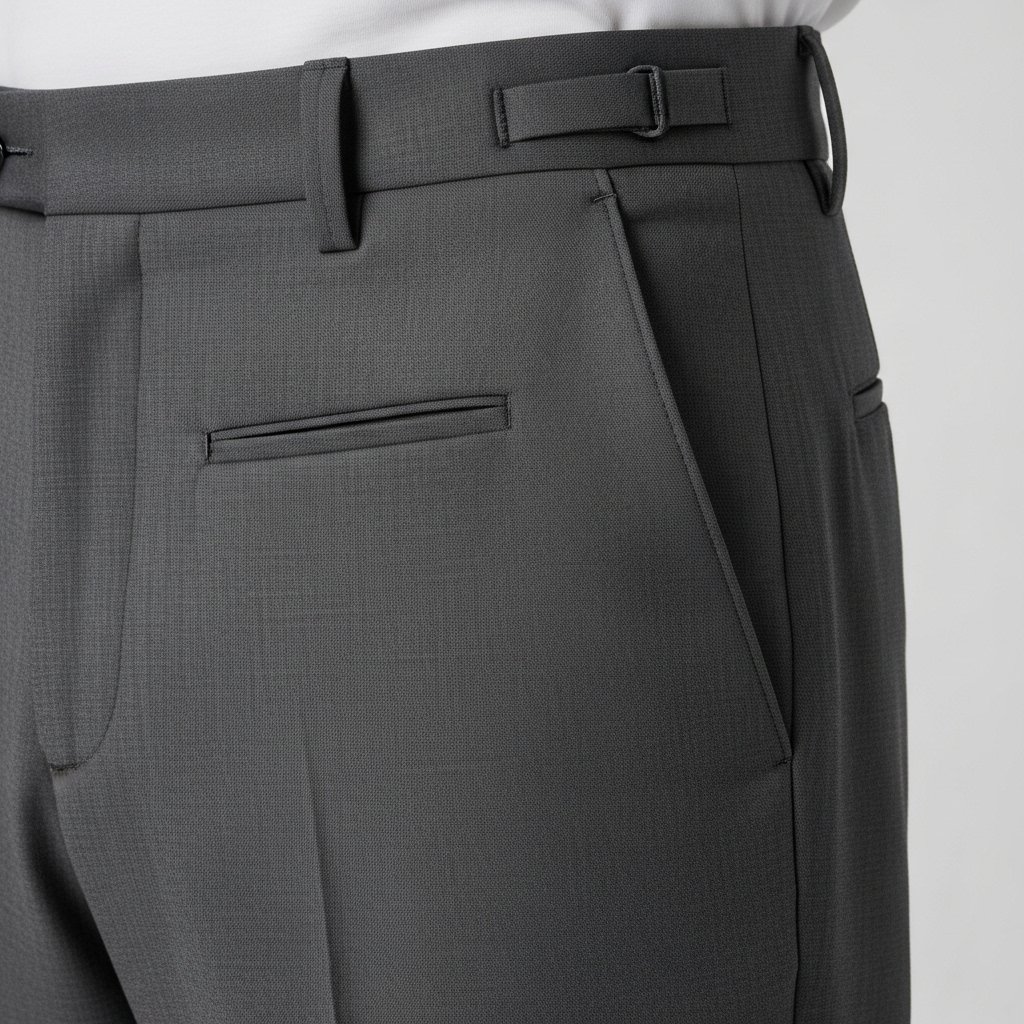
Some accessories come with a tuxedo, which comes with a bow tie, cummerbund, or waistcoat. These are what constitute the formal look. Suits can have neckties, pocket squares, and belts. The range of accessories is wider and less strict.
Footwear Expectations
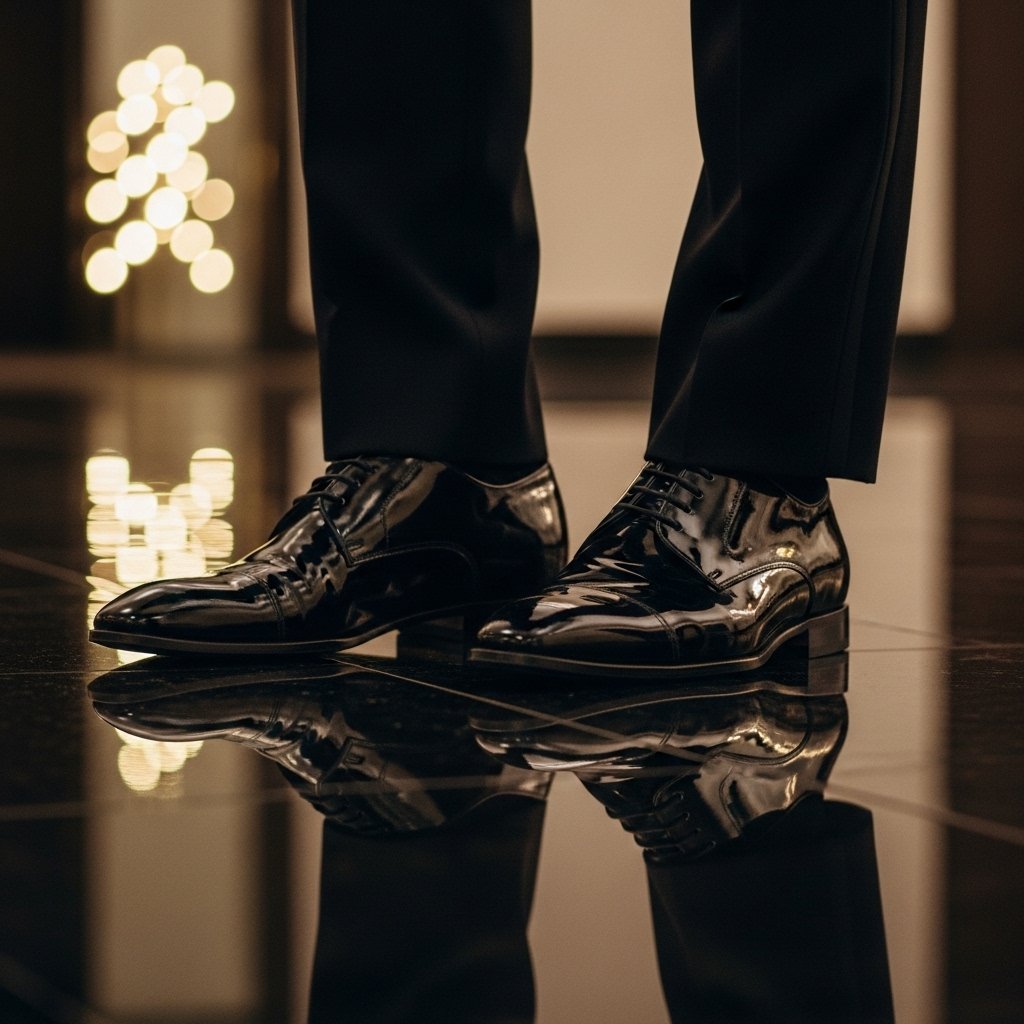
Tuxedos include patent leather or pretty polished shoes. The satin information is complemented via the shine. The suits pass very well with oxfords, derbies, or loafers. The casualness and ritual. The casualness and formality. This allows suits to be styled in an easy way.
When to Wear Each
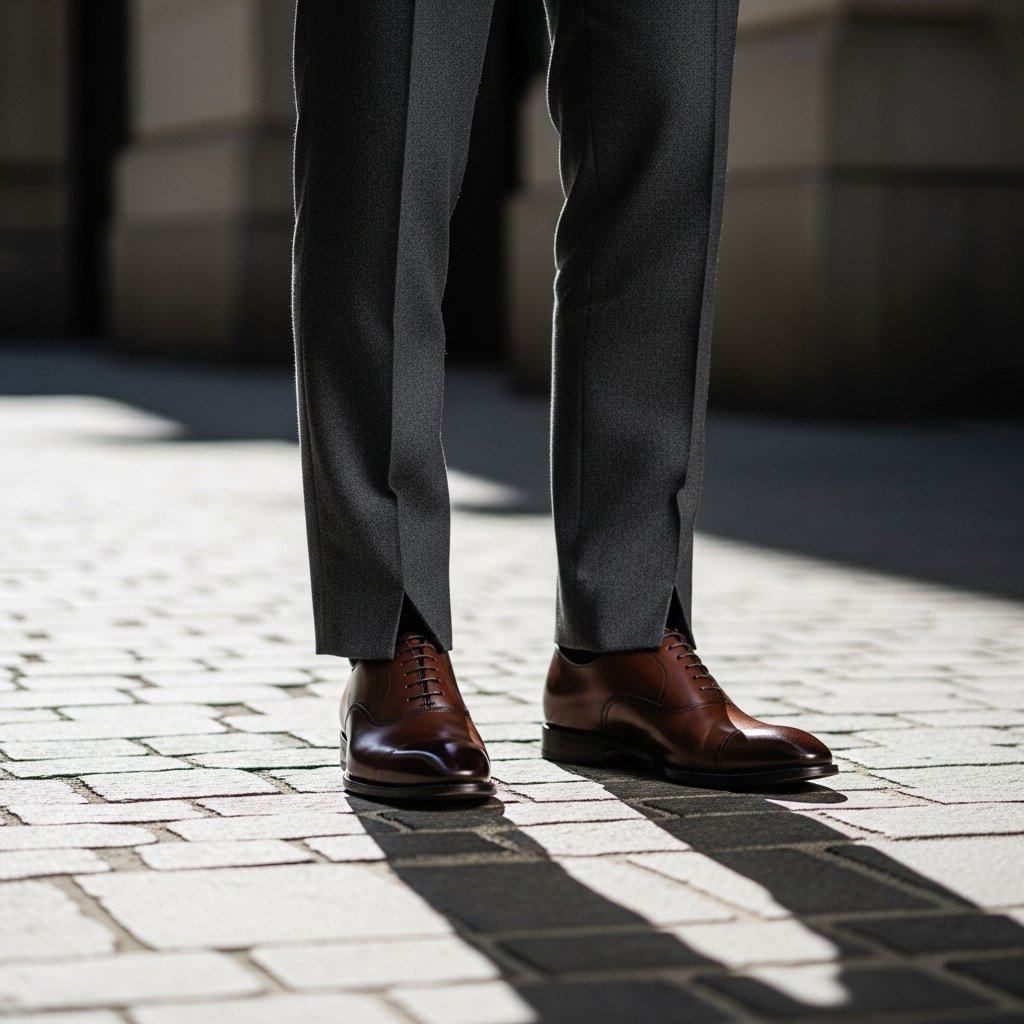
Tuxedos are worn in a black-tie wedding, gala, and formal evening wedding. It can be too much to wear one outside of these settings. Suits are good during events in the daytime, in the office, and at semi-formal events. The awareness of the dress code prevents fashion blunders.
Color Options
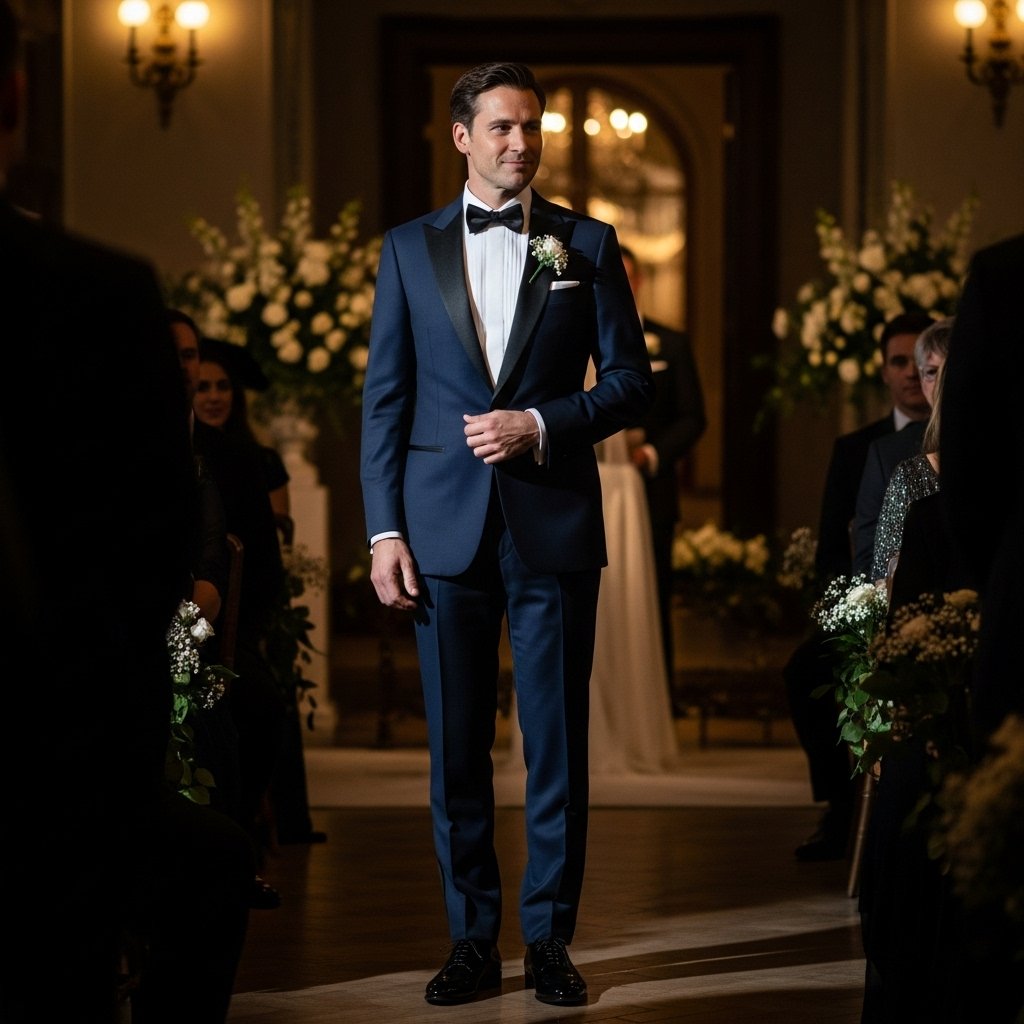
Tuxedos are normally saved inside the traditional colors which include black, nighttime blue or white dinner jackets. This custom makes them immortal. There is a great variety of colors of suits, such as navy, gray, tan, and even seasonal ones. The biggest strength of suits is that they are varied.
Overall Impression

A tuxedo conveys an element of elegance, way of life, and formality. It informs the humans that the occasion is extensive. A fit conveys a sense of self assurance, professionalism, and flexibility. The two are powerful when used at the proper time.
About the Author