Office style lives in details. Small choices shape how colleagues read professionalism, focus, and trust. You control those signals daily through simple habits.
Fit Comes First
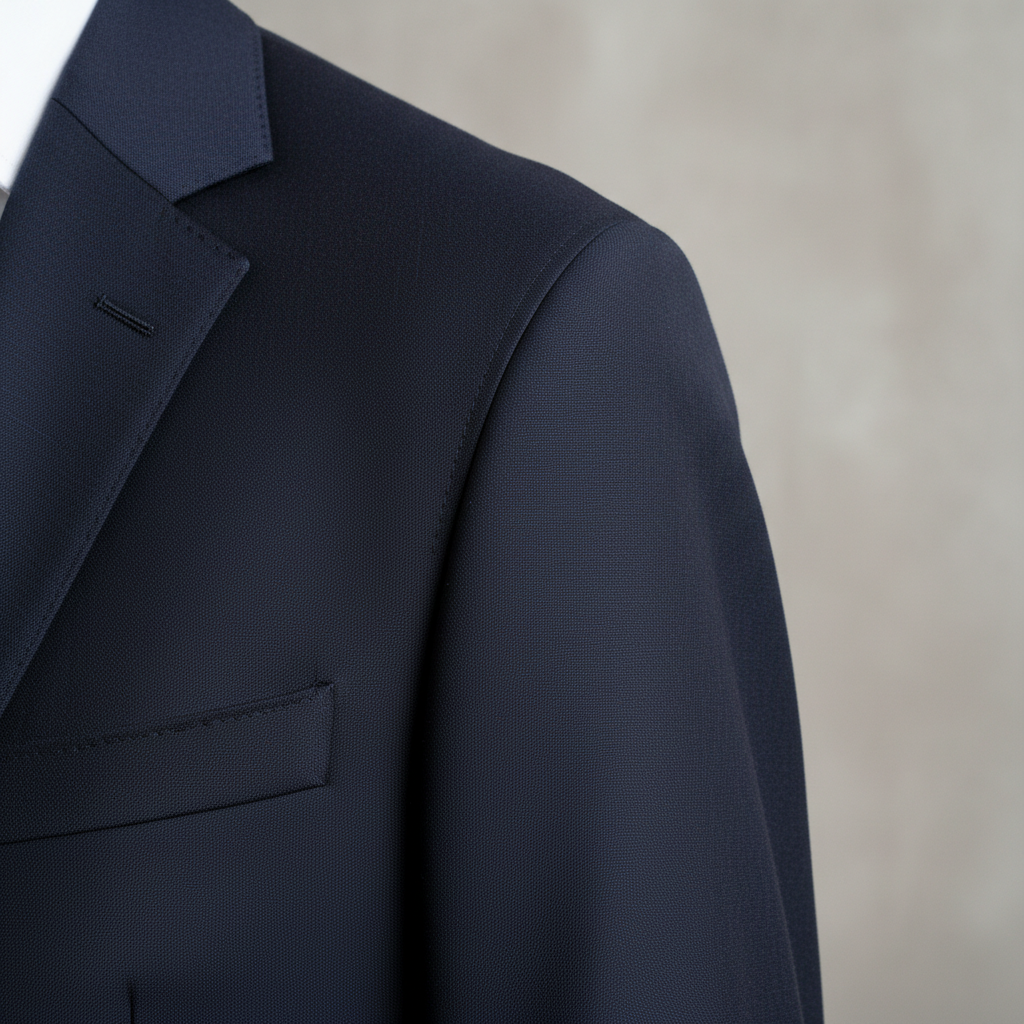
A suit or shirt fails fast when fit feels off. You focus on shoulder alignment, sleeve length, and trouser break. Clean lines sharpen posture and confidence. Tailoring costs less than replacements. One adjusted jacket outperforms three poor options. You move better, sit cleaner, and avoid constant fidgeting during meetings and desk work.
Fabric Weight Matches Workdays
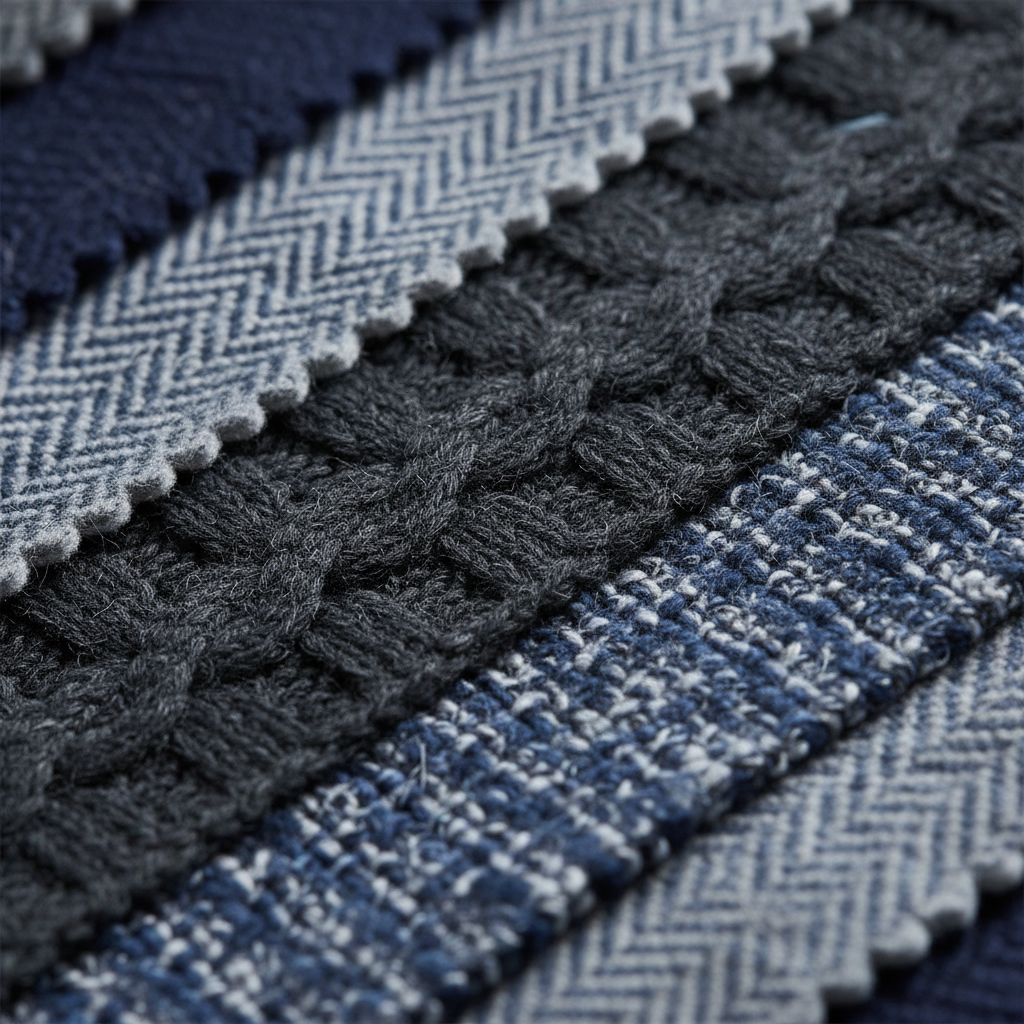
You choose fabric weight based on climate and office hours. Lightweight wool suits suit long days and warm floors. Heavier blends suit cooler rooms and short walks. Breathable cotton shirts reduce sweat marks. Smart fabric choices cut discomfort, distractions, and visible wear. You look composed from arrival through last meeting without wardrobe stress.
Neutral Colors Win Trust
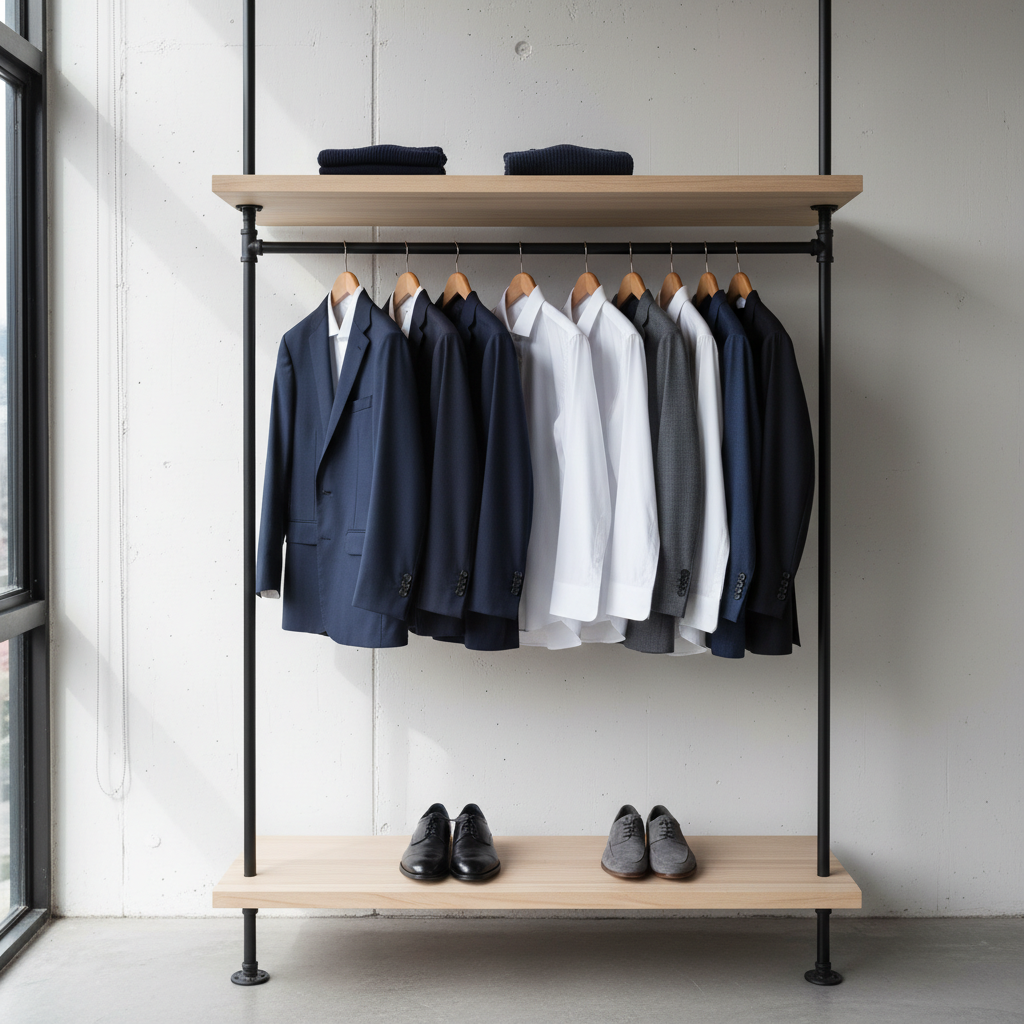
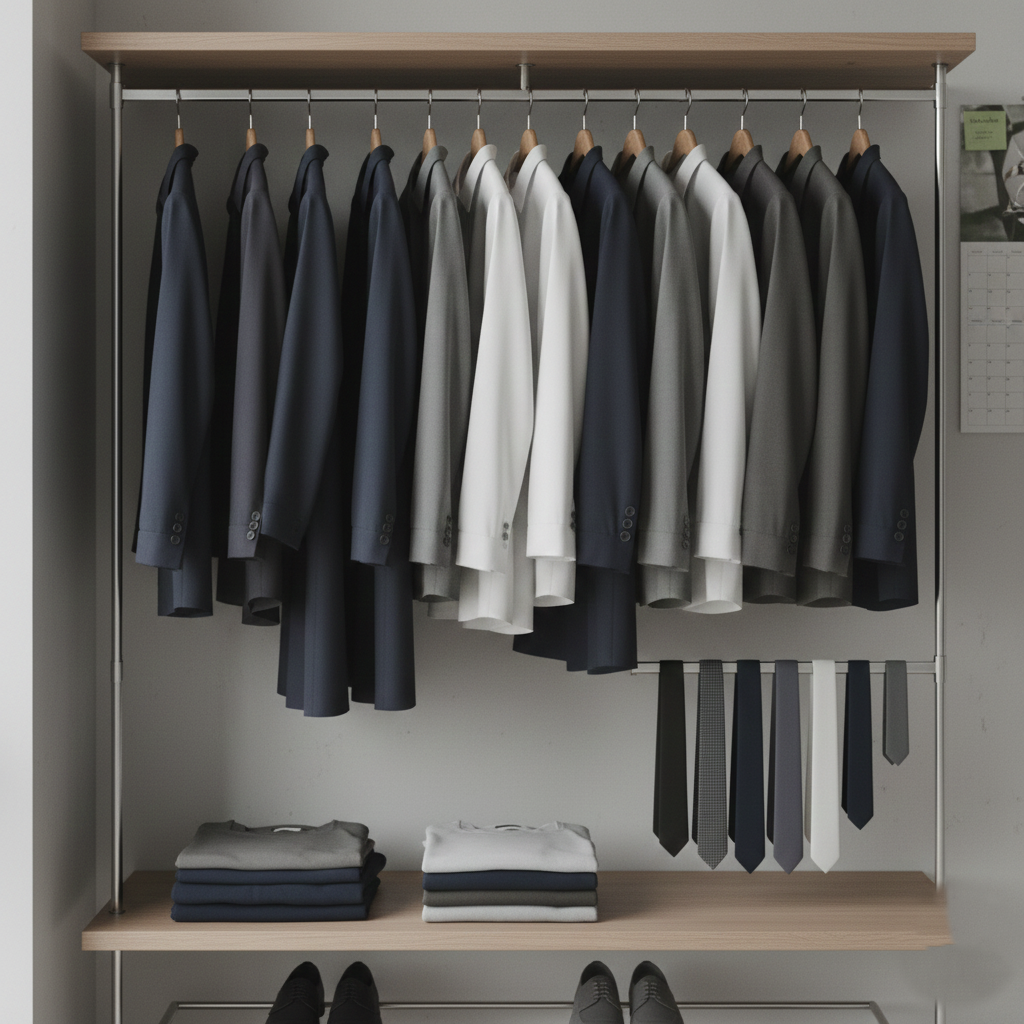
You rely on navy, charcoal, grey, and white. These colors signal consistency and discipline. Loud shades distract during serious talks. Neutral tones pair easily, reducing daily decisions. You rotate outfits faster without looking repetitive. Colleagues focus on words and ideas rather than color noise across the room.
Shirt Collars Frame Your Face
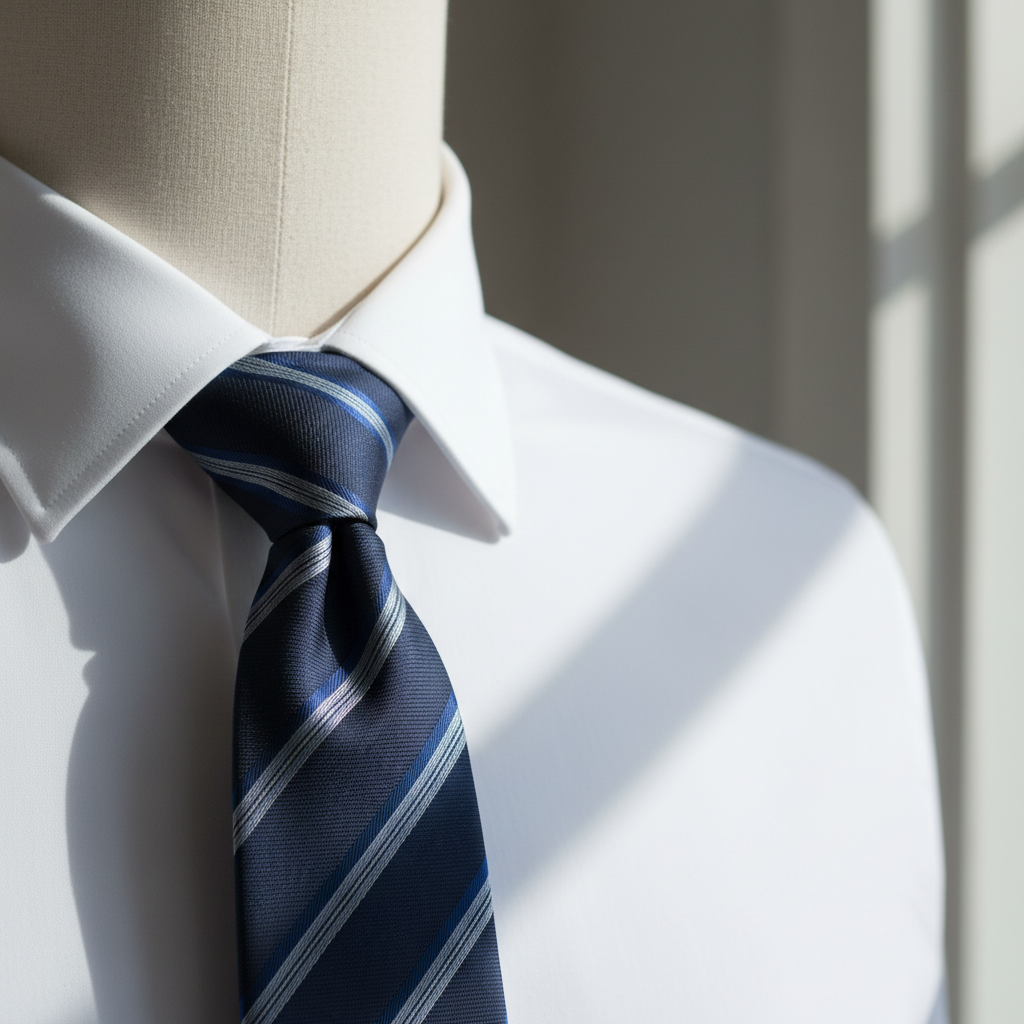
Collar shape affects first impressions. You match collar spread with face shape and tie width. Soft collars suit relaxed offices. Structured collars suit formal roles. Clean collar points signal order. Wrinkled or collapsed collars suggest neglect. You keep collars crisp through proper washing and storage habits.
Shoes Speak Before Words
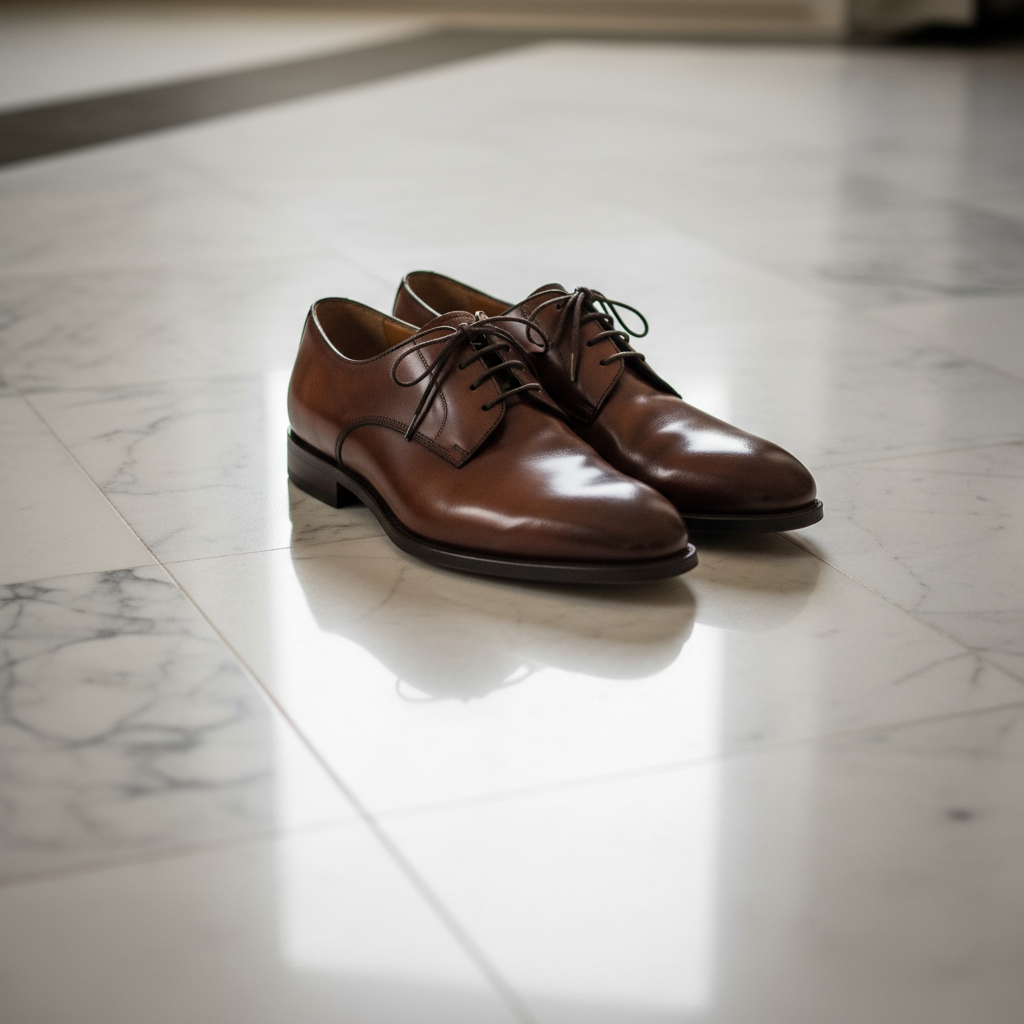
Shoes draw early attention. You keep leather clean, polished, and scuff free. Office floors reveal neglect fast. Dark brown or black pairs fit most settings. You rotate pairs to extend life. Comfortable soles support long standing hours. Strong shoe care reflects discipline without extra effort.
Belts Match Shoes Always
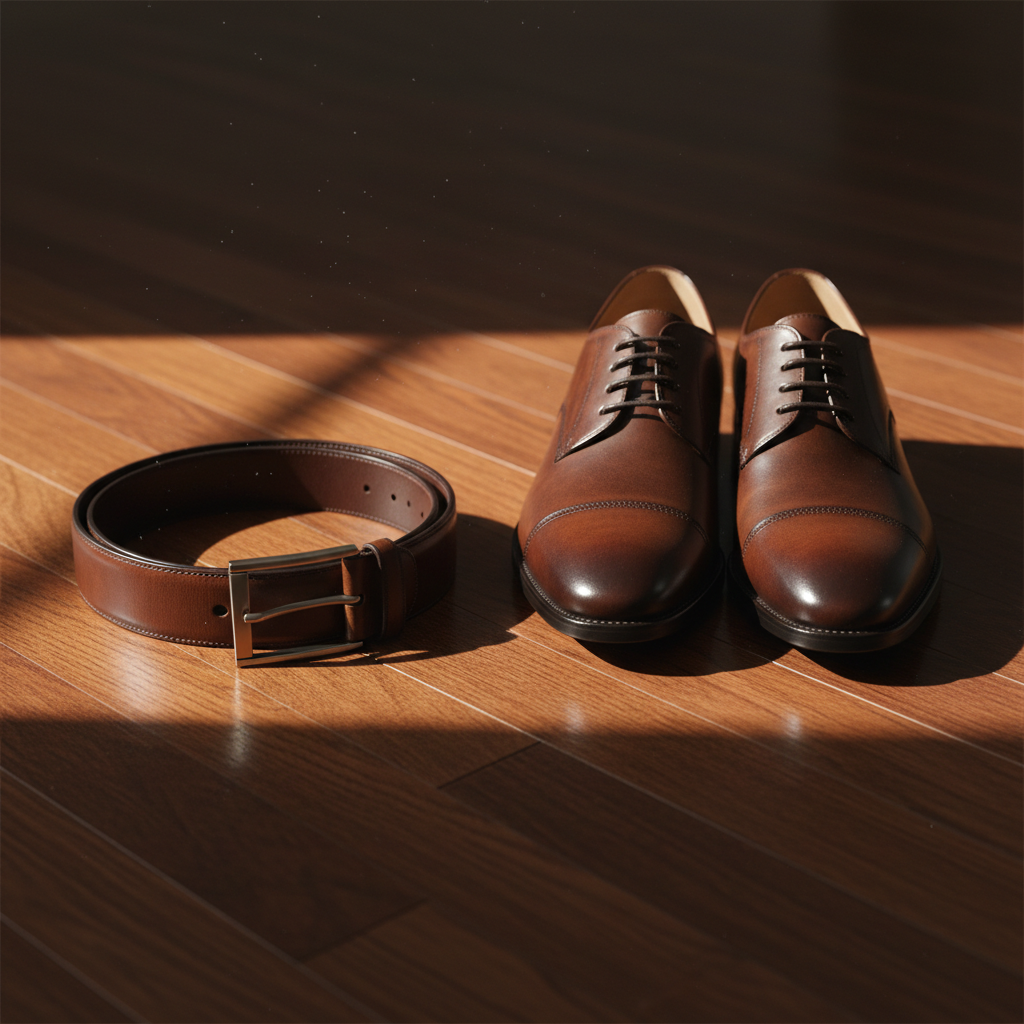
You match belt color with shoe color. This rule holds without exception. Mismatched accessories break visual flow. Simple leather belts outperform trendy designs. Minimal buckles suit office tone. You treat belts as functional tools, not statement pieces. Clean edges and firm structure keep outfits grounded and professional.
Sleeve Length Shows Precision
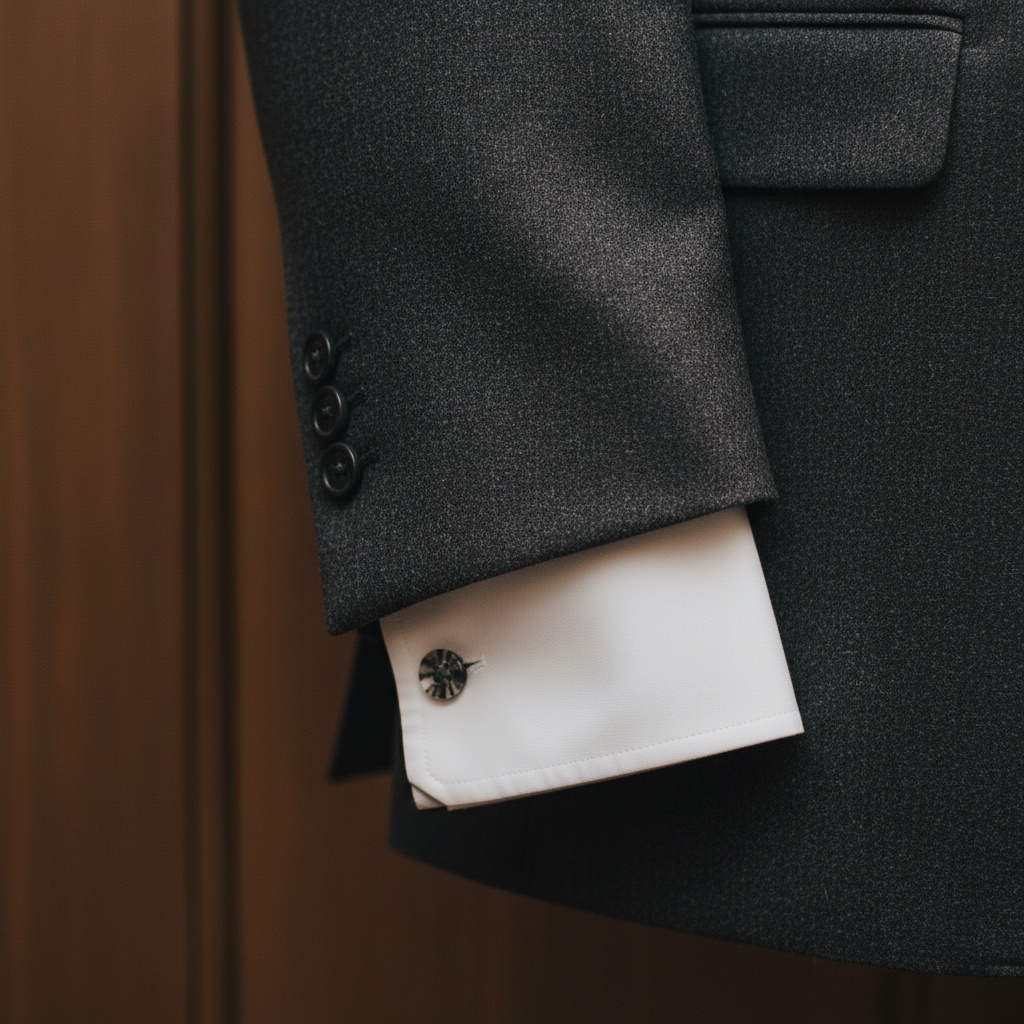
Shirt cuffs show care. You aim for half inch of cuff under jacket sleeves. Excess fabric looks sloppy. Short cuffs feel unfinished. Proper sleeve length signals attention to detail. You adjust cuffs through tailoring rather than rolling or tugging. This detail often separates sharp dressers from average ones.
Grooming Completes The Outfit
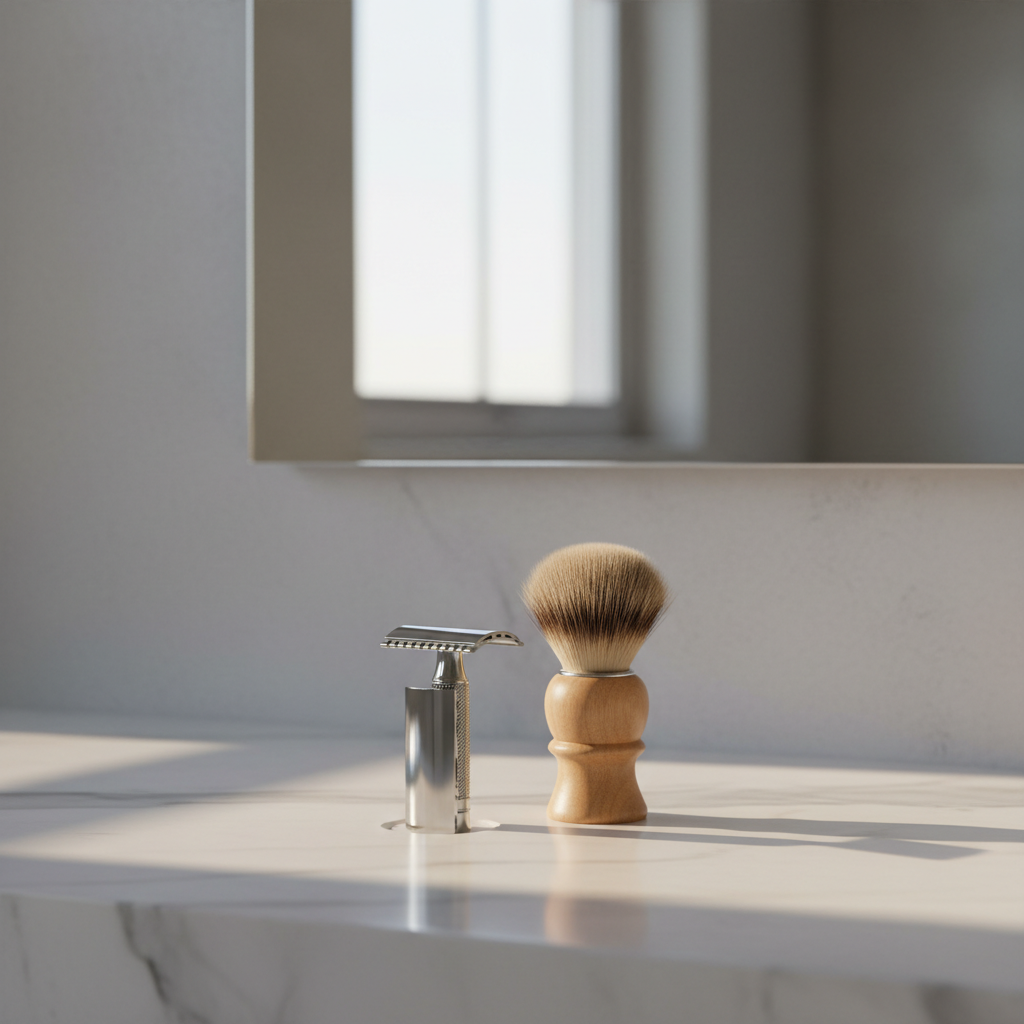
Hair, beard, and nails affect office style. You maintain consistent grooming routines. Clean edges and trimmed facial hair support credibility. Overgrown styles distract in meetings. Neutral grooming fits formal and relaxed offices alike. You treat grooming as part of dress, not an afterthought before leaving home.
Minimal Accessories Work Best
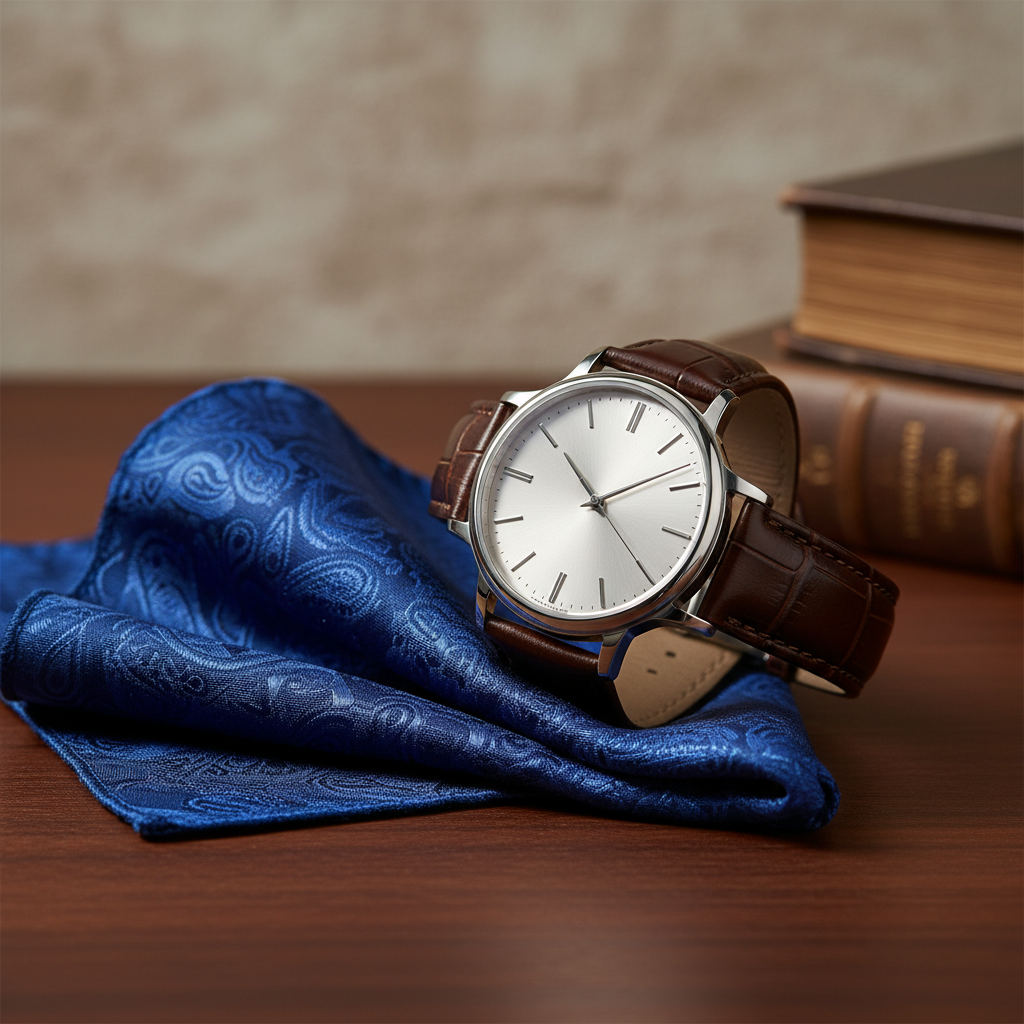
You limit accessories to watch, tie, and pocket square when needed. Loud pieces pull focus away from work. Simple watches with clean dials suit most roles. You skip oversized rings and bracelets. Accessories support outfits quietly. Restraint signals maturity and control during daily interactions.
Clothes Stay Clean And Pressed
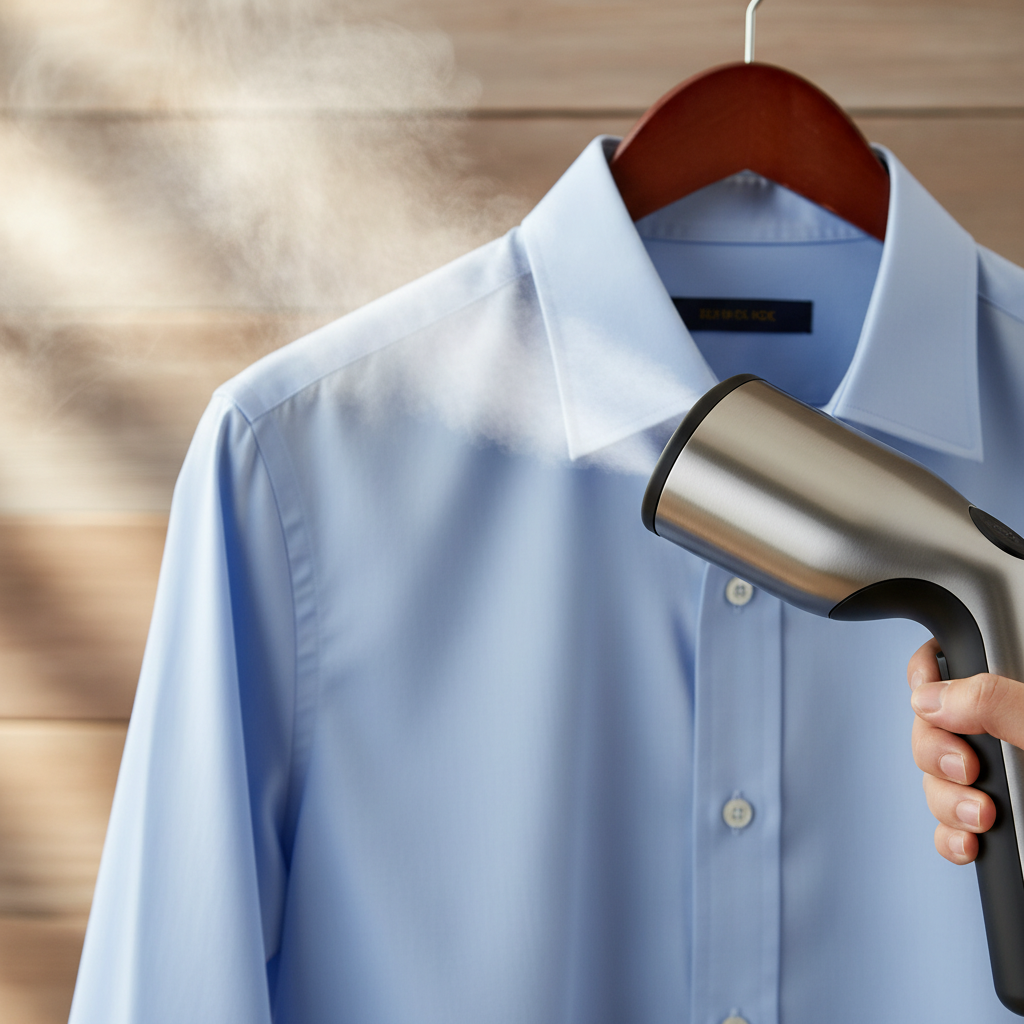
Wrinkles ruin strong outfits. You press shirts and trousers before workdays. Lint removal matters on dark fabrics. Clean clothes signal respect for shared spaces. You store garments properly to reduce damage. This habit saves time and money. Consistent care keeps wardrobes sharp without constant shopping.
About the Author