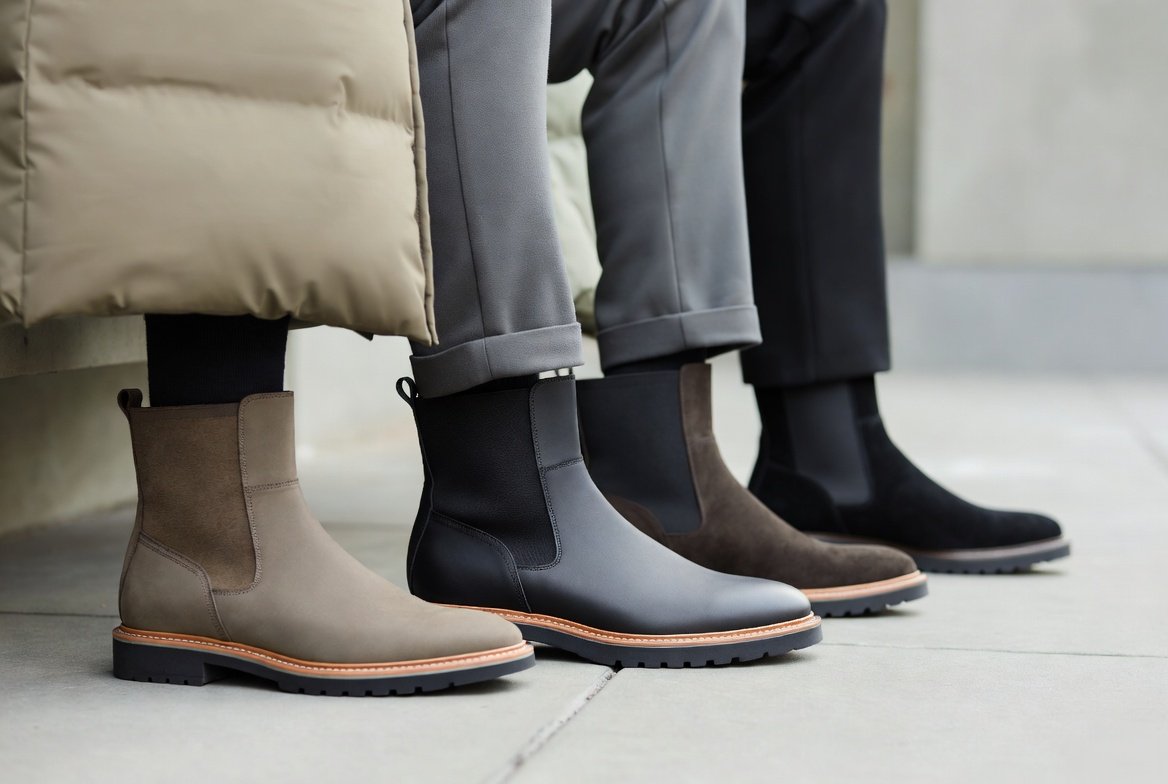
Footwear is getting more elegant, functional, and well-thought-out as the winter fashion keeps on changing, essentially phasing out those that no longer fit modern wardrobes or real-life utility. In the approaching 2026, creators and fashion experts are turning their backs on overly decorated, impractical styles, and trend overexposure, and instead, they are looking at shoes that offer a perfect blend of comfort, durability, and quiet style.
Overly Chunky Platform Boots
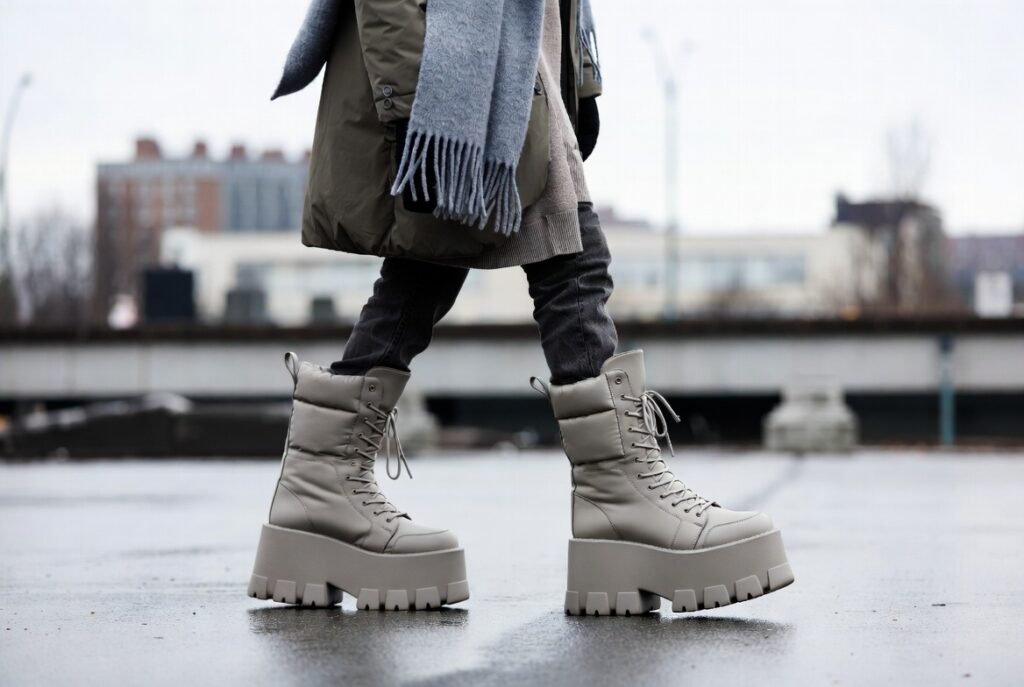
Gigantic platform soles were a kind of winter street staple for a while, but at the moment, they’re gradually going out of fashion as they are deemed heavy, overpowering, and not suitable for regular use. A moderate height together with sleeker lug soles will substitute exaggerated platforms, therefore, a more balanced silhouette will be formed.
Unnecessarily Pointed-Toe Winter Boots
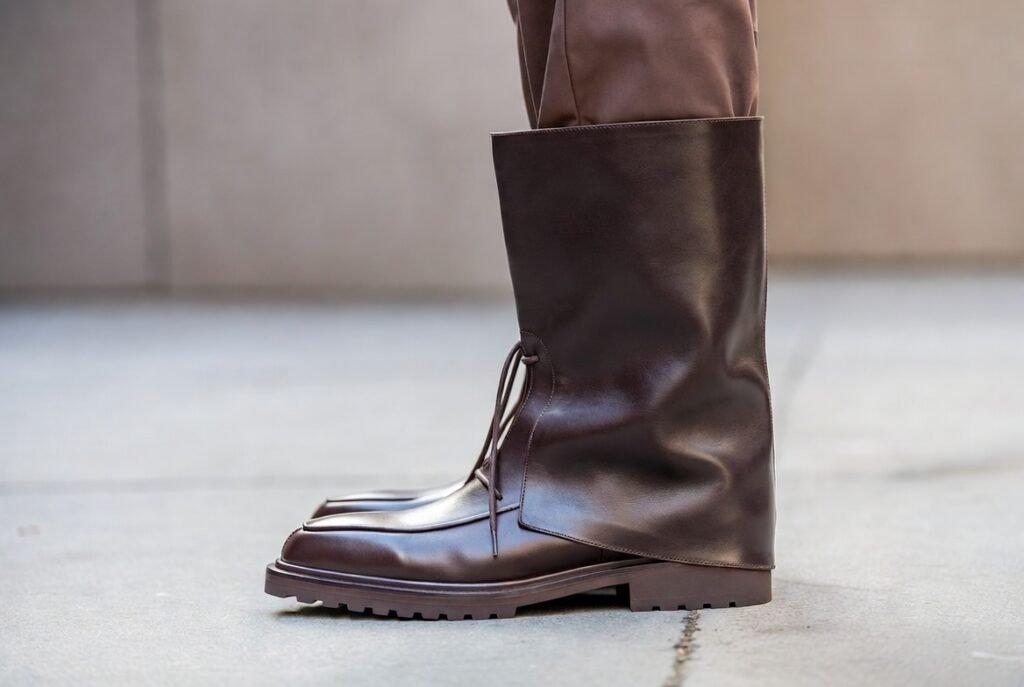
Pointed and elongated toes are on the way out as they limit the level of comfort and thus feel quite disconnected from the relaxed tailoring shaping of the current fashion landscape. Both warmth and wearability being the main criteria, rounded and softly tapered toes are going to be the result.
Ultra-Slouchy Knee-High Boots
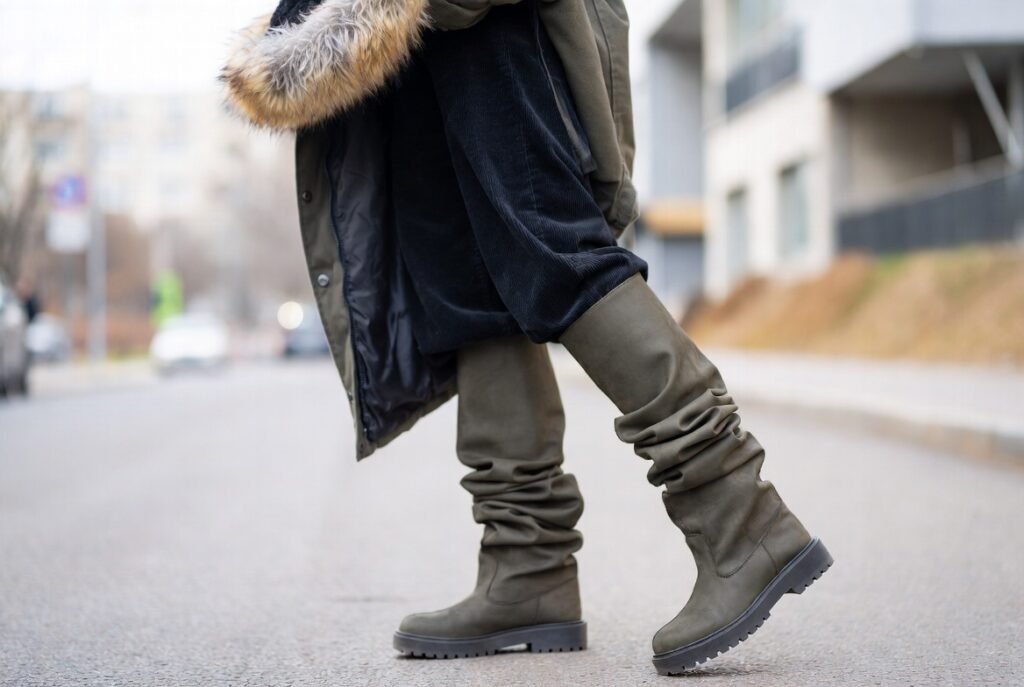
Boots that are too loose to the extent that they bunch excessively at the ankle or calf area are becoming a matter of concern and people are starting to see such footwear as less than neat rather than just effortlessly cool. In the present market, boot shafts that are either structured or semi-relaxed bring a nice, neat look that will complement your modern winter layers perfectly.
Heavy Faux-Fur-Covered Shoes
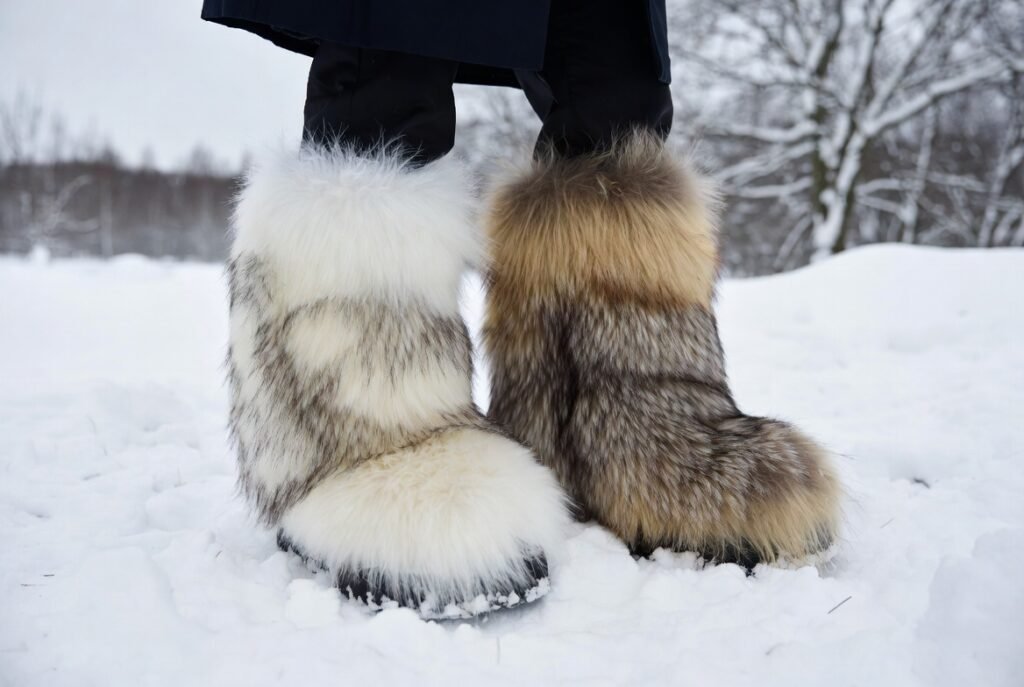
Faux fur shoes can be too bulky and are quite impractical especially in wet or snowy conditions, thus negatively impacting their popularity. The shift that designers have made is indeed very positive as it allows for shearling linings or texture accents with warmth-providing properties but without a visual overload.
Loud Logo-Centric Winter Footwear
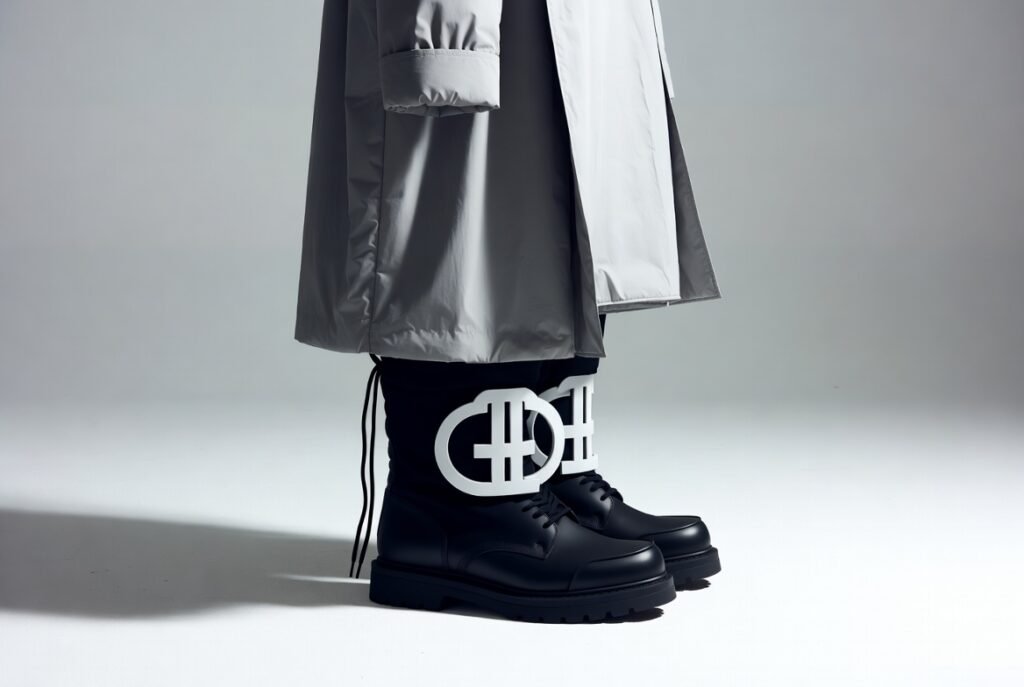
Winter footwear with oversized logos on them has got to a point where it is considered quite dated, especially since the trend of quiet luxury and minimal branding continues to define the fashion industry’s direction. People now tend to think of clean designs with quality materials as more timeless and versatile.
Shiny Patent Leather Winter Boots
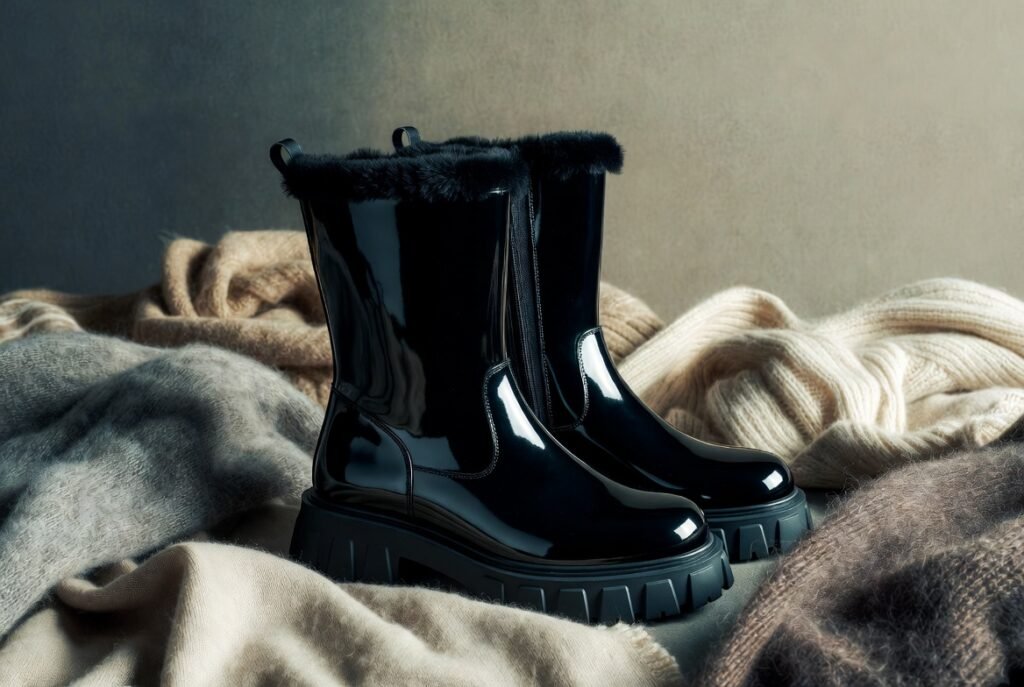
High-gloss patent leather is no longer in vogue because it not only shows wear very quickly but is also out of sync with the softness of the fabrics used for winter. Matte leather and suede substitutes will give you a more elegant and seasonally proper look.
Wedge Heel Snow Boots
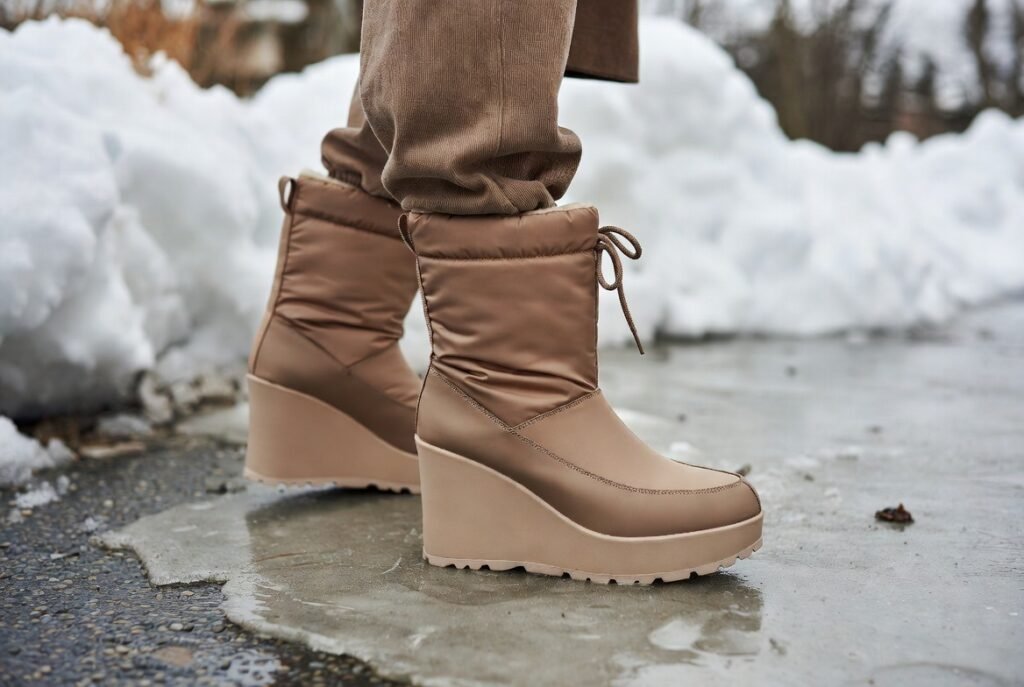
It is hard for bulky wedge heels to provide comfort and stability in winter conditions, so people don’t like them for everyday use. People now prefer flat or low-block heels because they are practical and also look nice.
Overly Embellished Ankle Boots
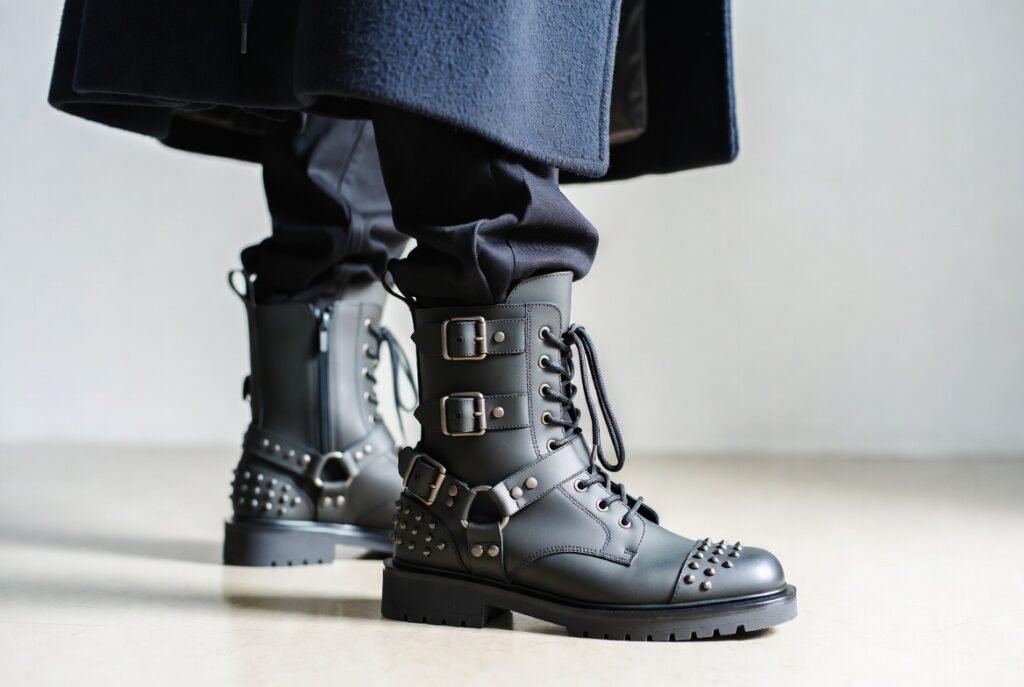
Boots that are covered with too many studs, buckles, or decorative hardware become unfashionable as the trend of simplicity is gaining popularity. Now, subtle design details are considered more stylish and can be easily matched with different outfits.
Square-Toe Boots With Extreme Angles
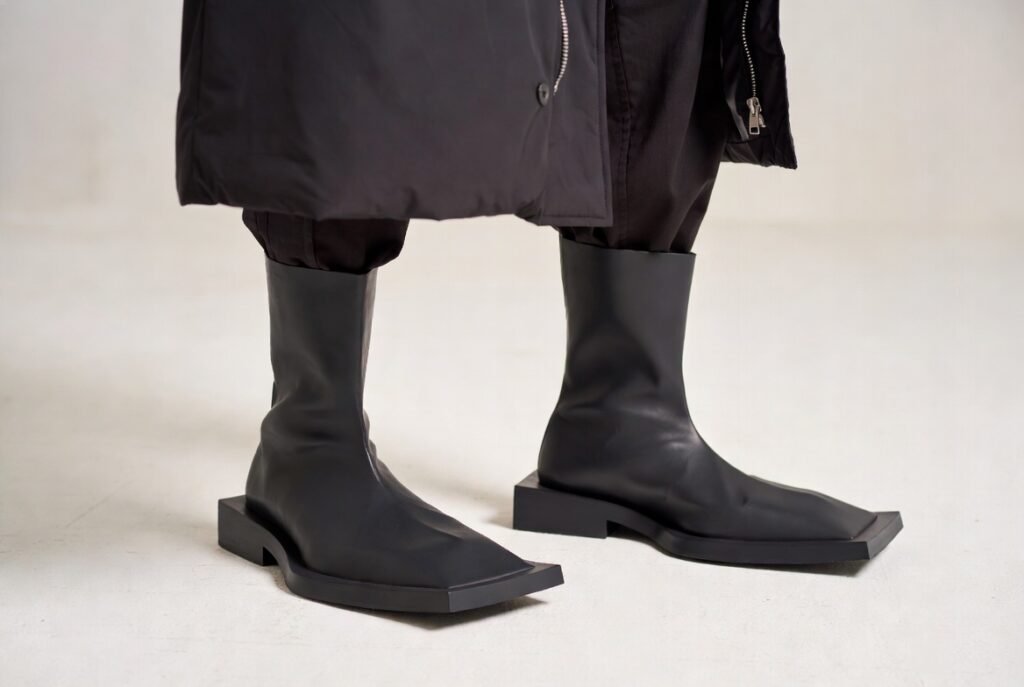
Very harsh, boxy square toes that are highly exaggerated are changed to softer geometric shapes. The new method still conveys the idea but keeps the elegance and comfort level.
Thin-Soled Winter Shoes
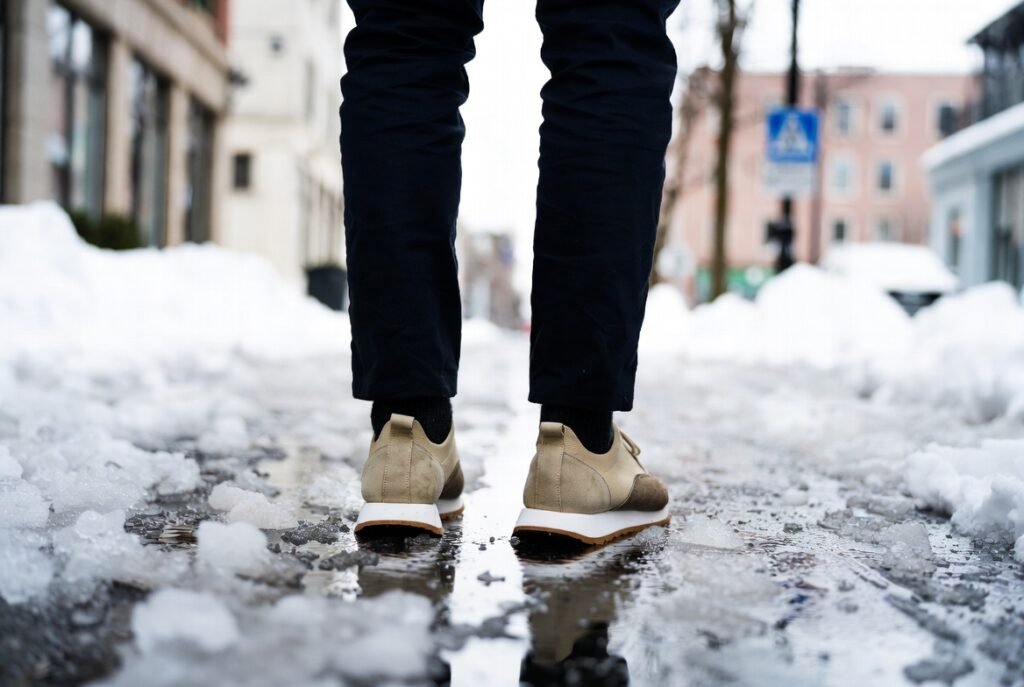
Such shoes with very thin soles are not good at insulating and providing traction, so they should not be worn in cold seasons. People are used to thinking that thicker, nicely cushioned soles are not only for bright support but also for warmth.
Distressed or Artificially Aged Boots
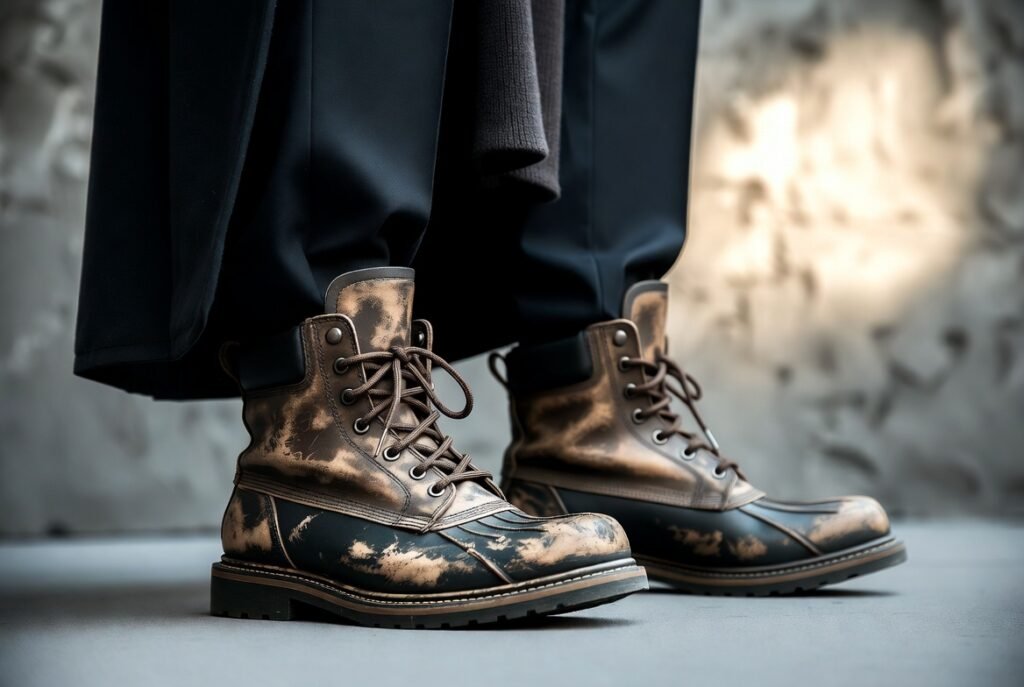
Heavily worn or deliberately distressed finishing are becoming less and less attractive since the consumers are choosing to prioritize the wearability and the life span of a product. Clean, well-made boots that develop a natural patina over time are turning into the wiser and more fashionable choice.
About the Author


