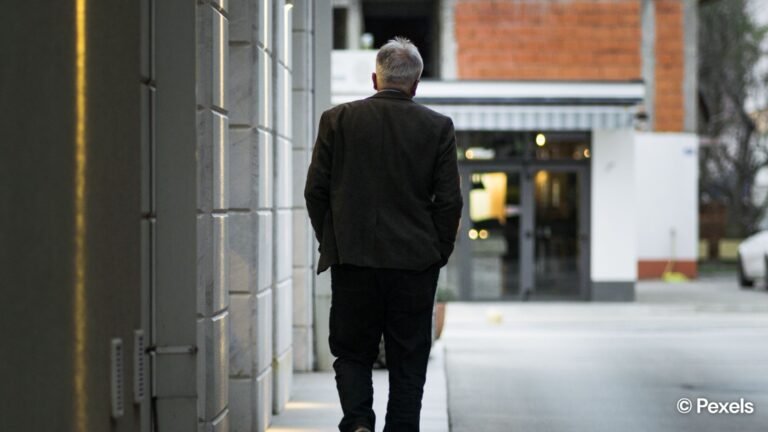
A man can have a great career, a packed calendar, and enough unread emails to qualify as a second job. Yet across cultures, the idea of a “good partner” is increasingly tied to what happens after office hours. Expectations differ, but one pattern keeps appearing: success matters, and so does being present.
Denmark: Time Together Is Normal

In Denmark and other Nordic cultures, the concept of work-life balance is closely intertwined with the quality of life. A man who guards on evenings, weekends, and family time could be considered sensible and not necessarily a lackluster man. No one wants a PC trailing along behind them at the restaurant, just like a faithful dog!
France: Know When Work Ends

French culture places value on leisure, meals, holidays, and personal time. That can mean valuing a partner who knows when work has finished. Ambition is welcome. Turning every Sunday lunch into a quarterly planning meeting is less charming.
Japan: Presence Can Be Revolutionary

Japan has long been associated with demanding work cultures and long hours, although expectations are changing. A man who makes real space for family life can represent more than free time. He may be showing that work does not have to consume adulthood. Sometimes balance is simply a boundary.
India: Responsibility Goes Both Ways

Work in India can be very much connected with responsibilities, nooks and corners of the family, security and social expectations. Women have an appreciation for ambition yet prefer a partner who will contribute to the family in other ways besides earning money. It’s good to be reliable on the job. There’s no place like home and reliability at home can’t be outsourced.
United States: Flexibility Matters

American working parents often deal with blurred boundaries between jobs and family. Recent Pew research found that 54% of U.S. working parents say balancing work and family is difficult. A partner who can switch off can be worth more than another promotion.
Sweden: Share the Load

Shared parenting and gender equality are a significant part of the Swedish culture. Work-life balance is therefore more than just a man’s increased leisure. It’s a matter of both partners having space to work, rest, parent AND live their own lives. Until you find out about the laundry, equality is romantic.
Spain: Make Room for People

In Spain, family and social life traditionally hold an important place in daily routines. A partner who makes time for meals, relatives, friends, and shared experiences may signal emotional availability. A calendar can contain people, not just appointments.
South Korea: Ambition Needs Boundaries

South Korea’s work culture is very competitive; younger generations are constantly challenging over-ambitious expectations in the workplace. A partner who respects boundaries will be important for women who have demanding careers. If both parties are already busy and burned out, the relationship doesn’t require yet another performance review.
The Global Pattern: Be Present

The variations are minor, but the message is strikingly consistent. But women don’t always want men to be less active. The only thing they desire is to see work allow for partnership, family, rest, and shared life. Despite the fact that OECD countries saw that men are working more hours in paid work, OECD data indicates that women are still doing more unpaid work.
About the Author