
First impressions form within seconds, and certain habits can turn a promising connection into instant dislike almost as fast. In the workplace, on date or just hanging out with friends, minor behaviours can communicate a great deal more than words ever do. People don’t seek to be disliked, but actions can subtly drive them away without being obvious to them as to the reason. If you know these cues, you can avoid social mishaps, conflict and defuse and create more sincere, better relationships with the people around you, each and every day.
Constant Interrupting

Mere interruption and lack of respect for thought. Gestures of goodwill can be hurtful and may cause the person to feel unheard, leading to loss of trust and to conversations appearing as matches between two willing participants.
Ignoring Personal Space

Someone becomes immediately uncomfortable by being too close or touched without permission. This pedestrian boundary crossing typically evokes a knee-jerk response of a defensive nature and leads to an acquaintance’s withdrawal and a label of being pushy or inconsiderate.
One Upping Every Story

Making all common experiences a contest takes the pleasure out of talk. Focusing on personal achievements continually can make other people feel unappreciated, unheard and unwilling to share in anything of value once more.
Never Admitting Fault

When you ignore your error or don’t say sorry, it leaves a negative impression in relationships. A consistent tendency to put down the blame can make others feel that the individual tends to be arrogant or untrustworthy and causes others to be wary of them and their cooperation in the future.
Backhanded Compliments

Complimenting with a mild criticism is more hurtful than criticism. Praise that is nice but biting can make the person feel confused and taken aback and may cause them to avoid engaging in future communication.
Excessive Name Dropping

Talking about influential people you’ve met or something you’ve done is almost desperate for affirmation in every conversation. This is something they do not do to impress but, in fact, it is often a reflection of insecurity, making others wonder about the identity and real character of the individual.
Poor Listening Skills
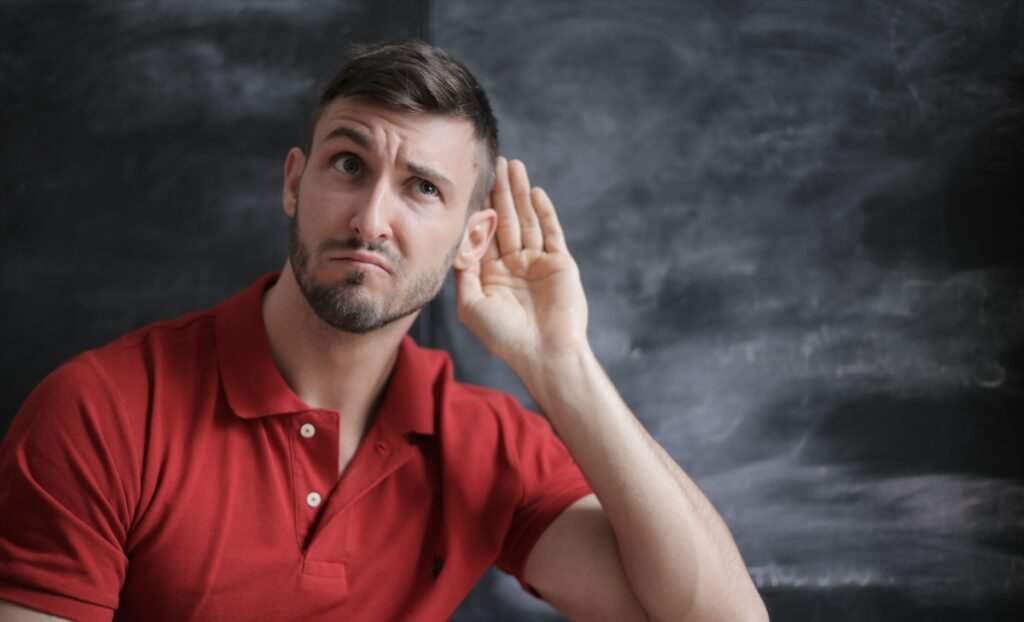
Fidgeting with your hands, your fingers raised to your mouth, and a blank expression on your face is not a language students don’t notice. Authentic listening involves being present, and anyone can tell when someone isn’t listening.
Unsolicited Advice Giving

Giving unsolicited advice about someone’s decisions may seem condescending and not very useful. Well-meaning suggestions can sound critical, impacting on people during sensitive or personal discussions.
Breaking Promises Repeatedly

Over time, credibility is damaged by breaking promises. Every broken promise, no matter how minor, erodes trust until others cease depending on that person completely and discreetly withdraw from plans for the future.
Gossiping About Others

Criticising others who do not or are not present at the moment does not always make for good later. Often, the listeners wonder what it is that is said about them and, consequently, the person who enjoys gossiping seems untrustworthy even though they momentarily share a feeling of intimacy or drama.
Dismissive Body Language

To convey your lack of interest nonverbally, cross your arms rather than turning your head away, rolling your eyes, and leaning away. Before the first word is spoken, no further meaningful conversation can take place because of this negative attitude which can make others feel unwanted or like they are being judged.
About the Author