
A lot of what gets repeated on gym floors was never tested, and several things that were tested turned out to say the opposite of what everyone believed. None of this means training is complicated. It mostly means the details people obsess over matter less than the boring fundamentals they skip. Here are ten pieces of standard advice that the evidence has undermined, and what the research actually points to instead.
The Thirty Minute Anabolic Window

The idea that protein must be consumed within half an hour of finishing does not survive scrutiny. A meta-analysis found that studies showing a timing benefit had participants eating around twenty five percent more total daily protein, and once total intake was controlled the timing effect disappeared for both size and strength.
What Actually Predicts Growth

Total daily protein intake, with the useful benchmark sitting around 1.6 grams per kilogram of bodyweight per day. Beyond that point additional protein produces diminishing returns for most people. Hitting the daily number matters enormously and the distribution across the day matters far less than the shake industry suggests.
Soreness as a Measure of a Good Session

Delayed onset muscle soreness reflects novelty and eccentric loading rather than how effective a session was. Trained lifters frequently stop getting sore from their most productive work entirely. Chasing the feeling pushes people toward constantly changing exercises, which undermines the steady progressive loading that actually drives adaptation over months.
Static Stretching Before Lifting

Holding long static stretches immediately before heavy work has been shown to acutely reduce force output. It has not been shown to prevent injury in the way it was long assumed to. Dynamic movement and progressively heavier warm-up sets are the better use of the same ten minutes.
Spot Reduction
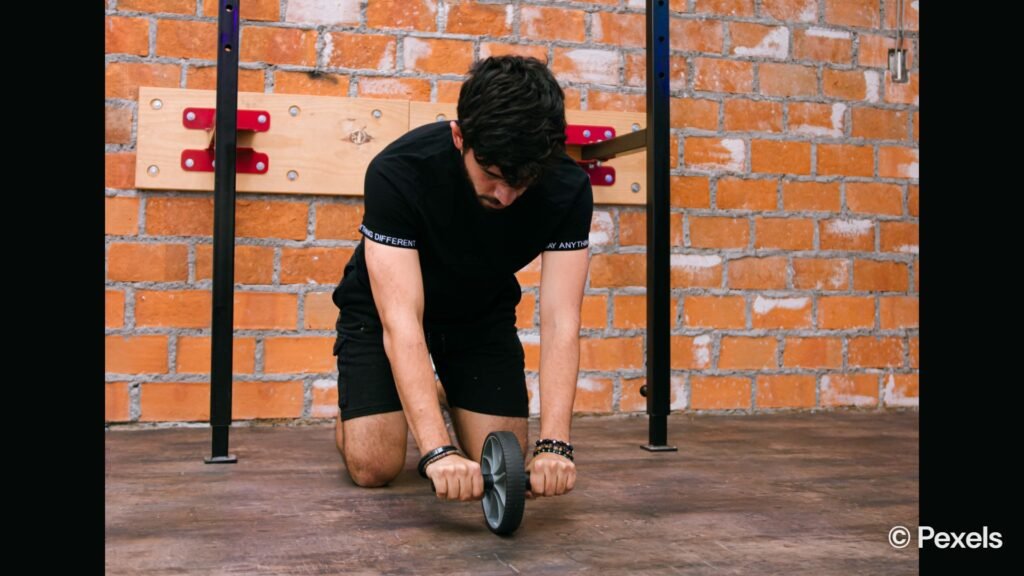
Training a body part does not preferentially remove fat from that body part. Fat loss happens systemically and where it comes off first is largely determined by genetics. Abdominal exercises build abdominal muscle, which is worth doing, but they do not selectively burn the fat sitting on top of it.
Cardio Killing Your Gains

The interference effect is real but far smaller than gym folklore implies, and it mostly shows up at high volumes of endurance work performed close to lifting sessions. For anyone doing a few sessions a week for general health, cardio does not meaningfully impede muscle growth and improves recovery capacity.
Short Rest Periods for Size

The old prescription of sixty seconds between sets for hypertrophy has not held up. Longer rests, in the two to three minute range, allow more load and more quality reps per set, which produces at least as much growth. Short rests make sessions harder without making them more productive.
Taking Every Set to Failure

Training to complete failure on every set increases fatigue substantially without proportionate benefit, and it lengthens recovery time between sessions. Stopping a rep or two short on most working sets allows more total quality volume across the week, which is the thing that actually accumulates.
Only Heavy Weights Build Muscle

Provided sets are taken close enough to failure, lighter loads with higher repetitions produce hypertrophy comparable to heavy loads with low repetitions. Heavy work remains superior for maximal strength specifically. For size, the effort matters more than the number on the bar, which is useful news for anyone managing joints.
Creatine Timing

Creatine monohydrate is among the most studied supplements in existence and one of the few with consistent support. The timing debate is noise. What matters is taking it every day so that muscle stores stay saturated, and the cheapest unflavoured monohydrate does the job as well as anything marketed harder.
About the Author