
Men tend to be less likely than women to visit a doctor for any reason, and often, health issues don’t show symptoms until they’re quite advanced. This information isn’t a replacement for chatting with your own GP, and the specific ages can differ between countries, so think of these numbers as a starting point for questions rather than a strict timeline. Here are ten important health checks to be aware of, along with when they typically become important.
Blood Pressure
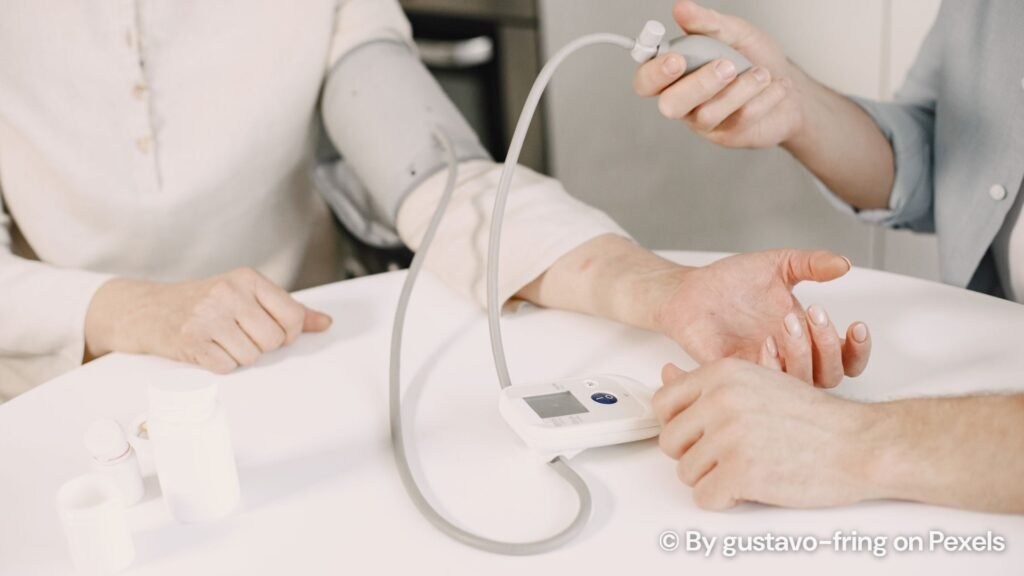
High blood pressure produces no symptoms whatsoever until it causes damage, which is why it is called the silent one. It is also the single easiest thing on this list to measure, taking under a minute at a pharmacy or with a home monitor. Anyone over forty should know their numbers.
Cholesterol

A simple blood test, and worth doing from your mid thirties if there is any family history of heart disease. Guidance varies but many services suggest baseline testing from around thirty five for men without known risk factors. It informs everything else about cardiovascular risk assessment.
Blood Sugar

Type 2 diabetes frequently develops for years before anyone notices. An HbA1c test measures average blood glucose over about three months and catches the pre-diabetic stage where the condition is still reversible through weight and activity changes. Ask for it alongside cholesterol rather than separately.
The Free Check Nobody Books
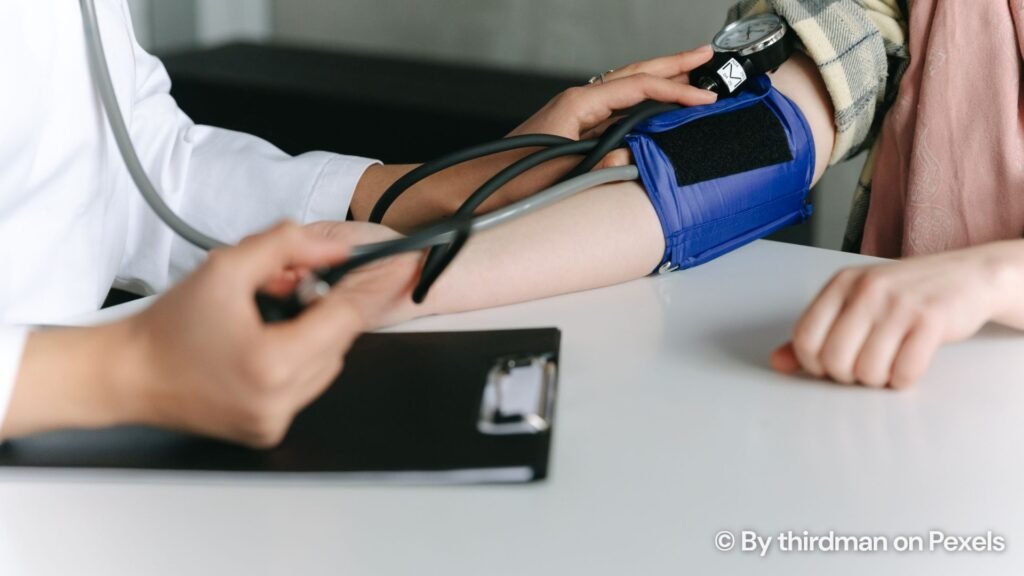
In England, anyone aged forty to seventy four without certain existing conditions is entitled to a free NHS Health Check every five years, covering cardiovascular risk, blood pressure and cholesterol. Uptake is poor. If you are in that bracket and have never had one, it is a phone call.
Bowel Screening
In the UK, men aged fifty to seventy four are sent a home testing kit every two years, arriving first at fifty, fifty two or fifty four depending on birth date. American guidance now suggests starting at forty five. Uptake among men in their fifties is notably low, and the test takes minutes at home.
The Prostate Conversation

The UK has no national prostate screening programme, but men over fifty can request a PSA test from their GP. It is worth raising earlier if your father or brother had prostate cancer or if you are of African or Caribbean heritage, both of which raise risk. The test has real limitations, which is precisely why it is a conversation.
Testicular Changes
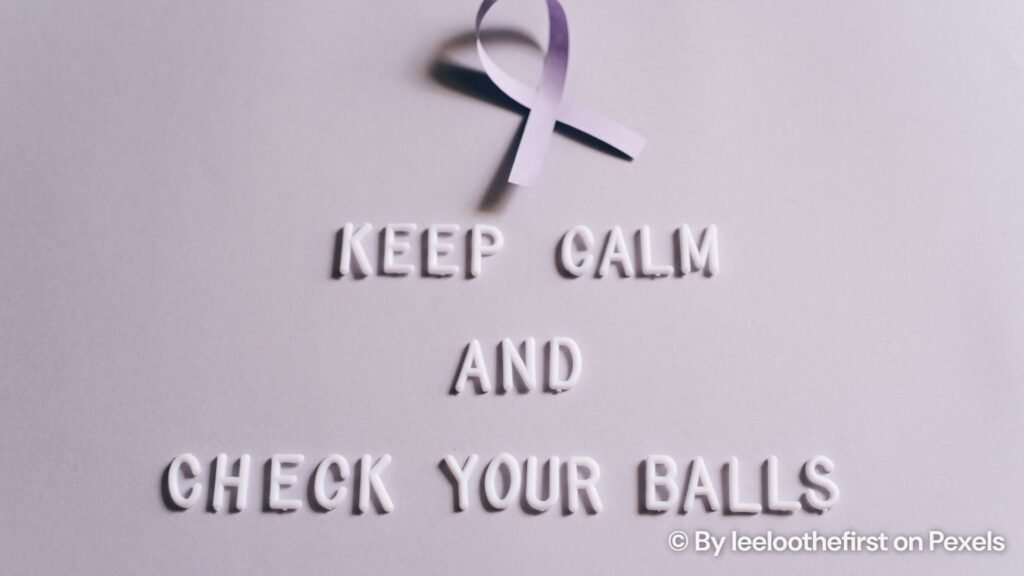
Guidance has shifted here.Some advise against routine self-exams due to anxiety. Instead, know your normal and promptly check any lump or persistent ache.
Skin and Moles

Men are more likely than women to be diagnosed with melanoma at a late stage, partly because the common sites are the back and shoulders where you cannot see. Ask someone to look, or photograph it. Any mole changing in size, shape, colour or behaviour warrants an appointment.
Eyes and Hearing
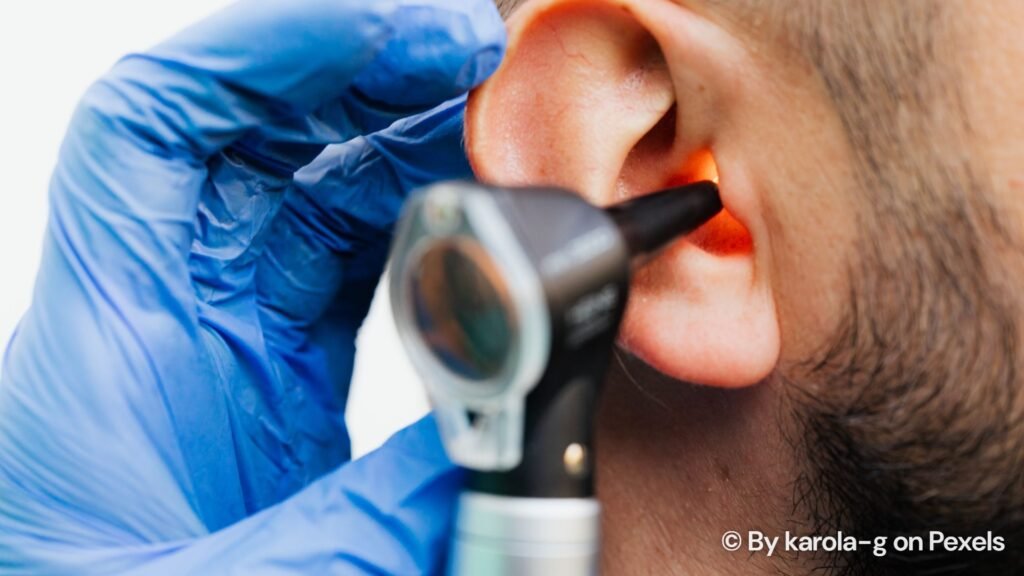
Glaucoma damages peripheral vision gradually and painlessly, and is picked up in a routine eye test. Hearing loss is similarly slow enough to be invisible from the inside. Both tests are quick and both conditions are far easier to manage when caught before you have noticed anything.
The One People Skip Entirely

Mental health does not have a screening kit. Persistent low mood, loss of interest, disrupted sleep or increased drinking lasting weeks are worth raising with a doctor in exactly the way you would raise chest pain. Men account for the large majority of suicides in most countries, and it remains the least discussed item on any list like this.
About the Author