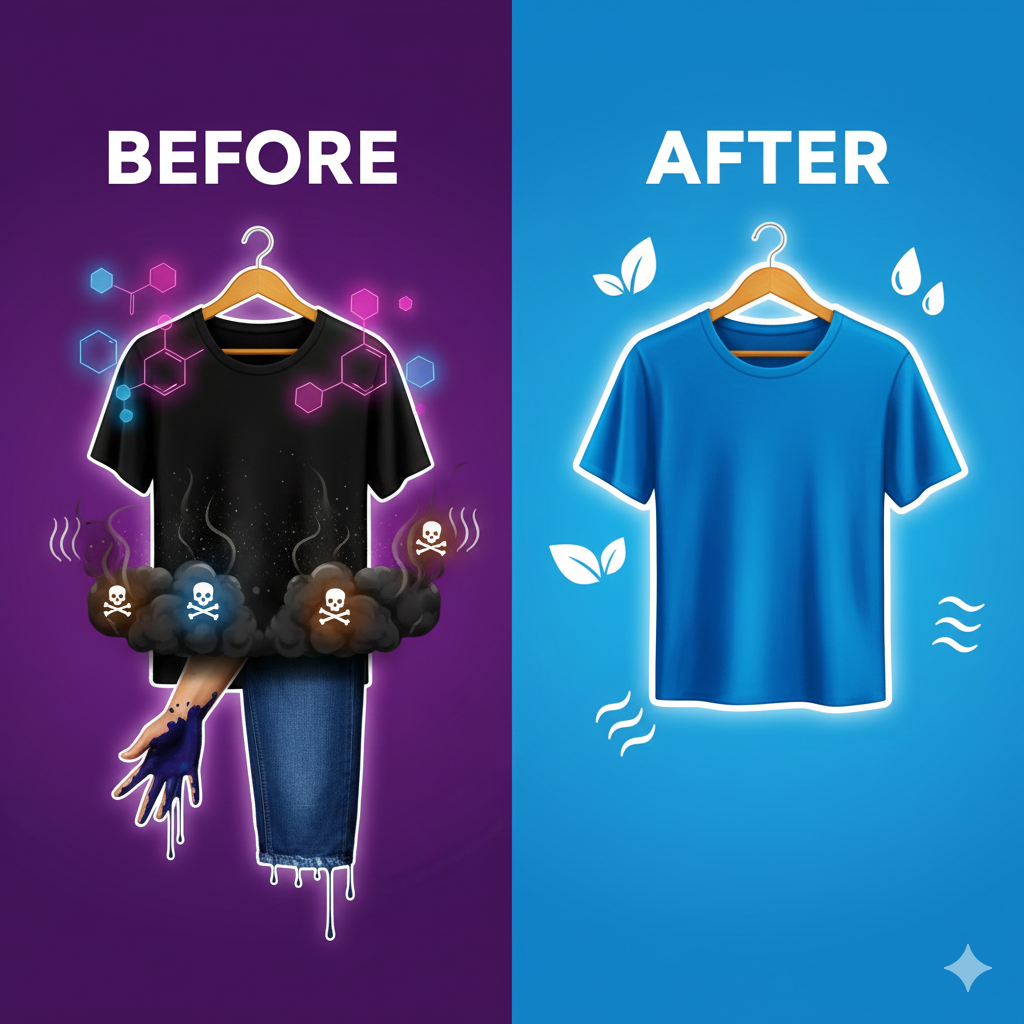
New clothes usually seem to be fresh, hygienic, and wearable right away, however, the fact of these fresh fabrics is a lot more complicated than it appears. Specialists are of the same opinion that washing newly bought clothes before wearing them for the first time is not only a good practice, but it is also a small move that keeps you safe and healthy.
New Clothes Haven’t Been Cleaned Properly

Clothes are made with your hands, machines, and storage, going through several people, and after that, they come to your closet. Analysts say that this trip can leave deposits invisible to the naked eye but that can still influence your skin.
Chemical Finishes Can Linger on Clothing
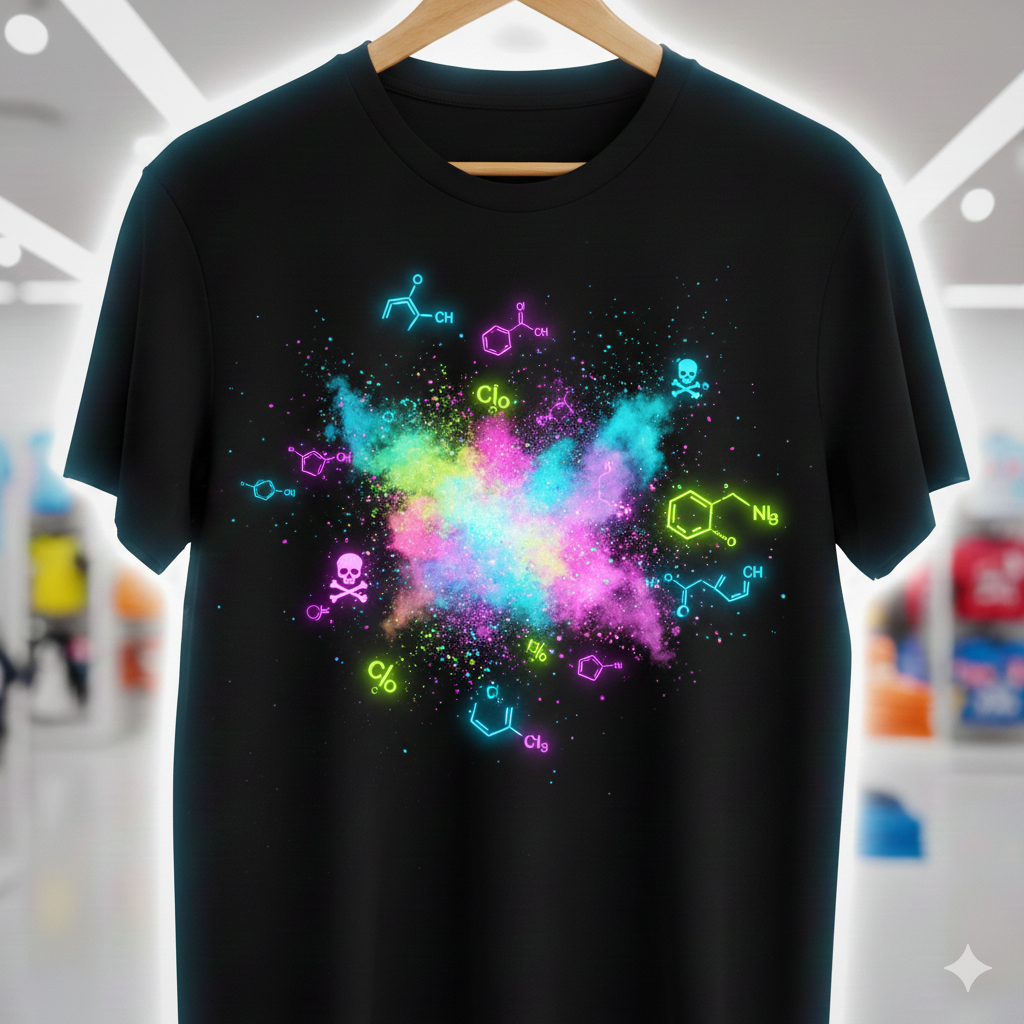
Firstly, corporations treat materials with protective or enhancing finishing products. While these help the garments look attractive on the store, it is found that the washing program can dislodge the chemical residues that can be the source of irritation for sensitive people.
Dyes May Transfer to Your Skin
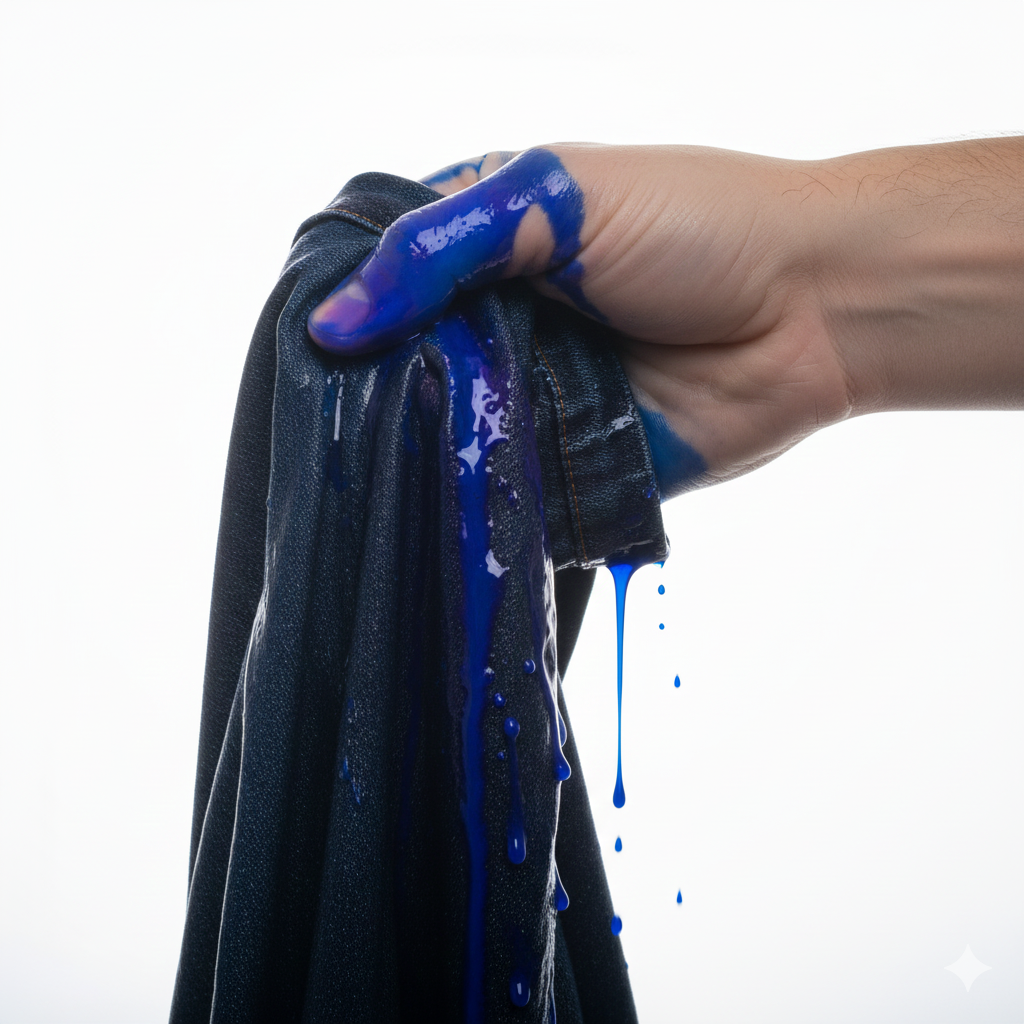
Colors being bright and dark have the tendency to emit the extra dye when they are still new. A mild wash is sufficient to get rid of the pigments so that they don’t come into contact with your skin or other clothing.
Warehouse Dust Can Settle on Fabrics
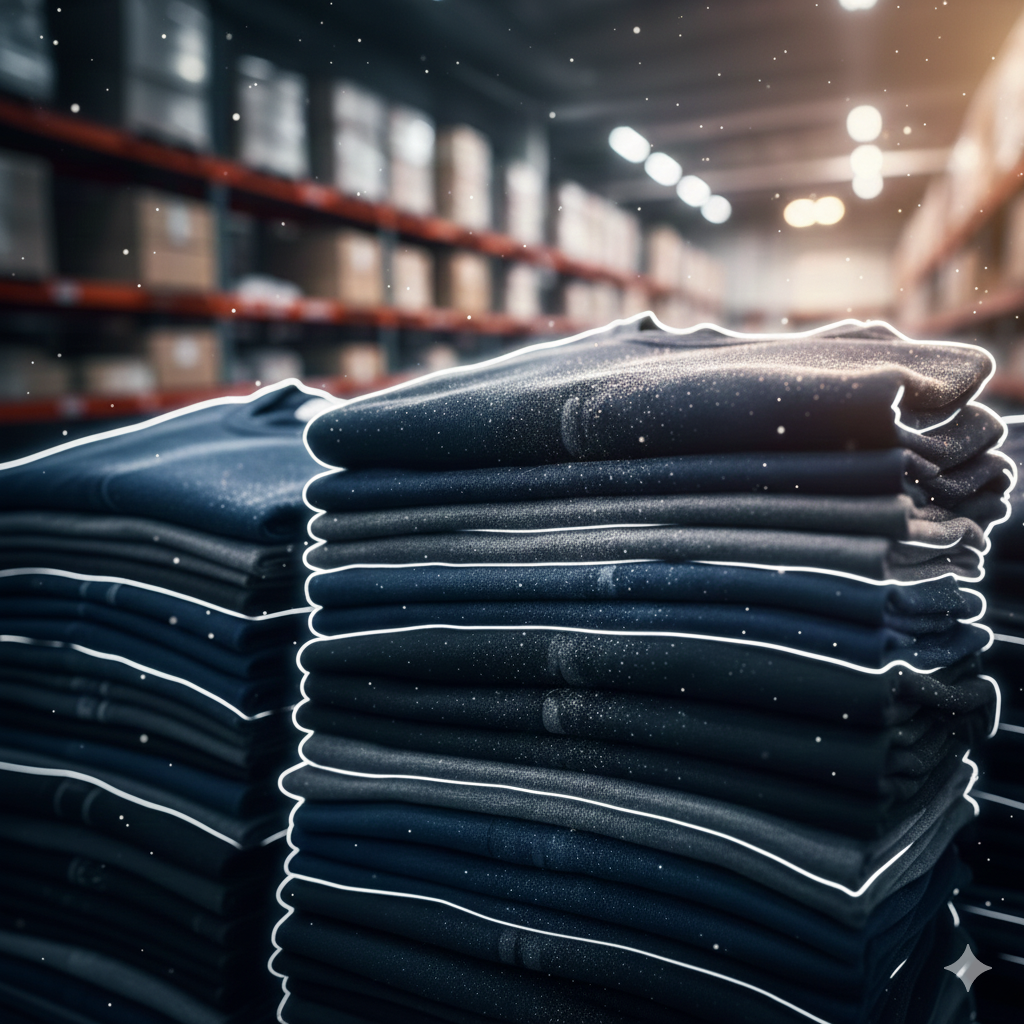
During the time of jacket and shipping, clothes can be left with dust and tiny particles. A first wash removes everything that the garment may have picked up before you bought it.
Trying-On Rooms Add Another Layer of Contact
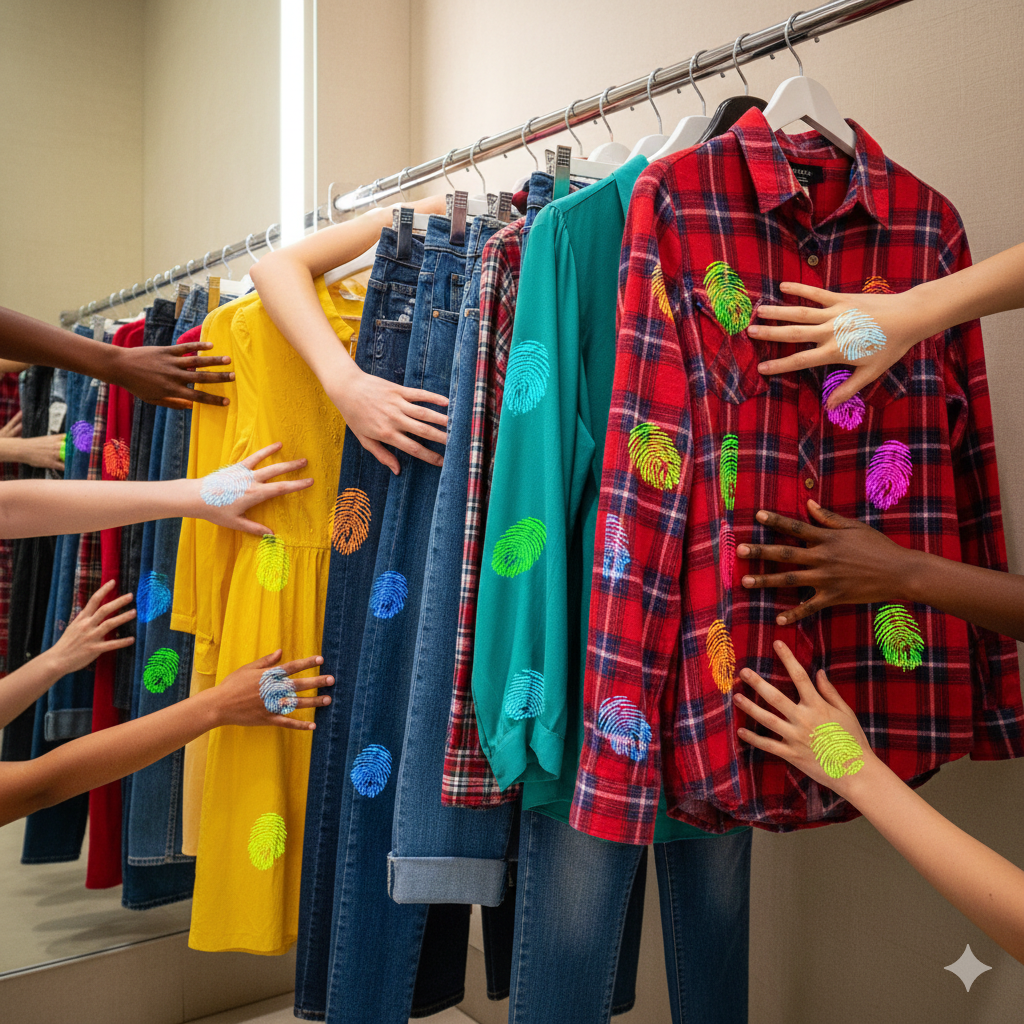
Store clothes are usually tried on by numerous people during the day. Cleaning gets rid of residues resulting from several fittings before the clothes become a part of your collection.
Skin Sensitivity Makes Washing Even More Important

Prewashing new clothes can be very helpful to those with delicate or reactive skin. By removing the unfamiliar agents, the chances of redness or discomfort that may be caused by the new clothes get minimized.
Children’s Clothing Needs Extra Care

Experts are always stressing the importance of washing new items for infants and young children before use. Their skin is very sensitive, and removing the leftover residues from the manufacturing process makes the whole experience safer and gentler.
Natural Fibers Still Require Prewashing
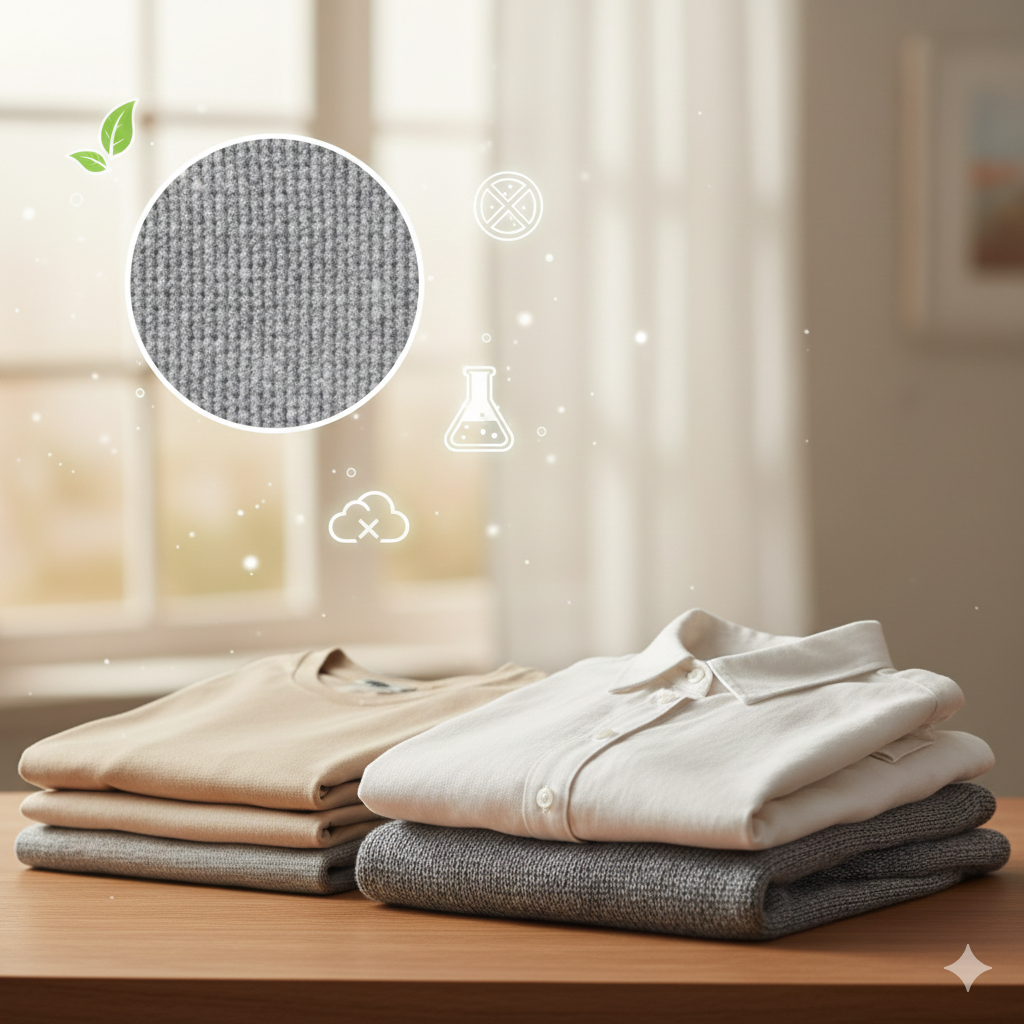
Almost the same is true for natural fabrics that are made from pure cotton, linen or wool. They could have been exposed to dust or might have been dyed and finished with some chemicals without the consumer’s knowledge. Washing is a way of not only cleaning but also softening the fabric and making it comfortable to wear.
Washing Helps Eliminate Manufacturing Odors

Sometimes, new fabrics may have a strong odor that comes from the dye, the packaging, or the storage. A quick wash will not only make the garment smell nice and fresh but also give the feeling of a nice new purchase.
One Wash Can Extend the Life of Your Clothing

By rinsing away the excess dyes, residues, and finishes, the way a garment feels and its behavior over time is improved. It is pointed out by the experts that this easy practice can be a great factor in the increase of the lifespan and the preservation of the outward appearance of the clothes that you wear.
About the Author