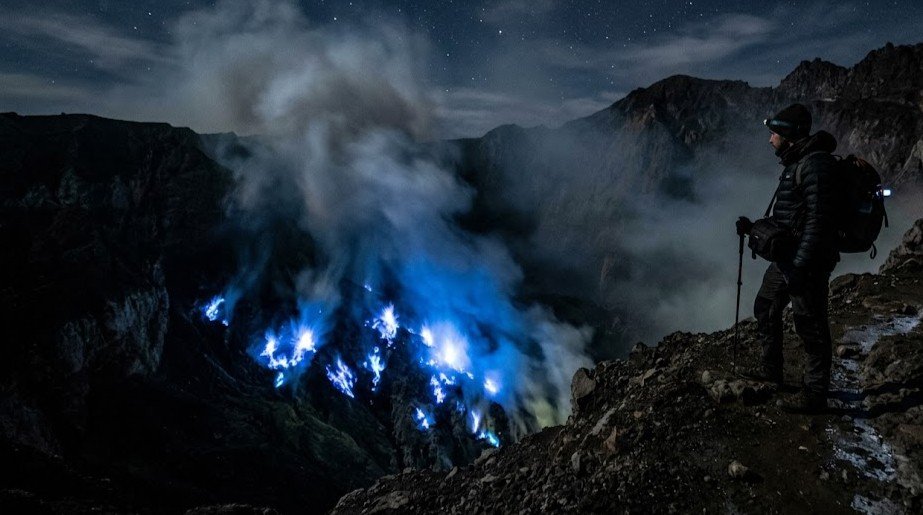
There are some extraordinary places that are seen during the night. The volcano burned with electric blue, showing that the living galaxy-like cave is all testimony that the mysteries of nature are unveiled in the dark.
The Blue Fire Volcano
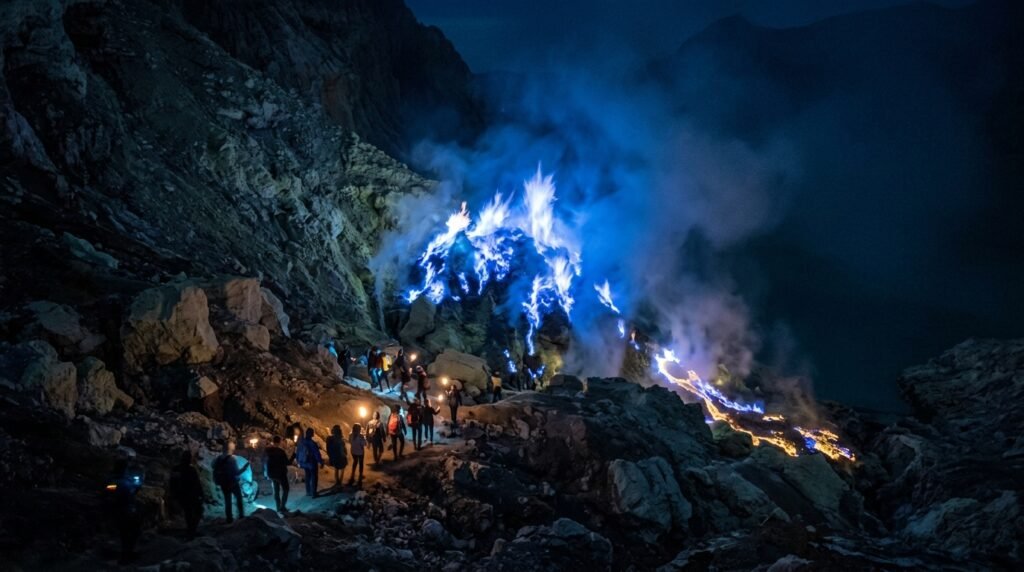
Day Kawah Ijen in East Java, Indonesia, looks like any other active volcano. But every night it erupts into electric-blue flames, as high as five meters – something that National Geographic has confirmed to be one of the most uncommon in the world.
Science Behind It
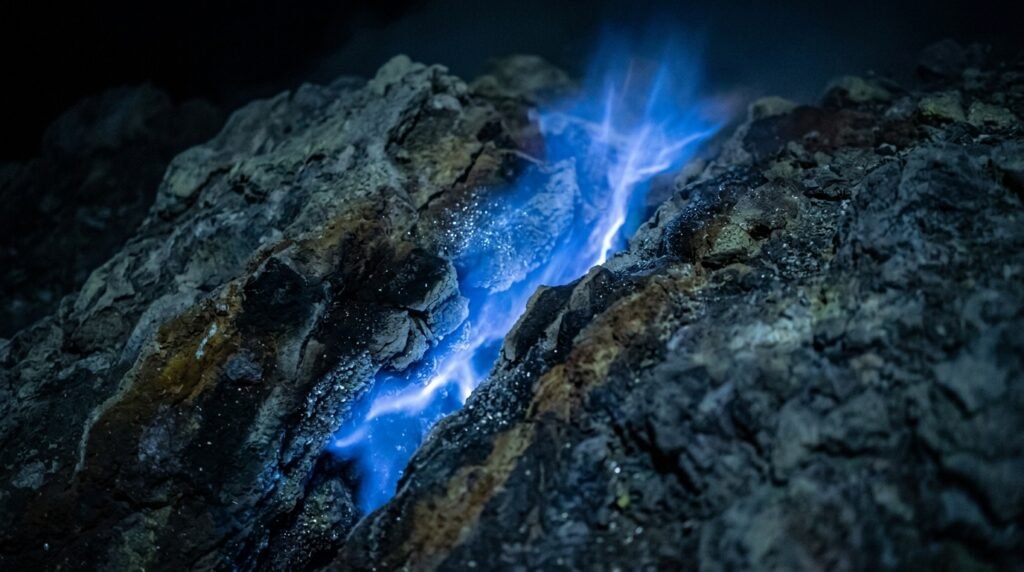
The so-called blue fire, according to the U.S. Geological Survey, is not lava, but sulfuric gases that escape the volcano through the cracks, and when they collide with oxygen at 600 degrees Celsius, they release a blue glow that can only be viewed in darkness.
The Only Two Places
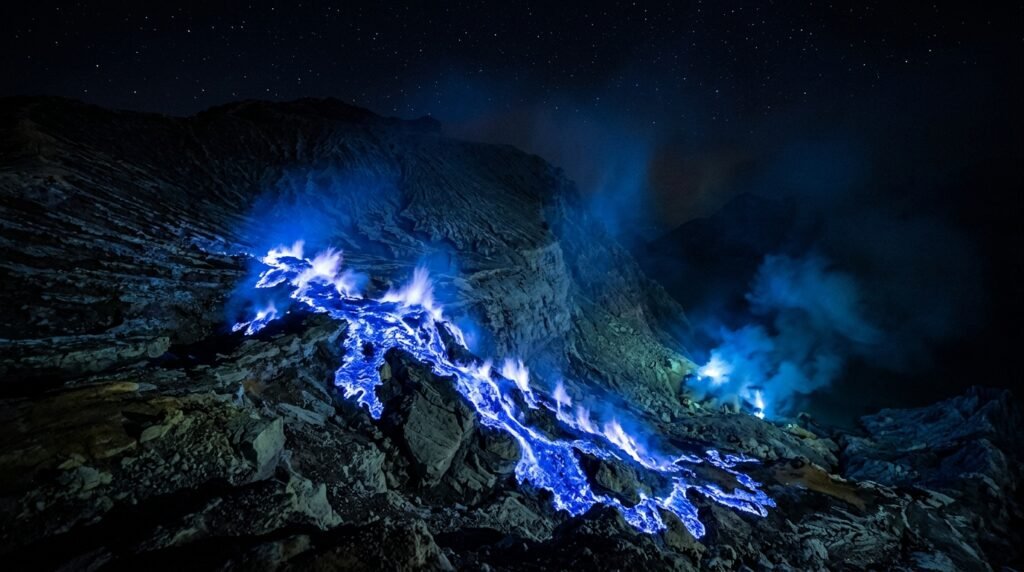
Kawah Ijen is one of the few places on Earth that can be found to have blue fire, the other being Dallol volcano in Ethiopia. It is the biggest operational blue flame site, which was acknowledged by UNESCO in 2023.
The Glowworm Galaxy
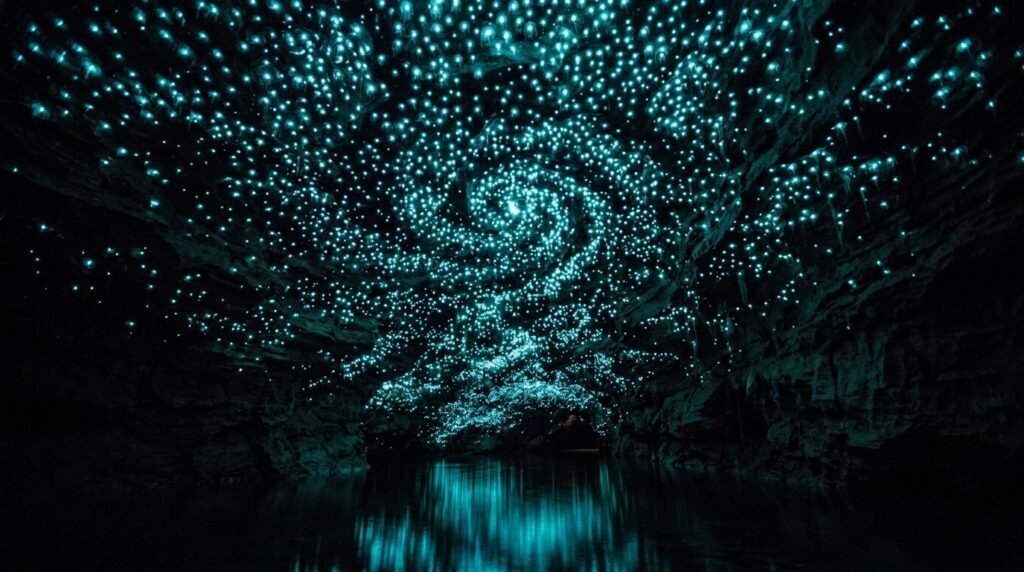
In their natural limestone formations, the Waitomo Glowworm Caves of New Zealand, which are 200 kilometers south of Auckland, have an ordinary day appearance. During the night, Biomagnetic animals make the cave ceiling glow and make it appear like a luminous galaxy.
Not Actually Worms
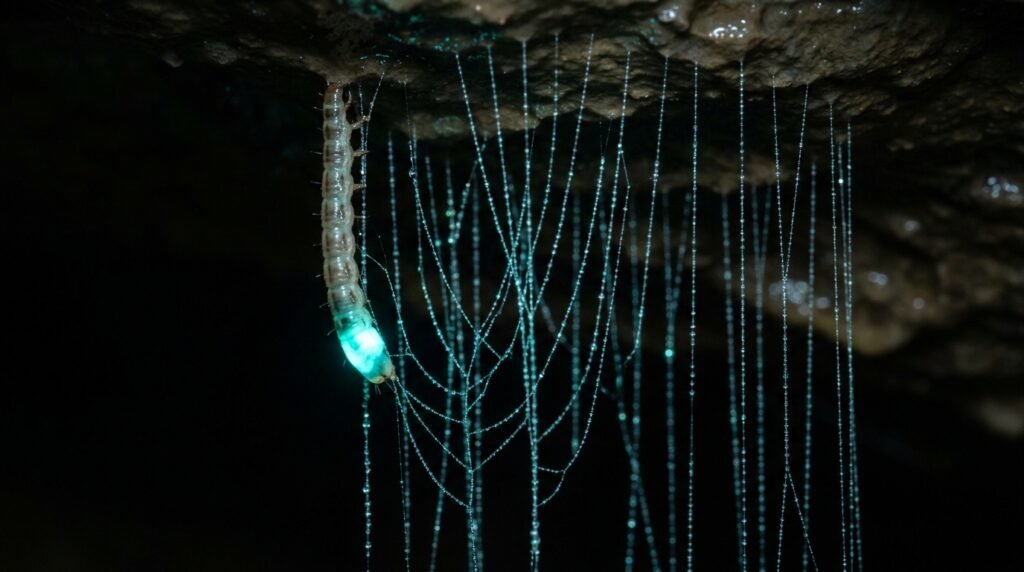
The fungus gnat Arachnocampa luminosa is a unique New Zealand fungal glowingworm, the larvae of which are the Waitomo glowworm. Visitors are expected to visit the caves in high numbers of about half a million people annually, and are expected to revert to normal numbers in 2024 to become the most frequented display of glowworms in the world.
Living Lights System
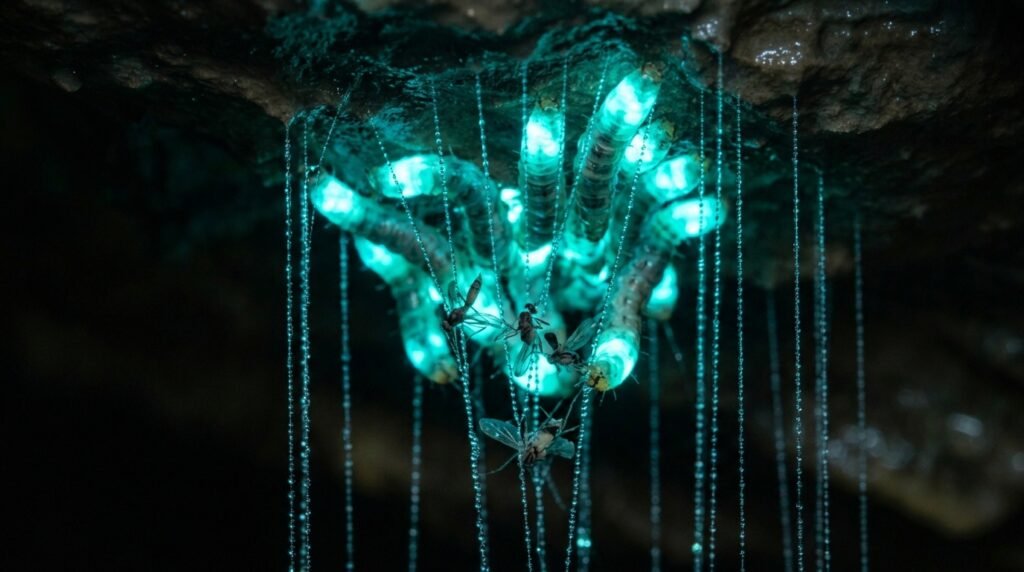
The glowing worms are bioluminescent and are capable of blue-green light production by use of an enzyme called Luciferase, which attracts their prey into the sticky silk thread on the ceiling of the caves.
30 Million Years Old
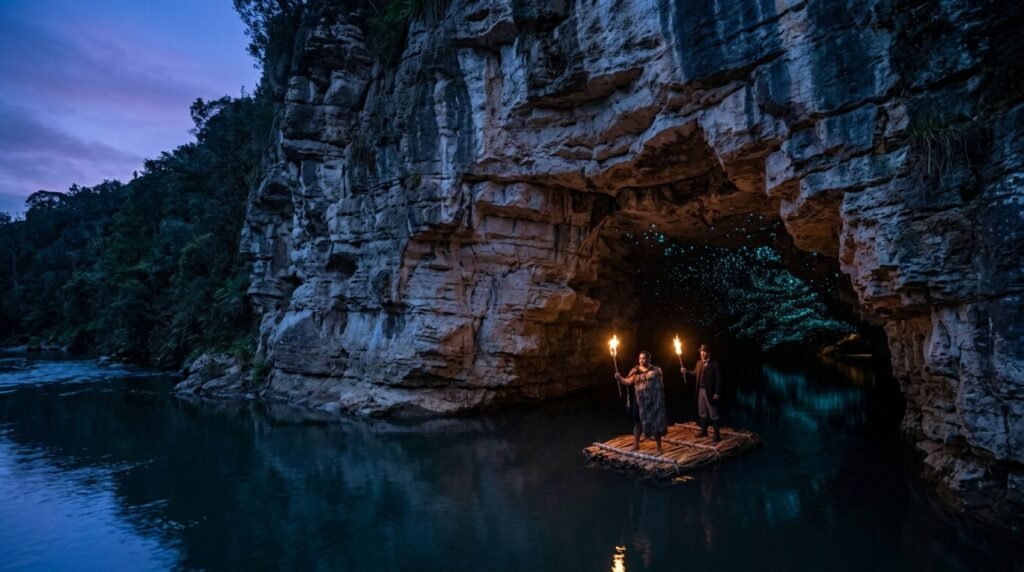
The Waitomo glowworm limestone formations are estimated to date back to over 30 million years ago, and are composed of compressed marine life. The caves were found in 1887 when Māori chief, Tane Tinorau, and a British surveyor, Fred Mace, found the caves using hand-built flax rafts.
Lightning 250 Times A Minute
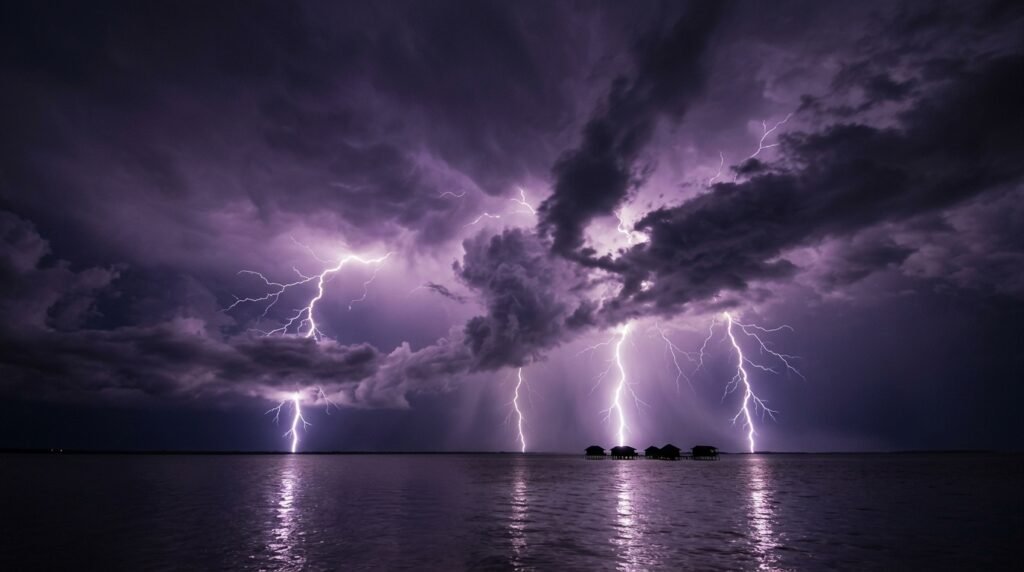
In Lake Maracaibo in Venezuela, the lightning is the most common electrical storm in the world; 140-160 days of lightning are experienced every year on average, with 250 lightning strikes every nine hours.
It Is Midnight Is The Hour
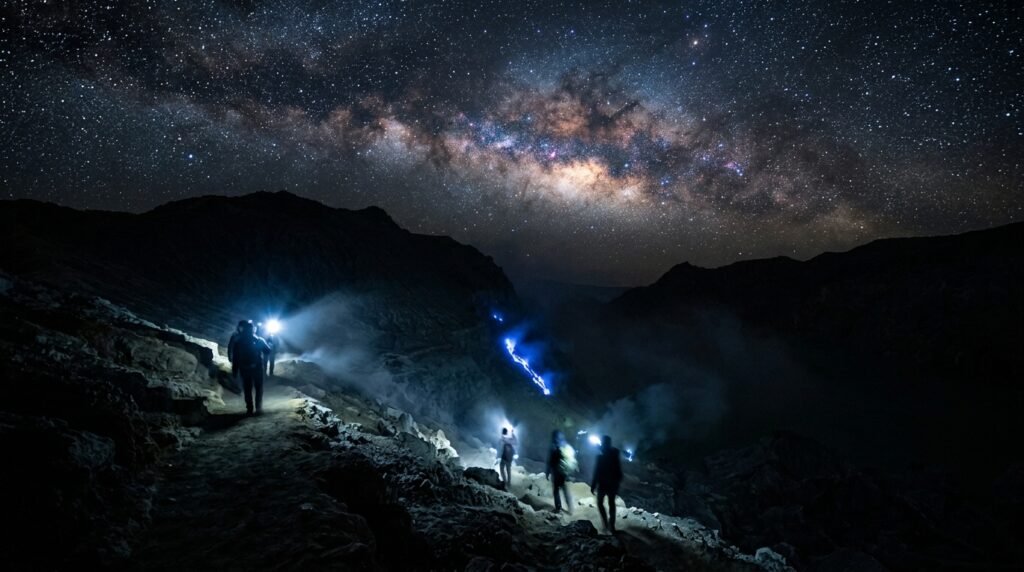
The most optimal time to have a good viewing experience at Kawah Ijen is between 2: 00 AM and 4: 00 AM before dawn. Tourists are led on a two-hour stroll by torchlight in order to view fires that are not visible in the daytime.
Science Meets Wonder
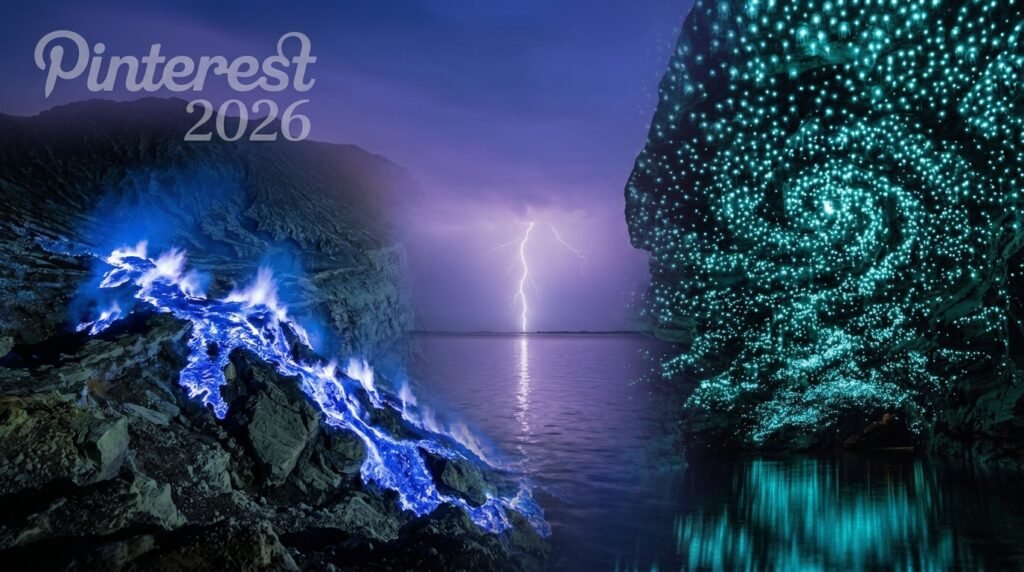
Etheral and surrealist destinations Pinterest has developed ethereal and surrealist destinations as the most popular travel trend of 2026, which proves that the most beautiful in the world are found in nature and are often overlooked until the latter half of the day.
About the Author