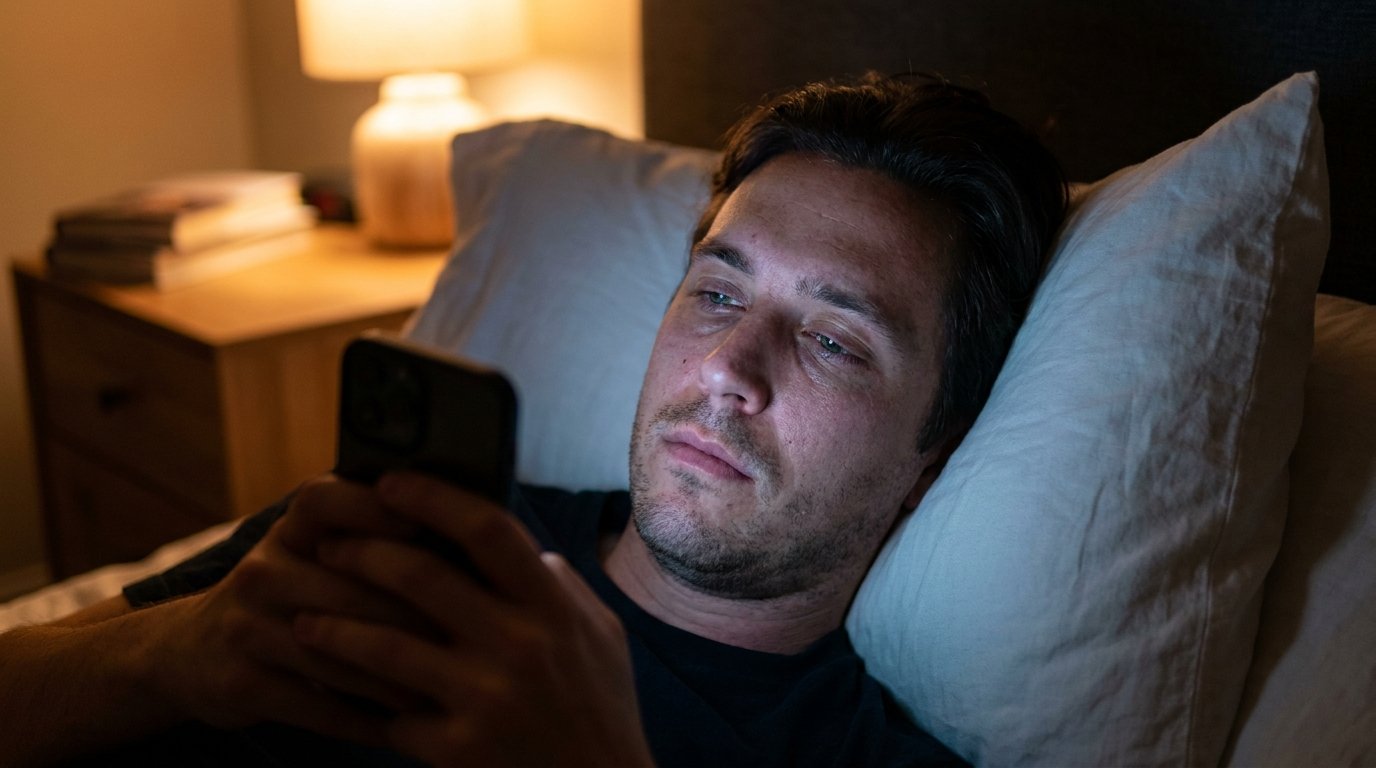
You listened it one thousand times. Put aside the phone, the blue light is destroying your sleep. But what do you mean by it being so much more complex than anybody has made you know? Scientists are now making a retaliatory strike – with noise and numbers.
The Myth Begins
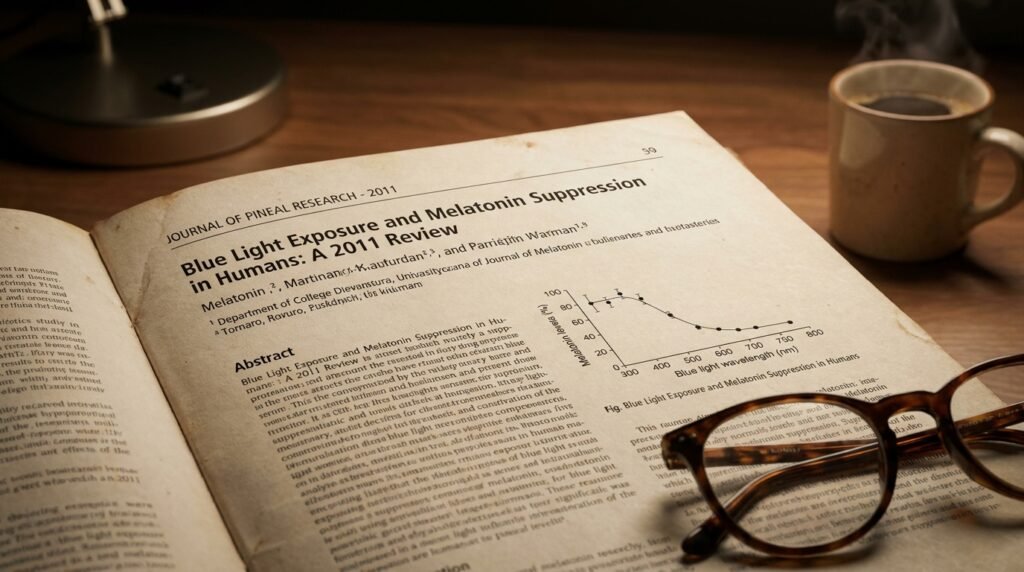
This perception of blue light causing sleep disruption by inhibiting melatonin caused by screens had been gaining ground when a 2011 study published in the Journal of Applied Physiology found the connection between blue light and sleep interruption, raising a red flag.
Nine Minutes.That’s It
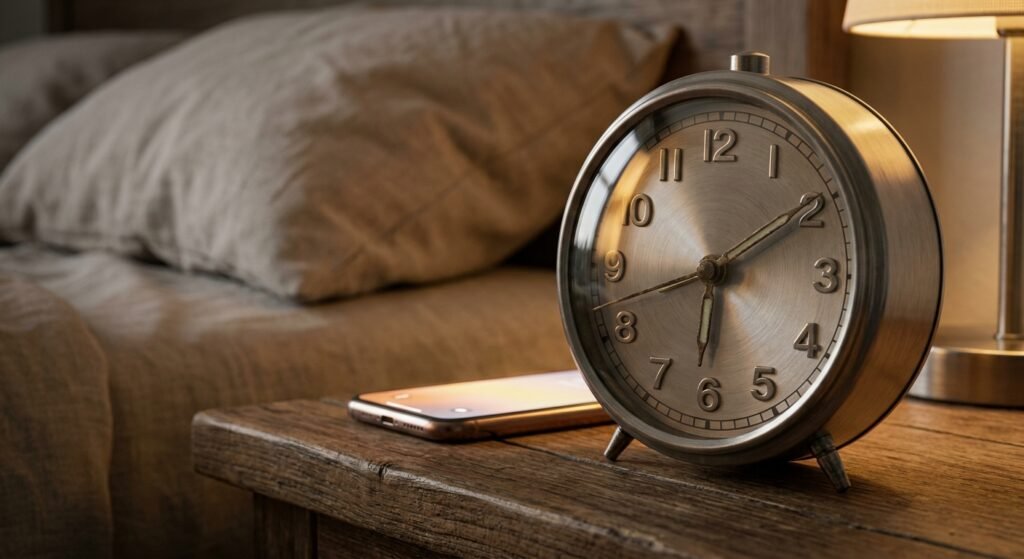
A review of eleven studies found that screen light delayed sleep by about nine minutes, challenging exaggerated claims from a century of sensational headlines.
Less Than A Minute Of Sunlight
A BBC report indicated that the blue light from your phone, tablet, and laptop in a day equals less than one minute of daylight, unlikely affecting your body clock at night.
Laboratory Tests Were Fallacious
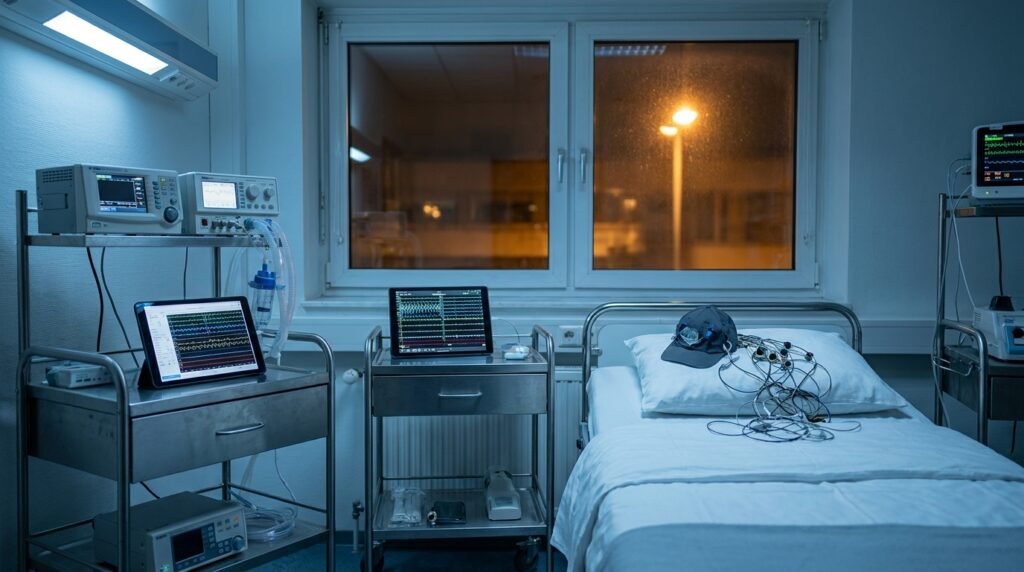
Stanford psychiatry professor Jamie Zeitzer told the BBC that the original blue light study was misleading, not due to data inaccuracies, but because lab conditions don’t reflect real-world blue light use.
Artificial Pile-Up Of Disease Situation
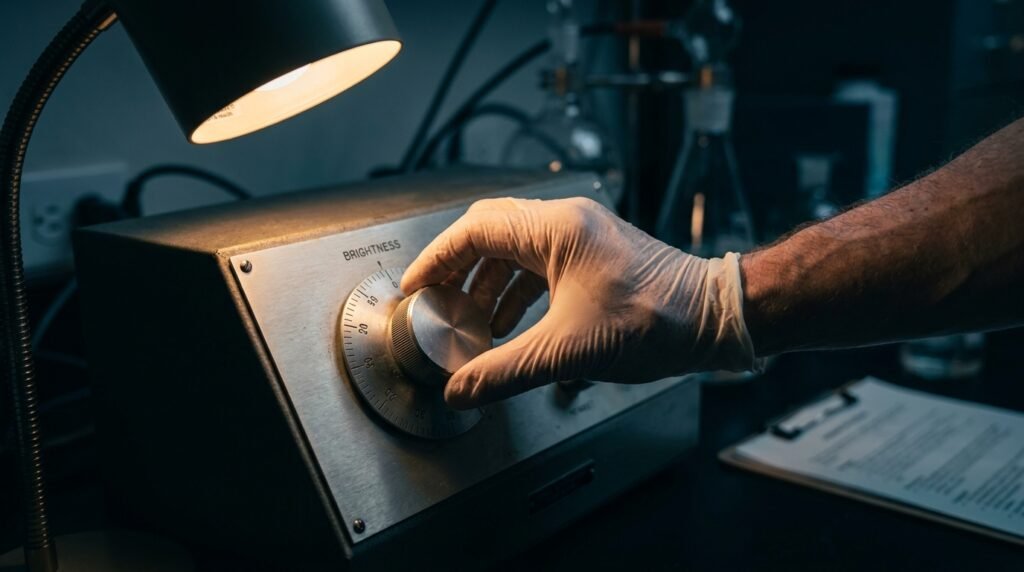
TMU sleep and mood disorder expert Prof. Colleen Carney noted that past researchers used dark lab conditions before testing on blue light, which artificially increased sensitivity and did not reflect real-world scenarios.
It Is Light Of Day What Counts

BBC experts learned that the key to sleep is being exposed to a lot of sun during the mornings and at the start of the afternoons and then having a huge amount of light reduced at the end of the day. That is the daytime light and the evenings darkness that are the real determinants of your circadian rhythm.
The Problem Is The Content
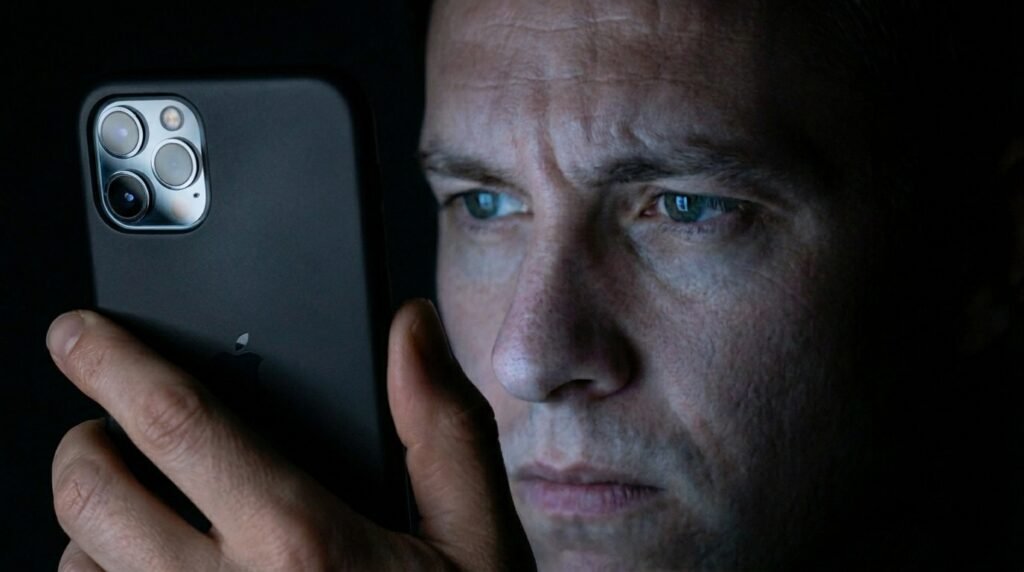
University of Arizona assistant professor Lauren Hartstein noted that people engage more with devices than light wavelengths. Stressful emails, provocative social media, and interactive games stimulate the brain rather than allow it to relax.
Glasses Questionable
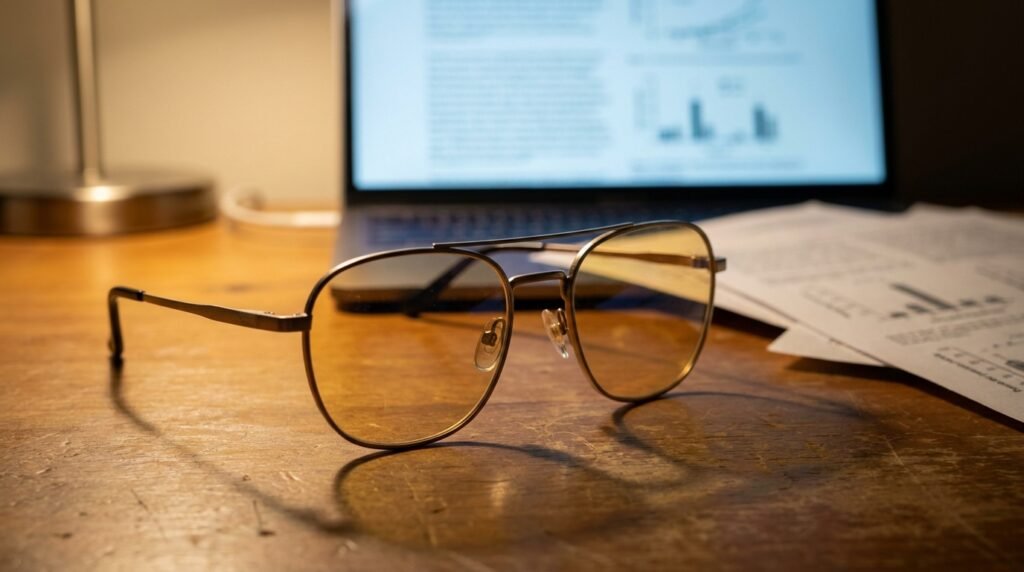
The National Sleep Foundation (2024) found insufficient evidence that blue light from screens significantly affects adult sleep. A review of twelve 2022 studies showed most found no significant effects on sleep quality.
The Morning Simple Remedy

The BBC report suggests a fifteen-minute morning walk and another around noon to better reset your circadian rhythm than night mode options, blue-light-blocking glasses, or screen blocking settings.
The Real Takeaway
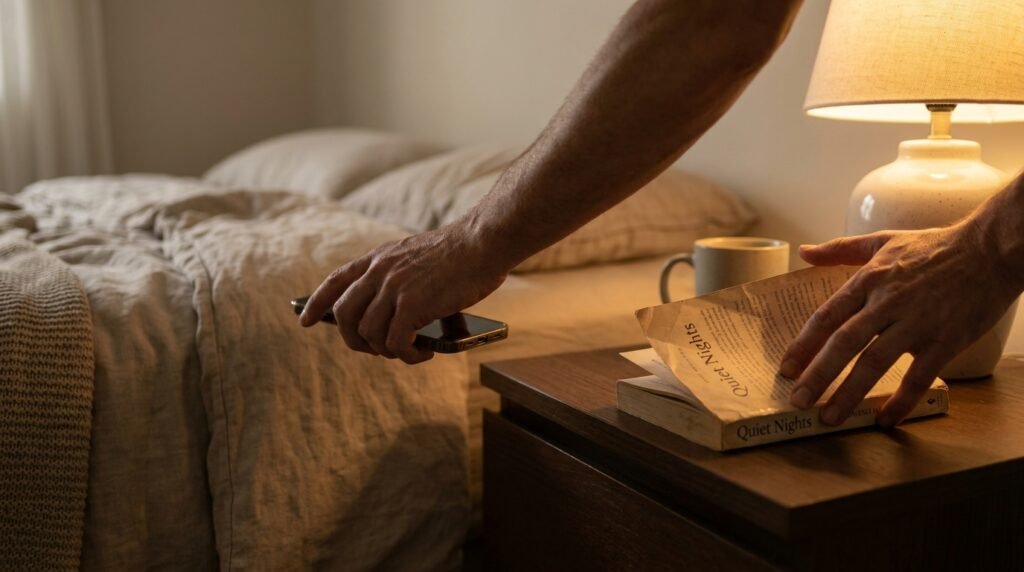
This happens because of light wavelengths, not because of light wavelengths because your phone influences the way you sleep because of stress, stimulation, and habit. Get back to morning light routine, consider nighttime visuals, and do not use blue-light products that are not supported.
About the Author


