
The ideal vacation has been successfully arranged, yet numerous Americans spend their money before their flights take off from the airport. The 2026 travel system operates as a strategy game, where even minor routine behaviors can cause travelers to lose significant amounts of their funds. The most common traps you need to check for in your spending habits need to be identified because you want to use your hard-earned money for actual experiences instead of handling travel arrangements.
The Airport Exchange Drain
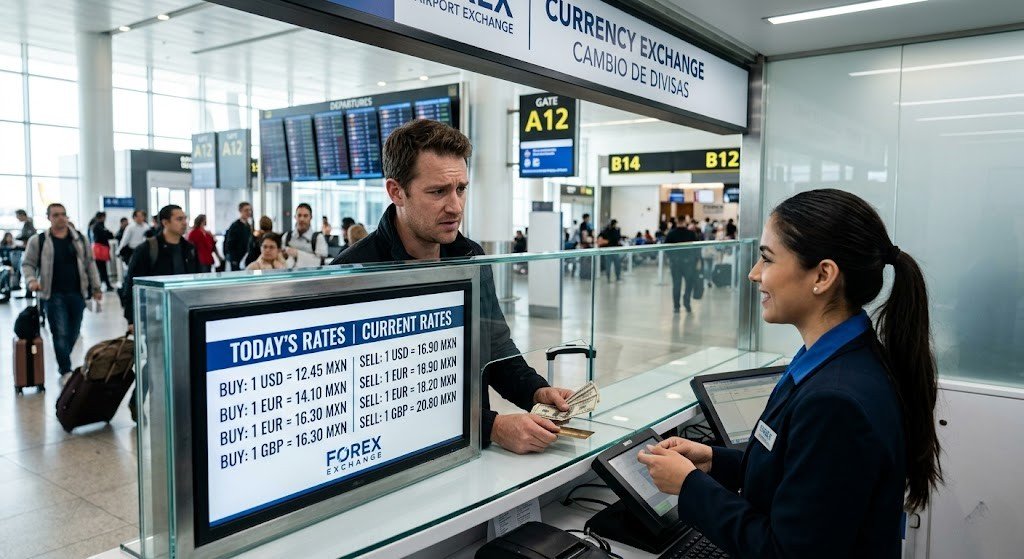
The airport dollar exchange kiosk operates as a typical convenience trap which enables visitors to waste money. The booths charge high fees to customers while delivering their most unfavorable exchange rates, which results in a loss of $50 for every $500 exchanged. Smart travelers wait until they reach a local ATM or use a no-fee currency card in town.
Ignoring the “Tax-Free” Sticker
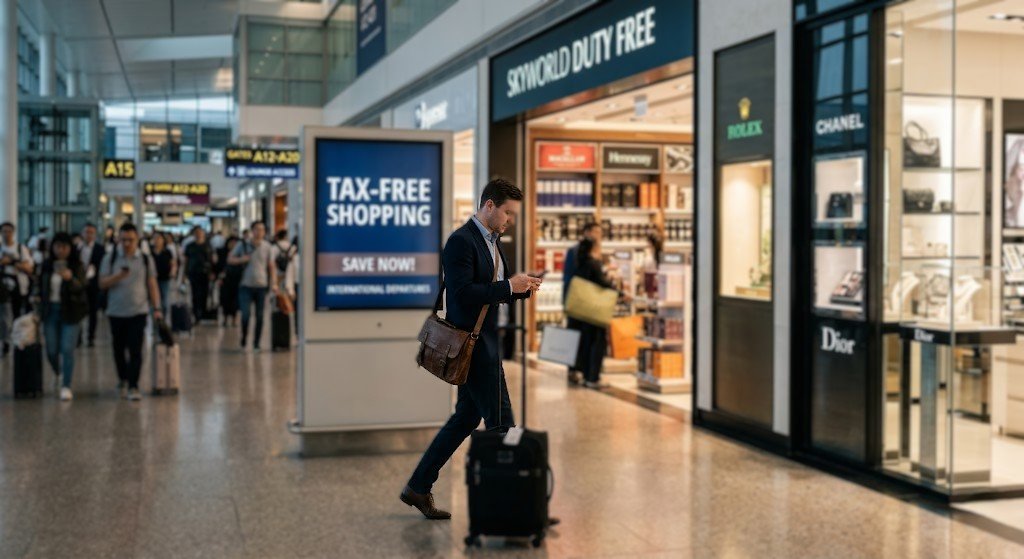
Visitors to various countries can obtain a sales tax refund for high-value products which include electronic devices and designer clothing. Americans lose hundreds of dollars because they walk past the “Tax-Free” signs without requesting the refund form which should be stamped at the airport.
The Sneaky “Junk Fee” Surprise

Booking sites display attractive base prices which hotels use to charge customers for wellness and resort fees during the checkout process. The Total Price option and free loyalty program membership need to be selected by users because many brands currently eliminate additional charges for their members.
Paying the “Gate” Luggage Penalty
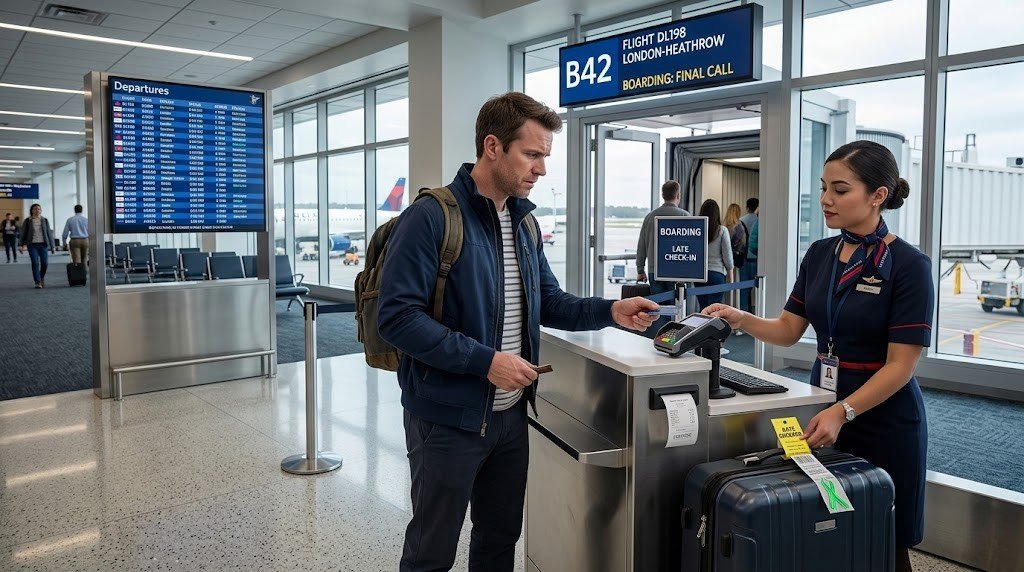
Bag checking at the airport door has become a product which customers need to pay extra for. Major airlines charge guests an additional $20 for checking bags at the airport door compared to the online payment option which starts 24 hours before departure. The savings could have covered the cost of an extra coffee and croissant at the gate.
The “Instagrammability” Budget Bloat

Restaurants and hotels which offer visually appealing dining and accommodation options create a trap that forces visitors to pay higher costs to enjoy their services. The venues operate with expensive prices to serve customers who expect to discover exceptional dining experiences.
Skipping Travel Medical Insurance
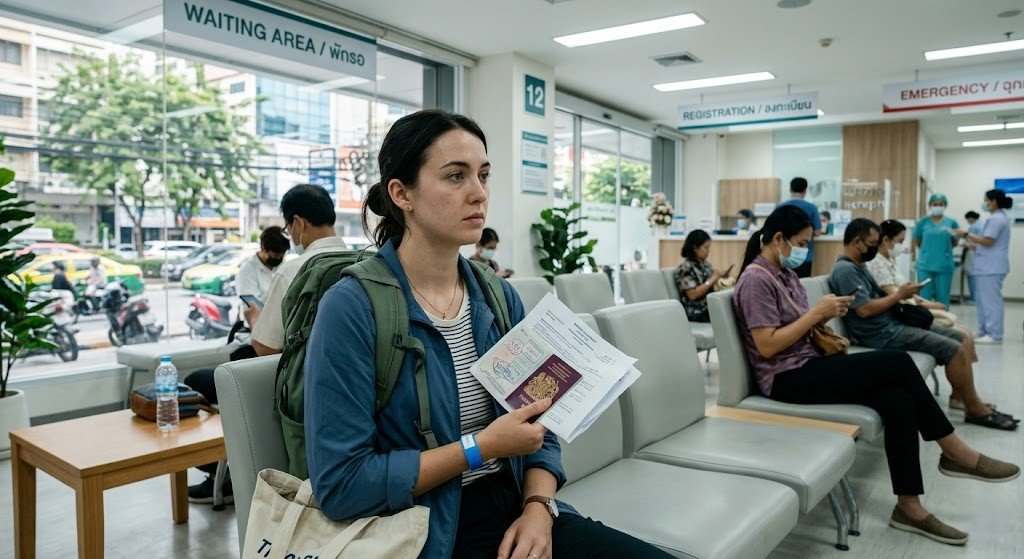
A medical emergency abroad will turn your budget-friendly trip into a major financial burden. Most US health insurance programs exclude coverage for hospital treatment outside the United States. A single night in a foreign ER costs more than your entire flight. A small, non-negotiable insurance policy is the ultimate financial safety net.
The Static Currency Trap
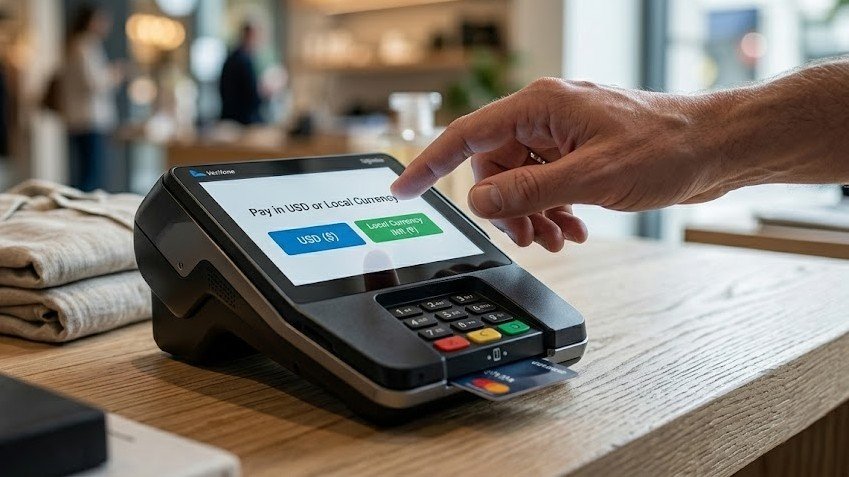
The card machine in foreign countries asks customers if they prefer to make payments using “USD” or the local currency. Always choose the local currency. Choosing USD allows the local bank to set their own predatory exchange rate, silently skimming an extra 3-5% off every single purchase you make.
Overlooking the “Shoulder Season”
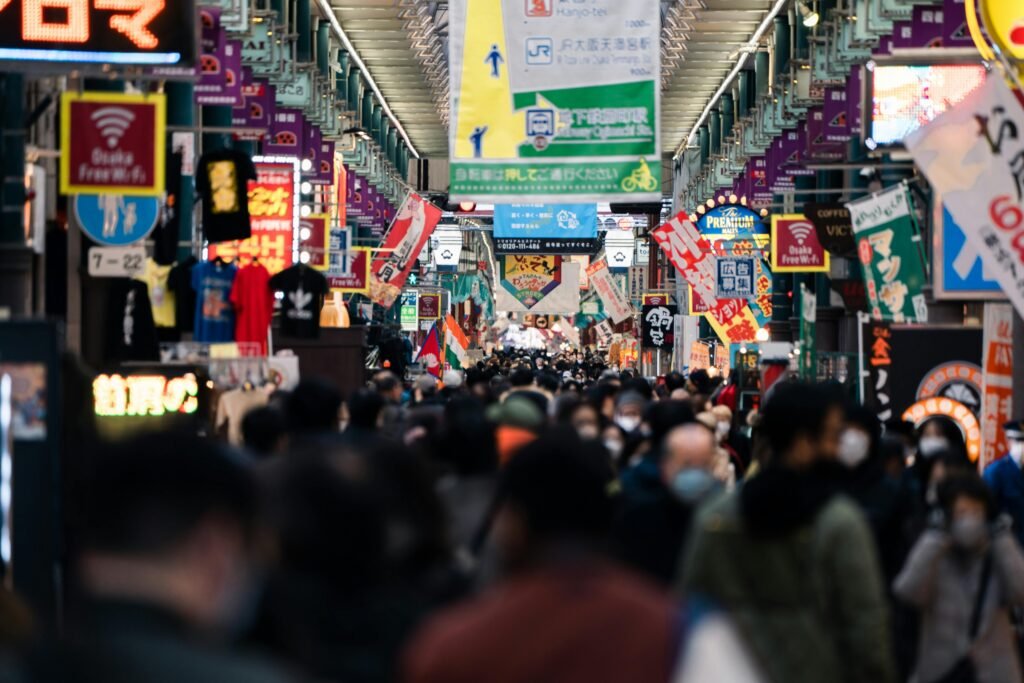
Traveling exactly when everyone else does, like mid-July means paying a 30% premium on everything. You can experience beautiful weather and shorter lines at the “shoulder season” by planning your trip two weeks later during late May or early September while paying less than the peak season prices.
About the Author